Newsletters


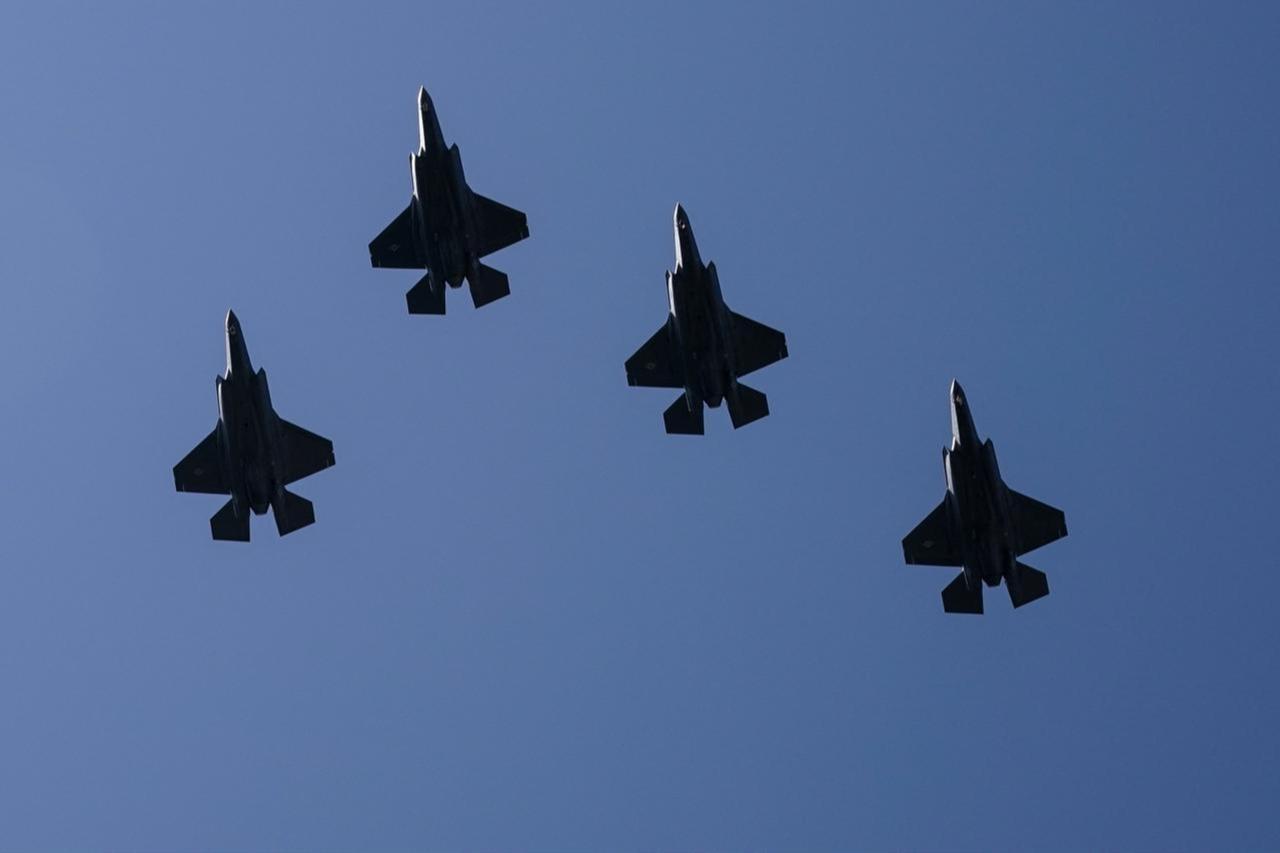


Few things in modern international politics are as political as advanced weapon systems, whose price tags, technological complexity, and supply chains turn them into tools of leverage rather than mere tools of war. The F-35 Lightning II is perhaps the perfect example of this phenomenon. Remembering the timeless wisdom of Carl von Clausewitz, stating that war is politics by other means, fifth-generation airpower is not simply politics by other means, but politics disguised as technology.
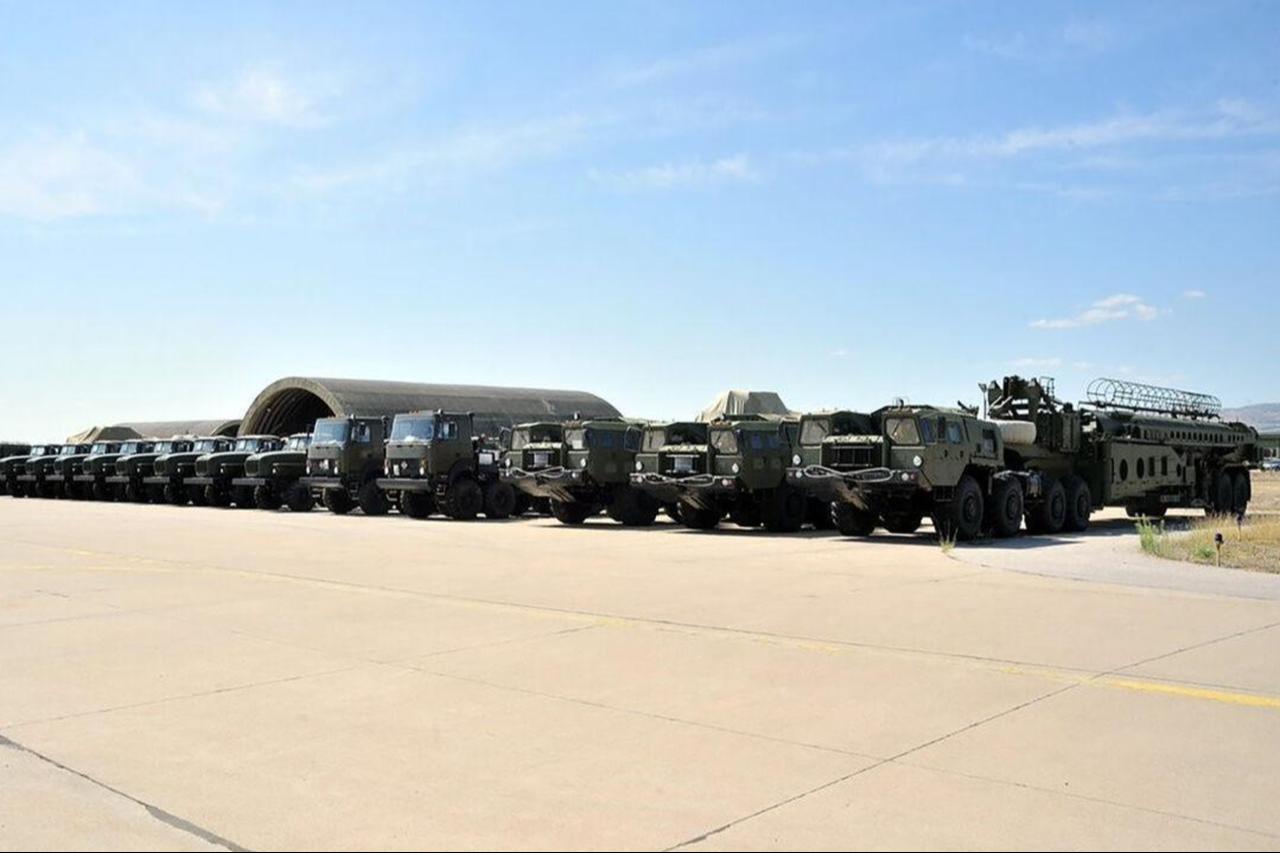
The F-35 has, once again, hit the headlines when U.S. Ambassador to Türkiye Tom Barrack stated on a post on social media that "the positive relationship between President Donald Trump and President Recep Tayyip Erdogan has created a new atmosphere of cooperation, which has led to the most fruitful conversations we have had on this topic in nearly a decade", pointing to Türkiye's desire to rejoin the F-35 program. Shortly after this post, the U.S. Embassy posted on its official X account, mentioning the ongoing negotiations between Türkiye and the U.S. on the F-35 issue and reminding that the main obstacle to Türkiye receiving the aircraft is the removal of the S-400 air defense system from the country and ending ownership.
At its core, the F-35 debate unveils a deeper tension between operational autonomy and geopolitical alignment. Türkiye’s exclusion from the F-35 program, and the conditions attached to a possible return, are shaped by distinct but overlapping factors ranging from the S-400 issue and regional airpower balances to third-party political sensitivities and geopolitical dynamics.
Türkiye’s exclusion from the F-35 program coincided with a period of rapid regional airpower modernisation. The United States removed Türkiye from the F-35 program shortly after the delivery of the S-400 air defense system in July 2019. Ankara’s modernisation roadmap for the Turkish Air Force had envisaged the gradual replacement of its F-4E 2020 fleet with the F-35, followed by the phased replacement of F-16s with the indigenous combat aircraft KAAN starting in the 2030s. Türkiye’s removal from the program and the cancellation of F-35 deliveries dealt a significant blow to these plans.
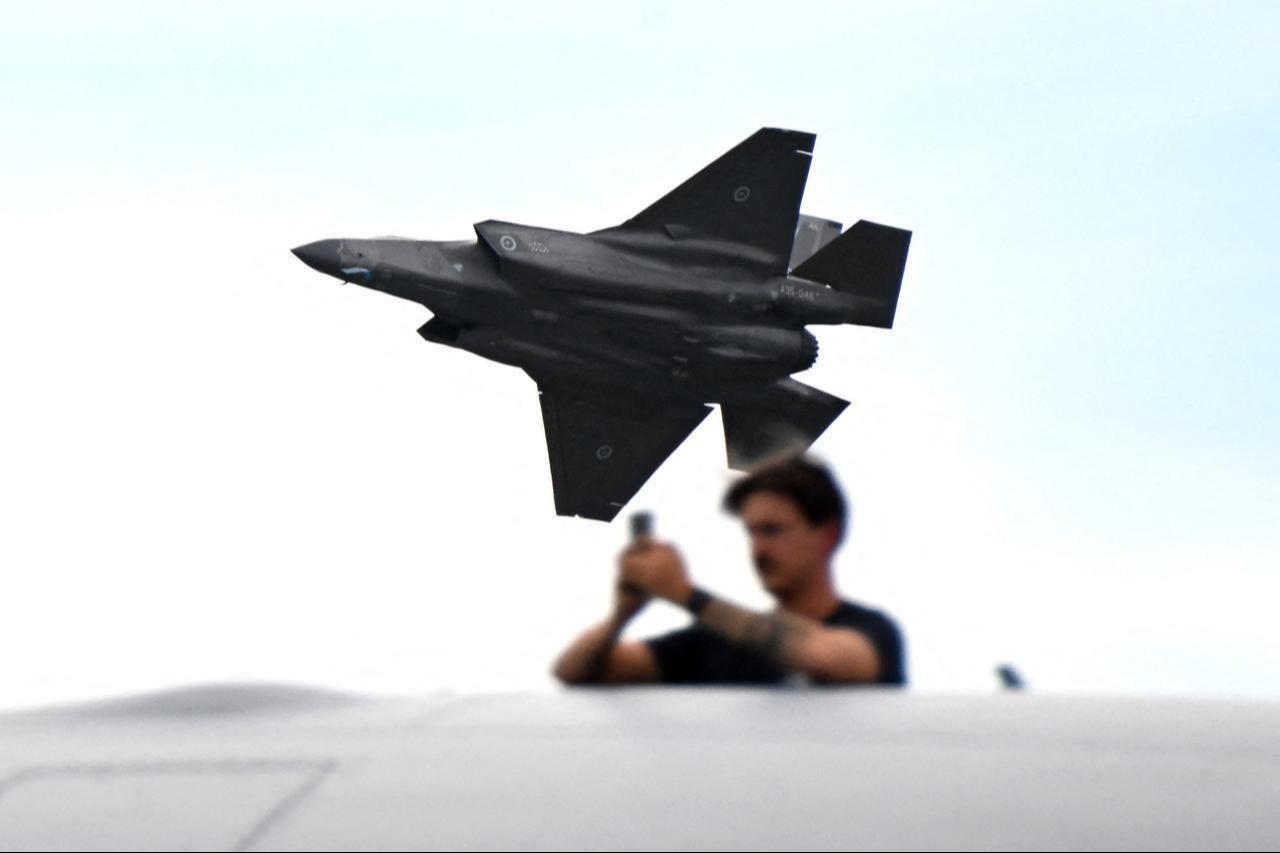

It was during this same period that major regional actors moved rapidly to modernize their air forces. Israel continued to expand and operationalise its F-35I Adir fleet, deliveries of which had begun in 2016, thereby reinforcing its qualitative military edge (QME). Greece advanced its acquisition of Rafale fighters and initiated the upgrade of its F-16 fleet to the F-16V Viper standard, narrowing the qualitative gap with Türkiye. Egypt, meanwhile, received 24 Rafale fighter jets from France between 2015 and 2019 and placed an additional order for 30 more aircraft in 2021. The Russian Air Force began receiving its next-generation Su-57 fighters in 2020, while continuing production of Su-35 and Su-34 aircraft and progressively upgrading its existing MiG-31 and Su-30 fleets.
From 2015 onward, Türkiye rapidly expanded its drone force to include precision-strike capabilities and launched more ambitious programs such as the Anka-3 and Bayraktar Kizilelma unmanned combat aircraft. Yet the country’s existing and rapidly ageing fleet of approximately 235 F-16C/D Fighting Falcons, along with a handful of F-4E 2020s that are nearing the end of their service lives, posed a serious challenge. The risk was not merely a temporary capability gap, but a potential loss of qualitative airpower advantage, one with significant strategic and political consequences.
Yet, Türkiye’s insistence on the F-35 is not based merely on military requirements. As stated by President Erdogan in July this year, for Ankara, the aircraft represents not only an enhancement of national security but also a symbol of political partnership and alliance cohesion, particularly within NATO. Erdogan’s emphasis on strengthening national defense capabilities in line with NATO decisions reflects a broader argument: Türkiye’s military modernization is framed as a contribution to collective security rather than a challenge to regional stability. At the same time, he implicitly acknowledged that Türkiye’s exclusion from the program accelerated indigenous defense initiatives, without diminishing the political value of reintegration. In this sense, the F-35 embodies a dual logic for Ankara: a tool for reinforcing deterrence and operational credibility, and a political signal of restored trust, alignment, and reciprocity within the alliance.
As long as the S-400 system remains on Turkish soil under Turkish ownership, the F-35 issue remains effectively frozen. Washington has repeatedly stated that, for Türkiye to be reinstated in the F-35 program, both ownership and control of the S-400 system must be fully and permanently terminated. This position was articulated by the U.S. State Department in August and reiterated more recently by the U.S. Embassy in Ankara. The explicit emphasis on these two conditions effectively forecloses discussion of alternative arrangements, such as deploying the system to an overseas base, placing it in storage, transferring it to third-party control, or limiting its activation.
While this insistence can be interpreted as reflecting broader concerns over intelligence risks and political or military red lines, it is equally clear that the S-400 issue has evolved into a symbol of a broader struggle over political will between the two sides.
Apart from political, military and intelligence aspects of the S-400-F-35 debate, one major factor is arguably Israel. Israel, as a Security Cooperation Participant (SCP) to the F-35 program, signed a Letter of Offer and Acceptance (LOA) for 50 F-35 aircraft in October 2010. The first of the Israeli version of the F-35, the F-35I Adir, was delivered in June 2016. In 2024, Israel signed an LOA for an additional 25 F-35Is. The F-35I saw extensive service in the 12-Day War with Iran in June 2025, especially in engaging the Iranian air defense network and ballistic missile capabilities.
While Israel’s position is not formally decisive on the course of Türkiye's F-35 involvement, it has clearly been influential politically, particularly in the U.S. Congress. Shortly after the delivery of the F-35 to Israel and the start Türkiye's negotiations with Russia for the S-400 in 2016, there has been a surge in claims and campaign by certain lobbying groups, think-tanks and scholars against Türkiye's acquisition of the F-35. Since the preservation of Israel’s QME remains a cornerstone of U.S. regional defense policy, Türkiye’s access to the F-35 was often evaluated in Washington through its potential impact on Israel’s airpower dominance, as a result of lobbying efforts.
Even if technical and legal obstacles were resolved, political resistance rooted in regional balance considerations would likely persist. The Israel factor thus operates less as an explicit veto and more as a structural constraint shaping U.S. decision-making. Israel's Prime Minister Benjamin Netanyahu bluntly underlined this conundrum when he said in November during a press conference that he does not believe the United States will sell F-35 fighter jets to Türkiye, and threatened a far stronger Israeli response to any such deal than to Washington’s recent agreement with Saudi Arabia.
Taken together, these dynamics suggest that the F-35 question has moved well beyond the realm of practical force planning. As long as the S-400 remains a non-negotiable red line for both Ankara and Washington, the prospect of Türkiye’s return to the F-35 program is likely to remain political rhetoric rather than an actionable outcome. More importantly, even a hypothetical reintegration to the F-35 program would come at the cost of accepting a tightly controlled technological ecosystem that constrains operational autonomy, limits sovereign decision-making, and embeds long-term political conditionality into airpower planning.
In parallel, Türkiye has not remained strategically idle. The rapid expansion of its unmanned combat aviation portfolio, combined with sustained investment in indigenous fighter development through programs such as Kaan, reflects a deliberate shift toward greater self-reliance and freedom of action. These efforts are not merely stopgap measures in the absence of the F-35, but components of a broader recalibration aimed at reducing exposure to external political leverage. While these programs cannot fully substitute fifth-generation manned airpower in the near term, they offer Türkiye a degree of strategic flexibility that participation in the F-35 framework would inevitably circumscribe.
Ultimately, the central question is no longer whether Türkiye needs the F-35, but whether the political and operational trade-offs associated with its acquisition remain acceptable under current conditions. In an environment where access can be revoked, deliveries suspended, and capabilities conditioned on shifting geopolitical alignments, operational independence carries strategic value of its own. From this perspective, the F-35 increasingly appears less as a solution to Türkiye’s airpower challenges and more as a symbol of an unresolved alliance contradiction, one that Ankara may be better served addressing through indigenous capability development rather than prolonged negotiation over a platform that remains politically out of reach.


 Set as preferred source
 Set as preferred source



 4 min read