Newsletters


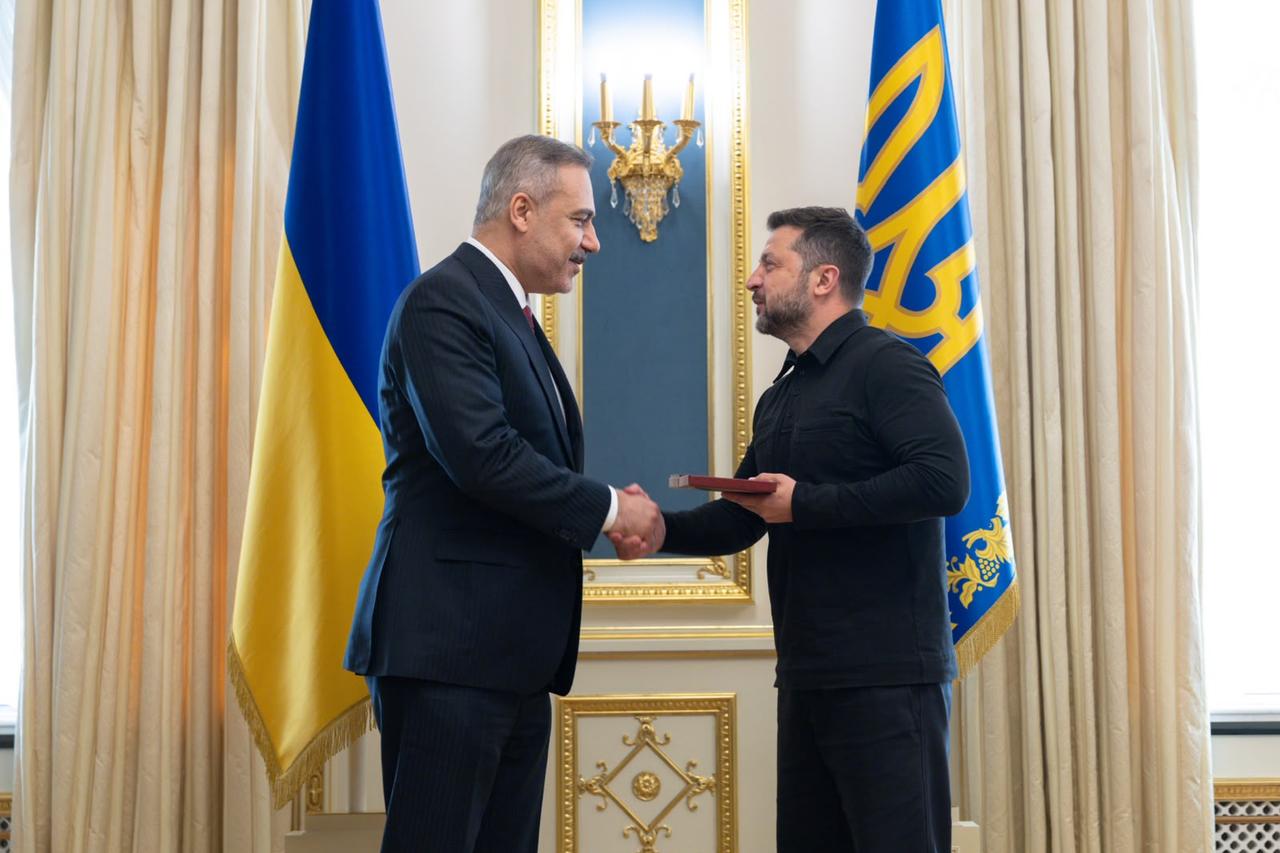


Foreign Minister Hakan Fidan received a state decoration from Ukrainian President Volodymyr Zelenskyy on Thursday during a visit to Kyiv, underscoring Ankara's deepening role as a diplomatic bridge between Ukraine and Russia amid an intensifying conflict and a renewed push for negotiations.
Zelenskyy conferred the Second Class Order of Merit on Fidan by presidential decree, citing his outstanding personal contribution to strengthening bilateral relations and interstate cooperation between the two countries.
The honor, one of Ukraine's most widely awarded state decorations, recognizes exceptional service in fields including diplomacy, international relations, public administration and the economy. Established in 1996, it has previously been granted to foreign diplomats, officials and other individuals who have made significant contributions to Ukraine.
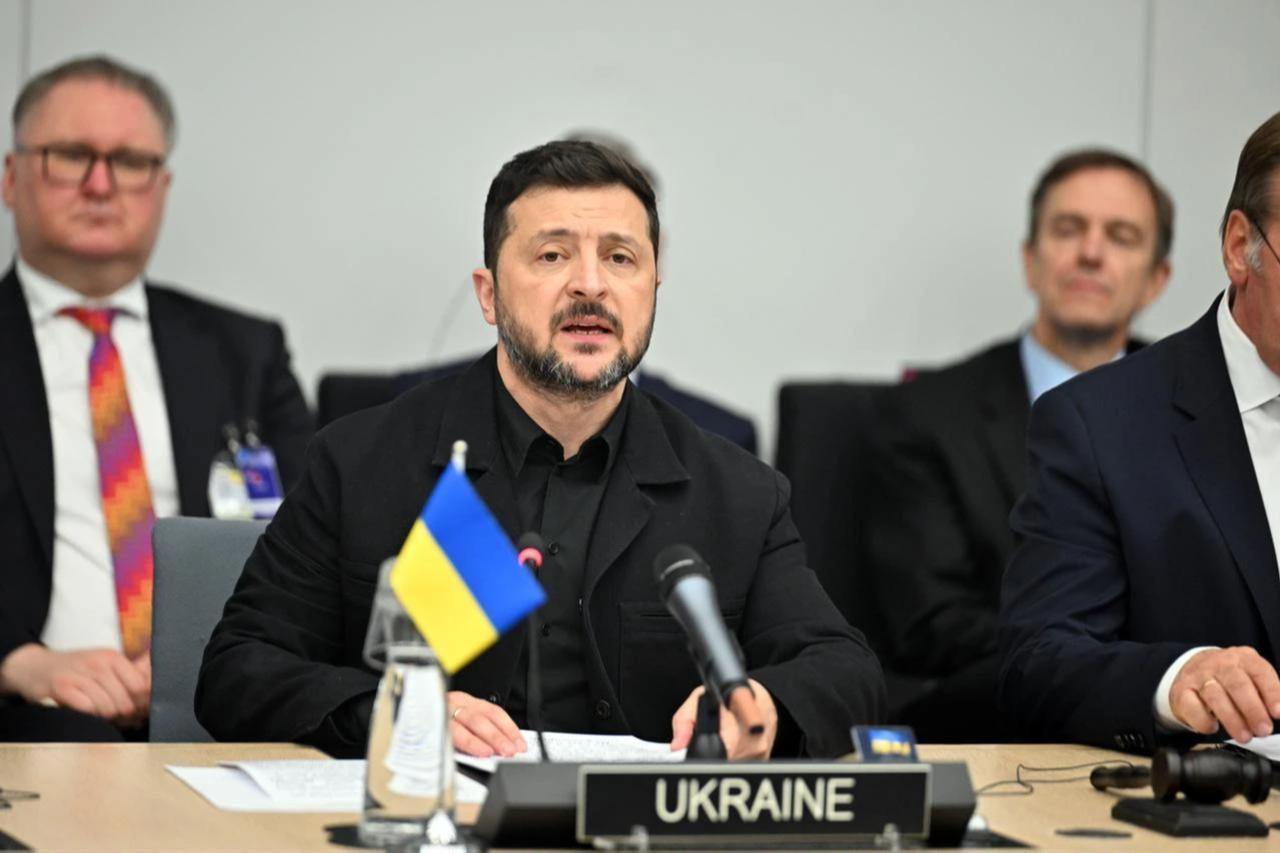
Writing on X after the meeting, Zelenskyy said he was grateful to Türkiye and to Fidan personally "for the efforts to bring peace closer," and that the two sides had discussed the diplomatic situation as well as steps that could reinvigorate efforts toward a settlement.
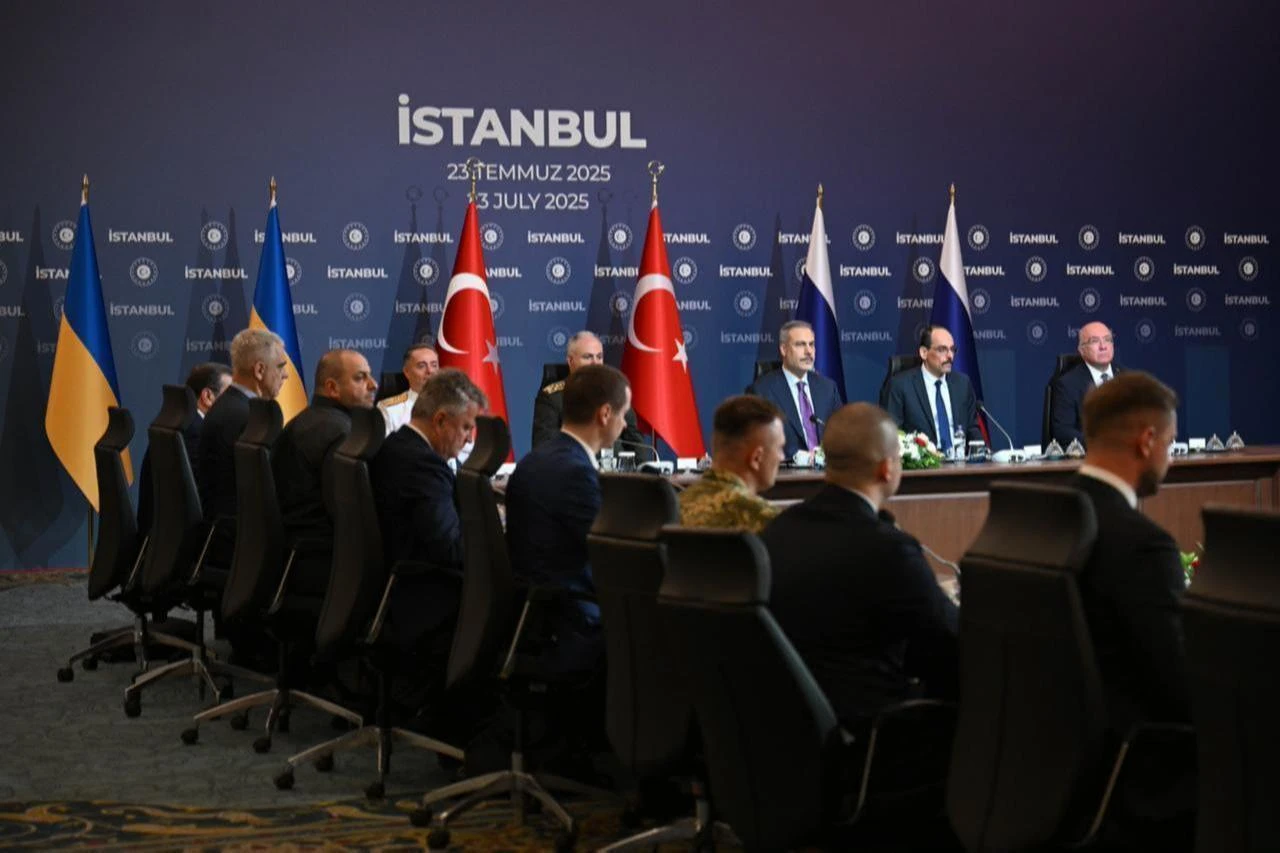

At a joint news conference with Ukrainian Foreign Minister Andrii Sybiha, Fidan urged both parties to the conflict to keep the Istanbul negotiation process alive, describing it as the most productive framework currently available.
"The fact that the war is continuing does not mean negotiations in this format cannot continue," he said.
Türkiye has hosted multiple rounds of direct Russia-Ukraine peace talks in Istanbul since the conflict's early weeks, with the most recent sessions held in May, June and July 2025, none of which produced a breakthrough on ceasefire terms. Fidan said that following those talks, American negotiators had become engaged in an effort to determine whether a more decisive and tangible outcome could be achieved.
He acknowledged the limits of progress so far, warning that "the risk of escalation is increasing," and said that new strategic approaches are being explored with the parties and mediators to break the current deadlock.
Fidan indicated that during his recent visit to Moscow he had been told at the highest level that both sides are psychologically prepared for a ceasefire, and that neither had ruled out meeting under the mediation of Türkiye or the United States, a development he called highly significant for the negotiation process.
He cautioned, however, that significant gaps remain, particularly on issues Ukraine considers unacceptable. "That is precisely what negotiators should be working on at the moment," he said.
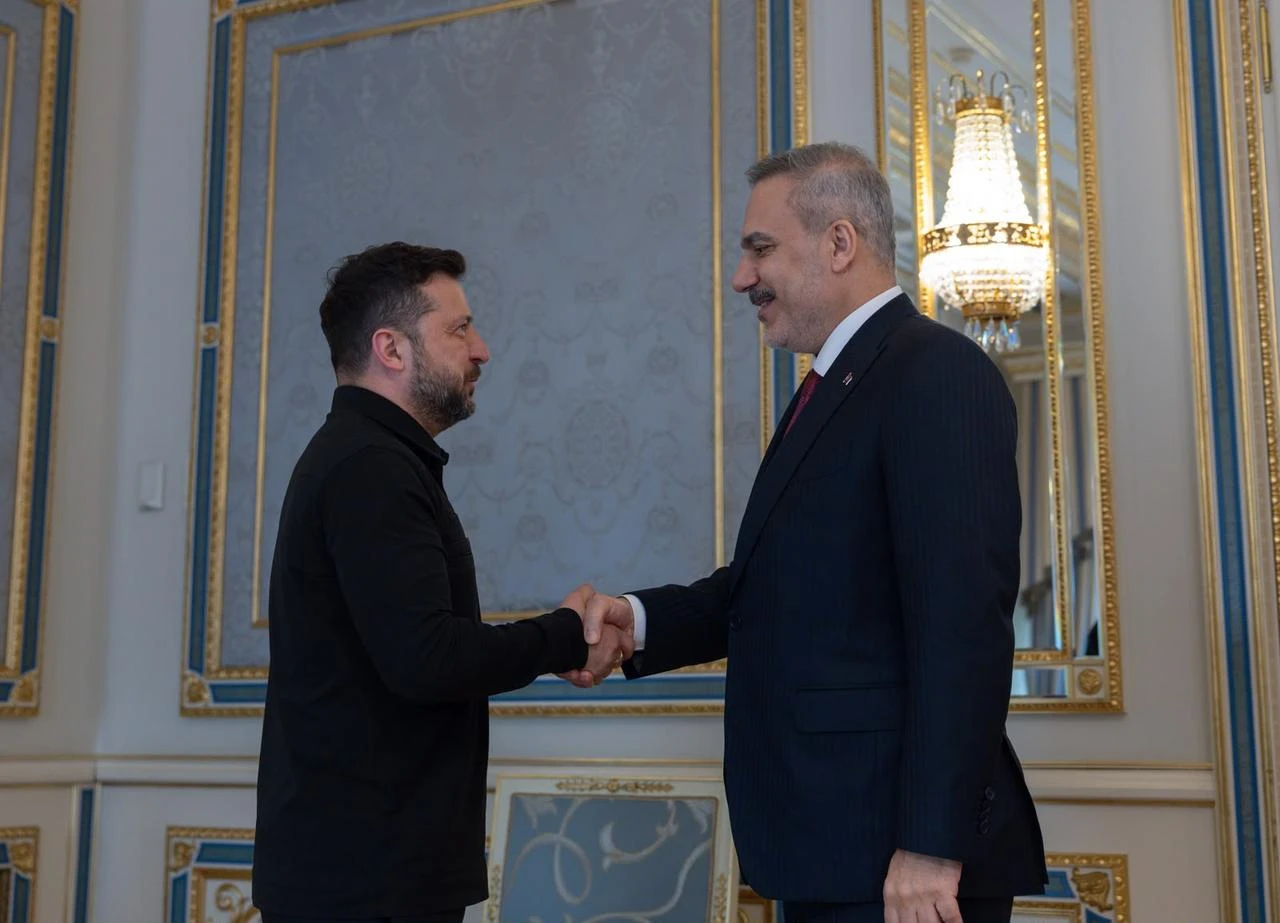
Fidan stressed that the risk of the conflict spreading, which Ankara has warned about since the war began, remains acute.
He said that attacks on ports, tankers and fishing vessels in the Black Sea were putting civilian lives at risk and could not be justified. "We do not want the war to be carried into the Black Sea," he said.
Fidan called freedom of navigation and commercial security in the Black Sea vital interests for Türkiye and for all Black Sea states, noting that he had raised the matter with the Russian side in Moscow and intended to raise it again in further meetings the same day.
He recalled a United Nations proposal that, even as the war continues elsewhere, the parties commit to guarantees on energy security and navigation in the Black Sea to protect global grain supplies.
In the absence of a comprehensive ceasefire, Fidan proposed a more limited arrangement: a moratorium on attacks in areas of critical shared concern. "Black Sea security and energy security, our alternative proposals on these issues remain on the table for the parties' consideration," he said, adding that Ukraine shares a serious common understanding with Türkiye on those points.
On the question of post-war security arrangements for Ukraine, Fidan said that any viable peace agreement would need to include guarantees covering land, sea and air components. He confirmed that Ankara has agreed to take the lead on the maritime dimension, describing the arrangement as one that already enjoys allied consensus and is being advanced through naval planning by the relevant countries.
On the economic front, Fidan welcomed the Ukrainian parliament's ratification of the Türkiye-Ukraine Free Trade Agreement on July 14, the day before his visit, calling it a turning point that would elevate the two countries' economic relationship to a strategic level in the post-war period.
The agreement, originally signed in Feb. 2022, had awaited ratification by both parliaments for more than three years. Türkiye completed its own ratification process in 2024.
Fidan expressed confidence that bilateral trade, which reached $6.6 billion in 2025 despite wartime conditions, would grow substantially once the agreement enters into force. He also underlined the importance of cooperation in energy and transport, arguing that Türkiye's infrastructure represents the most reliable route for supplying goods and supporting Ukraine's energy security.
During his visit, Fidan also stopped at Independence Square to commemorate Ukrainians killed in the war, and held separate meetings with Mustafa Kirimoglu, leader of the Crimean Tatar community and a member of the Ukrainian parliament, and Refat Chubarov, chairman of the Mejlis of the Crimean Tatar People.


 Set as preferred source
 Set as preferred source


 1 min read
 1 min read