Newsletters


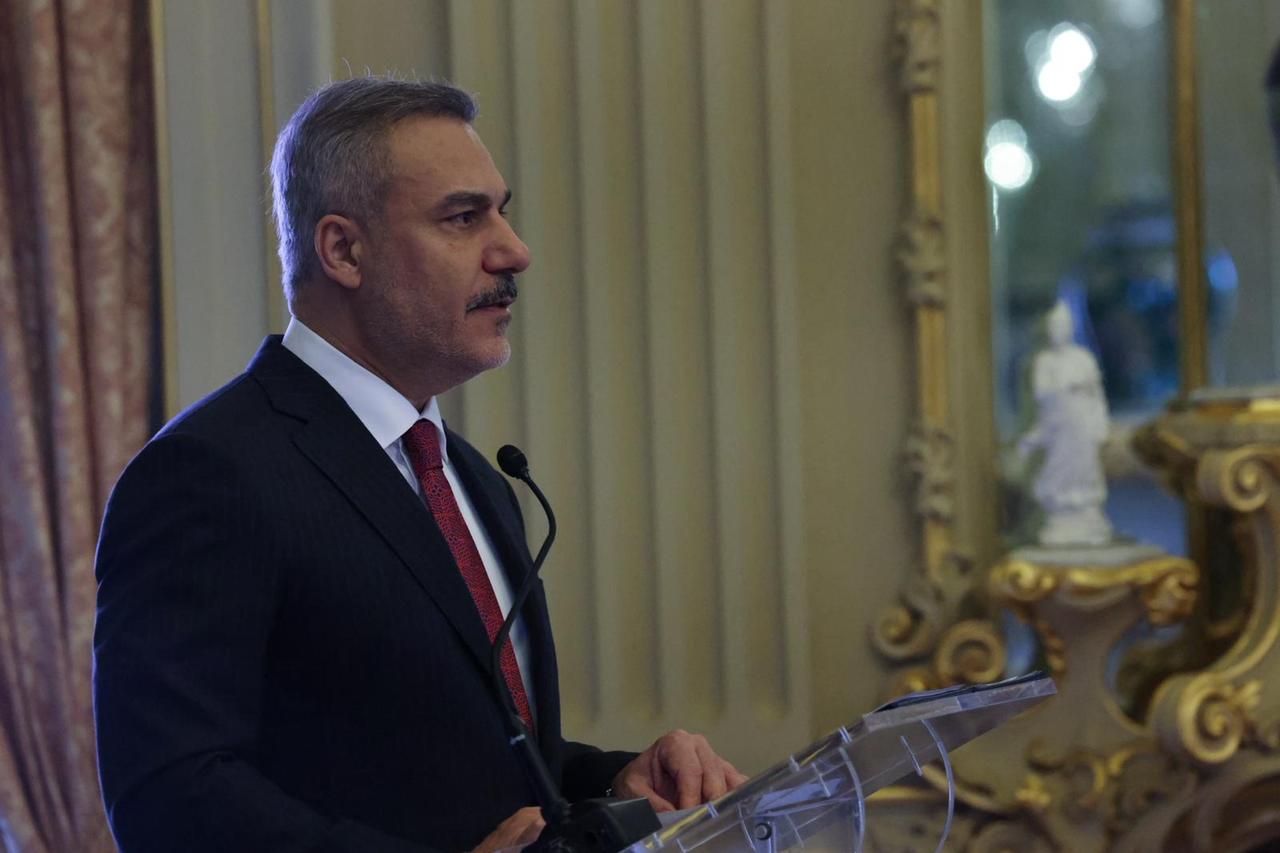


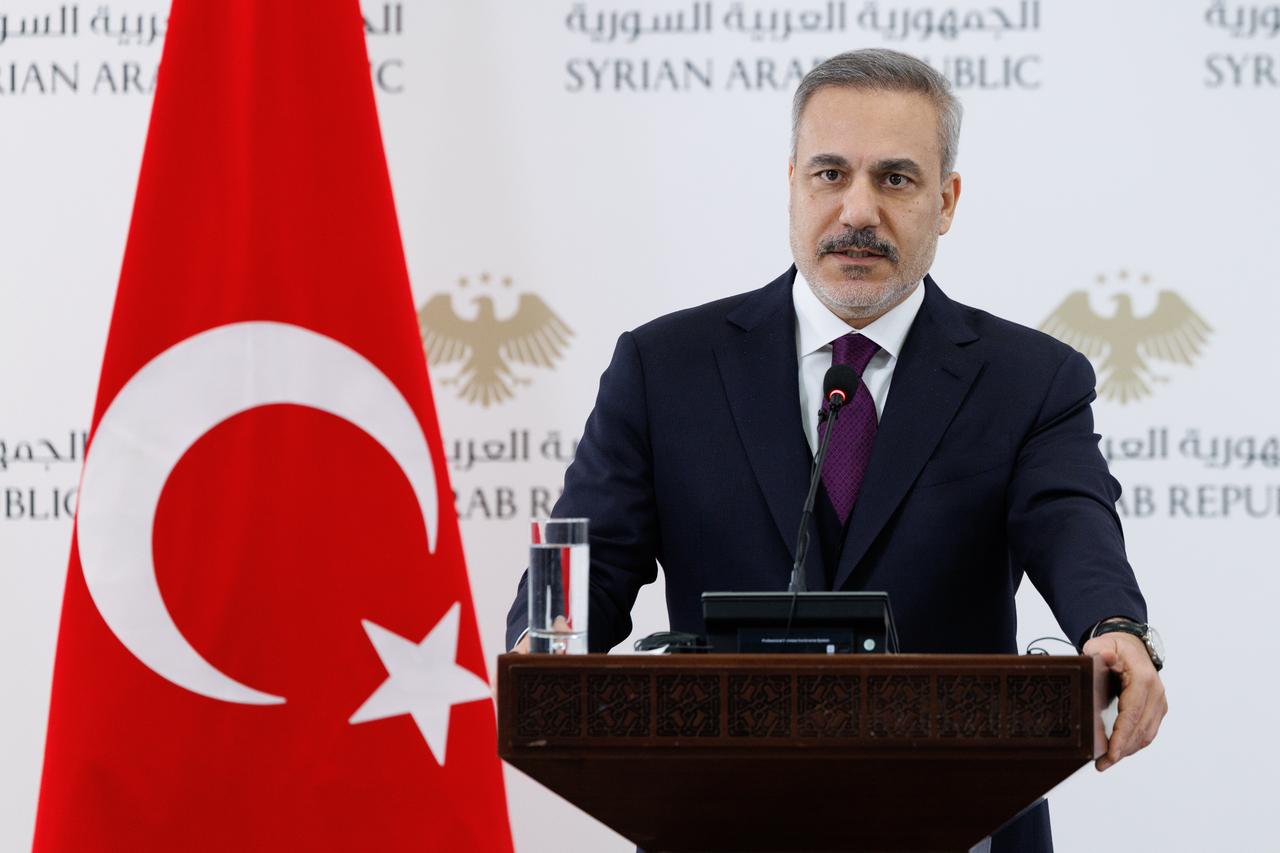
Foreign Minister Hakan Fidan urged European nations to take greater responsibility for their own security during a speech at the Portuguese Foreign Ministry Ambassadors Conference in Lisbon, warning that the continent cannot outsource its defense to other powers.
Speaking at the conference during a working visit to Portugal, Fidan emphasized the existential nature of Europe's security challenges. "As Europeans, we are all in the same boat. Ensuring the security and safety of our own home is an existential necessity. We cannot delegate our security to others," he said.
The Turkish minister's address comes as Türkiye and Portugal mark the 100th anniversary of establishing diplomatic relations.
Fidan characterized current global developments as more than a series of crises, describing them instead as the friction of historical transformation. He pointed to rising protectionism, increased use of hard power, deepening disputes, and a blurring line between peace and war.
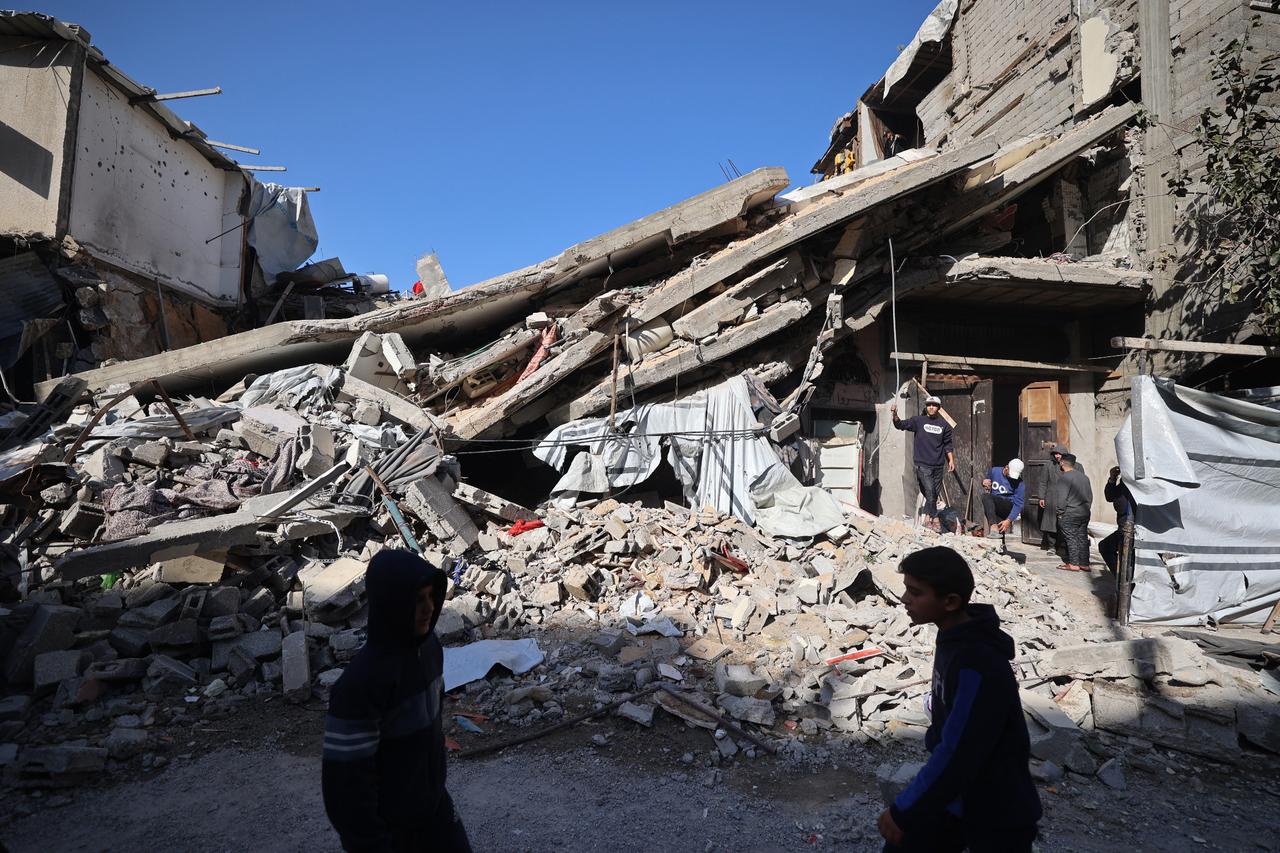
The minister identified Gaza as a bleeding wound for the region and stated that Türkiye stands ready to assume responsibility in governance and reconstruction mechanisms as a ceasefire approaches its second phase. He stressed that any peace plan must ultimately result in the establishment of a sovereign Palestinian state.
Fidan drew attention to what he called Israel's strategy of exporting instability, citing Prime Minister Benjamin Netanyahu's government recognition of Somaliland as another manifestation of this approach. "Netanyahu's government recognition of Somaliland is another manifestation of a strategy that exports instability by undermining the territorial integrity of countries in the region," he said.
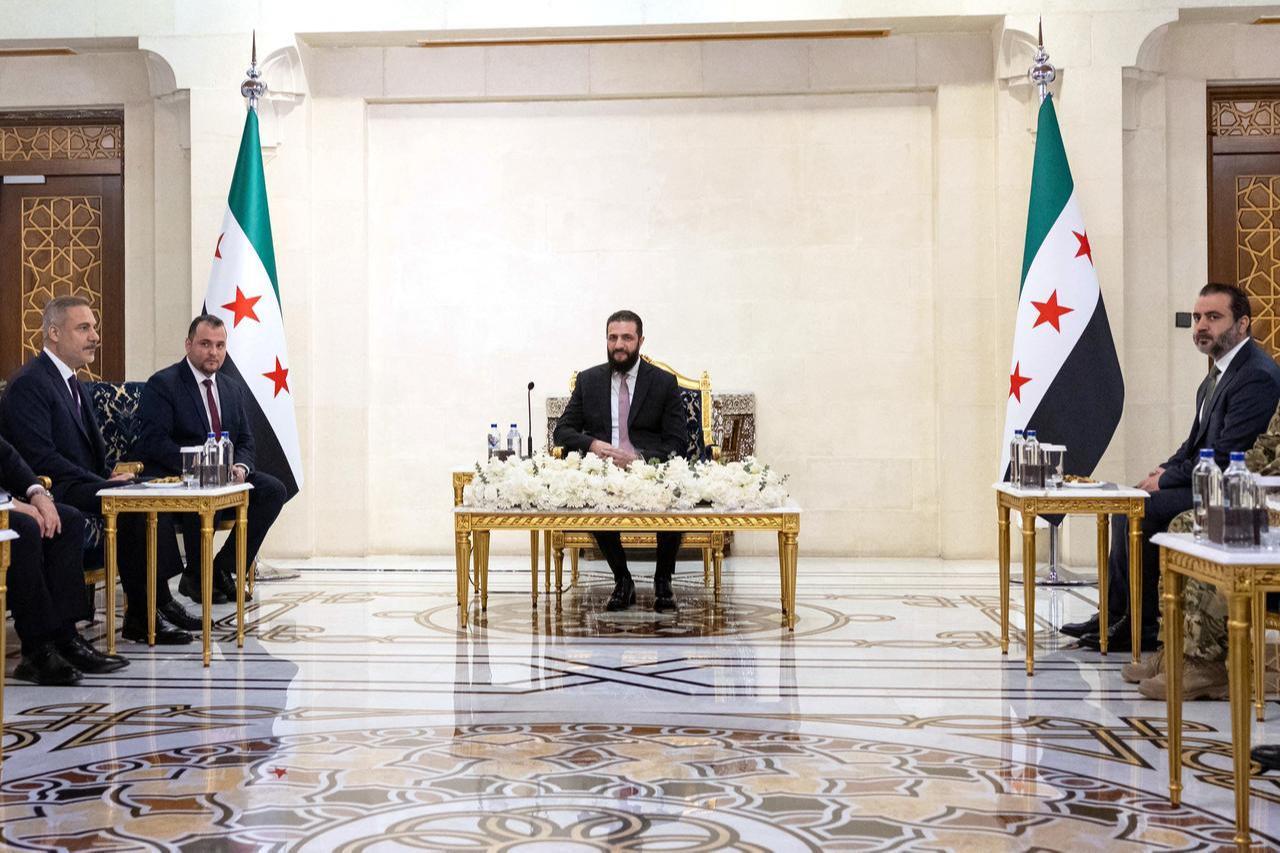

The foreign minister noted an opportunity to establish stability in Syria through constructive engagement. He argued that a stable and functioning Syria is necessary not only for regional peace but also for promoting socioeconomic recovery and preventing irregular migration—outcomes that directly benefit Europe.
Fidan highlighted that threats now extend far beyond traditional battlefields, with artificial intelligence and new technologies reshaping the nature of conflict. Those who combine technology with strategy will have a decisive advantage, he assessed.
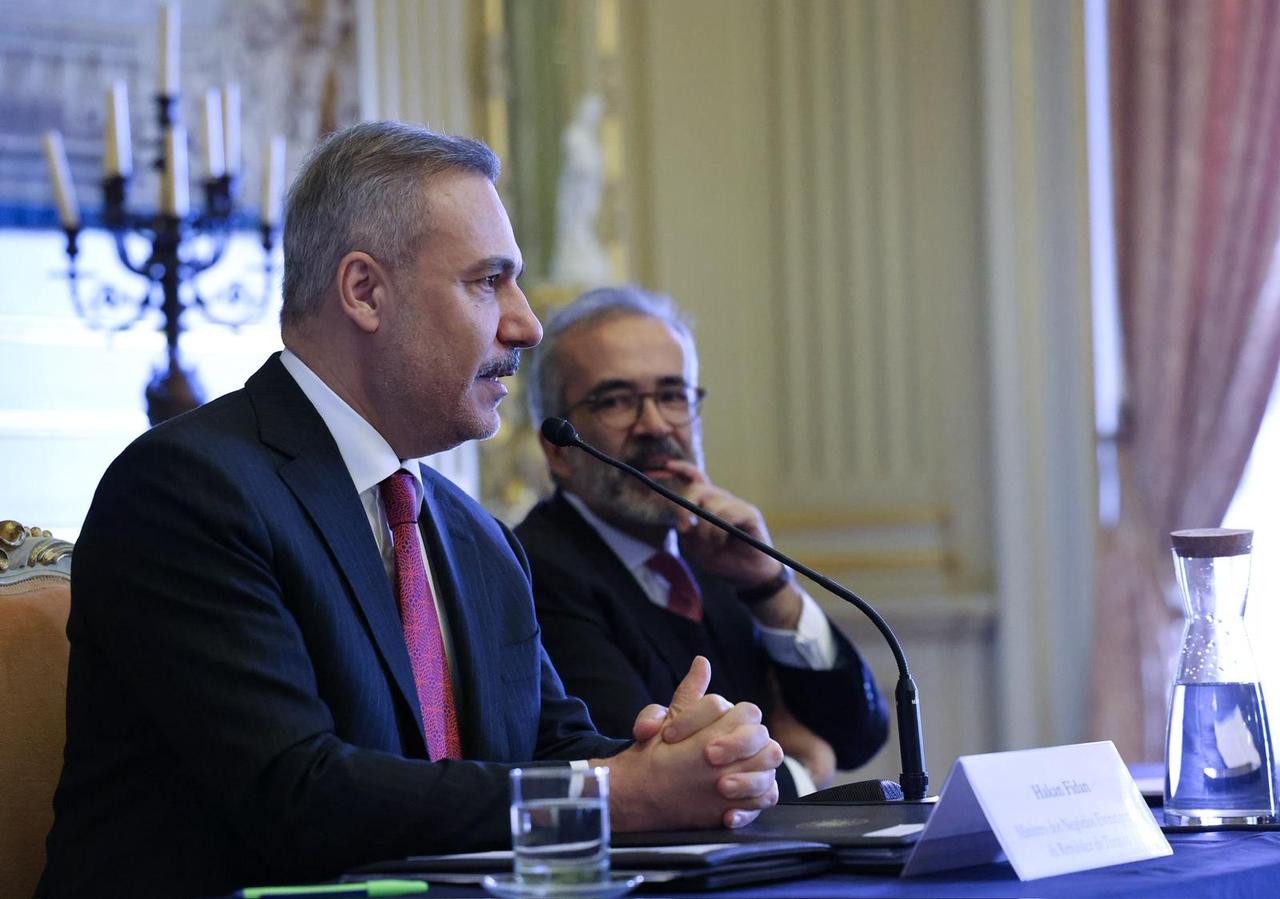
Fidan expressed frustration over Türkiye's long-standing exclusion from the European Union's security and defense mechanisms, despite the bloc's formal commitments to cooperate with non-member NATO allies. He attributed this situation to a small number of member states placing narrow national agendas ahead of Europe's broader strategic interests.
The minister positioned Türkiye as a significant actor capable of accelerating the success story Europe needs, pointing to the country's demographic dynamism, economic potential, and security capacity.
The Ukraine war and shifting U.S. strategic priorities leave Europe with no choice but to assume greater responsibility for its own security, Fidan argued. He urged against succumbing to fatalism during this period of transformation, calling for active management of change within a system lacking sufficient safeguards.


 Set as preferred source
 Set as preferred source


 1 min read
 1 min read