Newsletters


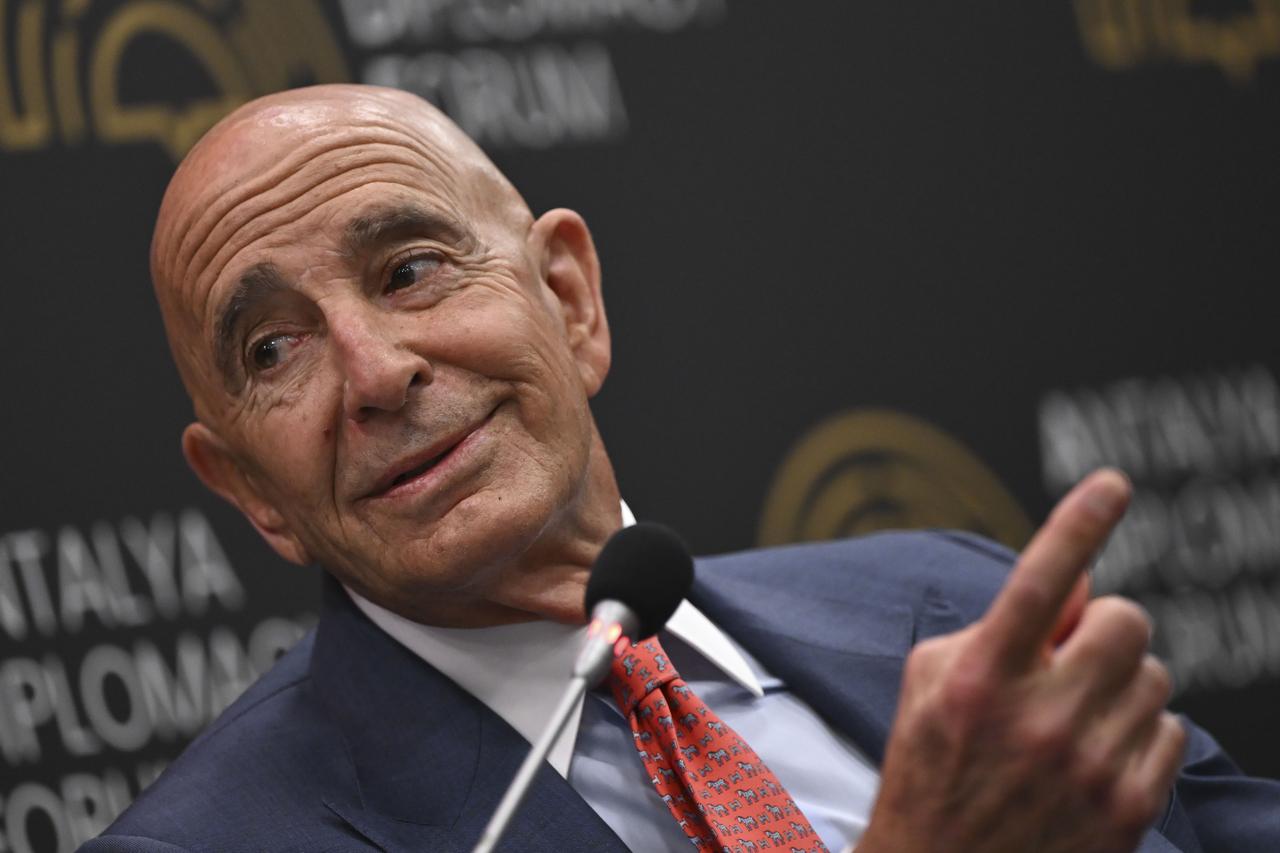


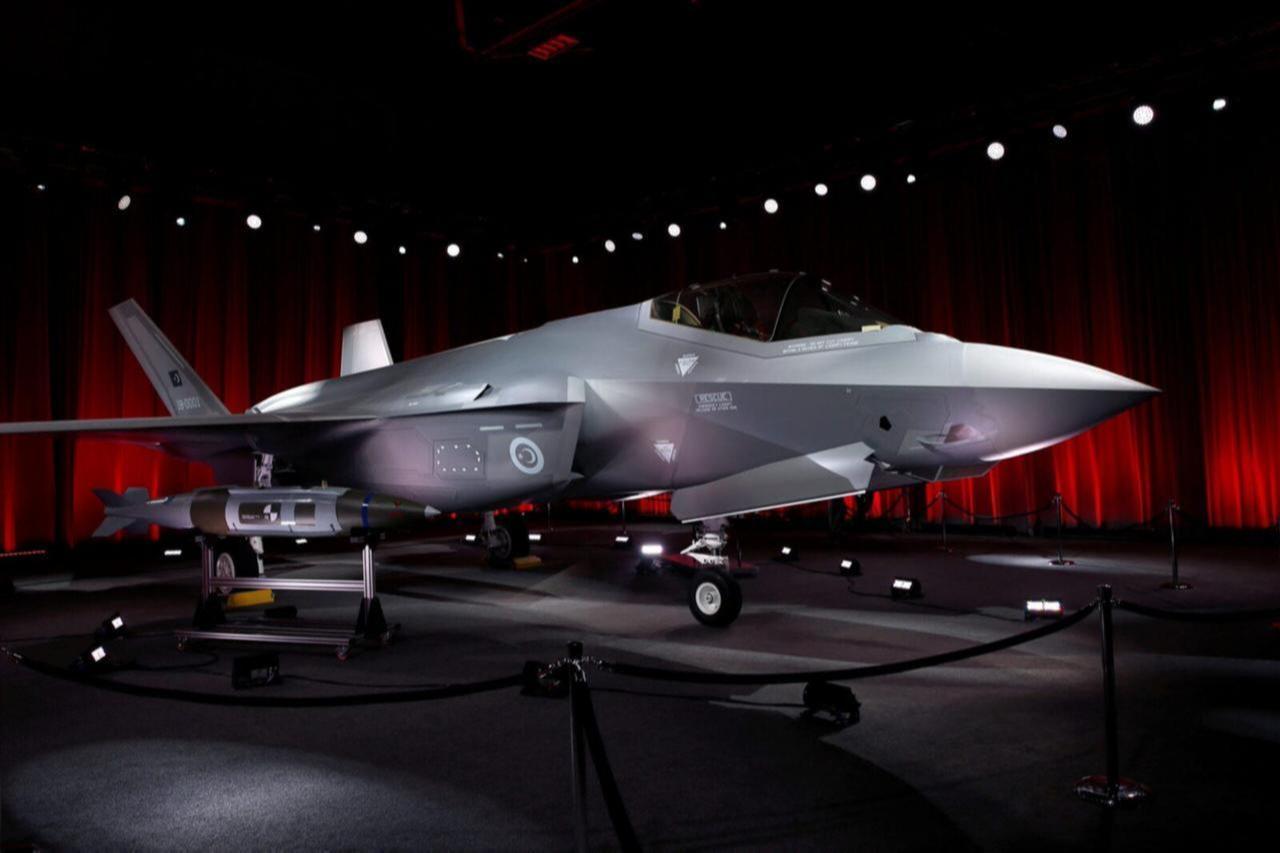
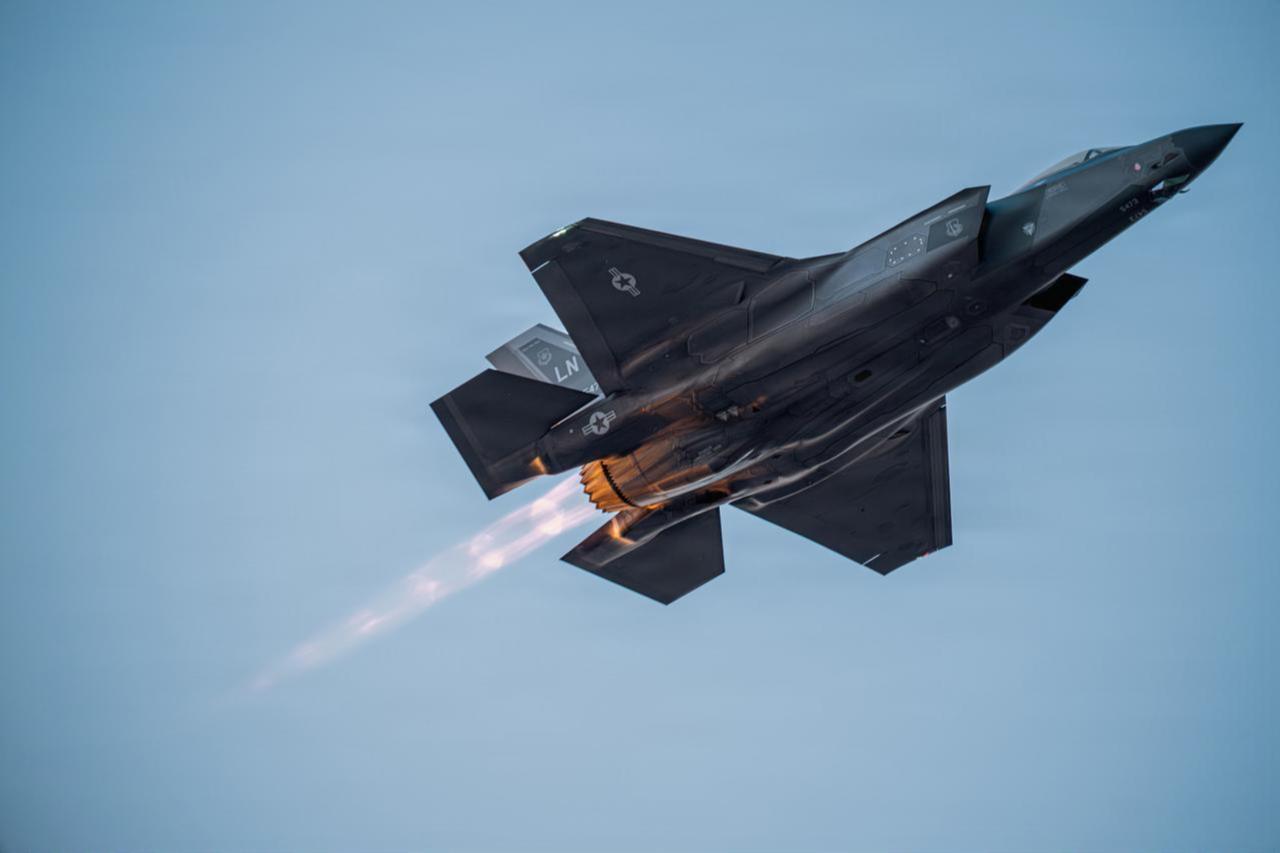
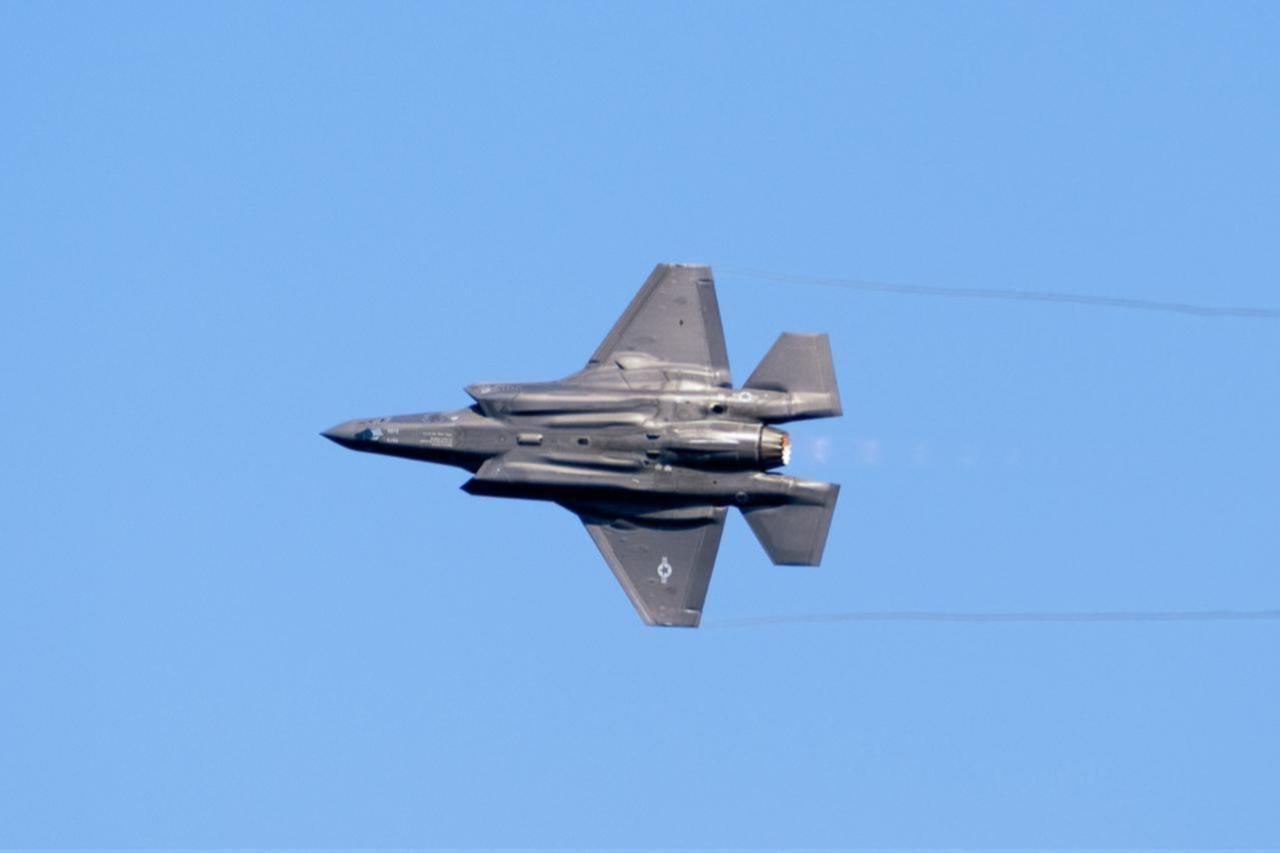
The U.S. ambassador to Türkiye and special envoy for Syria is signaling that a resolution to Türkiye's years-long exclusion from the F-35 fighter jet program could be within reach, calling the impasse "insane" and predicting a breakthrough within months, even as his broader remarks at an international forum this week continue to draw fire from lawmakers in Washington.
Tom Barrack, speaking at the Antalya Diplomacy Forum on April 17 and later in exclusive written answers to Fox News Digital, said Secretary of State Marco Rubio is positioned to resolve the dispute through what he called "surgical diplomacy," underpinned by the personal rapport between President Donald Trump and President Recep Tayyip Erdogan.
The comments came amid a broader controversy over remarks Barrack made at the same forum that appeared to equate Israel with the U.S.-designated terrorist organization Hezbollah and that endorsed strongman governance as the only model that works in the Middle East.
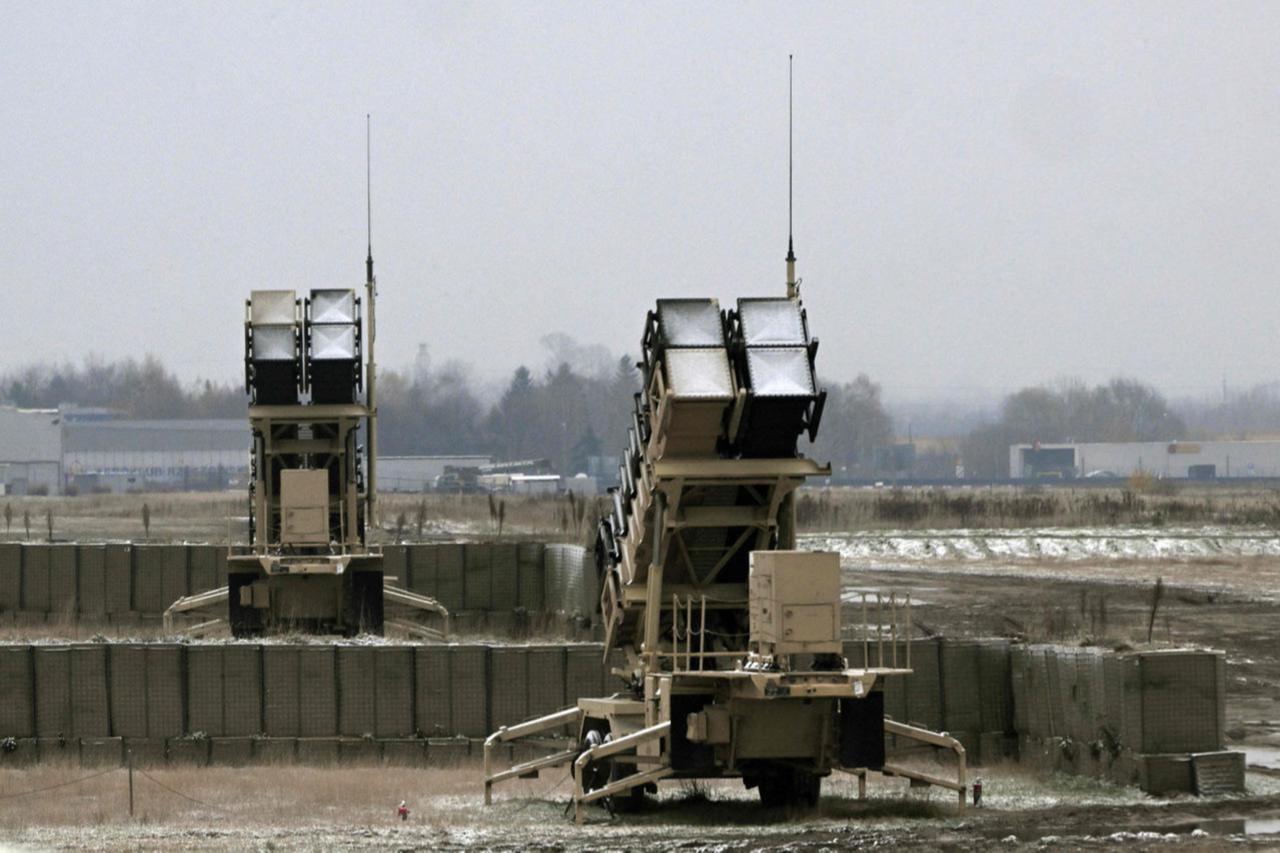
Türkiye was expelled from the F-35 program in 2019 after purchasing Russia's S-400 air defense system, which U.S. officials warned could allow Moscow to gather intelligence on the stealth aircraft. Under Section 1245 of the National Defense Authorization Act, readmission requires the president to certify to Congress that Ankara no longer possesses or operates the S-400 and that the system poses no risk to F-35 technology.
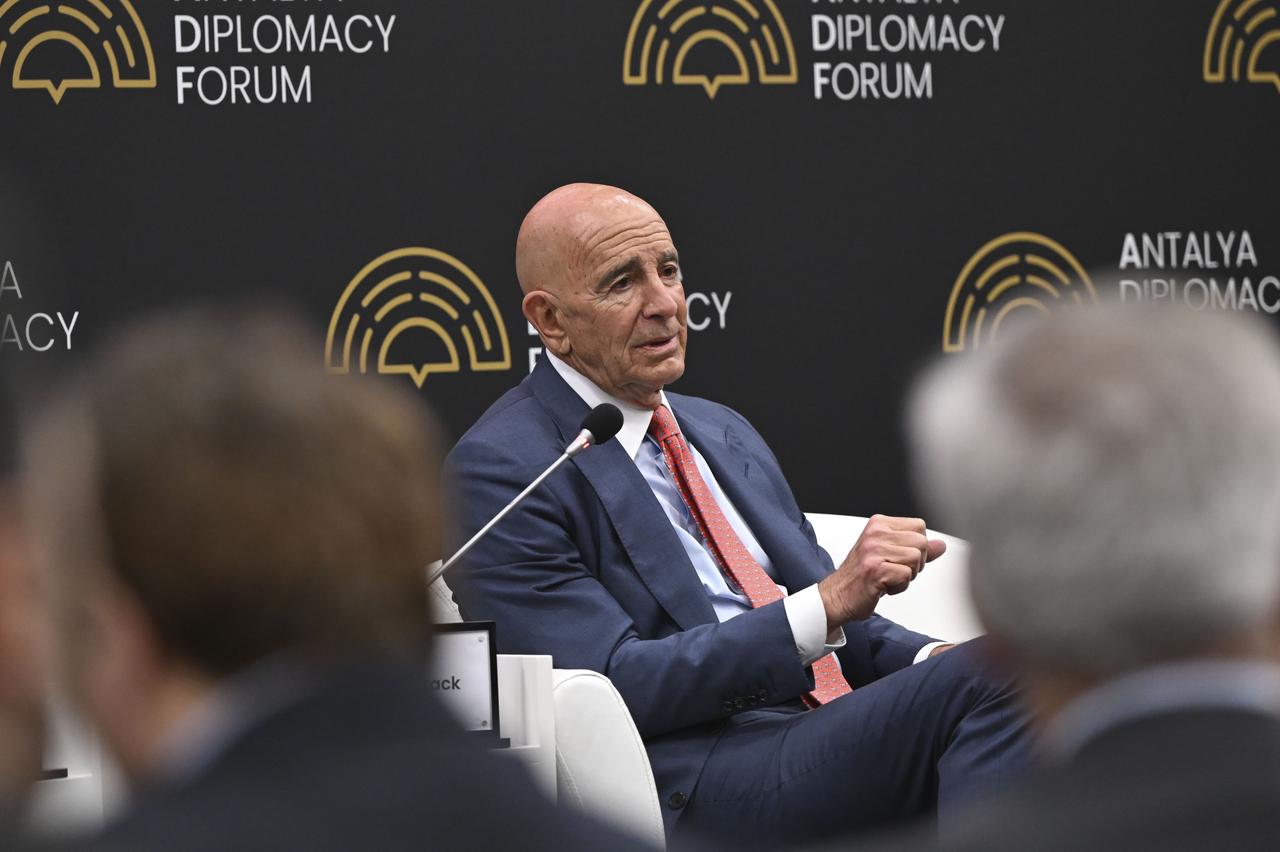
Barrack was explicit that any deal would clear that legal bar. "There will be no shortcuts on American security standards," he said, describing the required steps as verifiable cessation of S-400 possession and operability, backed by formal certifications from the secretaries of Defense and State.
He framed a resolution as a strategic imperative, arguing that Türkiye remains a vital NATO ally hosting critical U.S. assets, and that prolonged sanctions have handed Russia an unnecessary wedge inside the alliance.
"NATO unity against Russia and China is a core U.S. national security interest," he said, casting the F-35 impasse as a self-inflicted liability. He described his use of the word "insane" as "blunt common sense," and portrayed a resolution as consistent with what he called "classic Trump deal-making: enforce the law, protect our technology and rebuild alliances that advance American strength."
The optimism met an immediate wall on Capitol Hill. Sen. Rick Scott, R-Fla., responded to Barrack's forum remarks by declaring that Türkiye would receive neither F-35s nor F-16s, accusing Ankara of funding Hamas and the Muslim Brotherhood and maintaining close ties with Russia and Iran.
Scott's reaction illustrated the depth of congressional resistance any White House-backed resolution would face, particularly against the backdrop of Barrack's other controversial statements from the same event.

Barrack's F-35 signaling landed alongside comments that drew equally sharp criticism on different grounds. At the Antalya forum, he described the Israel-Hezbollah ceasefire as a "time out" and said "everybody has been equally untrustworthy," language critics said drew a false equivalence between a close American ally and a group the United States has designated a terrorist organization since 1997.
In his written responses, Barrack rejected that reading, calling it a straightforward acknowledgment of fragile ground realities and insisting his remarks in no way soften Washington's position on Hezbollah.
He also defended his statement that the goal is "not killing Hezbollah," arguing that decades of military pressure alone have failed to dislodge an organization that Iran continues to arm and fund. The objective, he said, is to degrade Hezbollah's terrorist infrastructure until Lebanese state authority and diplomacy can take over, a strategy he described as consistent with the administration's maximum pressure posture.
Perhaps the most ideologically freighted of Barrack's comments was his assertion at the forum that "the only thing that's worked, the only thing, are these powerful leadership regimes: either benevolent monarchies, the kind of monarchical republic."
In his follow-up responses, he stood by the framing, pointing to Gulf monarchies as examples of governments that have delivered security, economic modernization and tangible improvements in quality of life, while contrasting them with states that attempted rapid democratic transitions after the Arab Spring and descended into instability.
He cited Israel as a democratic outlier that has succeeded under strong leadership, and described Türkiye under Erdogan as a model of stability and regional influence, while conceding that critics characterize it as a hybrid regime with authoritarian tendencies.
Barrack insisted the remarks were descriptive rather than prescriptive, framing them as a realistic account of conditions under which human rights and prosperity can eventually take root. "Deal with the world as it is, not as we wish it to be," he said.


 Set as preferred source
 Set as preferred source


 1 min read
 1 min read