Newsletters


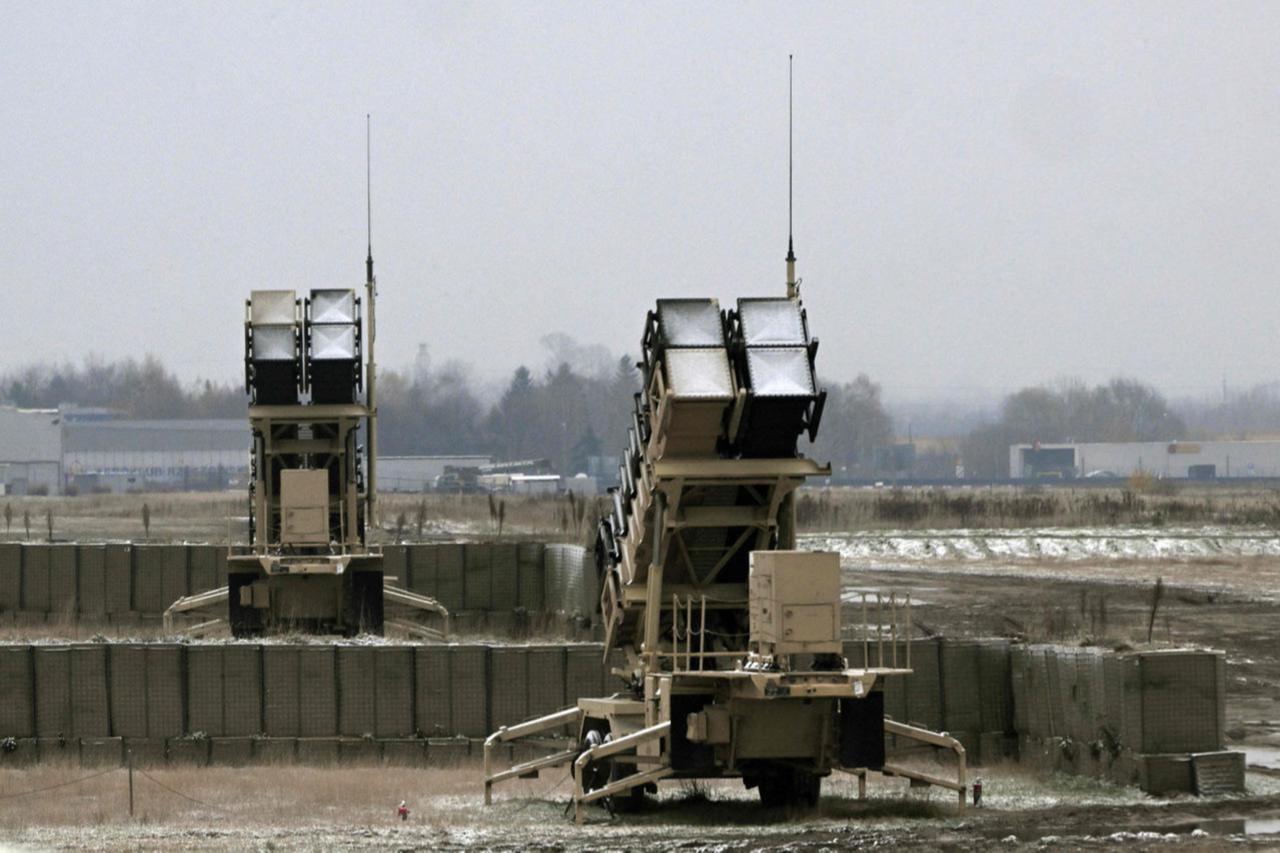


The United States has redirected Swiss funds earmarked for F-35 fighter jets to finance Patriot air defense systems, effectively circumventing a payment freeze imposed by Bern last fall, Swiss Radio and Television (SRF) reported Thursday.
The revelation has rattled Swiss lawmakers across the political spectrum, raising pointed questions about the reliability of US defense agreements and the transparency of Washington's arms sales framework.
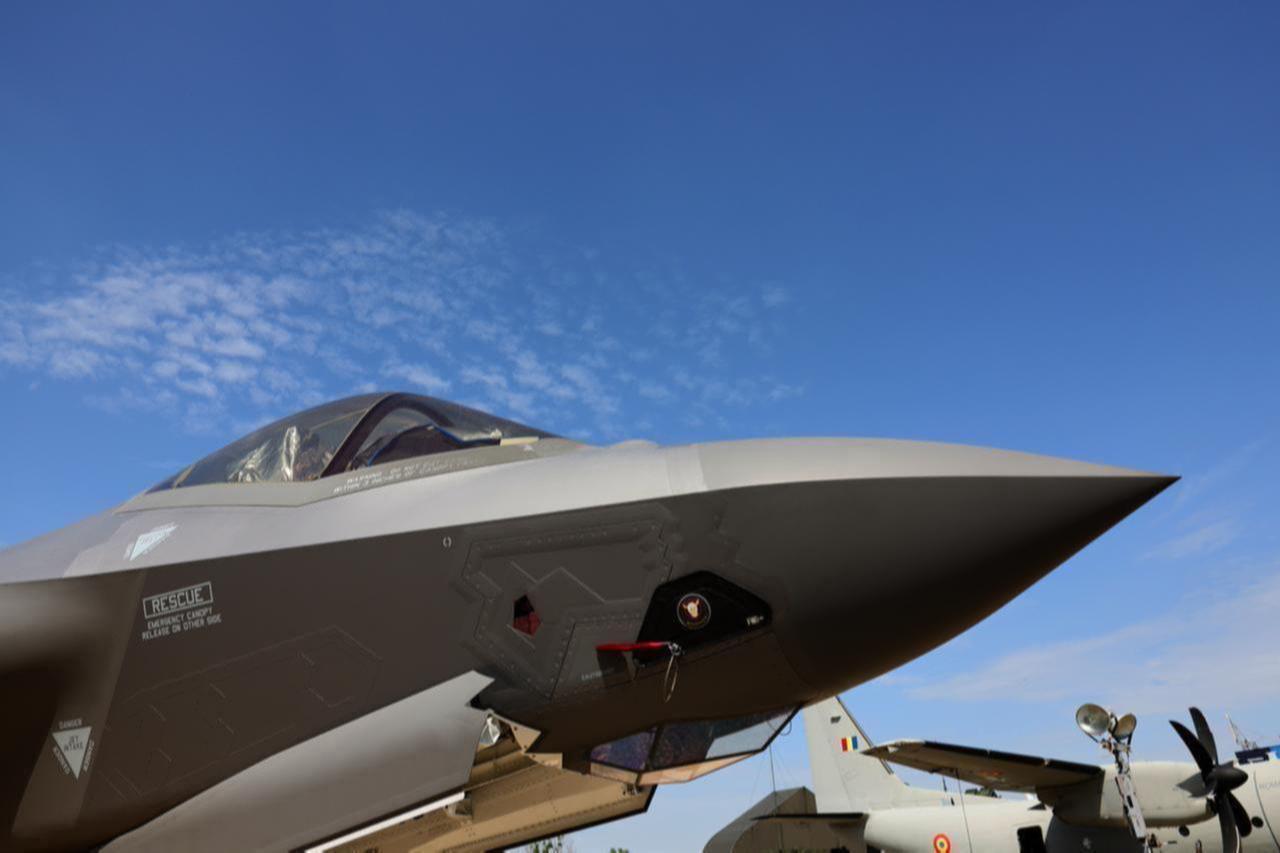

Switzerland halted payments for the Patriot system in the fall after being notified of multi-year delivery delays. However, the freeze has had limited practical effect due to the structure of the US Foreign Military Sales (FMS) program, which pools payments for multiple defense projects into a single fund, allowing US authorities to shift resources between programs as they see fit.
Urs Loher, head of armaments at armasuisse, Switzerland's federal defense procurement and technology agency, confirmed to SRF that US authorities had redirected the payments. He described the amount involved as "a low three-digit million amount," a sum well exceeding 100 million Swiss francs, or roughly $126 million.
The FMS program, administered by the US Defense Security Cooperation Agency, is the primary channel through which Washington conducts government-to-government arms sales with allied nations. Purchasing countries make advance payments into trust-like accounts, but the pooled structure of these accounts gives US authorities considerable discretion over how and when funds are allocated across contracts.
Loher called the situation "very unsatisfactory," warning that the diversion has opened budget gaps in Switzerland's F-35 acquisition program. To compensate, the Swiss Defense Ministry was forced to advance tens of millions of francs in late 2025, according to the SRF report. The US is expected to continue reallocating funds throughout this year despite the freeze remaining in place.
Switzerland selected the Lockheed Martin F-35A Lightning II in 2021 as the replacement for its aging fleet of F/A-18 Hornets and F-5 Tigers, in a deal valued at roughly 6 billion Swiss francs. The decision was politically contentious domestically and survived a narrow public referendum.
The disclosures have prompted sharp reactions in the Swiss parliament. Senator Werner Salzmann of the right-wing Swiss People's Party said it was "frustrating" that a payment freeze could be bypassed, adding that trust in Washington has been affected.
Senator Josef Dittli of the center-right Radical-Liberal Party echoed those concerns, suggesting Swiss authorities may not have fully anticipated a mechanism that allows funds to be moved between programs without the buyer's consent.


 Set as preferred source
 Set as preferred source


 3 min read