Newsletters


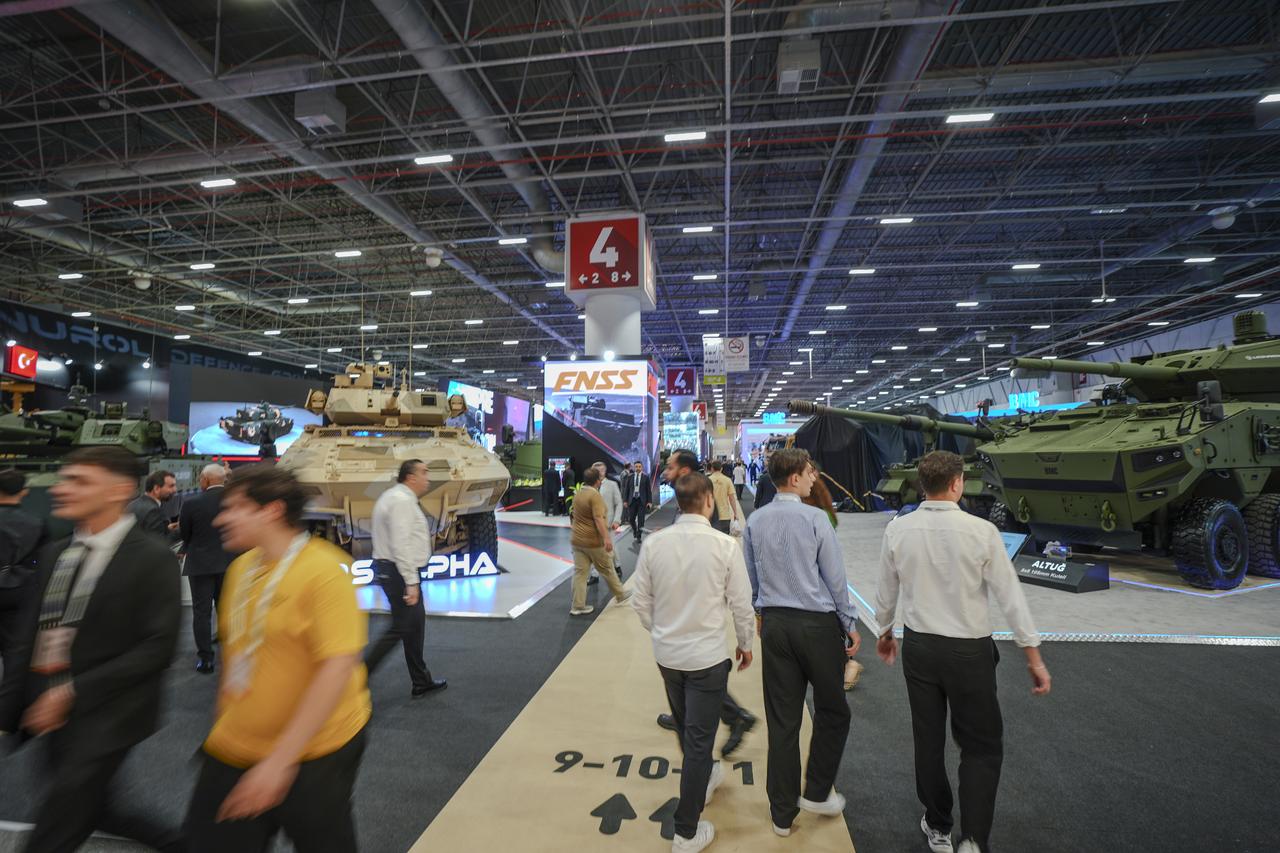


The Turkish defense industry will cross critical thresholds in 2026, Defense Industries Presidency (SSB) Chairman Haluk Gorgun announced on Monday.
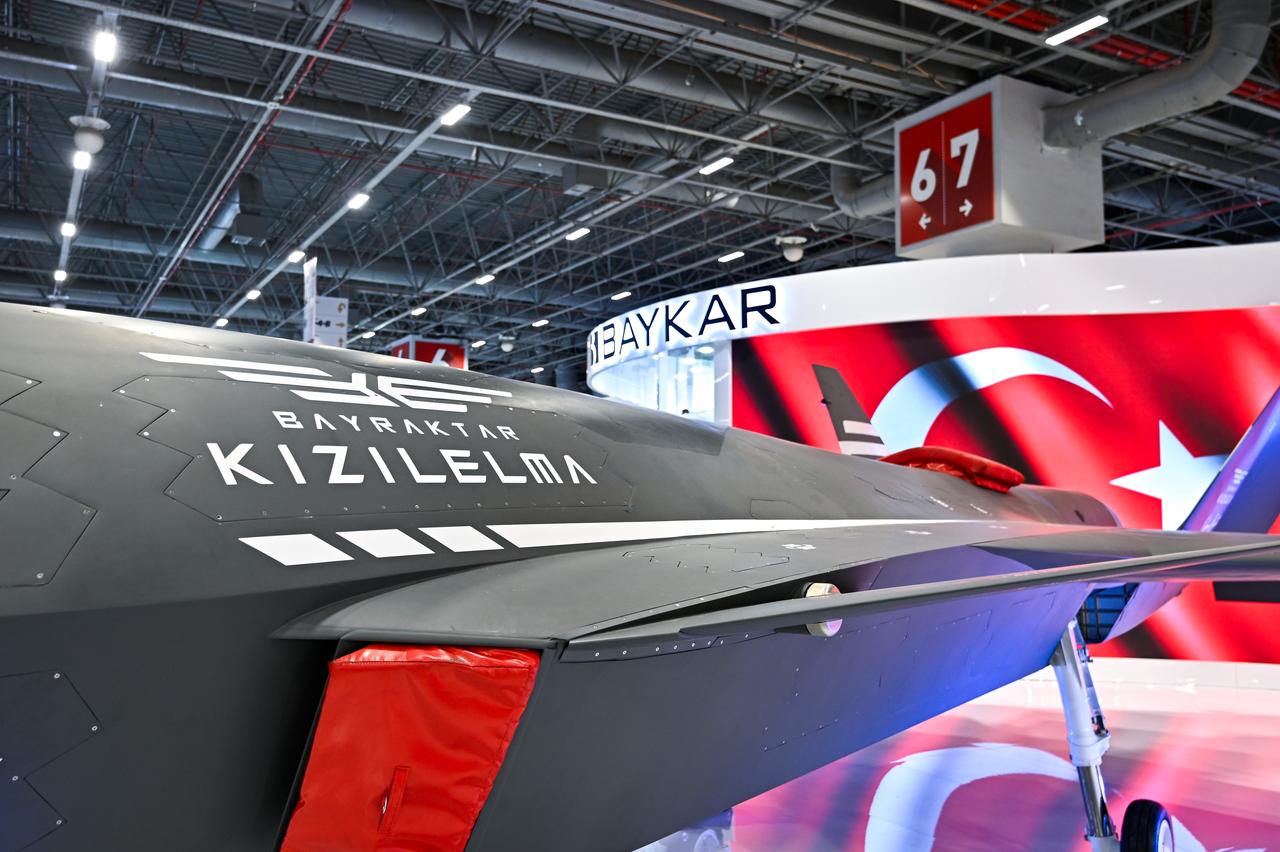
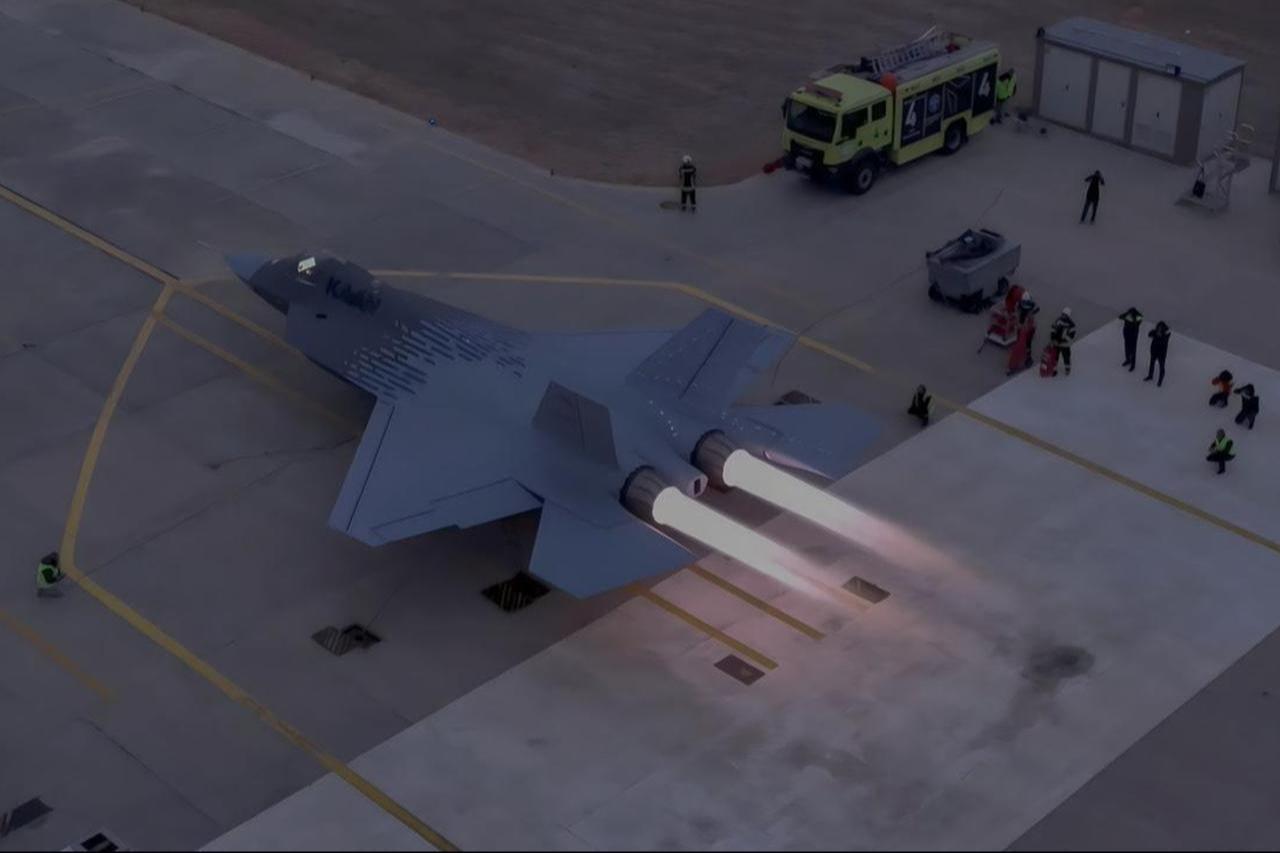
The benchmarks include the first delivery of Baykar's Bayraktar Kizilelma unmanned combat aircraft and the signing of the Turkish Aerospace Industries (TAI) KAAN fighter jet serial production contract.
The delivery of "double-digit" numbers of Altay main battle tanks (MBT) to the Land Forces is also expected.
Speaking at the 5th Global Strategies in Aerospace and Defense Industry Conference, Gorgun outlined an ambitious agenda spanning aviation, naval, electronic warfare and emerging technologies for the coming year.
Gorgun said 2026 will be a critical threshold year in aviation for platforms, engines and unmanned systems.
Key aviation milestones include:
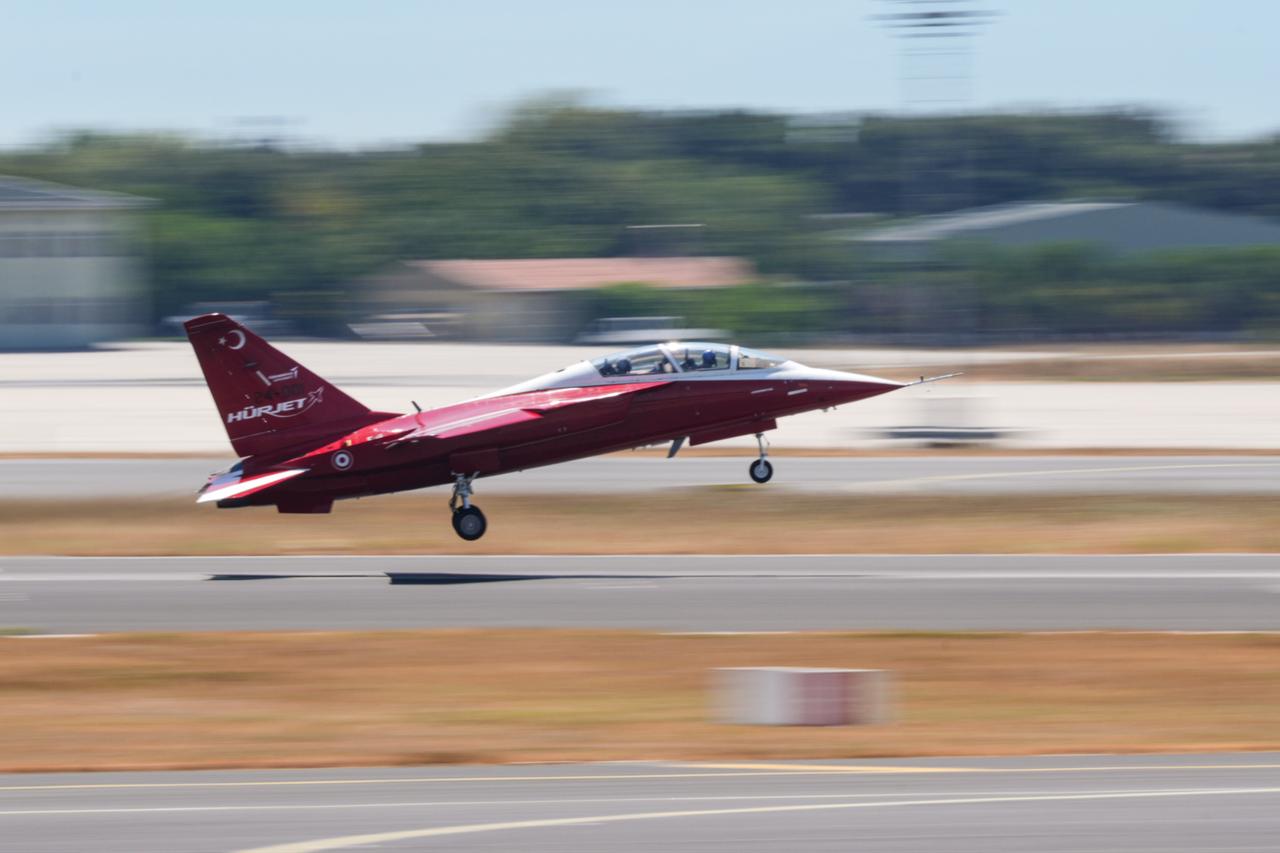
TAI CEO Mehmet Demiroglu also stated that the Hurjet Block 0 aircraft will fly this year, with the first expected in May-June. Test flights with the KAAN prototype are targeted to begin at the end of April.
Under the Altay Serial Production Project, "double-digit" numbers of Altay tanks will be delivered to Land Forces this year.
Fifteen medium-class unmanned ground vehicles (UGVs) will enter the inventory in different configurations, with serial production projects launched.

The National Combat Aircraft Indigenous Engine Development Project will complete the Preliminary Design Review (PDR) process and sign the Critical Design Review (CDR) contract, Gorgun announced.
TUSAS Engine Industries (TEI) CEO Mahmut Aksit described this as "the last critical design stage before the engine operates and flies."
On the Gokbey helicopter, the TS1400 turboshaft engine will be integrated with ground tests conducted on the platform. Aksit said the first serial production engines assembled according to certification rules were completed on Jan. 3, marking "an important milestone."
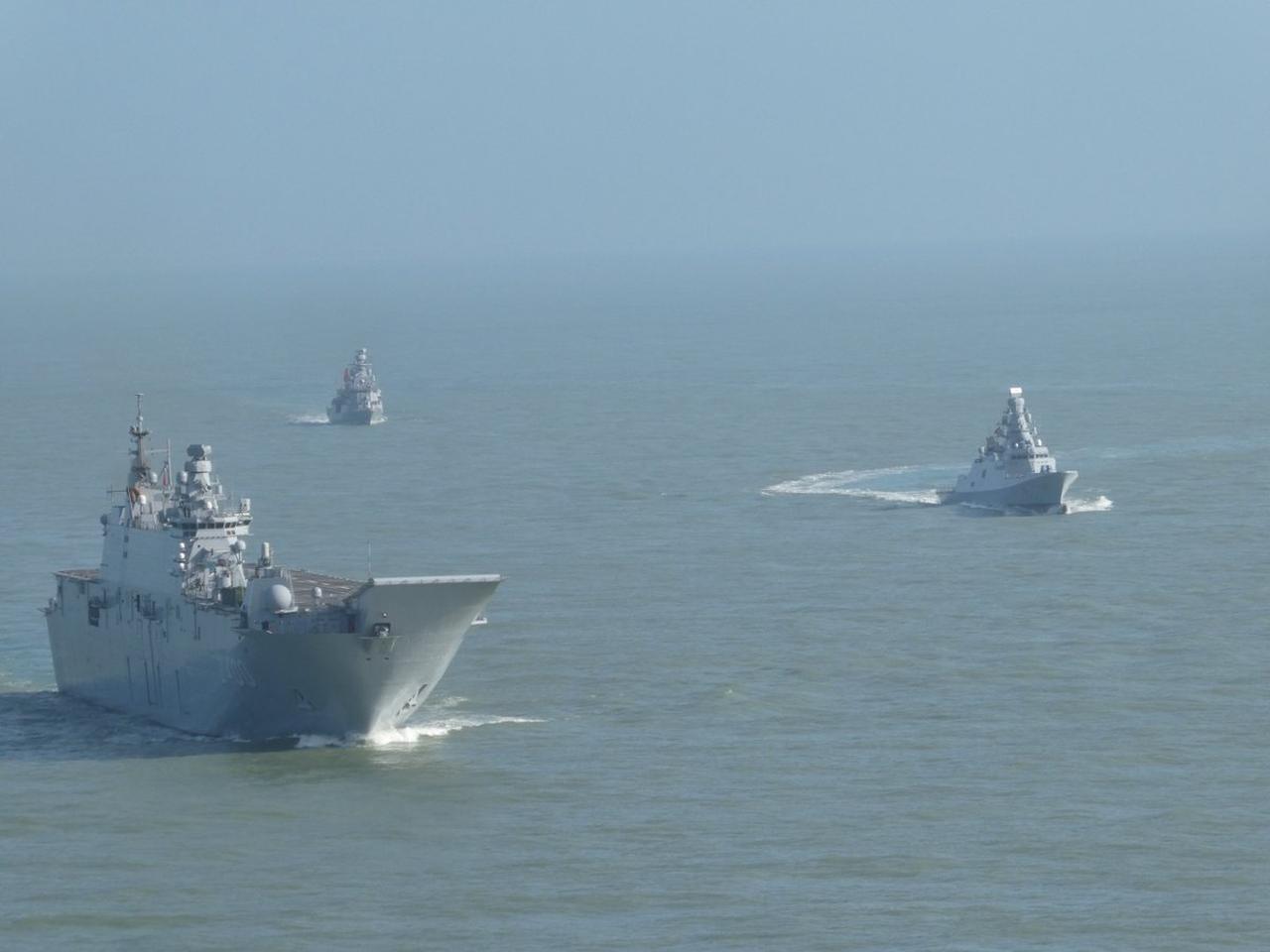
Naval deliveries for 2026 include:
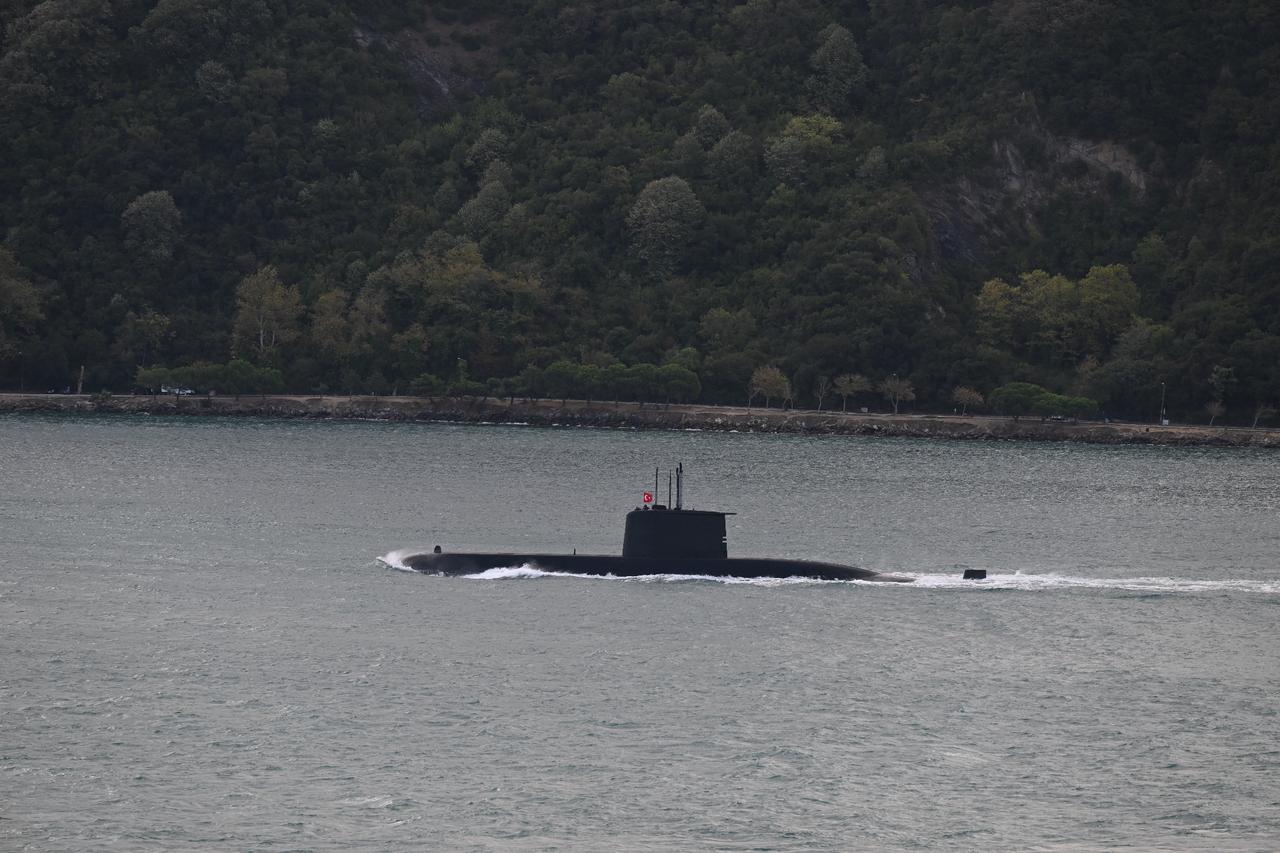
AKYA torpedo serial production will begin, and ATMACA weapon system capability will be added to submarines.
Türkiye will also enter the class of countries possessing high-powered laser weapon systems through the GIZEM Project contract.
 1 min read
Additional 2026 targets include:
The Gokbagi Project targeting near-orbit satellites and military 5G/6G communications infrastructure will launch in 2026. Contracts will be signed for developing superconducting quantum processing units (QPU) and using quantum magnetometers for GNSS-independent navigation and submarine detection.
The defense industry chief also highlighted a significant shift in talent retention: "In 2023, 339 engineers went abroad with only 47 returning. As of 2025, the balance has turned positive for the first time—98 engineers departed while 190 qualified experts rejoined our ecosystem."
Gorgun later reported that the sector's goods and services exports exceeded $10 billion in 2025, with $17.9 billion in new export contracts signed.
"We signed agreements on a scale we can call a 'golden age' in 2025," he said, adding that "KAAN to Indonesia, military ship exports to Portugal, Hurjet to Spain—these examples show what level of scale and trust has been reached."
Regional breakdown of new contracts: Asia-Pacific $5.5 billion, Europe $5.3 billion, Americas $3.3 billion, Middle East $2.2 billion, Africa $1.7 billion.
The sector now comprises over 4,000 companies, more than 1,400 projects, over 100,000 direct employees, more than $20 billion in revenue and over $10 billion in exports.


 Set as preferred source
 Set as preferred source


 1 min read