Newsletters


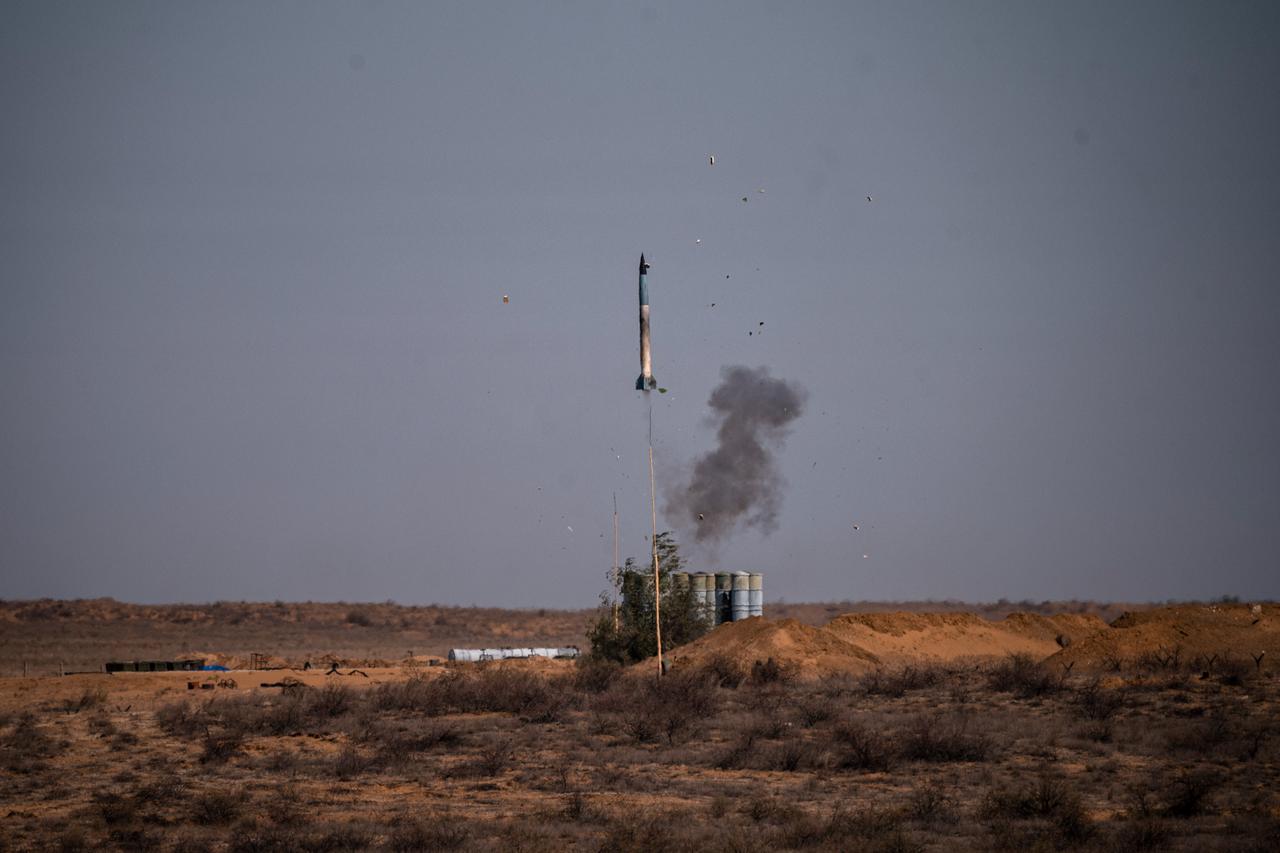


U.S. Ambassador to the Republic of Türkiye and Special Envoy for Syria Tom Barrack said he believes the S-400 dispute will be resolved in the next four to six months and called the decadelong F-35 controversy "insanity."
He also commented on the issue between Ankara and Tel Aviv, predicting Türkiye and Israel will "eventually restore" their trading relationship after Gaza.
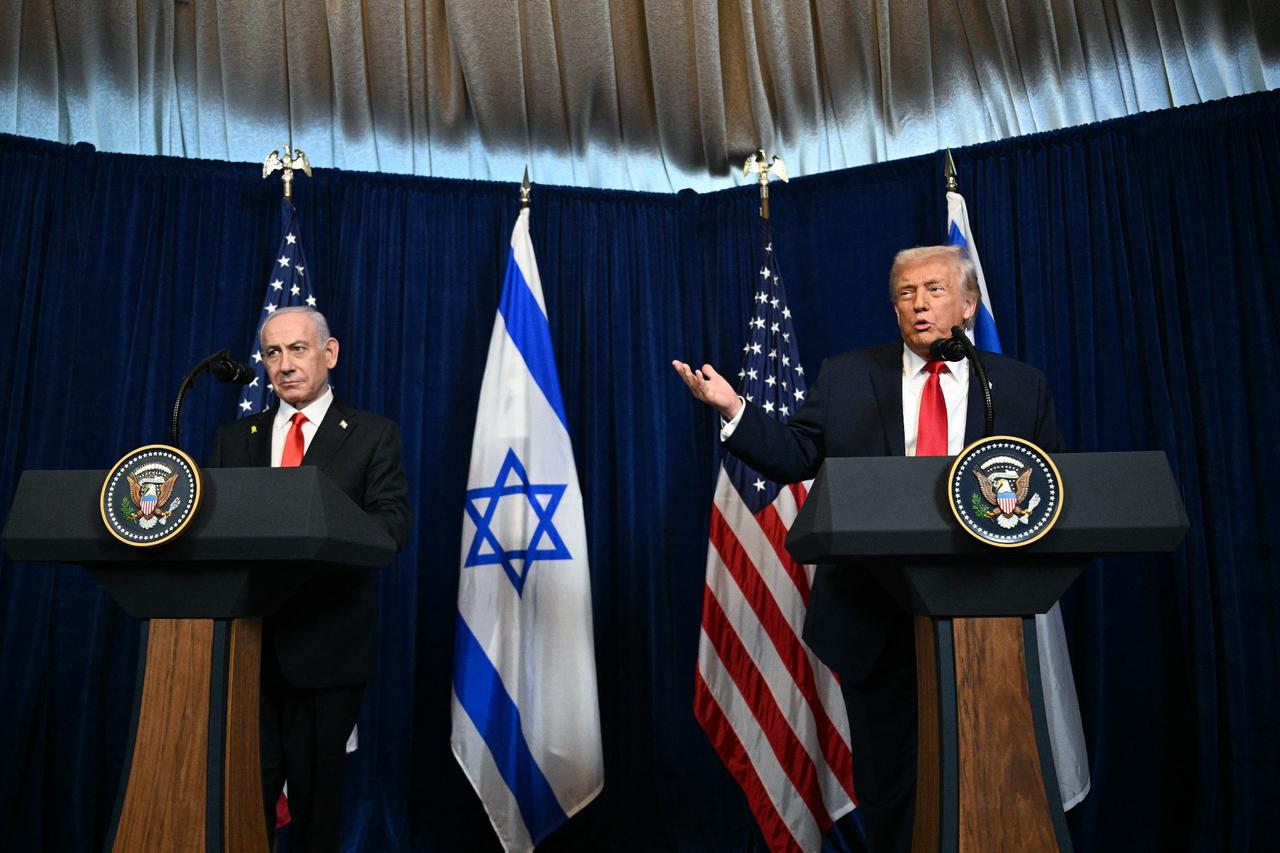
Speaking at the Milken Institute's Middle East and Africa Summit 2025 in California on December, a speech that has newly released, Barrack offered extensive remarks on U.S.-Türkiye relations, describing a "bromance" between Presidents Trump and Erdogan that has advanced solutions on issues stuck for a decade.
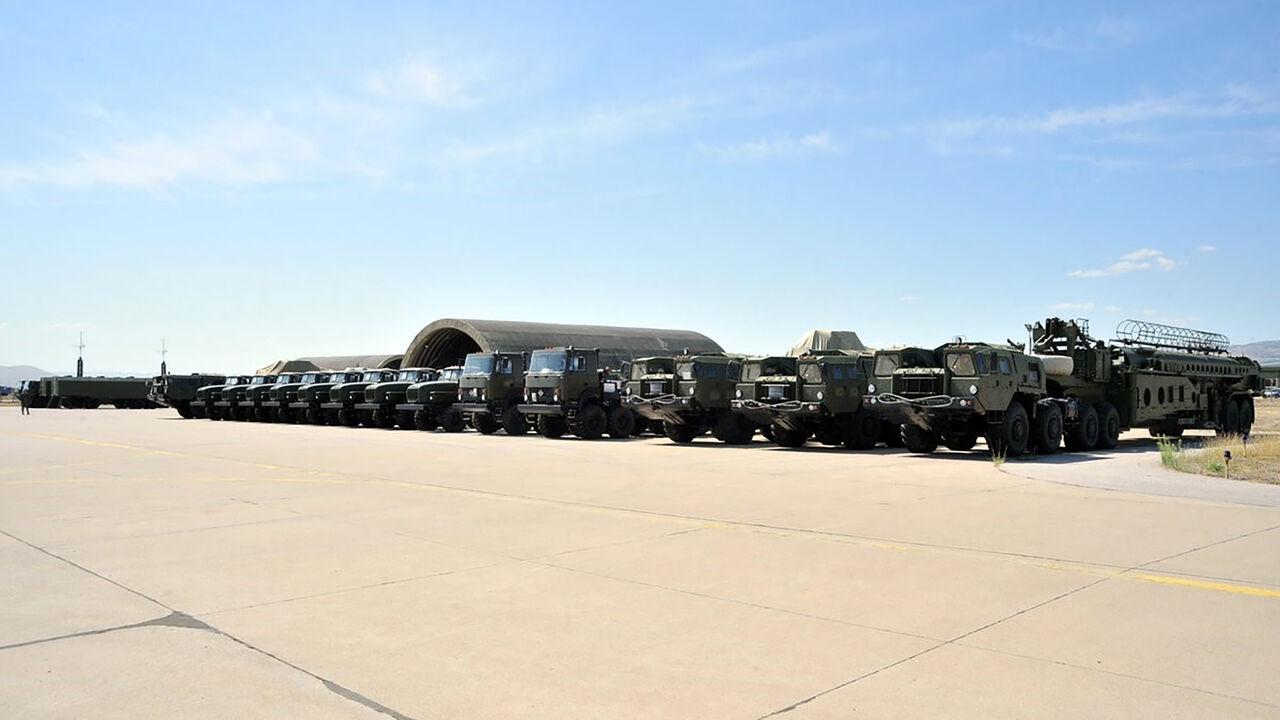
Barrack said the S-400 dispute has two requirements: operability, which has been solved, and possession, which is "a little more difficult."
"My belief is that those issues will be resolved in the next upcoming four to six months and that the mood to the next level of the relationship... it's been solid and good, and everybody's lived up to their obligations — both President Trump to President Erdogan, President Erdogan to President Trump," Barrack said.
He noted that Presidents Trump and Erdogan addressed six major issues during their bilateral meeting at the White House, all of which had been "on the topic for a decade," and "solved most of them."

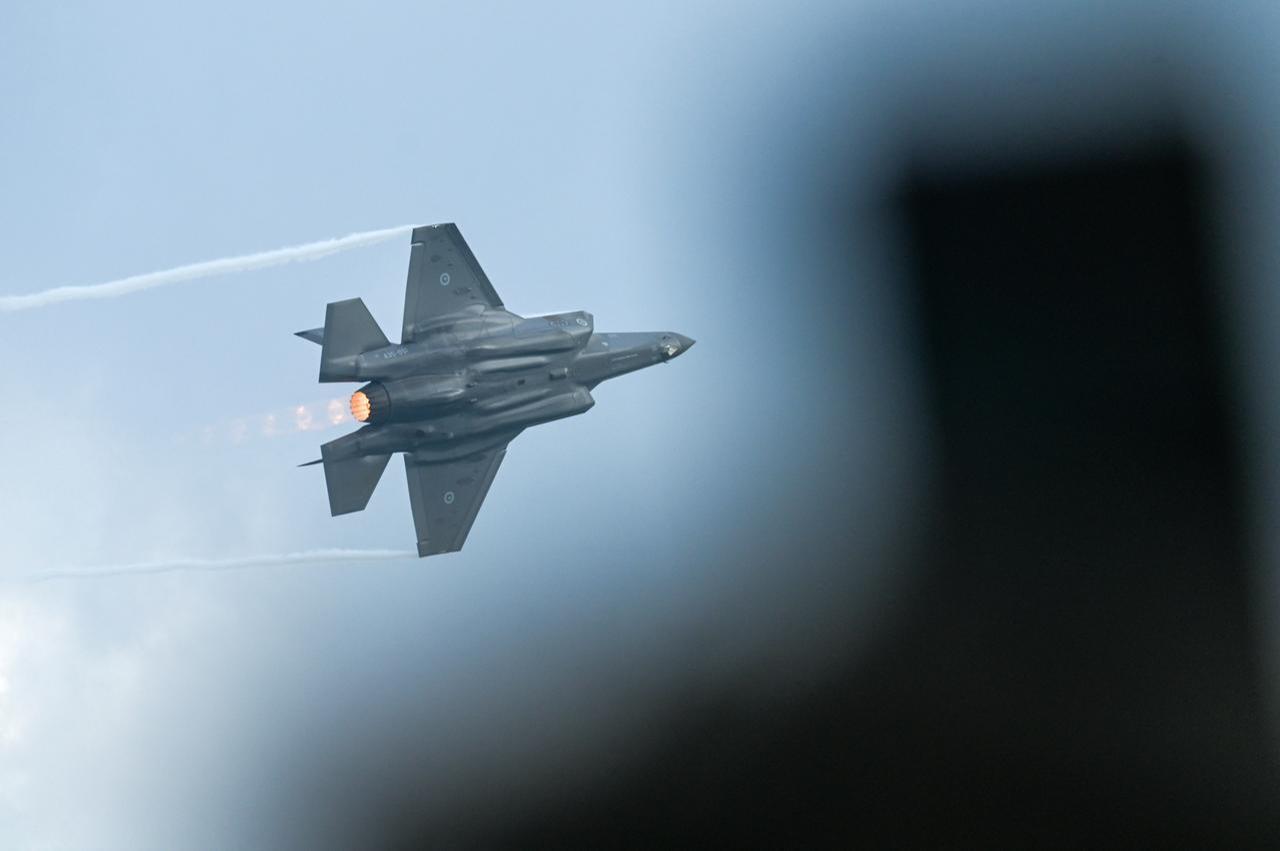
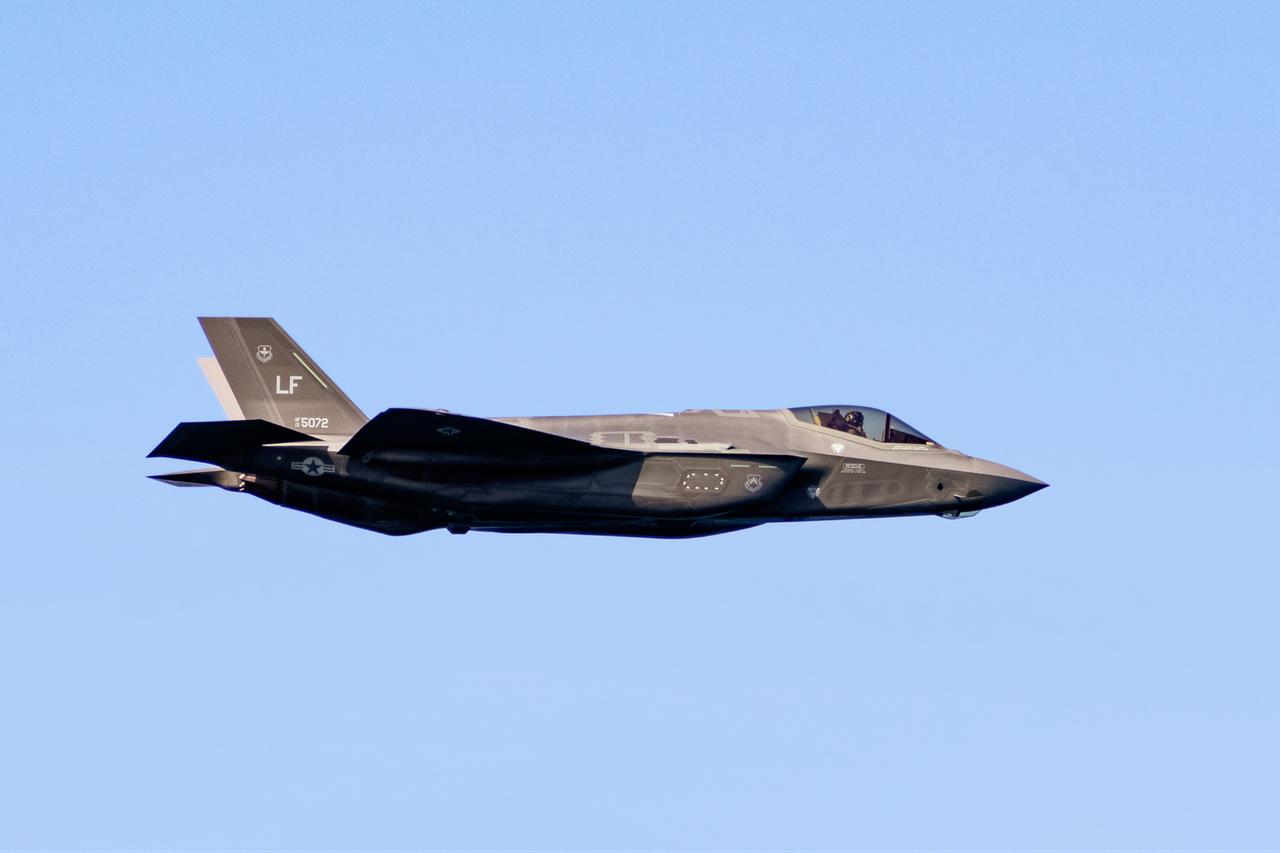
Asked whether Türkiye will eventually get F-35s, Barrack criticized the lengthy procurement process.
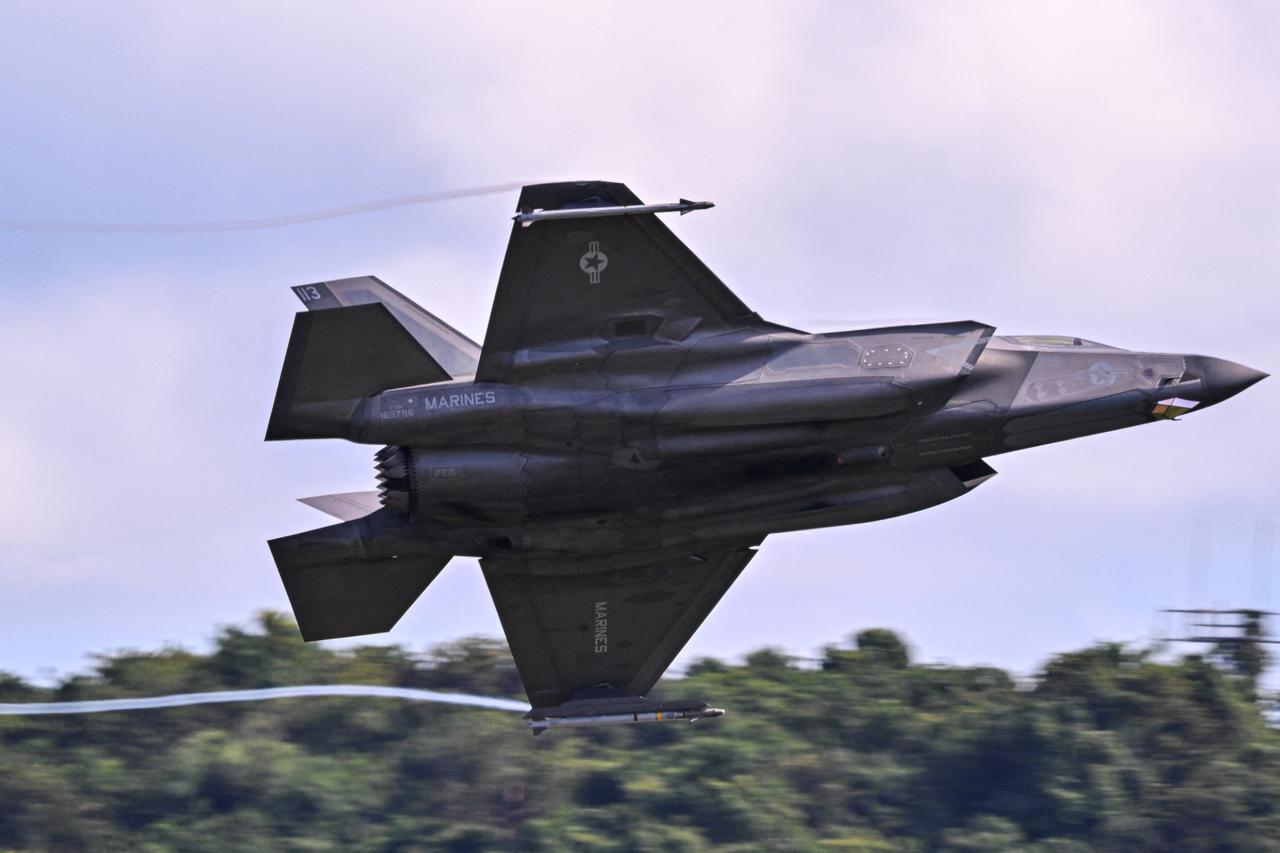
"If you want an F-35, no problem. You go through what's now a 10-year program to get approval from Congress. And if you want delivery, once you get there, it's eight years. So by the time you get to delivery of an F-35, you're at the F-45," Barrack said.
He outlined Türkiye's existing defense capabilities and its previous involvement in the F-35 program.
"Türkiye already has a defense business. The drone business for Türkiye is the biggest supplier of drones for Ukraine. They have their own jets, KAAN jets. And while we don't sell them jets, they buy Eurojets. They're manufacturing F-35s; they were in the F-35 program with us. They have four F-35s that are hangared in California. They were a big part of the fuselage assembly program they can't access," he noted.
Barrack described U.S. President Trump's reaction to the F-35 controversy upon taking office.
"President Trump walks in and says, 'This is insane,'" Barrack recounted. "By the time that we're done with discussion, the F-35 itself will have been replicated someplace."
The ambassador criticized the lack of continuity in U.S. foreign policy as a fundamental problem.
"The difficult aspect for America is really our foreign policy has changed every two years... We're up against Chinese who have a 50-year perspective. We're up against Russians that have a 100-year perspective," Barrack said.
Barrack criticized Europe's position on Türkiye's access to advanced military equipment.
"You want Türkiye to defend Europe, but Europe doesn't want them to have the highest and best equipment because they're concerned about what's happening with Russia. It's insanity," Barrack said.
"Türkiye is our largest NATO ally besides America. Not so respected by Europe, right? Europe still doesn't want them in the European Union," he added.
The ambassador predicted that Türkiye and Israel will eventually restore their economic relationship.
"Go back to October 5th. The Turkish and the Israelis had a trading relationship in a foreign trade agreement with a surplus of about $7 billion. It vanishes in an afternoon," Barrack said.
"I think that you will see at some point in time Türkiye and Israel finding a relationship, whether it's the Abraham Accords or the Solomon Accords or hybrid. It makes sense," he added.
On the rhetoric between Netanyahu and Erdogan, Barrack said: "The rhetoric between Netanyahu and Erdogan is deafening. It's just rhetoric. At the end of the day, I think they both realize that neither wants the Ottoman Empire."
Barrack dismissed concerns about territorial expansion by either country.
"The U.S. belief is that he's (Erdogan) not interested in extending the Ottoman Empire. Taking care of Istanbul and Ankara is enough; it's hard enough," Barrack said.
"The same with Prime Minister Netanyahu: Israel is being pushed on all sides. The 'Greater Israel' philosophy and theory can be done with business and prosperity; it's not going to be done with geography. So I think it's outside rhetoric and politics. I think it'll vanish," he added.
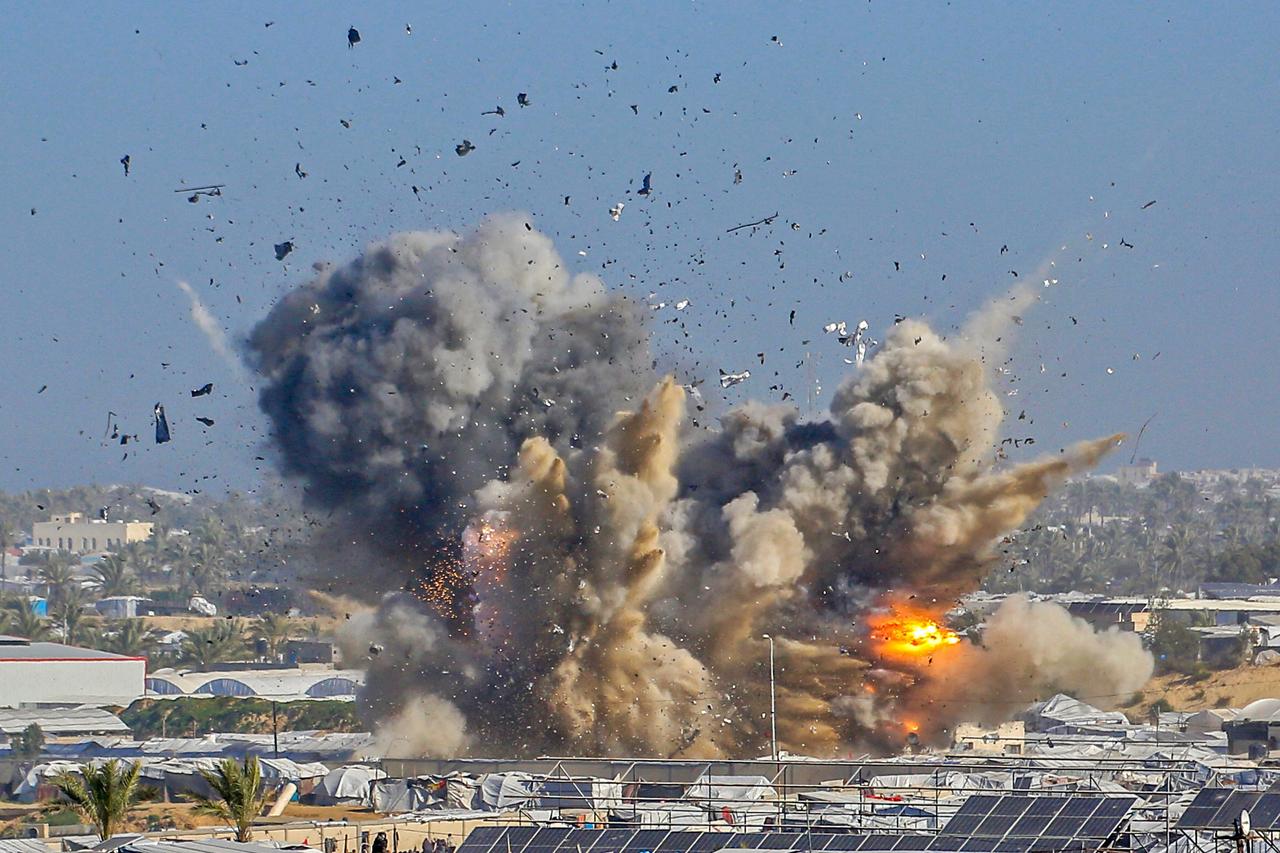
Barrack outlined the administration's approach to the Middle East, emphasizing regional ownership of solutions.
"Our message to the region is: this is your regional decision, this is your regional opportunity. We're not going to impose a mandate of how it needs to be done or a new Sykes-Picot 3.0 mechanism that was only derived really because of black gold," Barrack said.
"The West—and I say this honorably and respectfully—we screwed it up. We drew lines around tribes and regions that were never designed to be together," he added.
On the prospects for lasting Middle East peace, Barrack was philosophical: "Abraham couldn't do it, Ishmael and Isaac couldn't do it, Moses couldn't do it, Jesus couldn't do it, seven crusades couldn't do it. So to think that you're going to do it in two years is probably not realistic."


 Set as preferred source
 Set as preferred source


 1 min read
 1 min read