

 Newsletters


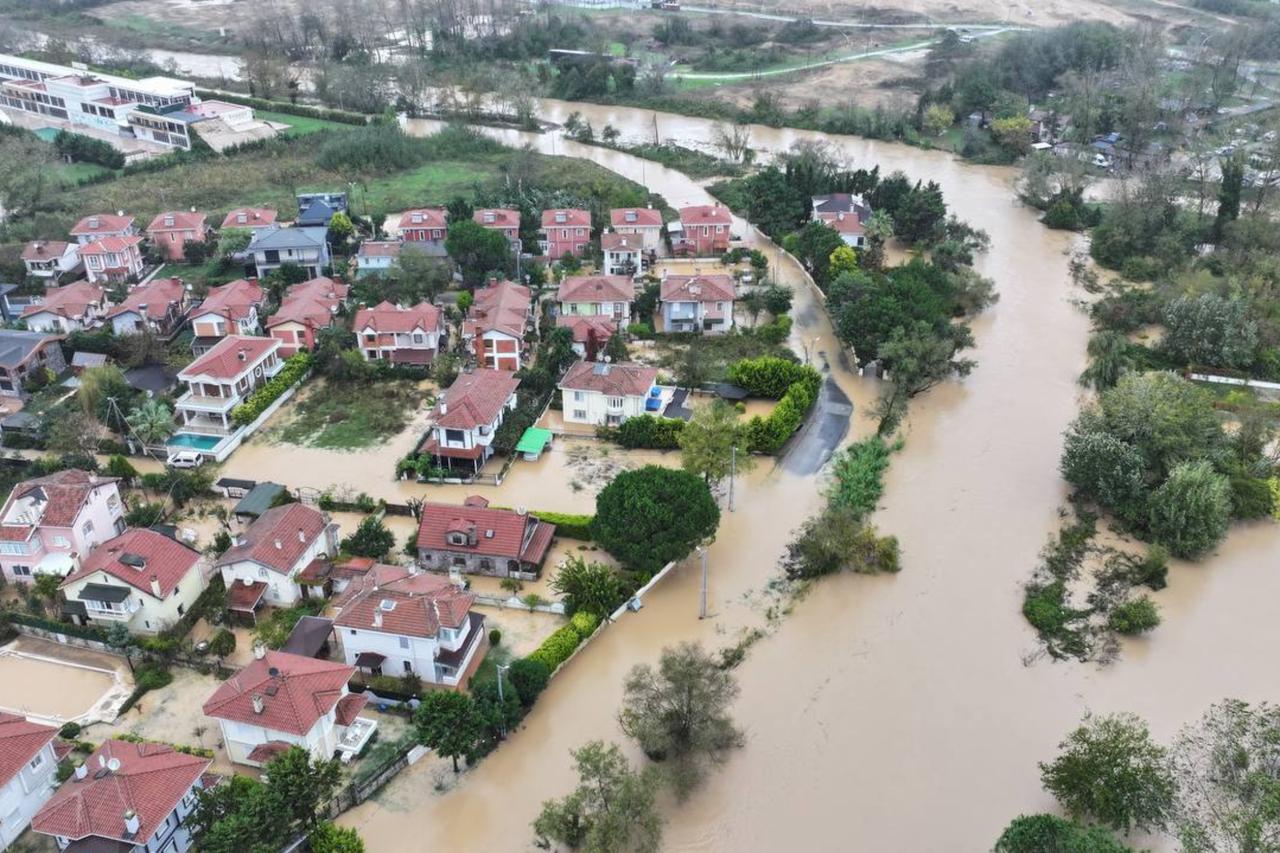


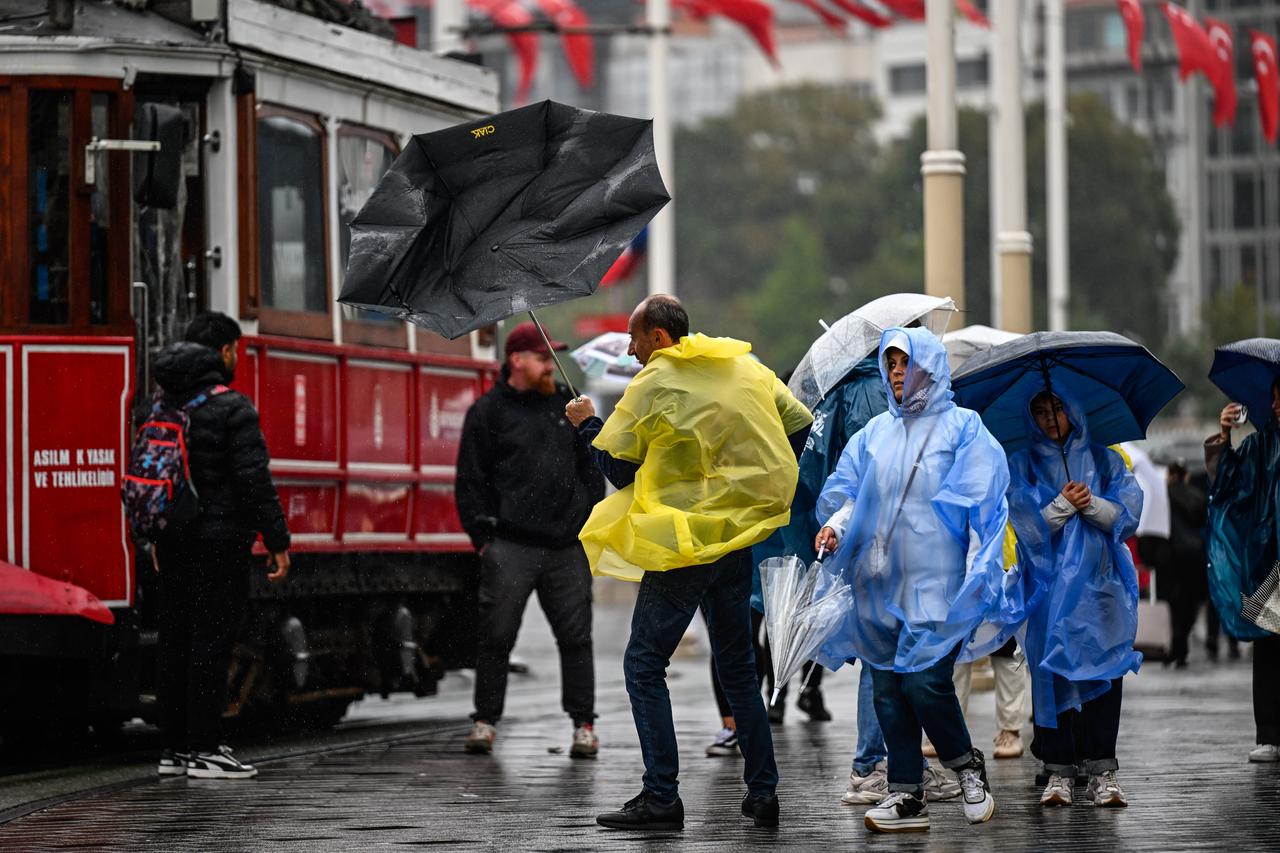
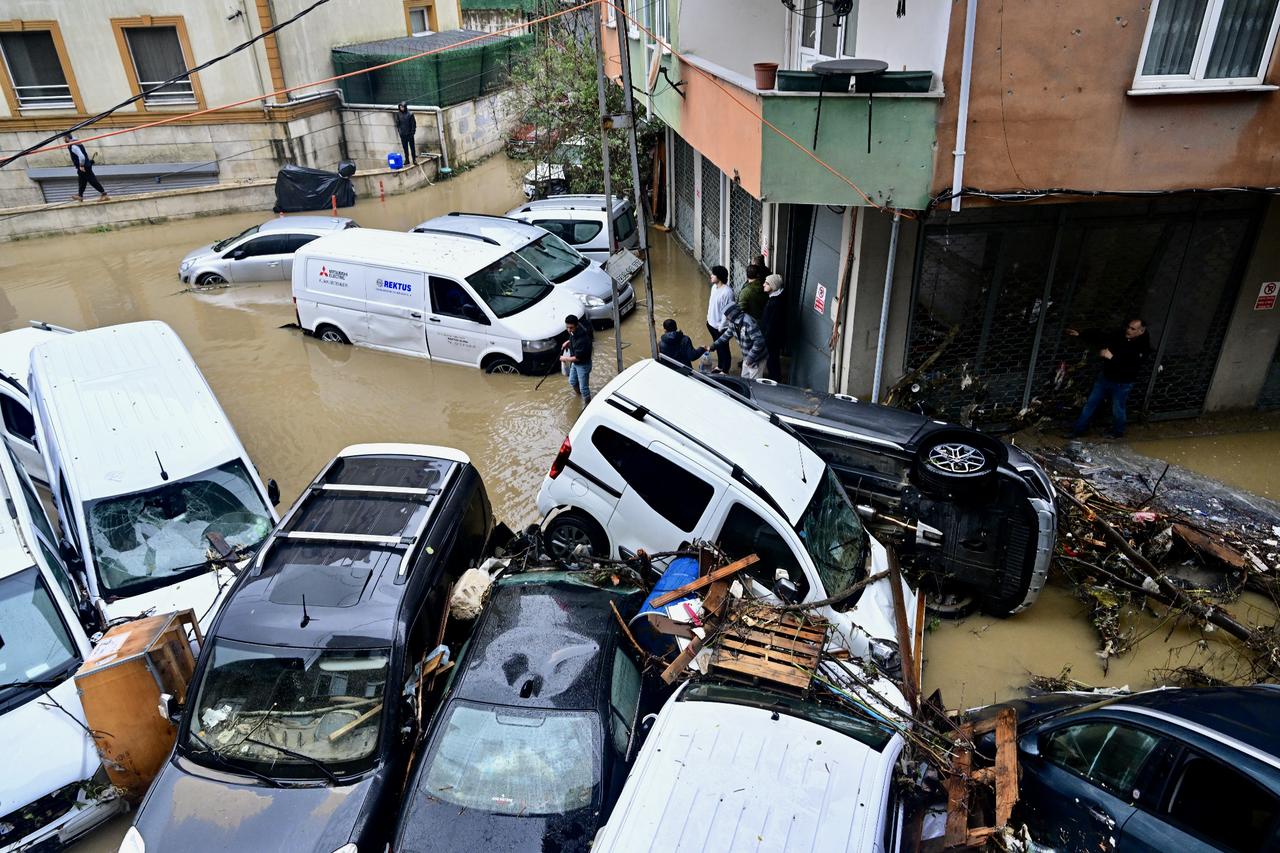
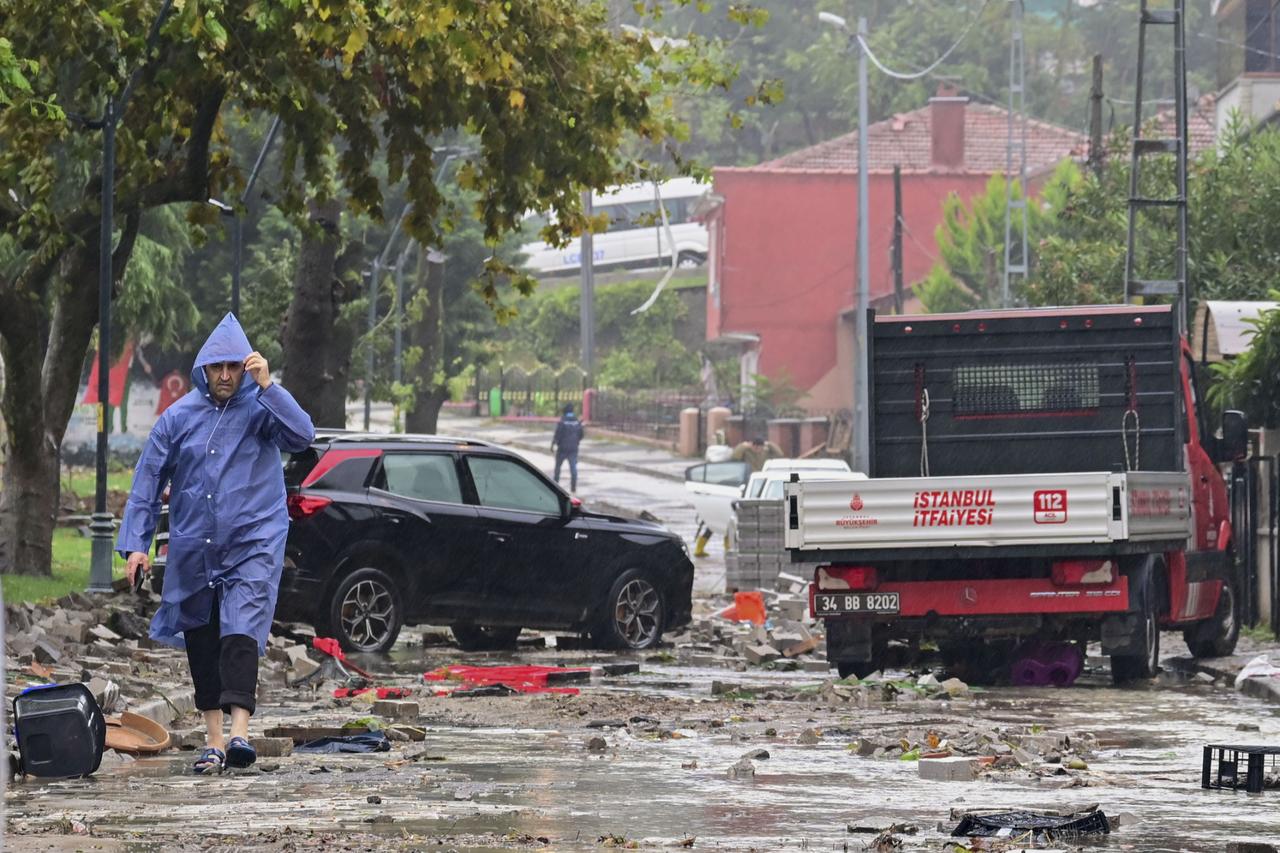
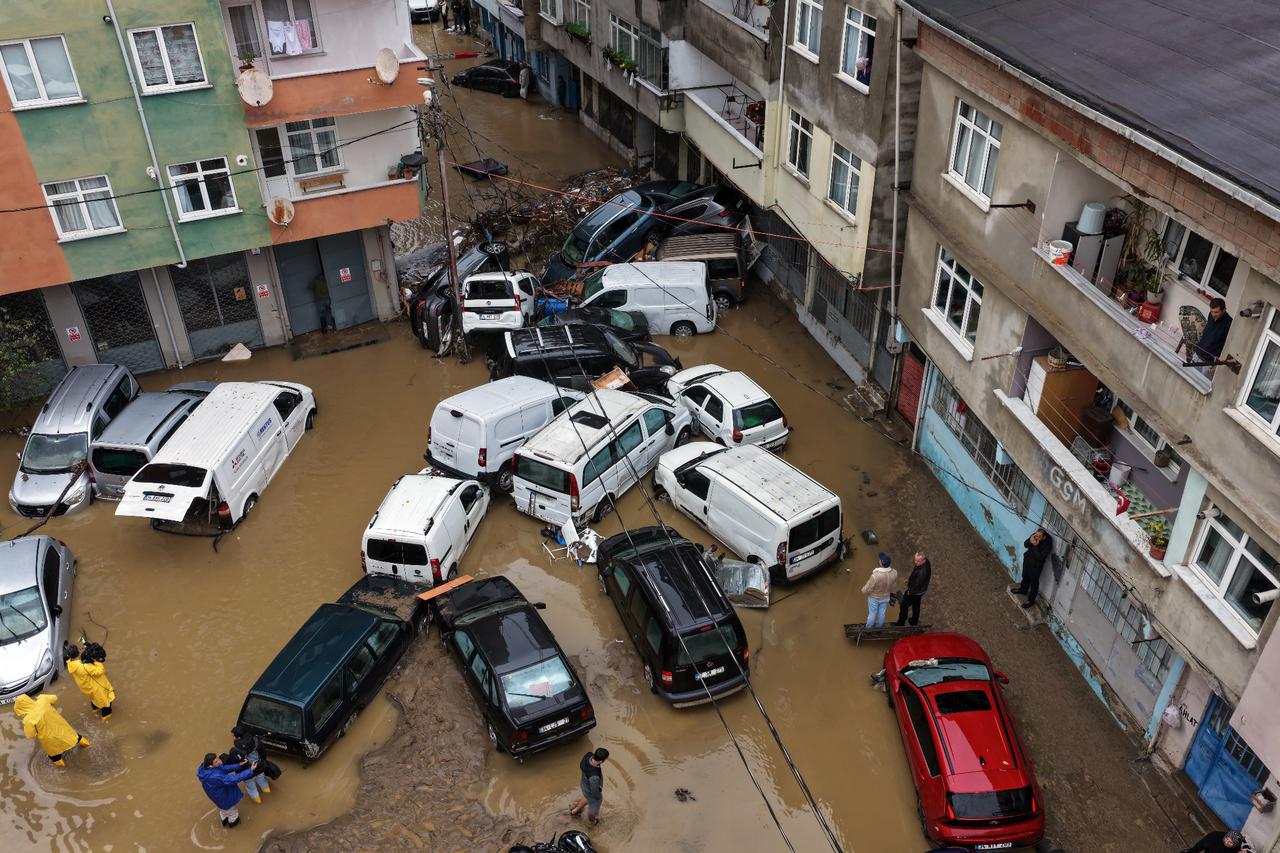
Heavy rainfall that killed three people and left five missing in Istanbul on Oct. 14 has renewed concerns over the city's urban planning, extensive concrete development and aging drainage infrastructure.
Experts warn that years of construction in flood-prone areas have made extreme weather increasingly dangerous.
Istanbul Governor Davut Gul said the city recorded its heaviest rainfall in 84 years, with precipitation reaching 261 kilograms per square meter in the worst-affected areas.
According to the governor's office, emergency services received 2,518 reports between 6 a.m. and 8 p.m. on Oct. 14, including 1,277 flooding incidents, 47 cases involving stranded people and 15 landslides.
However, urban planning experts and environmental engineers argue that the scale of the disaster cannot be explained by rainfall alone.
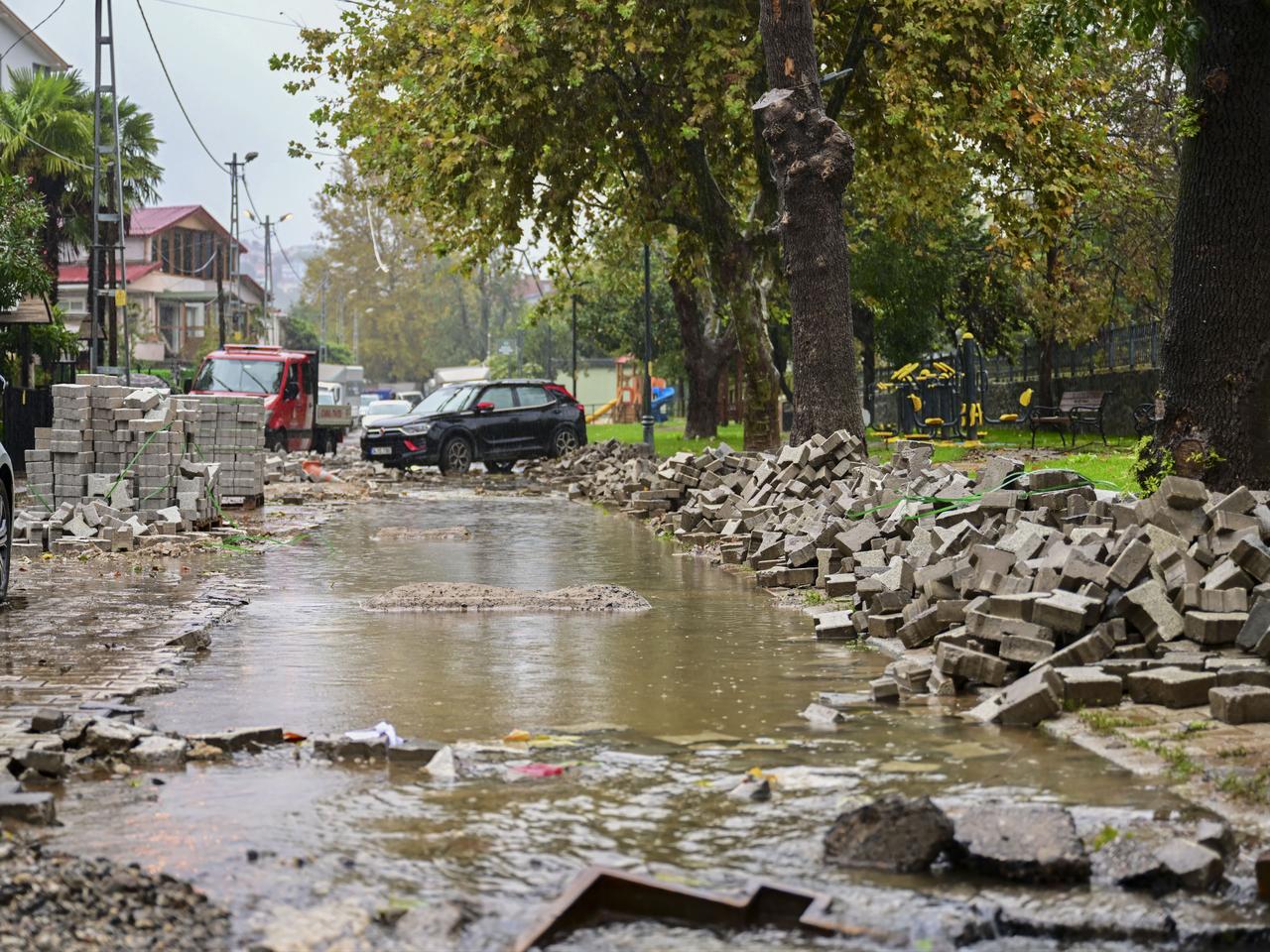

Speaking to DW Turkish, urban planner Pelin Pinar Giritlioglu said decades of construction had reduced the city's ability to absorb rainwater, turning increasingly large areas of natural ground into impermeable surfaces.
As green spaces give way to asphalt and concrete, rainwater runs across roads and developed areas rather than soaking into the soil. Istanbul's sloping terrain further accelerates this runoff, increasing the risk of damage to buildings and infrastructure.
Giritlioglu argued that construction projects carried out under the justification of earthquake preparedness had contributed to other environmental risks.
The Istanbul branch of the Chamber of Environmental Engineers (CMO), a professional organization representing environmental engineers, similarly warned in an Oct. 15 statement that Istanbul had lost much of its ability to function as a "sponge city," where natural and permeable surfaces absorb and retain rainfall.
The chamber recommended expanding green spaces, permeable surfaces and rain gardens to improve water absorption.
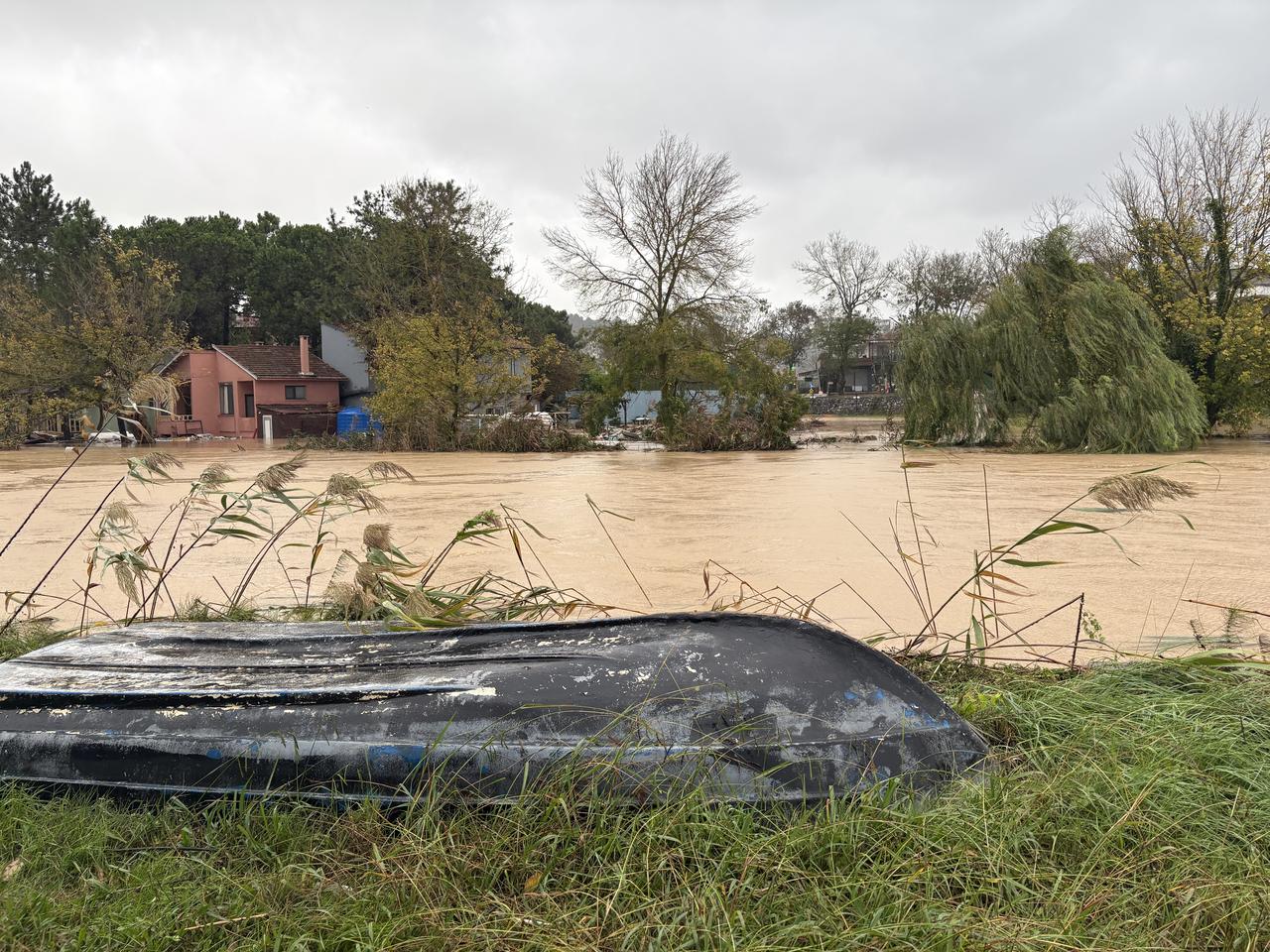
Experts also pointed to development along Istanbul's rivers and natural drainage channels as a major factor behind recurring floods.
Giritlioglu highlighted commercial developments, university campuses and residential projects near waterways, including the Ayamama Stream, which overflowed during devastating floods in 2009.
She also identified development around Cendere Valley and Kurbagalidere as examples of construction in environmentally sensitive areas.
The CMO warned that narrowing natural streambeds or enclosing waterways in concrete channels reduces their ability to carry large volumes of water during intense rainfall.
Giritlioglu additionally questioned the effects of major infrastructure projects, including Istanbul Airport, the Northern Marmara Motorway, the third Bosphorus bridge and the proposed Canal Istanbul project, on forests, agricultural land and water basins.
According to her assessment, development decisions have increasingly departed from the environmental protection principles outlined in Istanbul's broader urban planning framework.
Alongside the loss of natural drainage areas, experts identified insufficient infrastructure capacity as another contributor to the flooding.
Giritlioglu said the construction of large residential developments had increased building density without sufficient coordination with existing water, electricity and sewage infrastructure.
The CMO noted that some parts of Istanbul carry rainwater and wastewater through shared drainage networks, which can become overwhelmed during heavy rainfall.
Blocked drains, overflowing manholes and insufficient water removal systems in underpasses can further intensify flooding, particularly in basement apartments situated below street level.
The Oct. 14 storm also disrupted essential services, with water outages affecting neighborhoods in 12 districts, including Sisli, Beyoglu and Besiktas. Istanbul's water utility, ISKI, attributed some interruptions to electricity failures and network problems.
Governor Gul urged residents living in basement apartments to spend the night on higher floors and advised those without safe accommodation to contact emergency services.
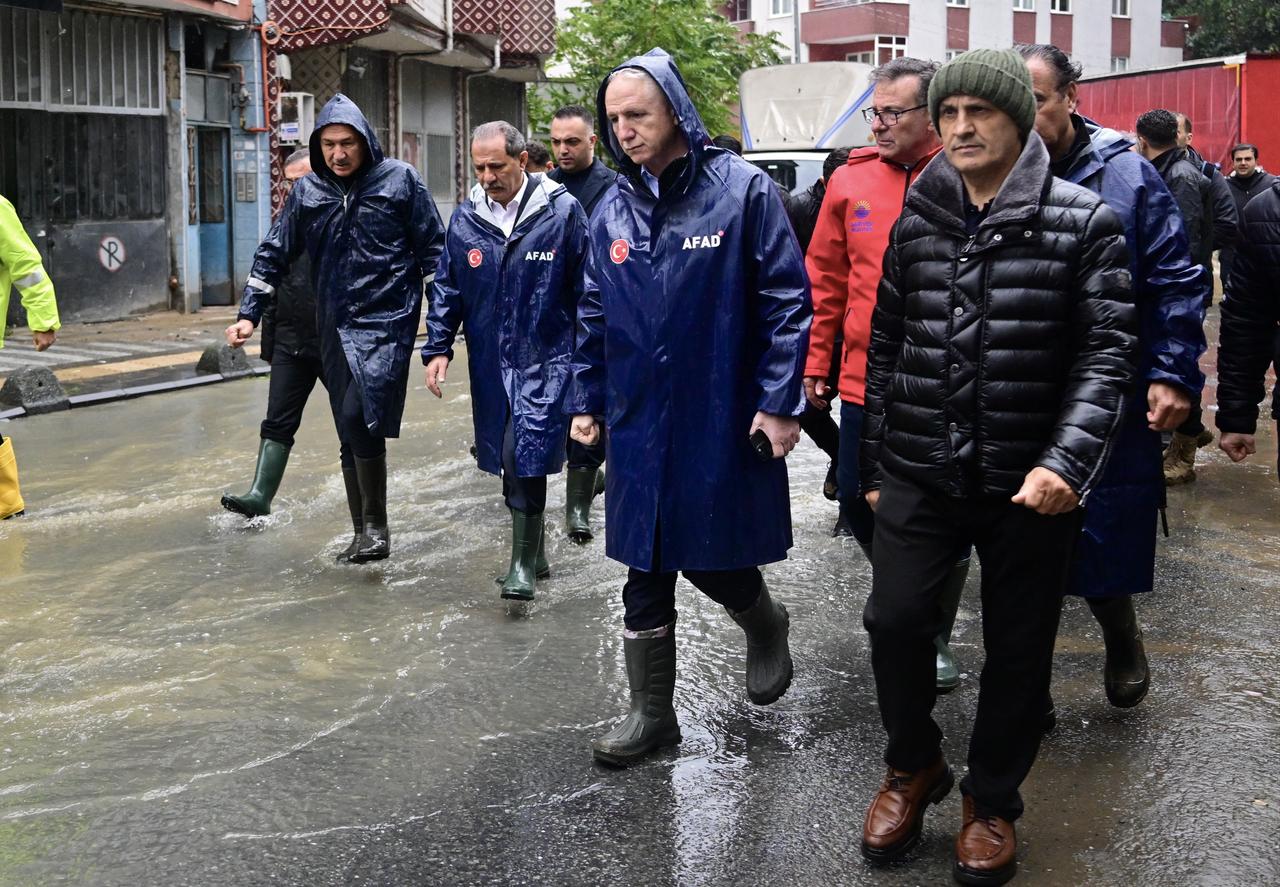
Giritlioglu argued that responsibility for Istanbul's vulnerability extends beyond routine drainage maintenance to planning decisions made by central and local authorities.
She called for stronger scientific oversight and greater involvement from urban planners, architects, engineers and professional organizations in development decisions.
The CMO likewise recommended redesigning stormwater infrastructure for extreme rainfall, separating rainwater from sewage networks and restricting construction in flood-prone areas.
It also called for an updated citywide flood and stormwater management master plan, improved early warning systems and closer cooperation among national authorities, municipalities and professional organizations.
Although climate change can increase the risk of extreme rainfall, both Giritlioglu and the chamber emphasized that it should not be used to explain away shortcomings in urban planning and disaster preparedness.
Referring to the death of a 14-year-old who was electrocuted in Istanbul's Balat neighborhood during the storm, Giritlioglu stressed that urban safety must extend beyond earthquake-resistant buildings to include roads, utilities and the wider living environment.
Her assessment underscored the need for a more comprehensive approach to disaster resilience as Istanbul continues to face the consequences of intense rainfall and expanding urban development.


 Set as preferred source
 Set as preferred source


 1 min read
 1 min read


