Newsletters


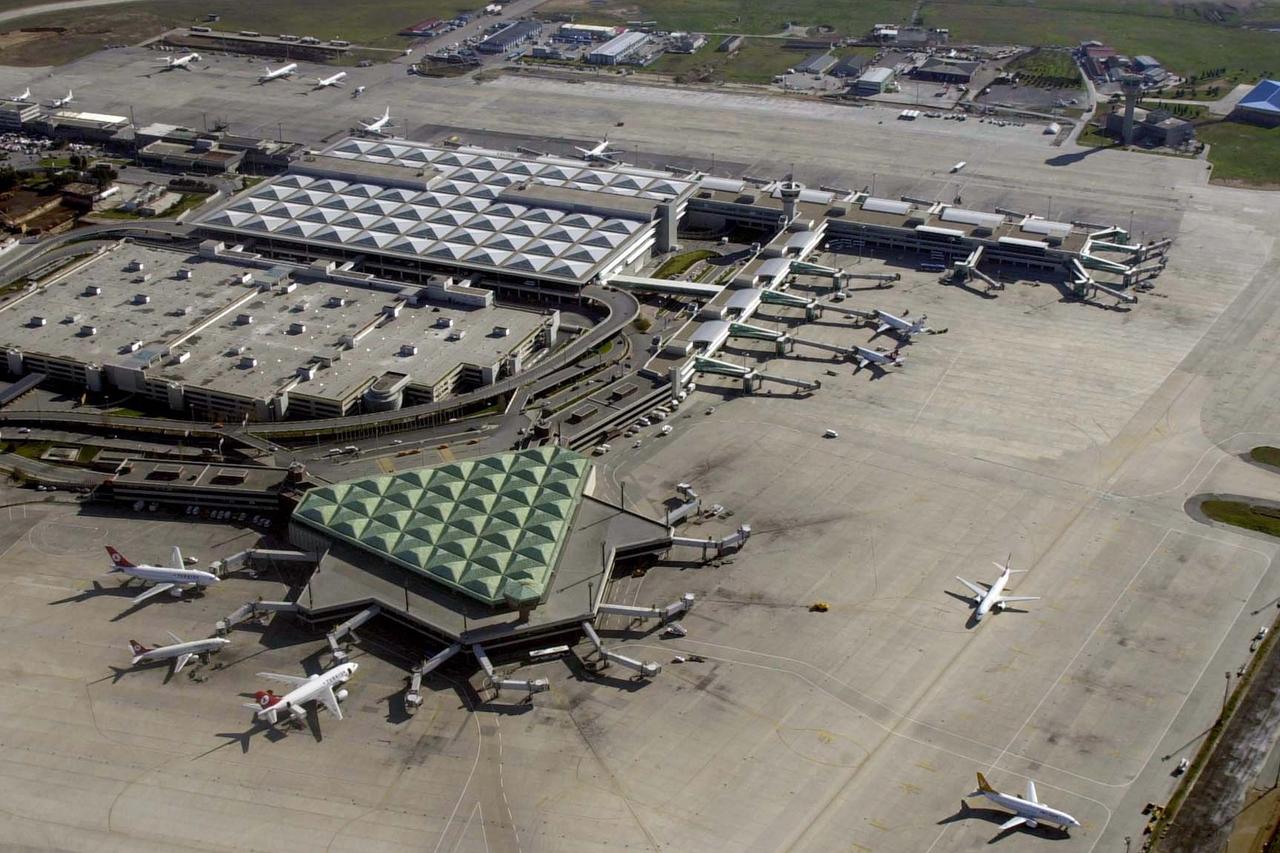


On Oct. 29, 2018, as the first engines roared at the newly inaugurated Istanbul Airport, the sound was nearly drowned out by the noise of political debate. From its cost and location to its operators and symbolism, the airport sparked intense political and public discussion from day one.
Several years on, the debate has shifted from symbolism to performance. Passenger volumes, airline growth, and global rankings now provide a clearer picture of why the project was pursued and how it reshaped Türkiye’s aviation strategy.
At the center of this transformation lies not only a new airport, but a broader vision tied closely to Turkish Airlines’ global ambitions and Istanbul’s role as an intercontinental hub.
Ataturk Airport was once a major international gateway, but by the late 2010s, it had reached a structural ceiling. In 2018, it served around 68 million passengers, already operating well beyond its designed capacity.
This congestion caused frequent delays, aircraft holding patterns in the air, and forced diversions to other airports. Physical expansion was no longer feasible, as the airport had become fully surrounded by dense urban development.
Built on a total area of roughly 12 million square meters, Ataturk Airport simply lacked the space required for additional runways, parking areas, and terminal expansion to meet rising demand.
Istanbul Airport was constructed on a vastly larger site, covering approximately 77 million square meters, more than six times the size of Ataturk Airport. This scale was not designed for immediate full use, but for long-term growth.
The project was planned in four phases, aligned with projected increases in passenger traffic. As of now, the airport is still operating within its first phase, with expansion milestones triggered by traffic thresholds.
Once all phases are completed, expected by around 2035, the airport is designed to handle up to 200 million passengers annually, a figure unattainable at the former site.


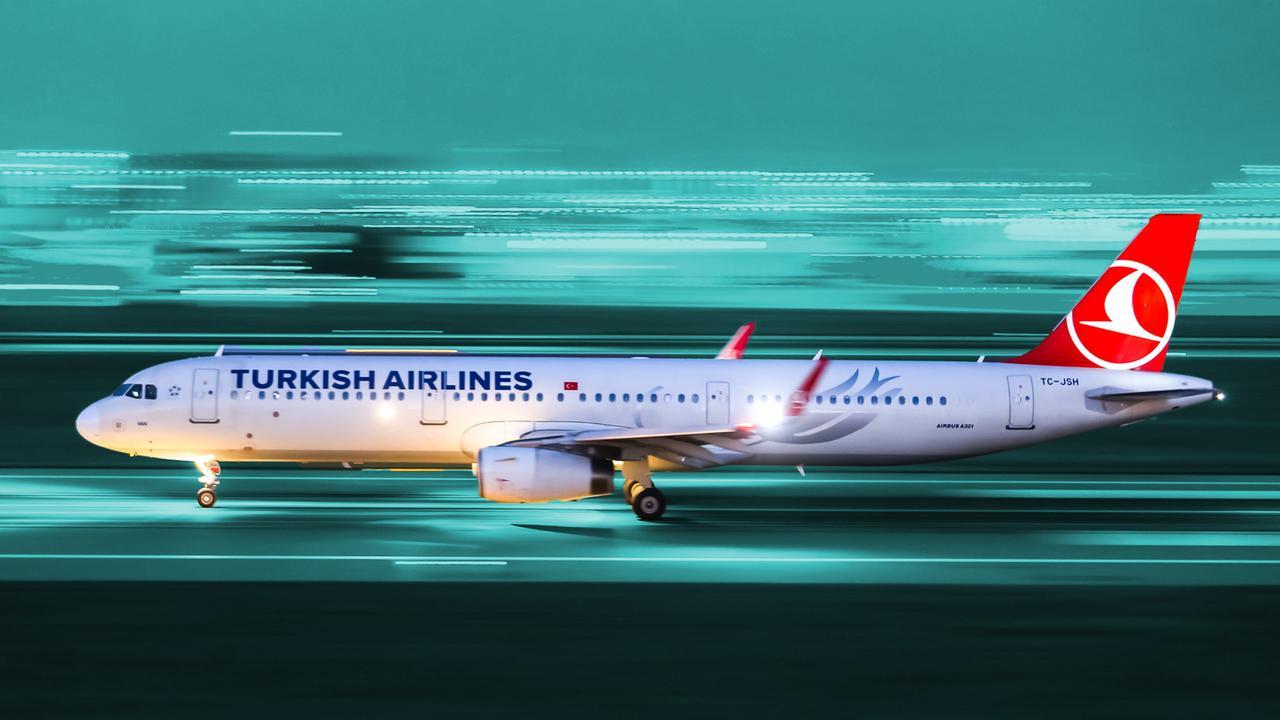
The primary driver behind the new airport was Turkish Airlines’ operating model. Today, around 80% of flights at Istanbul Airport are operated by the national carrier, making the airport effectively its global base.
Turkish Airlines relies on a hub-and-spoke system, collecting passengers from dozens of regional airports using narrow-body aircraft and funneling them through Istanbul onto long-haul wide-body flights.
In 2025, Istanbul Airport served approximately 84 million passengers, of whom 66 million were international travelers. Notably, 35.7 million of these were transfer passengers who never entered Türkiye, instead transiting through the airport.
Transfer passengers are central to the airport’s economics. These travelers typically spend only a few hours in the terminal before continuing onward, generating high-value international ticket revenue without placing pressure on city infrastructure.
Istanbul’s geographic position places it within a four-hour flight radius of Europe, the Middle East, North Africa, and parts of Russia. This makes it ideal for short-haul feeder flights connecting to long-haul routes.
For a traveler flying from Italy to China, for example, Istanbul often offers the most efficient connection, both in distance and scheduling, compared to alternative European hubs.
Ataturk Airport was much closer to many places in the European side of the city, but struggled to handle simultaneous arrivals and departures at peak times, leading to airborne holding patterns that increased fuel costs and disrupted connections.
Istanbul Airport was designed with multiple parallel runways, allowing up to three aircraft to land or take off at the same time. This significantly reduces congestion in the air.
While taxi times on the ground can be longer due to runway spacing, aircraft consume far less fuel taxiing than circling in holding patterns, making the overall operation more efficient for airlines.
Operating two major international hubs simultaneously in Istanbul would have undermined Turkish Airlines’ efficiency. The hub model depends on concentrating arrivals and departures at a single location.
Splitting feeder flights between two airports would have required passengers and baggage to be transported across the city, increasing costs and breaking tight connection schedules.
For an airline focused on minimizing operational expense and maximizing aircraft utilization, centralization at one large hub was the only viable option.
Although international routes generate most profits, Turkish Airlines continues extensive domestic operations. These flights often operate with thin margins due to regulated ticket pricing.
However, domestic routes serve a strategic function by feeding passengers from Anatolian cities into Istanbul’s international network, where higher-margin tickets offset domestic losses.
This structure explains why the airport’s distance from the city center matters less economically, as a significant share of passengers never leave the terminal at all.
Ataturk Airport’s inner-city location created additional challenges. Aircraft operations over densely populated areas posed safety risks and generated persistent noise pollution.
Many major global airports impose night flight restrictions for this reason. London Heathrow, one of Istanbul’s main competitors, sharply limits overnight operations due to community concerns.
Istanbul Airport, located away from dense residential zones, operates 24/7, giving airlines greater scheduling flexibility and higher asset utilization.
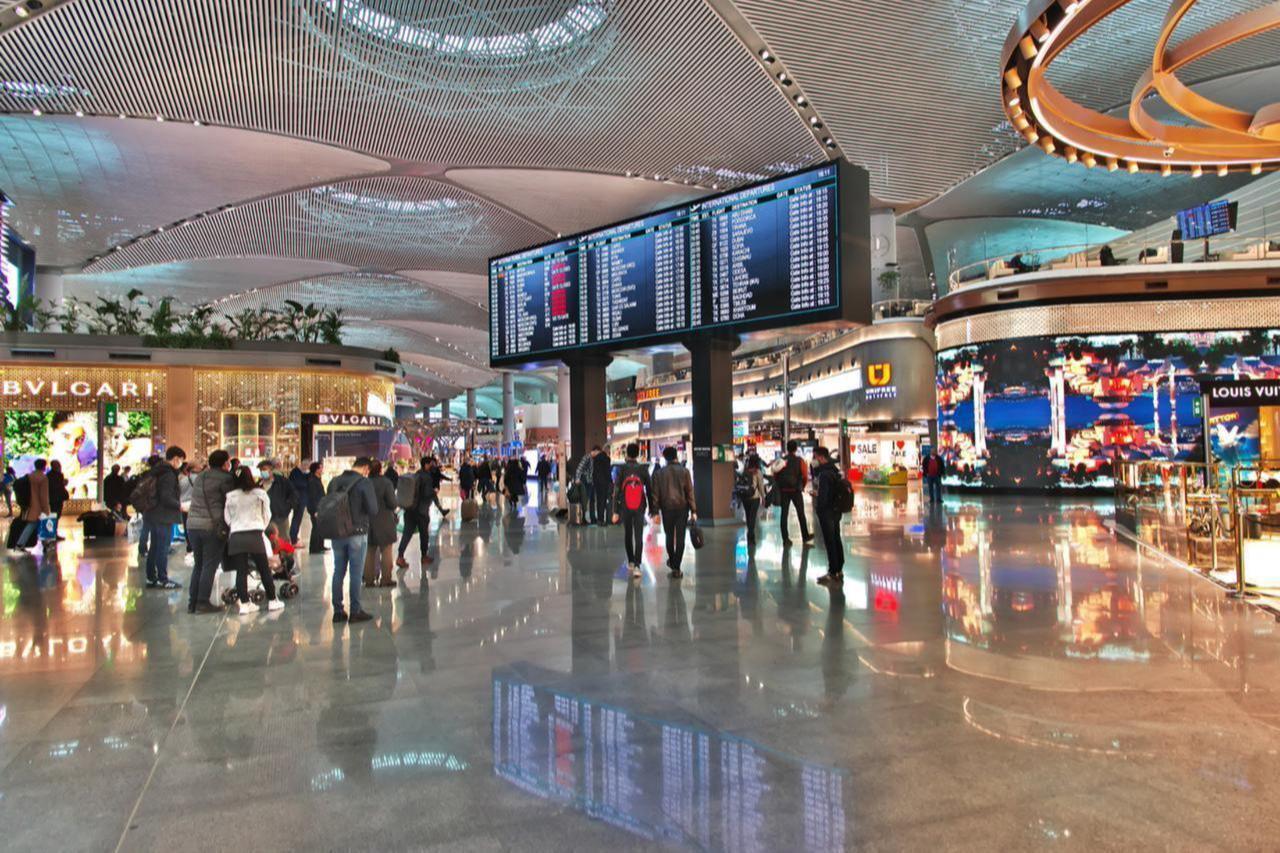
Beyond passengers, cargo capacity was another decisive factor. Ataturk Airport’s cargo facilities were capped at around 1.5 million tons annually.
Istanbul Airport now handles roughly 4 million tons of cargo per year, supporting Turkish Airlines’ strategy of combining long-haul cargo flights with regional distribution networks.
This has placed Turkish Airlines among the top three global air cargo operators, strengthening Türkiye’s position in global logistics chains.
The airport was built under a build-operate-transfer model by a consortium of five major construction firms, later reduced to two. The concession covers 25 years of operation.
The total lease and construction commitment amounted to €22.1 billion, the largest infrastructure tender in Türkiye’s history. The state did not directly fund construction costs.
Passenger guarantees were included, meaning the government covered shortfalls during low-traffic years, particularly during the pandemic, while excess profits are shared with the state.
In its early years, especially during the COVID-19 period, the airport operated at a loss, triggering state payments under the guarantee scheme.
From 2022 onward, traffic rebounded strongly and the airport began generating net payments back to the public budget, reversing earlier outflows.
The fact that several consortium partners exited the project suggests that returns were not risk-free, countering claims of guaranteed windfall profits.
Viewed through operational data rather than political symbolism, the closure of Ataturk Airport appears driven by capacity, efficiency, and competitiveness concerns.
Without Istanbul Airport, Turkish Airlines would have struggled to expand its fleet from 330 aircraft in 2019 to over 500 today, limiting its global reach.
For Türkiye to remain competitive in international aviation and logistics, the scale and design of Istanbul Airport became a turning point and a strategic necessity.


 Set as preferred source
 Set as preferred source



 2 min read