Newsletters


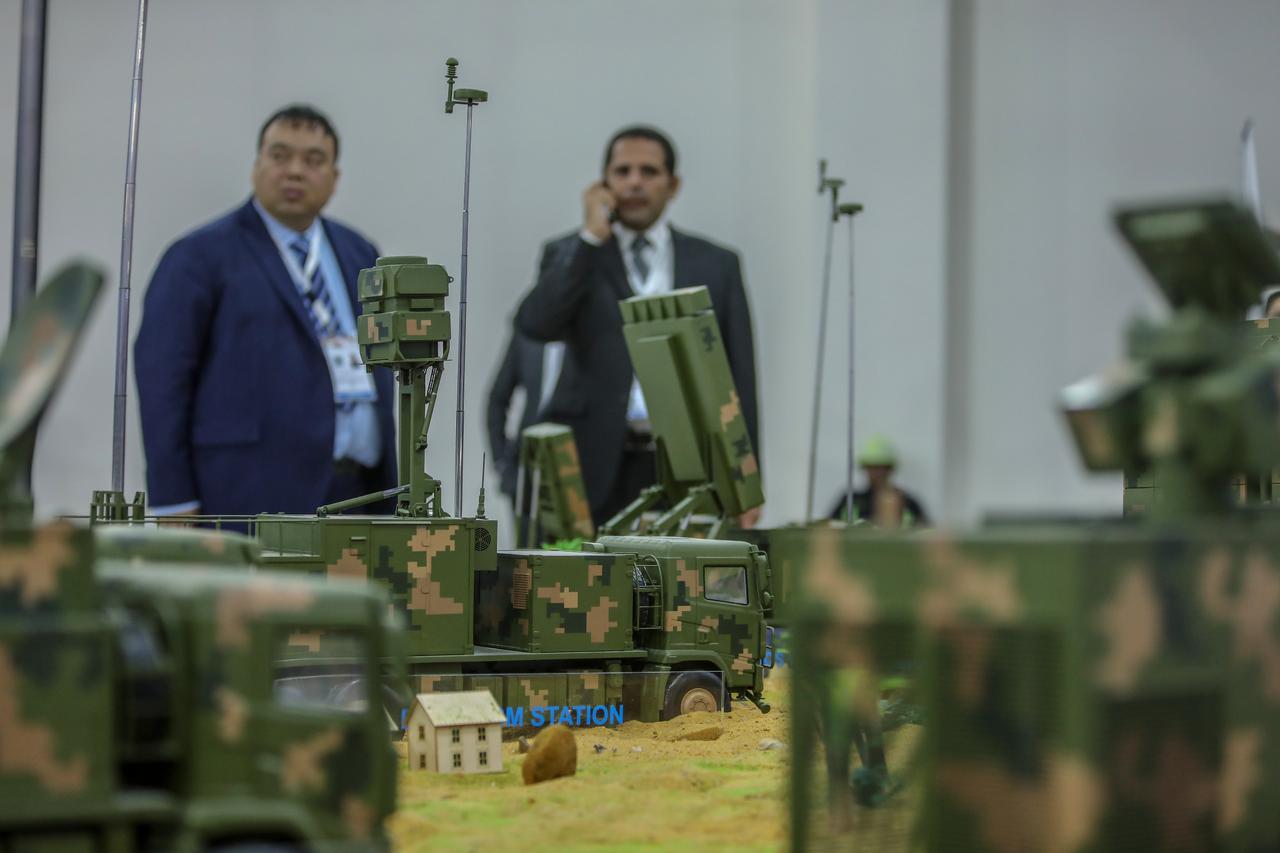


For decades, Israel served as Latin America’s principal defense partner from the Middle East, cultivating relationships that were distinctive in scope, durability, and strategic depth, benefiting in part from the U.S.-enabled influence across the continent.
That architecture, however, is undergoing visible change. Israel’s defense footprint is contracting as political ruptures reverberate beyond the military sphere, while Türkiye’s presence is expanding through joint development frameworks, technology transfer mechanisms, and the growing export of autonomous and unmanned systems.
As competition between the two countries intensifies across global defense markets, Latin America emerges as an arena in which Türkiye has an opportunity to challenge Israel’s longstanding dominance of Middle East exports.
This realignment comes at a moment when U.S. strategic attention to the Western Hemisphere is rising again, as policy discussions in Washington reopen space for partners that meet NATO interoperability standards. Türkiye aligns with this expectation more readily than many other emerging suppliers, particularly those with less established institutional overlap with Western defense ecosystems.
For Latin American governments seeking to reduce dependency on major-power monopolies in aerospace, satellites, and drone capabilities, Türkiye’s proposition of combining cost-efficient platforms with a willingness to co-produce aligns with evolving industrialization ambitions.
From Ankara’s perspective, the region offers strategic diversification at a moment when its defense industry is scaling rapidly and demonstrating export competitiveness.
Although Latin America constitutes a relatively modest share of global arms imports, the political signaling and cooperation-based frameworks associated with defense deals extend their significance well beyond procurement figures.
With Israel’s influence entering a phase of recalibration and Türkiye’s trajectory marked by growing market relevance, the region represents a rare opening shaped by political timing, national industrial strategy, and the continued shift from transactional sales to collaborative defense partnerships.
Latin America remains one of the least central regions in global arms imports, with the share of global acquisitions decreasing by nearly a fifth between the periods 2014–2018 and 2019–2023. In other words, the region has never been a primary contest ground for the major global defense suppliers. For decades, that reality allowed a few unique actors to establish themselves on the ground without facing intense competition.
In the context of the relations with the Middle East, Latin American procurement has historically been limited. Only nine countries in the region purchased defense systems from the Middle East between 2000 and 2024, and most made only sporadic acquisitions. This low level of engagement reinforced a perception that the market was stable, predictable, and not worth significant strategic focus.
Yet, “limited” does not mean unimportant. The region’s long-term defense relationships, even if narrow, are strategic, politically symbolic, and likely to reshape as global alignments shift.
Technological cooperation, joint development, and satellite partnerships have begun to replace simple sales, signaling that Latin America’s defense market is transitioning from transactional to mutually structured.
Against this backdrop, a new competitive environment is emerging, driven not by the volume of arms imports but by the political significance and technological partnership value of those purchases.
Israel has long recognized the value of its relations with the continent, but a newcomer in the sector has developed a unique understanding, addressing the special needs of South American countries.


For over 40 years, Israel maintained a singular footprint in its region in Latin America, becoming, effectively, the only Middle Eastern defense exporter with continent-wide relationships. Systems were sold to Argentina, Brazil, Chile, Colombia, Mexico, Paraguay, Peru, Ecuador and even Venezuela. Crucially, Argentina and Paraguay’s only recorded Middle Eastern defense acquisitions came from Israel.
Israel also became integrated into local defense development, such as avionics and landing gear for Argentina’s IA63 Pampa trainer aircraft and maintenance agreements central to Colombia’s combat aviation fleet. These projects were long-term, deeply institutional, and reliant on government approvals tied to end-user certifications.
In countries like Colombia, Israel’s Pegasus spyware has become a flashpoint.
However, this preeminence is now facing headwinds. The political fallout from the Gaza war has introduced unprecedented friction.
Colombia cut diplomatic relations with Israel, directly jeopardizing maintenance agreements and future procurement plans. Chile excluded Israeli companies from the continent’s flagship aerospace exhibition, signaling that defense ties are likely to slow.
Large-scale projects, such as Colombia’s envisioned acquisition of BARAK MX air defense systems or the selection of ATMOS howitzers, are overshadowed by diplomatic rupture.
The expiration of support agreements for Colombia’s aging Kfir combat fleet raises practical risks, while Colombian officials said that the country had produced its first combat rifle, aiming to replace arms that were once supplied by its former military ally, Israel, last September.
Israel’s presence is not disappearing overnight, nor is its technological advantage eliminated. But the landscape that once offered Israel uncontested access is now fluid, politicized, and open to new competitors offering long-term partnership models.
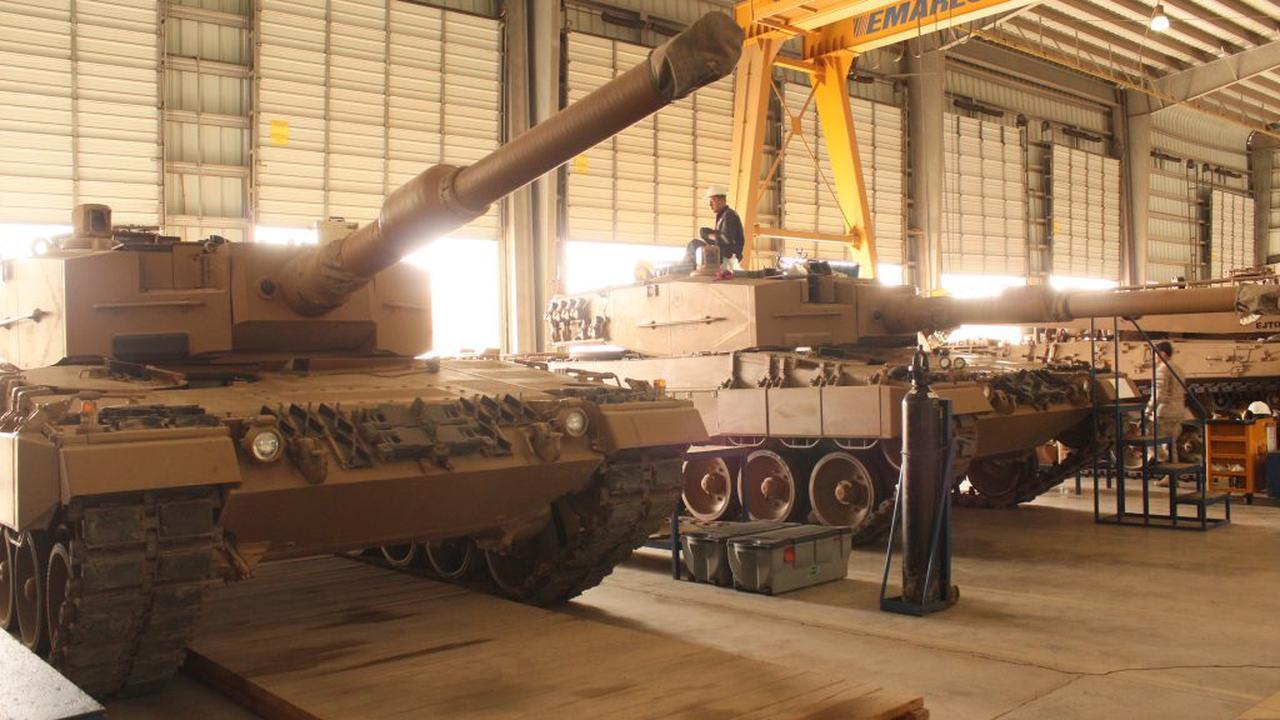
Türkiye’s defense export trajectory contrasts sharply with Israel’s current political constraints. Over the past five years, Turkish defense revenue abroad has risen, supported by a strategy centered on survivability, autonomy, and national production capacity.
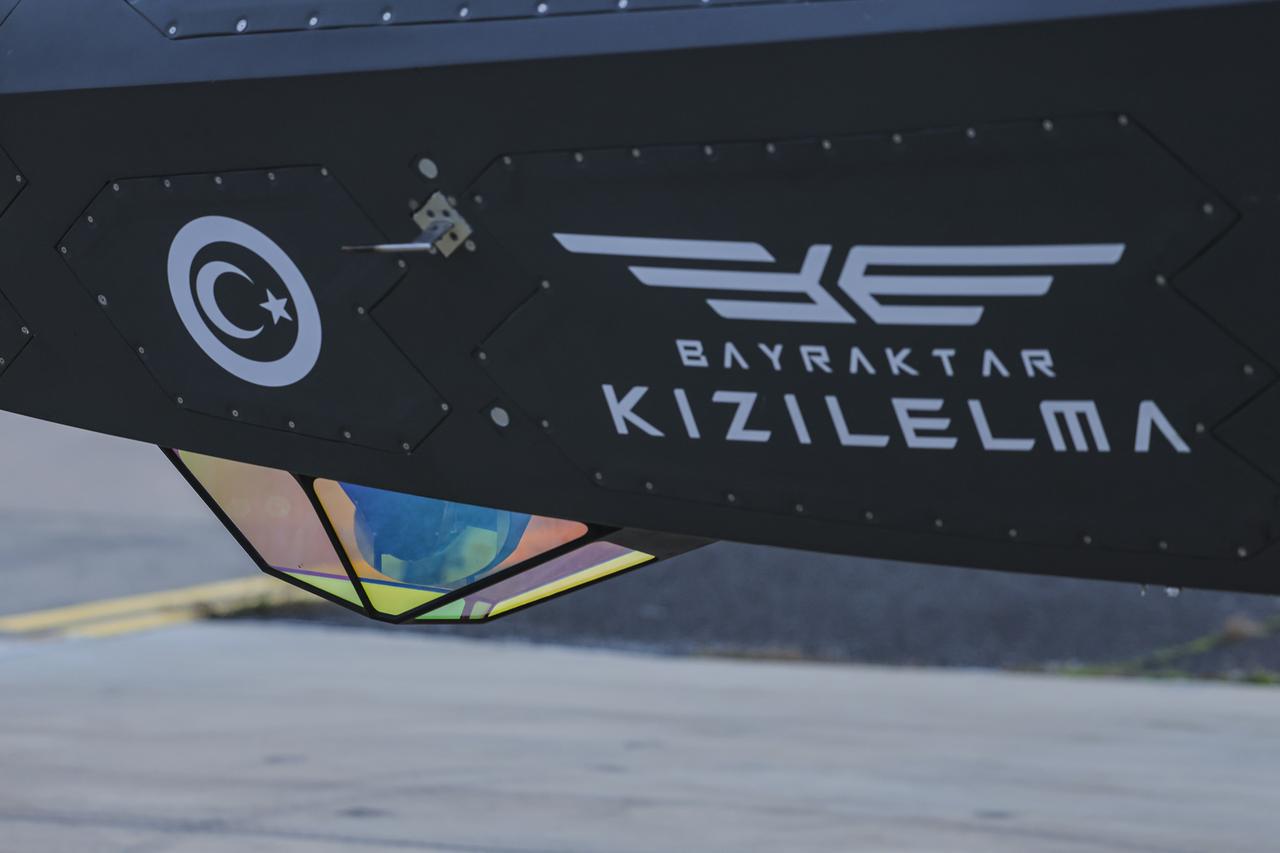
Seven of Türkiye’s leading firms have jumped significantly in global rankings since 2013, with Baykar entering the top 100 after surging demand for unmanned aerial systems.
The competitive overlap between Türkiye and Israel is most visible in drone ecosystems, command systems, and land vehicles, areas highly relevant to the needs of Latin American armed forces. For Colombia and Ecuador, the first notable purchases from Türkiye have already materialized, ranging from wheeled armored vehicles to mortar systems. These are modest in scale but meaningful in signaling intent.
More distinctive, however, is Türkiye’s cooperation-oriented approach. The Turkish-Argentine initiative to co-develop a geostationary satellite demonstrates that Ankara sees Latin America not simply as a market, but as a technological partner.
Joint production reduces dependency, resonates with Latin American industrial policy ambitions, and aligns with governments increasingly wary of single-source reliance.
This carries particular weight given that Brazil, the continent’s largest military power and responsible for nearly half of all purchases, is led by President Lula da Silva, whose ambitions for the Global South shape a significant part of his foreign policy outlook.
Türkiye benefits from presenting itself as a country that built domestic capacity through nationalization policies, an experience several states openly admire. While it does not seek to replace the United States or NATO-aligned suppliers, Türkiye appears comfortable positioning itself as a complementary power capable of interoperability without political overreach, as it is a NATO-aligned consumer.


 Set as preferred source
 Set as preferred source


 2 min read
 1 min read