Newsletters


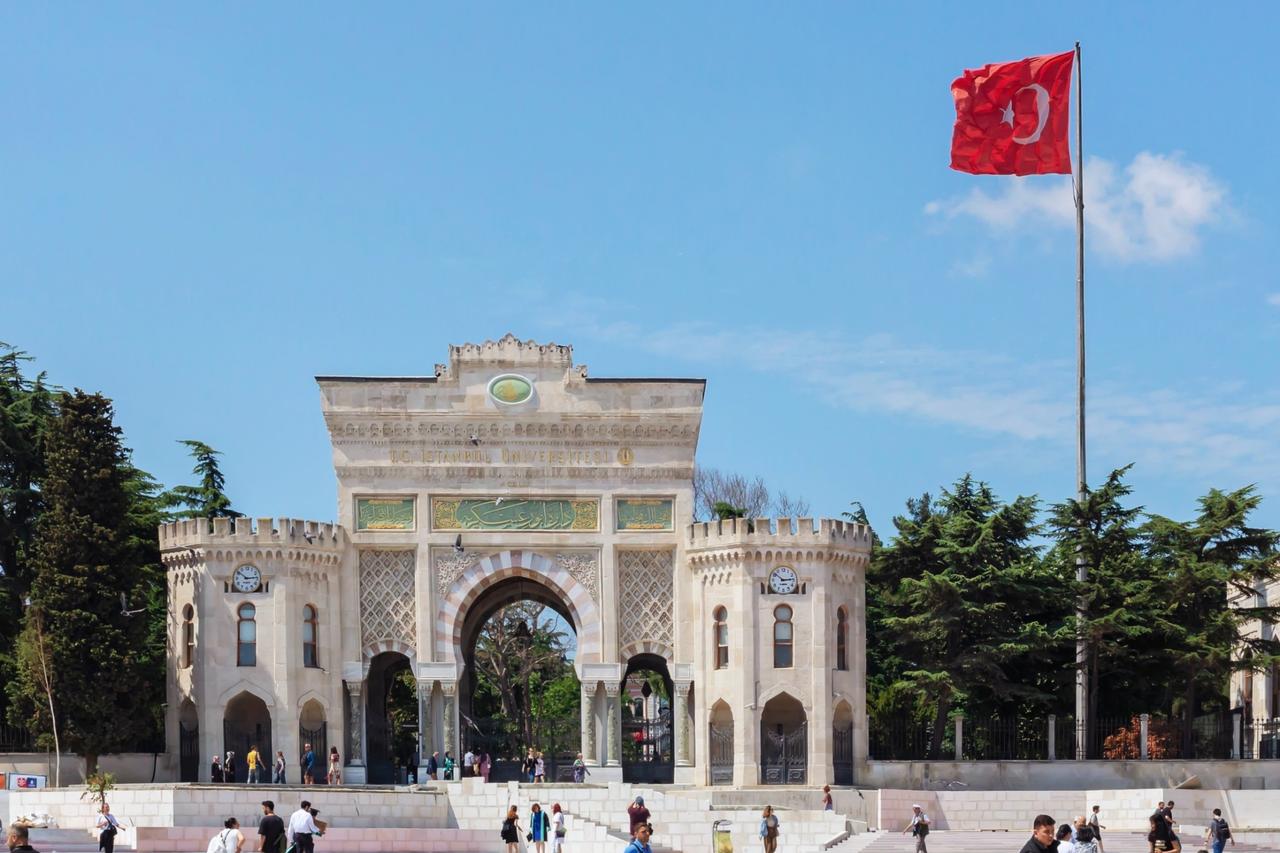


Türkiye’s Council of Higher Education (YOK) has released its 2025 University Monitoring and Evaluation General report, offering a data-driven snapshot of where Turkish higher education stands and where it is heading.
This year’s findings suggest a system that has largely completed its phase of rapid expansion and is now recalibrating toward quality, employability, research impact, and global competitiveness.
Designed for policymakers, academics, and international observers, the report places particular emphasis on labor market alignment, scientific effectiveness, international visibility, and the growing role of sustainability and social contribution. Together, these indicators point to a structural transition rather than incremental reform.
The report indicates that for Turkish universities, the stage of expansion is done and it’s time for performance, changing from volume to value.
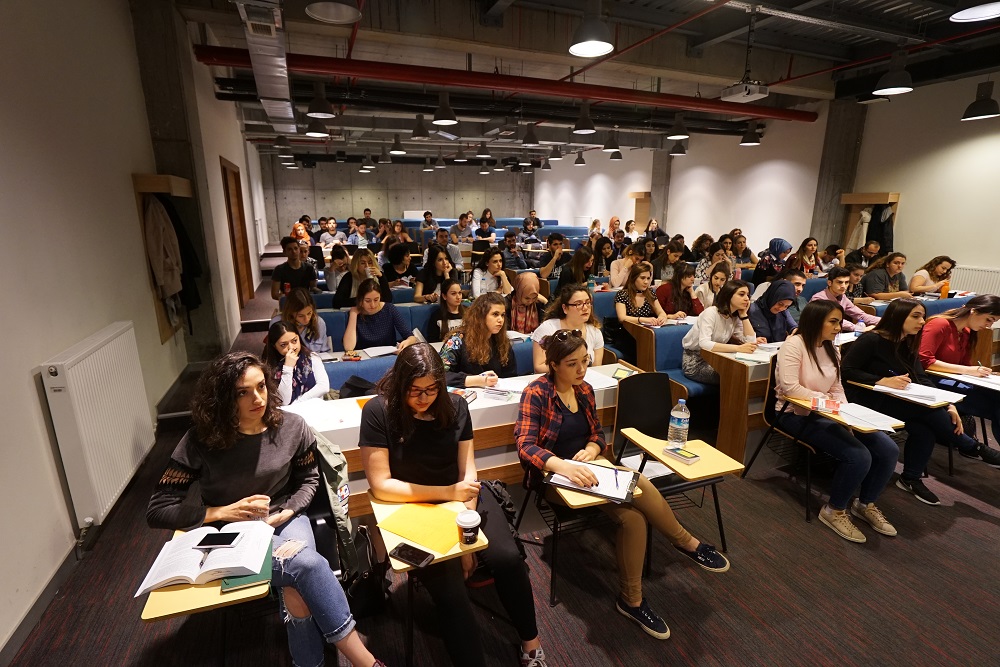
The report’s forward-looking section outlines a structural rethinking of undergraduate education. The primary objective is to make degree programs more applied, project-based, and responsive to real-world demands.
Proposed reforms include simplifying curricula and reducing course overload, a move intended to improve learning outcomes rather than accelerate throughput alone. These changes are framed as quality-enhancing rather than cost-cutting measures.
Another proposal under discussion is enabling graduation within three years, aligning Türkiye more closely with practices seen in several European higher education systems. Such a shift would require significant curricular redesign and institutional coordination.

The report places growing emphasis on the quality and influence of research output, rather than raw publication counts. This reflects a broader global trend toward assessing academic impact, collaboration, and usability.
According to Web of Science data, Turkish universities produced nearly 100,000 indexed publications in a single year, with an average of 0.85 publications per faculty member per year. While this figure indicates steady productivity, the report frames it as a baseline rather than an endpoint.
Citation performance offers a more nuanced picture. Türkiye’s Category Normalized Citation Impact (CNCI) stands at 0.93, bringing it closer to the global average and suggesting a gradual improvement in the international resonance of published research.
Open access publishing has approached the long-required levels. With 64 percent of scientific outputs now openly accessible, the report highlights a significant advance in knowledge dissemination and research visibility.
Funding trends reinforce this trajectory. Support distributed through TUBITAK, the Scientific and Technological Research Council of Türkiye, reached almost $400 million, while university–industry joint projects accounted for nearly $100 million, underscoring deeper integration between academia and the private sector.
The report mentions that international engagement remains a strategic pillar of Türkiye’s higher education policy. It frames internationalization not only as student mobility but also as institutional visibility and reputational standing.
Türkiye currently hosts over 330,000 international students, representing 8 percent of the total student population. These figures position the country as a significant regional education hub, particularly for students from neighboring regions.
Student mobility is complemented by performance in global rankings. Turkish universities now appear more frequently in established international indices, signaling improved recognition beyond domestic metrics.
In the Times Higher Education (THE) rankings, 91 Turkish universities are listed, while 25 institutions feature in the QS rankings and 10 appear in the Academic Ranking of World Universities (ARWU).
Although rankings are not treated as definitive measures of quality, the report presents them as indicators of growing global visibility and institutional maturity within an increasingly competitive international landscape.

Academic sustainability and labor market relevance sit at the core of the education and teaching section. The data indicate that during the 2023–2024 period, Turkish universities awarded over 14 thousand doctoral degrees, with 90 percent coming from public institutions. This concentration demonstrates that the private institutions are yet to be ready for higher levels of academia.
Gender balance within academia shows measurable improvement. The share of female academics has reached almost half, signaling progress toward parity in a sector that has historically been male-dominated, particularly at senior levels.
Graduate employment outcomes remain a key performance metric. According to the report, the average time for graduates to secure their first job domestically has fallen to 4.5 months, with health-focused universities producing graduates who enter the workforce most rapidly, reflecting sector-specific demand.
One of the most notable shifts in the 2025 report is the prominence given to sustainability and science communication. These themes are framed as integral to the university’s public role rather than peripheral concerns.
Environmental performance data show expanding engagement with global sustainability benchmarks. In the UI GreenMetric Green University Ranking, 94 Turkish universities are listed among the top 1,000 worldwide.
Science communication has also been institutionalized. 115 universities have established Science Communication Offices, collectively organizing 2,317 public-facing events over the year to improve societal access to academic knowledge.
Digital inclusivity has advanced in parallel. The number of accessible resources designed for individuals with disabilities has reached 26.9 million, marking a substantial step toward more inclusive digital infrastructures.
Taken together, the findings suggest that Turkish higher education has largely completed its phase of quantitative growth.
The system is now entering a phase of qualitative consolidation, marked by deeper industry ties, stronger international positioning, greater digital and environmental awareness, and a more explicit social mission.


 Set as preferred source
 Set as preferred source


 2 min read