Newsletters




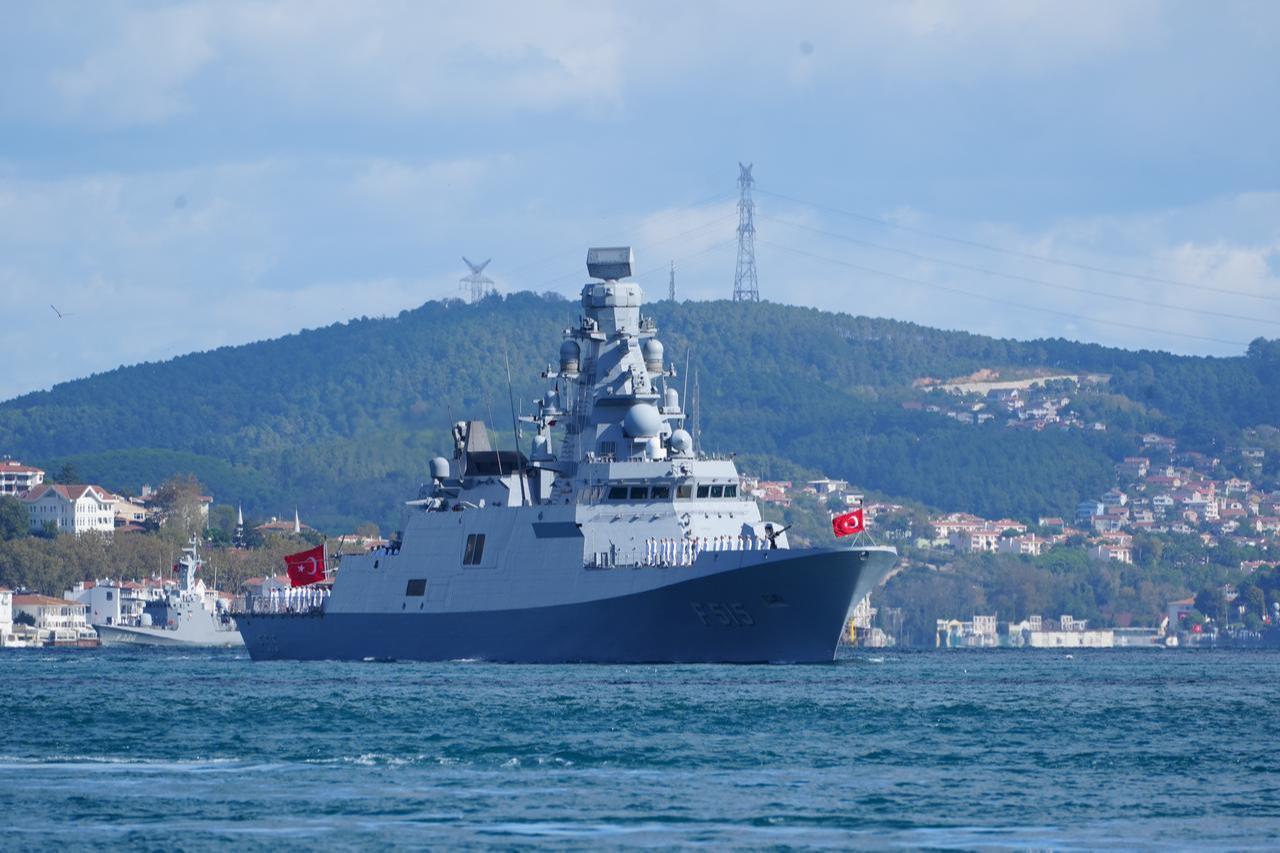
As Türkiye simultaneously builds 39 warships across its shipyards and navigates the complex fallout of CAATSA sanctions, critical questions about the country's defense trajectory demand answers.
From the long-delayed TF-2000 air defense destroyer to the uncertain future of the KAAN national fighter jet, Ankara faces strategic decisions that will shape its military posture for decades.
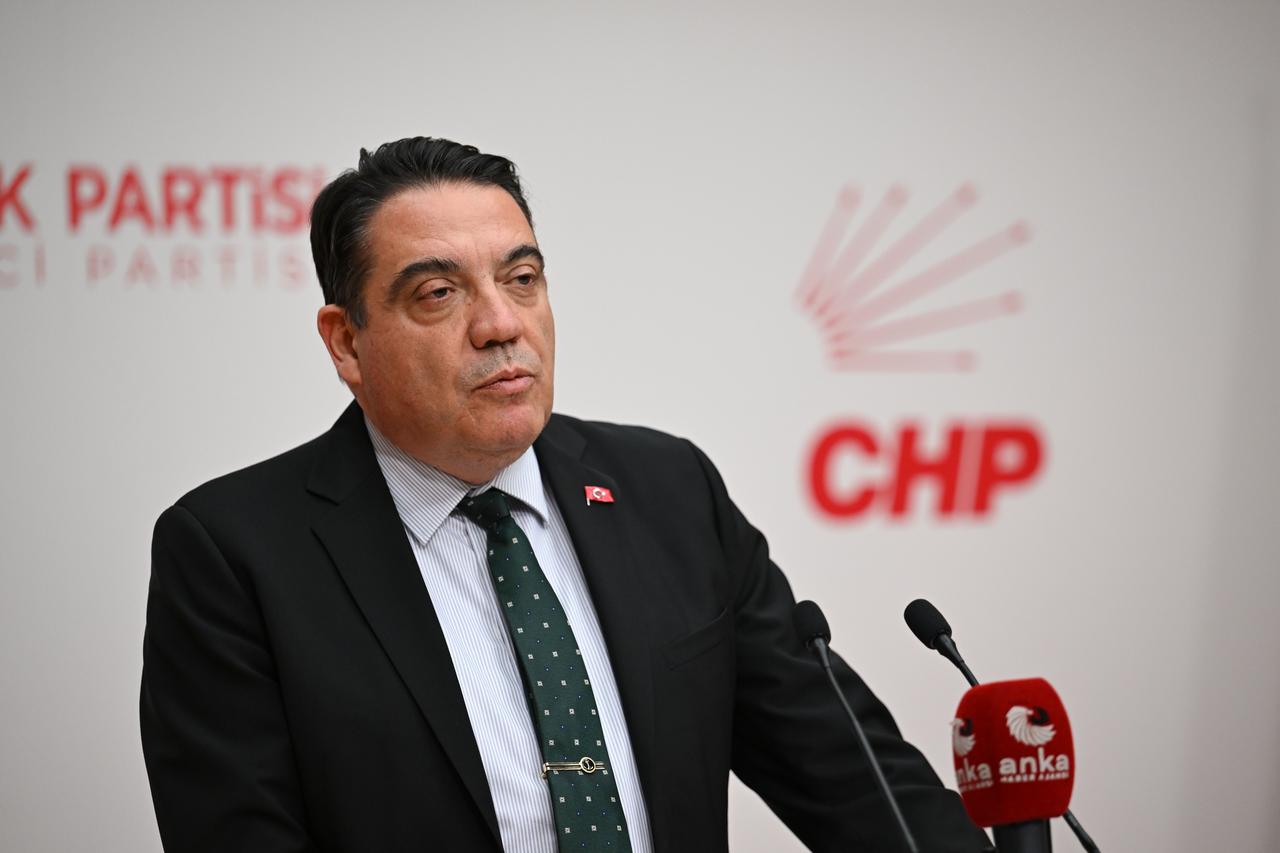
In an exclusive interview with Türkiye Today, the Turkish main opposition Republican People's Party's (CHP) Deputy Chairperson in charge of National Defense Policies and a retired Rear Admiral Yanki Bagcioglu, delivers an assessment of Ankara's defense priorities—warning that platform ambitions without ecosystem integration risk becoming costly symbols rather than combat-ready assets and more.
Q: The Naval Forces Commander emphasized "39 warships being built simultaneously in shipyards." How do you interpret this development, and which of these platforms do you consider an "urgent need"?
A: The numerous crises and conflicts in our region make it imperative for the Turkish Armed Forces (TAF) to be stronger than ever in protecting our national rights and interests.
Some of the ships under construction for the Naval Forces are being realized under the National Ship (MILGEM) Concept in different classes and types. On this occasion, while expressing my gratitude to everyone who contributed, I commemorate with respect the late Force Commanders Vural Bayazit and Ozden Ornek, who initiated the National Ship Project in 1993 and put the stalled project back on track, as well as the Naval Forces personnel who served in the project and paid the price for their success by becoming targets of conspiracies, some even with their lives.
Today, the simultaneous construction of 39 ships of different classes and types, whether combat or auxiliary class, in shipyards is not a momentary preference or a periodic decision. This picture is the field reflection of a threat-based and long-term force planning dating back years. Force planning is conducted within scientific principles based not on daily developments or public perception, but on platform service life, technological effectiveness, and anticipated future threats.
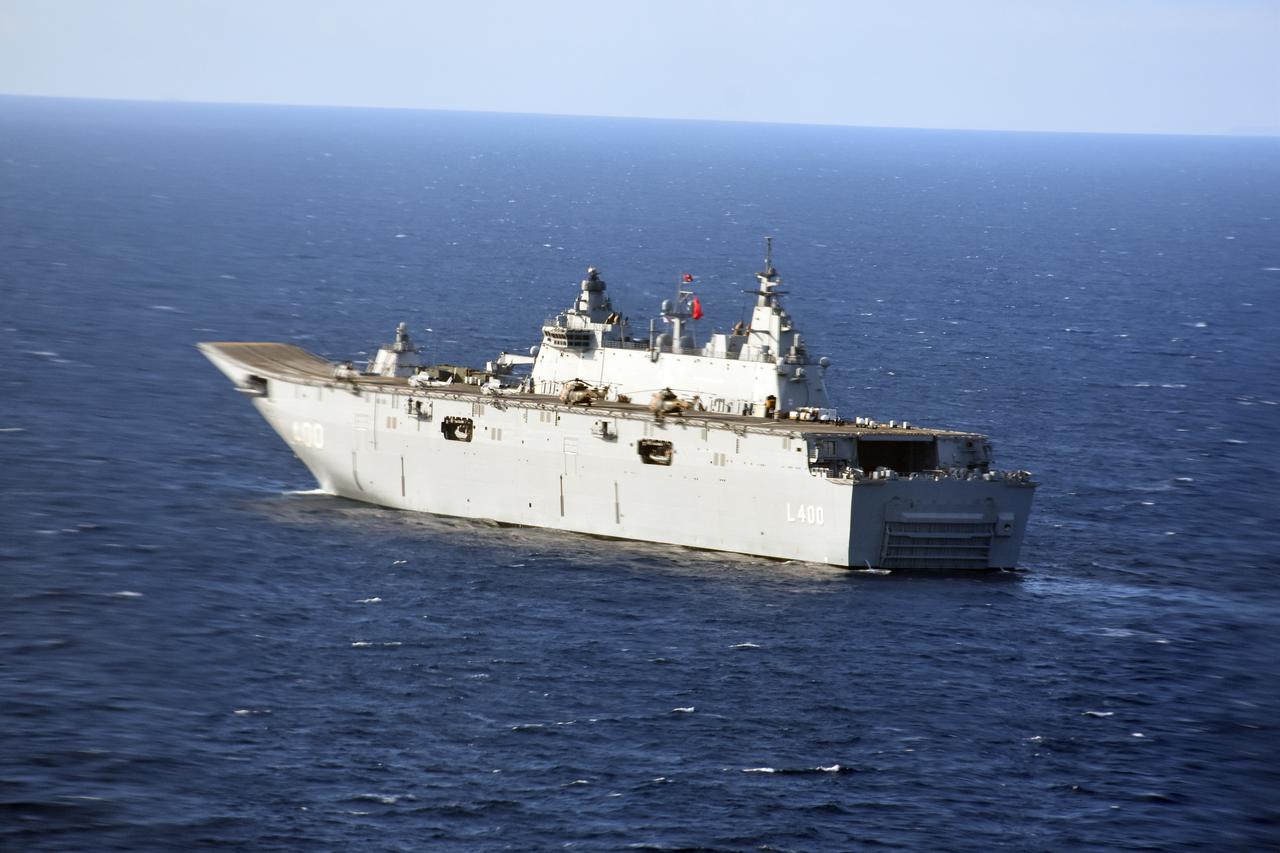
This systematic approach can be explained with a concrete example. The amphibious assault ship, identified as an operational requirement under the Open Sea Operations Concept in the 1990s, entered the inventory as TCG Anadolu in 2022 after the completion of concept determination, design, and construction processes.
Although all projects are determined based on operational requirements, naturally, not all projects have the same priority level. Today, a significant portion of the threats we face in our surrounding seas are predominantly air and missile threats. For this reason, the long-delayed TF-2000 (Tepe class) Air Defense Warfare Destroyer is an urgent, critical, and non-deferrable requirement not only for the Naval Forces but also for Türkiye's comprehensive defense. Unfortunately, there has been a delay in the construction of this platform that will provide forward defense of the homeland against air threats.
Additionally, the frigates and offshore patrol vessels among the ships being built are also of vital importance. A significant portion of ships of this class in the inventory are approaching the end of their service life. If the construction and inventory entry processes of new ships are not accelerated, serious vulnerabilities will emerge in the force structure.
Another point that needs to be emphasized is that, unfortunately, we have not achieved the worldwide success in unmanned naval vessels that we achieved in unmanned aerial vehicles.
Furthermore, the issue is not limited to warship construction; the procurement of weapons and systems that will enhance the operational capabilities of these ships is at least as important as the platforms themselves.
At this point, it would be appropriate to give an example of our national pride, TCG Anadolu. The main mission of TCG Anadolu is force projection from sea and air. The ship is designed for amphibious operations, humanitarian assistance, and rapid response to crisis areas. However, at this stage, there is a serious discrepancy between this mission definition and actual capabilities.
There are no transport helicopters with adequate range and carrying capacity suitable for maritime conditions for the aerial transport of our marine infantry. This situation shows that the requests of operational requirement authorities are not being adequately considered. As a result, without even requiring intervention from an opposing force, the ship's potential has been significantly limited.
This example clearly demonstrates that merely building platforms is not sufficient in defense planning; the integrity of platform, air element, logistics, and doctrine is essential. Otherwise, platforms built at very high costs will struggle to produce the intended capability.

Q: While Türkiye continues to increase its naval capacity, if air power falls behind regional countries, what risks could this create for Ankara?
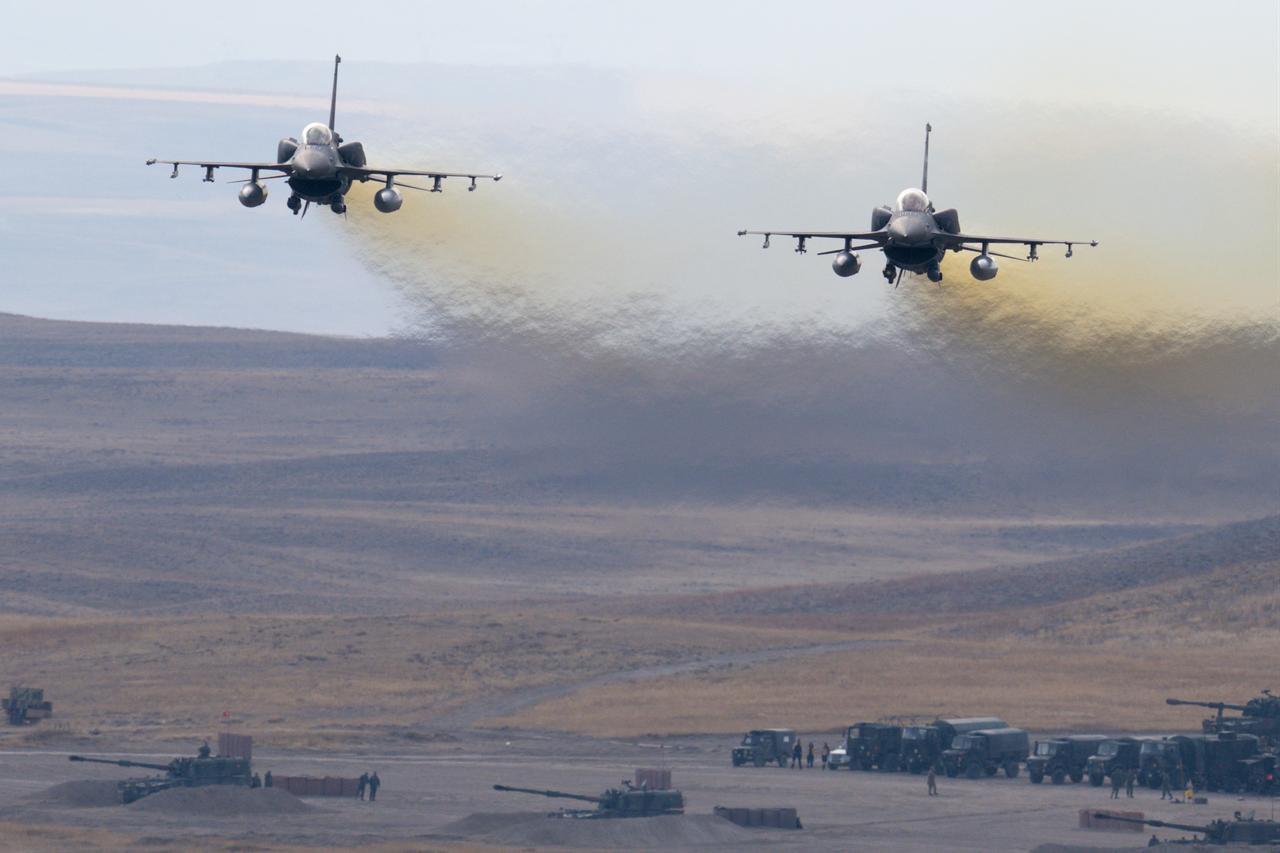
A: The increasing threat environment in the region, the accelerating armament efforts of other states, and the direct impact of potential crises on our national interests make it imperative for Türkiye to accelerate processes for combat aircraft procurement. The measures that need to be taken for our national security against these threats are of a nature that cannot be postponed or deferred.
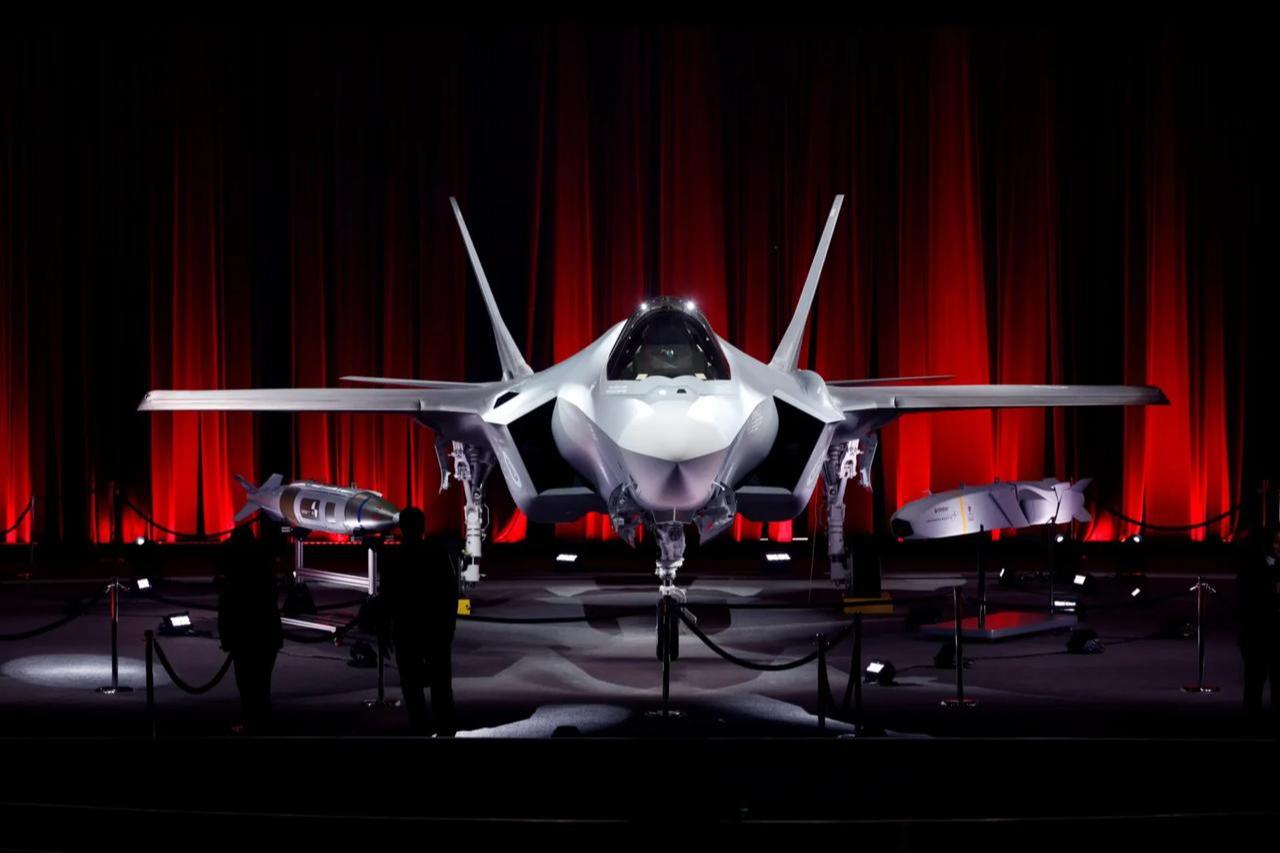
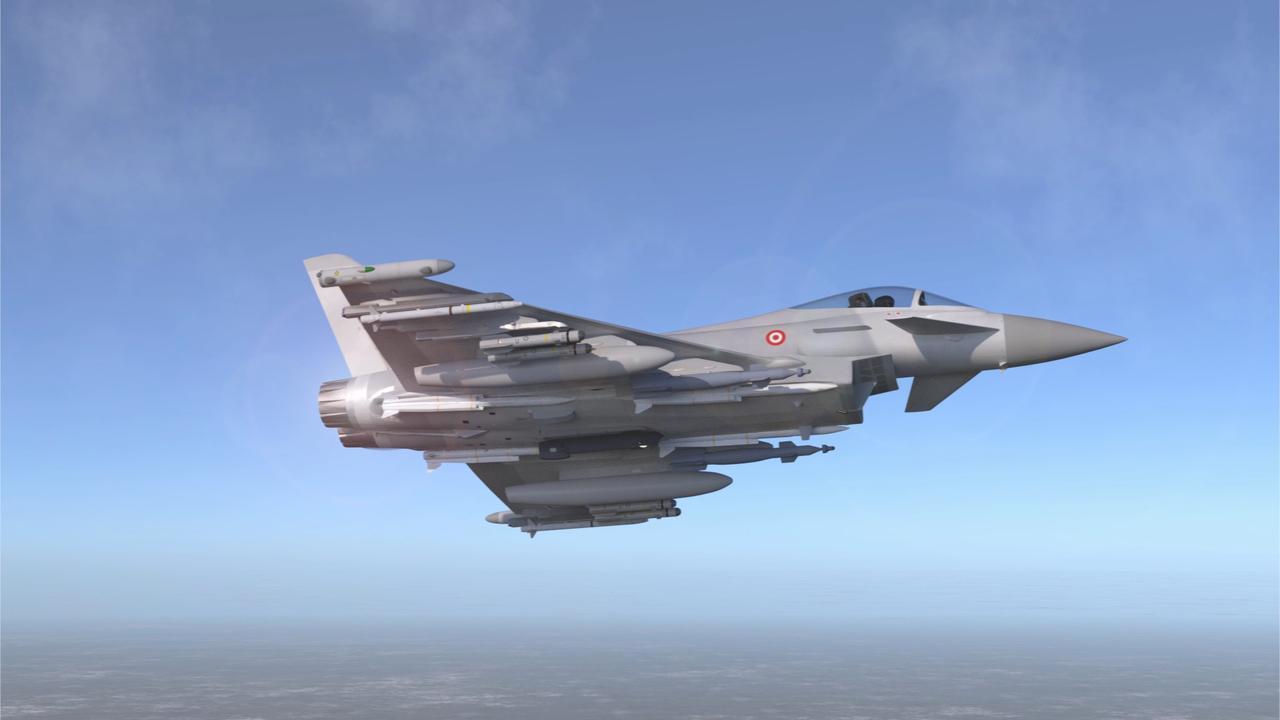
At the current point, the vitally important national F-16 modernization continues despite all difficulties. F-35 procurement was interrupted due to the S-400 acquisition, while the Eurofighter process is being conducted as planned. For the F-35 process to be revived, changes in the U.S. CAATSA and annual NDAA regulations are essential. Regarding F-16 procurement, although Congressional approval exists, the fundamental reason for the lack of progress lies in financial disagreements.
Given this picture, the indispensable and persistently emphasized urgent need is that in every interim solution move that will bridge to KAAN, the views and requirements of the Air Force Command, which bears the responsibility of protecting the Turkish homeland against airborne threats, must be taken as the basis.
On the other hand, there are concerning findings that risks similar to those experienced in the Altay tank project—project management weaknesses, inspection, foresight and planning deficiencies, unrealistic timelines, changes in firm selection, and problems stemming from experience and infrastructure—are also emerging in the KAAN MMU project, particularly in the process of domestically manufacturing the aircraft's engine.
Due to potential difficulties in engine procurement from the U.S., the government and authorized institutions must immediately implement corrective measures such as human resource reinforcement and financial resource allocation for the KAAN MMU and national aircraft engine projects, mobilizing all available means against any negativities that may arise in serial production.
Additionally, despite knowing that CAATSA sanctions have affected many critical projects in our defense industry and will continue to affect them in subsequent periods, the failure to take concrete measures since December 2020 is a management weakness in itself. Due to the wrong defense policies followed in this process, Türkiye was removed from the F-35 program; investments made in the program went unrequited, production and sales shares that could have been obtained in this context passed to other countries; and the country had to bear additional costs to produce alternative solutions for national defense.
Despite all these negativities, the Air Force Command maintains its combat air power and deterrence thanks to its experienced, well-trained, and dedicated flight and maintenance personnel. However, weapons and systems technologies are not standing still; they are developing very rapidly.
Before reaching the critical threshold where technological weaknesses that cannot be compensated for by personnel experience and training emerge, it is vitally important that production, procurement, and modernization processes are completed comprehensively and on time.
Q: Recently, Türkiye's return to F-35 contacts and the "S-400 condition" are back on the agenda. In your opinion, what are the realistic options before Türkiye? Is the real loss for Türkiye the "aircraft" or the ecosystem?
A: In this equation, the real loss is not the aircraft. The real loss is the ecosystem and integration capability. The visible face of CAATSA sanctions is the F-35; on the invisible side, there are numerous sub-components, technologies, and cooperation areas of vital importance to our defense industry.
The problems experienced in interim engine procurement for KAAN are the most concrete and instructive example of this chain effect.
For this reason, the issue of returning to F-35 should be addressed through the question of which ecosystem, under what conditions, and to what extent Türkiye will reintegrate, rather than platform numbers.
It is not correct to evaluate combat aircraft as single-type platforms. Each aircraft is designed for specific missions, and the right result is achieved by using the right aircraft for the right mission.
In this framework, the F-35 should not be the backbone of the Turkish Air Force. However, its presence in the inventory can provide significant gains in terms of training, doctrine development, analyzing the aircraft's capabilities, closely familiarizing with fifth-generation capabilities, being in the same ecosystem, and learning different tactics.
Of course, the final decision on this matter should be made by the Air Force Command, the authority responsible for the air defense of the Turkish homeland. Similarly, such strategic decisions must be shaped based not on short-term political or economic motives, but on long-term security needs, institutional experience, and operational realities.
Q: While Türkiye says there is no change in its S-400 stance, contacts for lifting CAATSA sanctions continue. In your opinion, what would be the most rational "end state" in this equation? Which formula carries the lowest risk for Türkiye's security and alliance relations?
A: Technological and operational independence in the skies is a fundamental goal; however, it is not possible to achieve this goal with imported aircraft. Nevertheless, there is a need for a wide capability spectrum consisting of aircraft with different roles that can be used with maximum proficiency during the development process and in subsequent periods.
The wrong defense planning and management over the past 20 years have seriously weakened our national security. In this picture, the critical and most important issue is to remove Türkiye from CAATSA sanctions caused by the S-400 acquisition.
The visible face of these sanctions is the F-35; however, the real problem is the inability to procure many critical sub-components vital to our defense industry due to sanctions. The difficulties experienced in interim engine procurement for KAAN MMU are one of the most concrete examples of this weakness. Indeed, while 10 engines were procured from the U.S. for prototypes in 2017, the supply of 80 engines planned for the interim period was suspended when sanctions came into effect in 2019.
In addition, the national air defense system procurement process has also been seriously disrupted due to S-400 procurement.
If this picture is not a lack of awareness and foresight, what else can it be explained by?
Q: Türkiye is simultaneously pursuing U.S. (F-16), European (Eurofighter), and domestic projects in the same period. In your opinion, does this multi-track approach give Türkiye flexibility or produce complexity/cost? What principle is essential for this strategy to succeed: schedule discipline or common standards?
A: It is wrong to evaluate combat aircraft as single-type platforms. Each aircraft is designed for specific missions, and the right result is achieved only by using the right aircraft for the right mission. Therefore, the issue should be addressed not through the question "which aircraft is better?" but through "which mission should be executed with which aircraft?"
In this framework, there is a need for a wide capability spectrum consisting of aircraft with different roles that can be jointly used with maximum proficiency during KAAN's development process and in subsequent periods.
I do not believe that this structure will create complexity since all aircraft planned for procurement are of NATO standards. On the contrary, thanks to the high experience of the Turkish Air Force's flight and maintenance personnel and having a command structure operating at NATO standards institutionally, it is assessed that the maintenance and operation of different platforms can be executed effectively and sustainably.
In this context, what needs to be done from now on is clear and explicit:
The targeted structure for the 2030s should be:
This approach will guarantee not only platform diversity but also operational flexibility, deterrence, and long-term air power sustainability together.
Q: Within the tempo of 39 ships, an aircraft carrier goal is also being discussed. In your opinion, what could be the justification for such a platform for Türkiye?
A: Recent regional and global developments and the changing and deepening threat environment clearly demonstrate that the aircraft carrier project should not be rushed and that priority should be given to projects that directly affect national security.
The goal of having an aircraft carrier is not new. This vision was defined years ago by the Turkish Naval Forces Command within the framework of "long-term operational requirements." However, when this goal was determined, the operational environment and requirements of that period were taken as the basis. Today, however, the lessons learned from recent wars and conflicts, developments in neighboring countries and our region, and increasing threats to our survival make it imperative to reassess operational priorities in many areas, especially air defense and air power.
Today, there are numerous urgent projects of a non-deferrable nature for our country's security, and the resources that can be allocated for these projects are limited. Among the priority projects are: accelerating the production and development process of the National Combat Aircraft KAAN, urgently implementing the Steel Dome Air Defense System with all its components and targeted capabilities, completing without delay the TF-2000 Air Defense Warfare Destroyer project that has remained incomplete for approximately 25-30 years, meeting the Land Forces Command's tank and armored vehicle requirements, establishing integrated reconnaissance and surveillance systems in our surrounding seas, modernizing weapons and systems reaching the end of their service life, and expanding national weapon systems.
In addition to these, there are also critical and vital requirements such as addressing the inadequate infrastructure needs of barracks and bases, and solving personnel housing problems.
Allocating resources to a platform with high cost and high operating expenses like an aircraft carrier before these projects are completed carries serious risk both economically and operationally.
An aircraft carrier is not merely a platform but a task force in itself. For this task force to be used effectively, merely building the ship is not sufficient. At least 40-50 combat aircraft to operate on it, UAVs and unmanned combat aircraft to conduct coordinated operations with them, airborne early warning and control aircraft, electronic warfare and transport platforms; marine versions of all these elements suitable for maritime conditions along with technical-maintenance infrastructure and air defense warfare destroyers must also be procured simultaneously.
If Türkiye had been able to procure at least a squadron of F-35B models, today TCG Anadolu could at least serve in the status of a light aircraft carrier. However, wrong steps taken in foreign policy and factors such as the S-400 process have eliminated this strategic opportunity. This situation also clearly shows how directly defense industry policies are affected by foreign policy.
Economic realities should not be ignored either. Today, the construction cost of modern aircraft carriers similar to the national aircraft carrier is approximately €4 billion ($4.66 million); annual operating and maintenance costs are approximately €110 million. Prioritizing such a high-cost platform before deficiencies in defense infrastructure are addressed means sacrificing long-term goals for short-term and populist approaches.
In conclusion, considering the threats to our national security and the critical projects that must be urgently implemented to ensure our survival against these threats, the "Aircraft Carrier Project" should be reassessed. Absolute priority must be given to areas that directly affect our national security, such as air defense and offensive air power.
Our defense industry must be managed, not indexed to election periods but with state wisdom, long-term planning, and institutional discipline. Our national achievements have emerged through the efforts of tens of thousands of people from every political view. Making this effort a tool for daily political calculations or viewing it as an election investment is the greatest injustice that can be done to this endeavor. The national defense industry is the common national pride of all of us, and our fundamental principle in this field should always be to move forward.
"So far we have talked about modern weapons and systems that will enter the inventory of the Turkish Armed Forces. However, the element that will truly give life to these weapons and systems is personnel with high morale and motivation, a strong sense of belonging, merit, and good training. The essential element that makes modern weapons and systems meaningful and effective in the field, transforming them into a real force multiplier, is the human element. Despite this, today a significant portion of active and retired military personnel, especially retired non-commissioned officers, retired majors, retired specialist sergeants, and retired civil servants, are struggling to survive on salaries below the poverty and even hunger line," he noted.
"The housing problem for active personnel is becoming increasingly severe; in some regions, personnel are forced to spend nearly half their salary on rent. On the other hand, there is no legal and sustainable employment mechanism for specialist sergeants and contracted soldiers leaving the Turkish Armed Forces. Injustices in personal and social rights seriously jeopardize the recruitment and retention of qualified personnel; younger generations are increasingly less likely to choose the military profession. This picture damages the spirit of military brotherhood and is turning into a structural problem with a direct national security dimension," Bagcioglu stated.
"Many countries, especially the United States and the United Kingdom, have recognized that personnel welfare is an integral part of military capacity and have begun to take corrective measures in this area. Indeed, the U.S. Navy allocated $1.2 billion for housing maintenance and repair despite halting a new frigate program due to resource constraints," he added.
"In Türkiye, however, a picture has emerged where commitments made to retired non-commissioned officers are not being fulfilled, and without exception, retired military personnel receive salaries below the poverty line. Ignoring the grievances of military personnel at the hunger line creates a serious sense of injustice. For this reason, with the 2026 budget, fundamental and permanent improvements must be made to the personal rights of active and retired military personnel; the housing problem of active personnel must be definitively resolved," he said.
"Similarly, the sustainability of defense power is possible not only through platform and technology investments but through the welfare, motivation, and sense of justice of the human element that carries this power," Bagcioglu concluded.


 Set as preferred source
 Set as preferred source


 2 min read