

 Newsletters


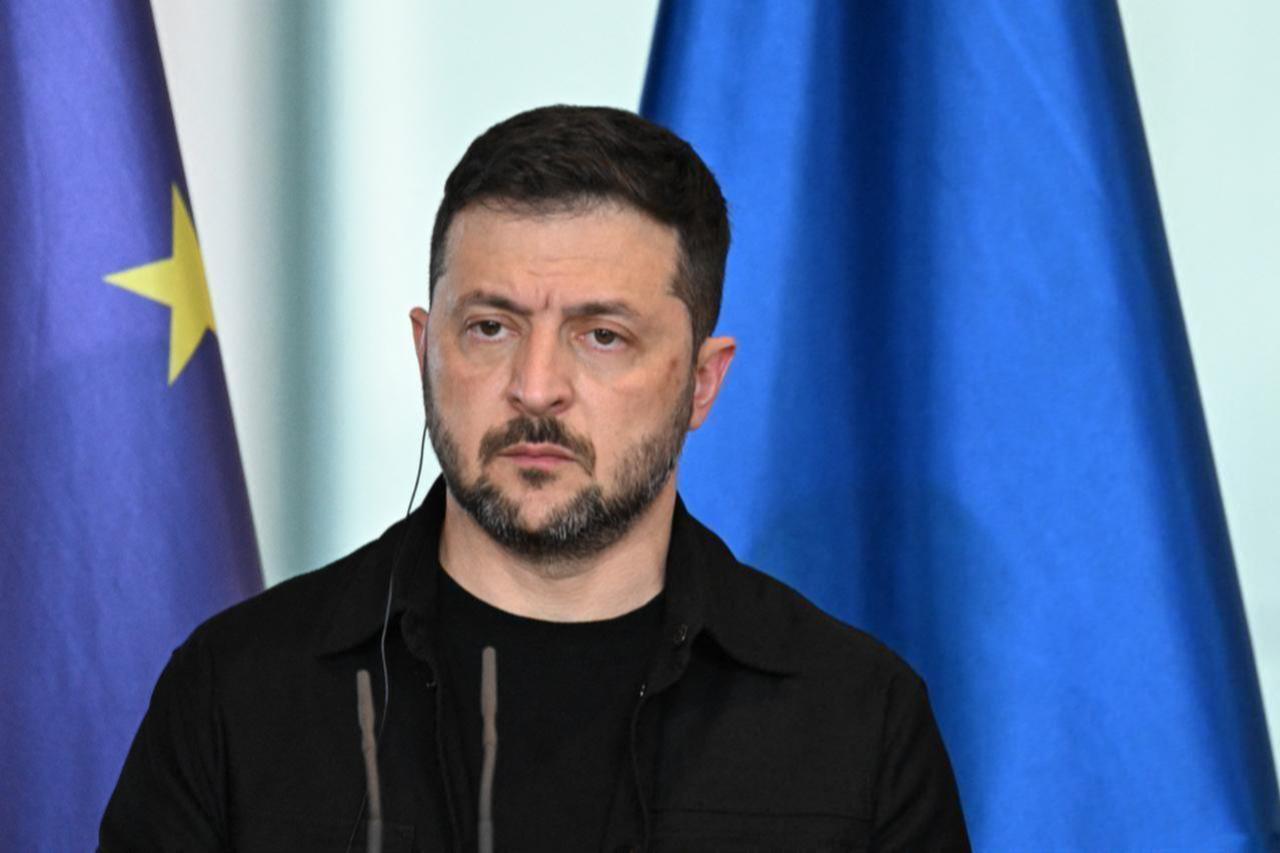


Ukrainian President Volodymyr Zelenskyy said he is ready to meet Russian President Vladimir Putin in Türkiye. He also said Kyiv would welcome Turkish mediation, including a possible three-way leaders’ summit hosted by Türkiye.
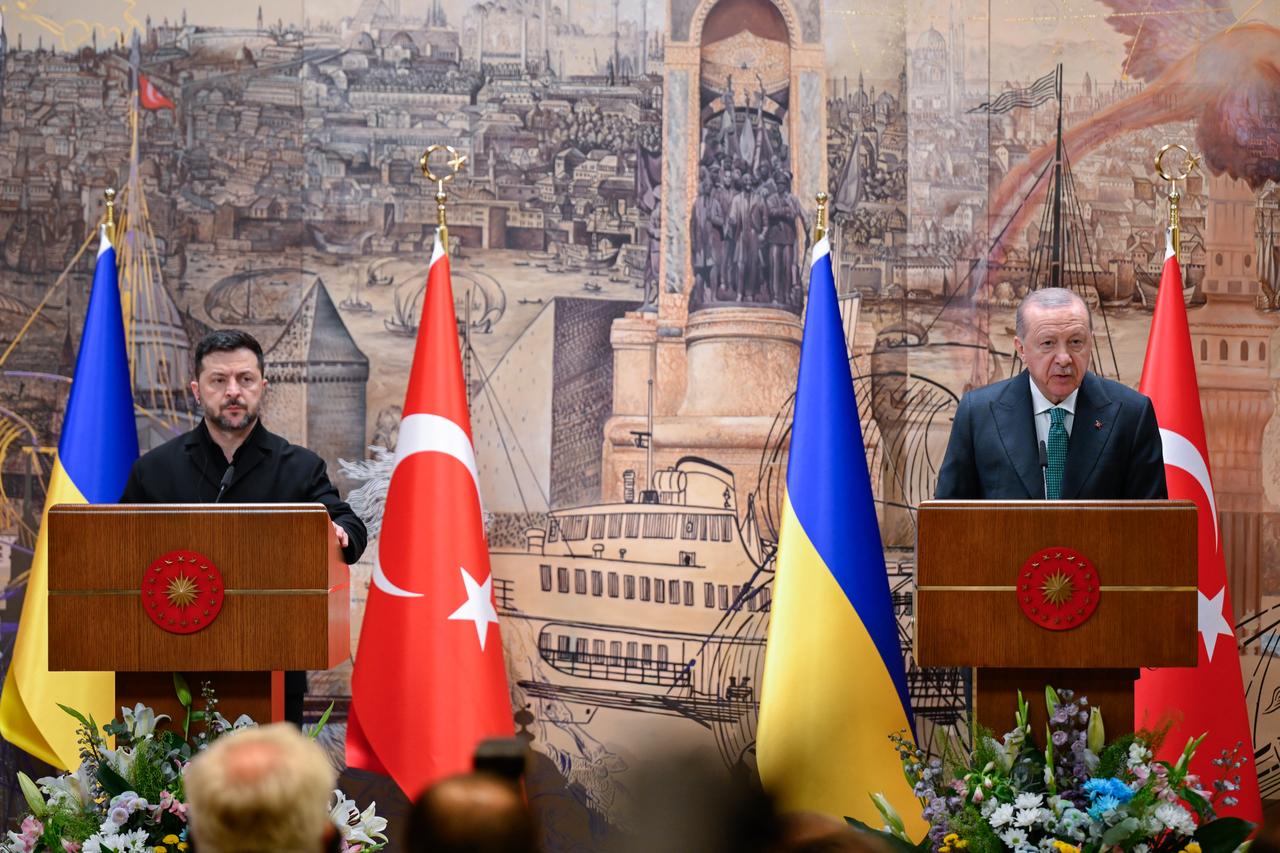
Zelenskyy spoke to CNN Turk in Istanbul after talks with President Recep Tayyip Erdogan. It was their third face-to-face meeting in four months. He said the two leaders discussed a three-way meeting in Türkiye, and that Kyiv would accept it and “only be happy” if Ankara could make it happen.
He pointed to Erdogan’s relationships with both Putin and U.S. President Donald Trump as an asset. Russia’s war on Ukraine enters its fifth year on Feb. 24, and Zelenskyy said it must end and that its hot phase should at least move into diplomacy. “I hope for Türkiye’s mediation,” he said.
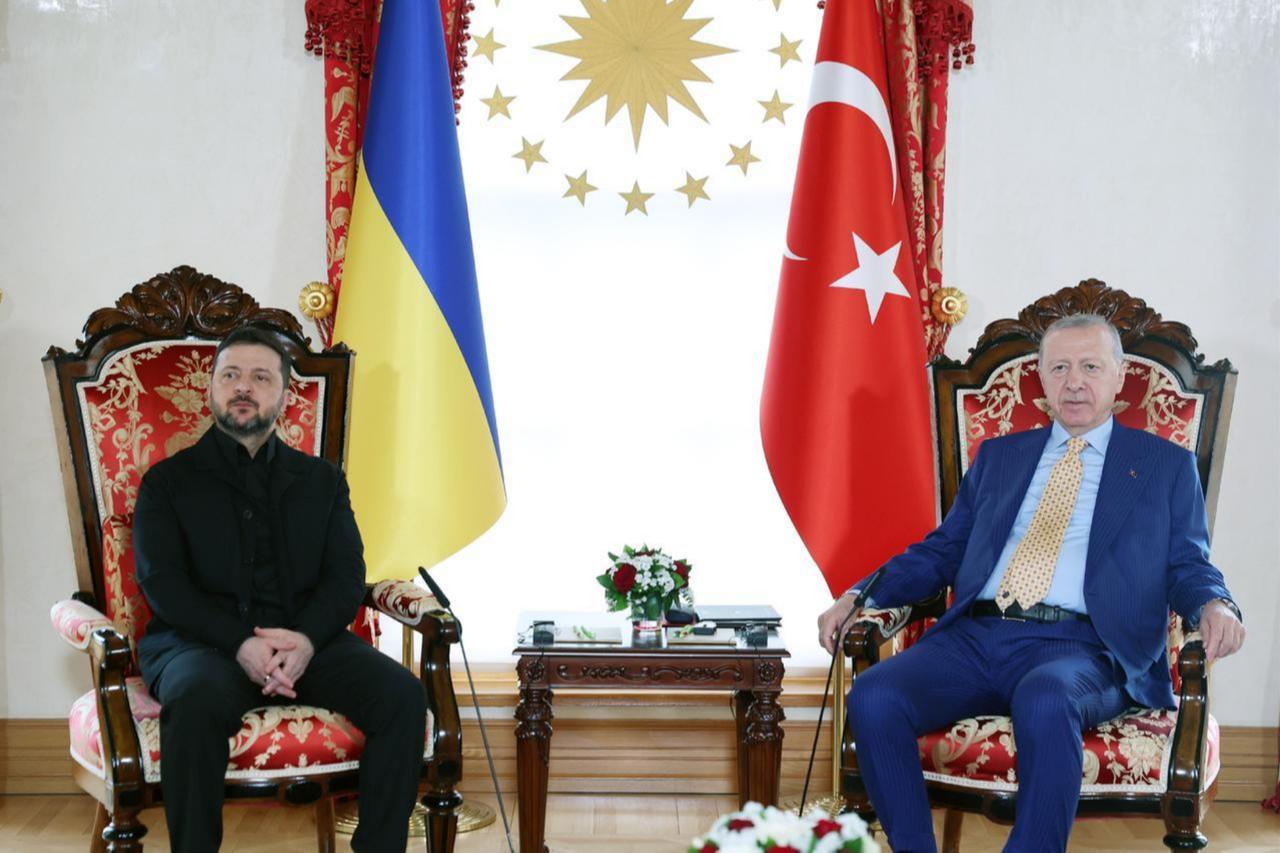

Zelenskyy said he and Erdogan discussed an energy ceasefire as winter approaches and Russia continues ballistic missile attacks. “Energy means life,” he said, stressing the importance of people’s access to electricity.
The two leaders also addressed food security and how to ensure safe navigation and freer trade in the Black Sea.
Zelenskyy said removing obstacles there concerns Russia and Ukraine alike, as well as exporting countries and the countries that rely on those exports.
He recalled Erdogan’s role in the 2022 Black Sea grain corridor, which he said was vital for food security when Russia blocked Ukrainian ports.
The agreement, brokered with the United Nations and signed in Istanbul in July 2022, allowed Ukrainian grain shipments to resume. Russia withdrew from it in July 2023.
Zelenskyy said the corridor enabled shipments to Africa and other countries that needed them, calling them critical to those countries’ survival.
Zelenskyy said Ukraine has not received a formal invitation, but that signals from various negotiators suggested Trump would invite Kyiv to the G20 summit and make an effort to end the war. He said Ukraine would support a formal invitation.
In what CNN Turk framed as a message to Trump and Xi, he rejected the idea of other powers settling Ukraine’s future without Kyiv.
“You cannot decide Ukraine’s fate without Ukraine,” he said, adding that sovereignty and territorial integrity cannot be discussed without Ukraine. Many leaders have tried to decide Ukraine’s fate without it, he said, and none produced a result. He said a deal that works requires the warring parties at the table.
Zelenskyy noted that Russia had said it would take Ukraine in three days, yet has failed to do so in nearly five years.
Zelenskyy declined to comment on U.S. elections, calling them an internal American matter, though he said Ukraine objects to attempts to draw it into that process.
He said Putin “understands nothing but the language of force.” Zelenskyy acknowledged that Ukraine strikes Russian diesel, but said this has no effect on prices in the United States or elsewhere. He put Russia’s share of global exports at 2.2%, “closer to zero than to any real impact.”
He attributed rising energy prices in many countries, Ukraine included, mainly to the war in the Middle East and the closure of the Strait of Hormuz, which he said should be reopened by ending that conflict.
Zelenskyy said Washington is directing far more resources to the Middle East and that the war with Iran is currently its priority, which Ukraine understands and accepts. He said the United States sometimes uses softer language toward Russia, apparently to keep Moscow from helping Iran, even though Russia and Iran are already allies.
Easing sanctions, he said, gives Russia more revenue that is turned against Ukraine, allowing more ballistic attacks aimed at leaving Ukrainians without heat, water and logistics in winter. Russia, he argued, cannot be persuaded by being embraced and responds only to strength, which he said the United States and other partners possess.
Zelenskyy said a Turkish-Ukrainian business forum was held alongside the talks, and that Ukraine will host Turkish energy companies next week. He expects joint projects, including defense industry cooperation.
He recalled that Erdogan told him at their first meeting that the two countries needed a free trade agreement. Many in Zelenskyy’s circle opposed the idea at the time, he said, but the two sides set a $10 billion trade target. He said trade reached $8 billion before the year ended despite the war, and that the free trade agreement took effect on Oct. 1.
Zelenskyy added that the two countries will also work together on space technologies. “It’s not an easy job, you’ll admit,” he said, but he described security and developing Ukraine’s own technology as important for both states.


 Set as preferred source
 Set as preferred source


 1 min read
 1 min read


