Newsletters


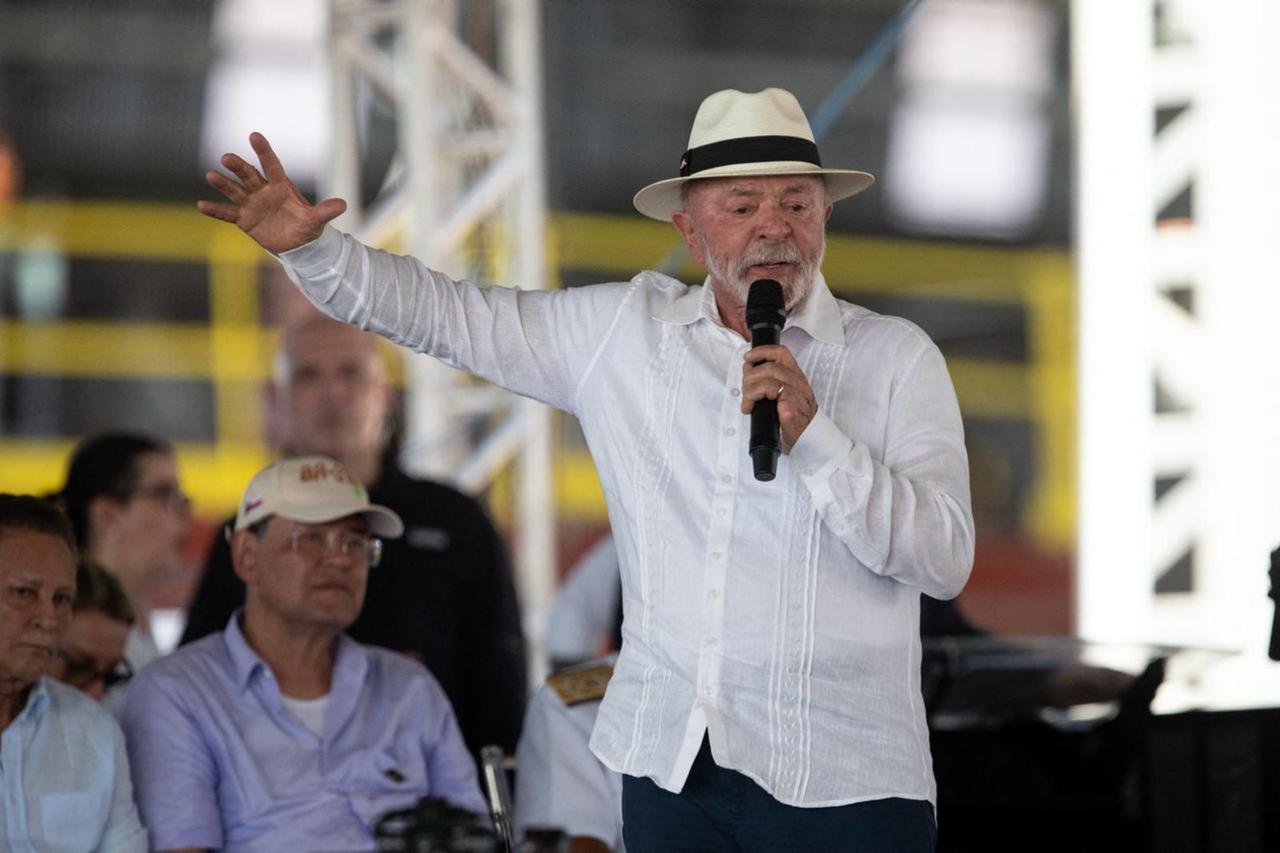


On Oct. 4, 2026, an estimated 120 million Brazilians will head to the polls for presidential, legislative, and state-level elections. Alongside the presidency and the National Congress, 26 states will elect their governors and local parliaments. For the presidential and gubernatorial races, a second-round runoff will follow three weeks later on Oct. 25 if no candidate secures more than 50% of the vote.
The centerpiece of the election remains the race for the presidency.
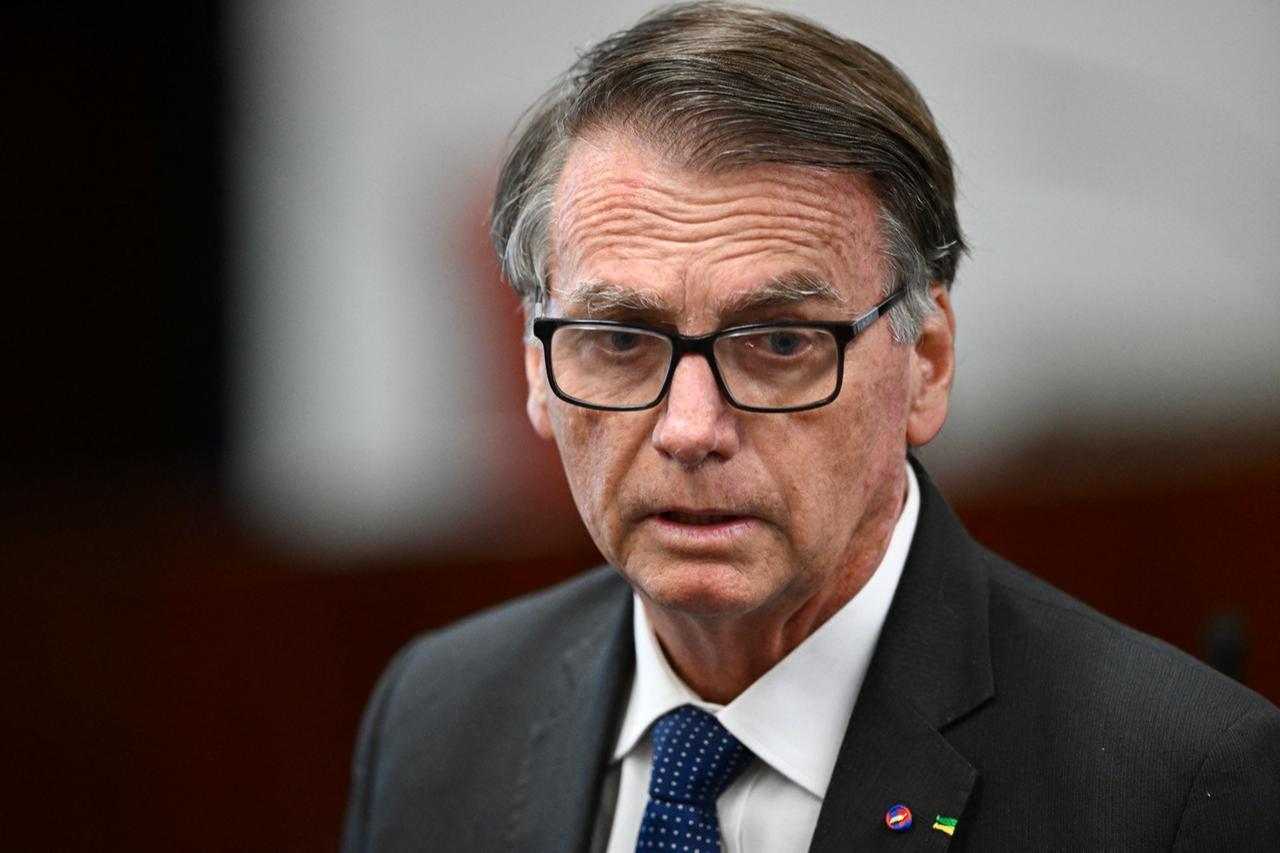
Luiz Inacio Lula da Silva is seeking a fourth term following his narrow 2022 victory over right-wing populist Jair Bolsonaro. The elder Bolsonaro has been imprisoned since November 2025 and is barred from public office until 2030, facing numerous criminal charges. The most significant among them is his role in the early 2023 riots, where his supporters stormed federal buildings in Brasilia to pressure the military into overturning Lula’s election victory.
While Bolsonaro denies any involvement in the unrest, both he and Lula remain highly divisive figures in a deeply polarized nation. With more than half the population viewing the two leaders unfavorably, October's vote is increasingly shaped by negative partisanship, as Brazilians are more likely to vote against a candidate than to vote for one. This sentiment naturally fuels the support for both Lula and Bolsonaro as the top two contenders and works against any third candidate.
However, Bolsonaro is hardly out of politics. His son, Flavio, is the main contender against Lula as his father’s proxy. Recent polls show Lula holding an eight-point lead over the younger Bolsonaro in a potential runoff.
Despite his advantage, Lula is unlikely to surpass the 50% barrier in the first round, with his numbers lingering around 47%. With less than three months until the election, Lula remains positioned to secure a fourth term.
One issue that can hurt him in the final weeks of his campaign is his health. At 80, Lula’s increasingly frail health is a concern for the voters, and any new difficulty in this regard could hurt him politically.
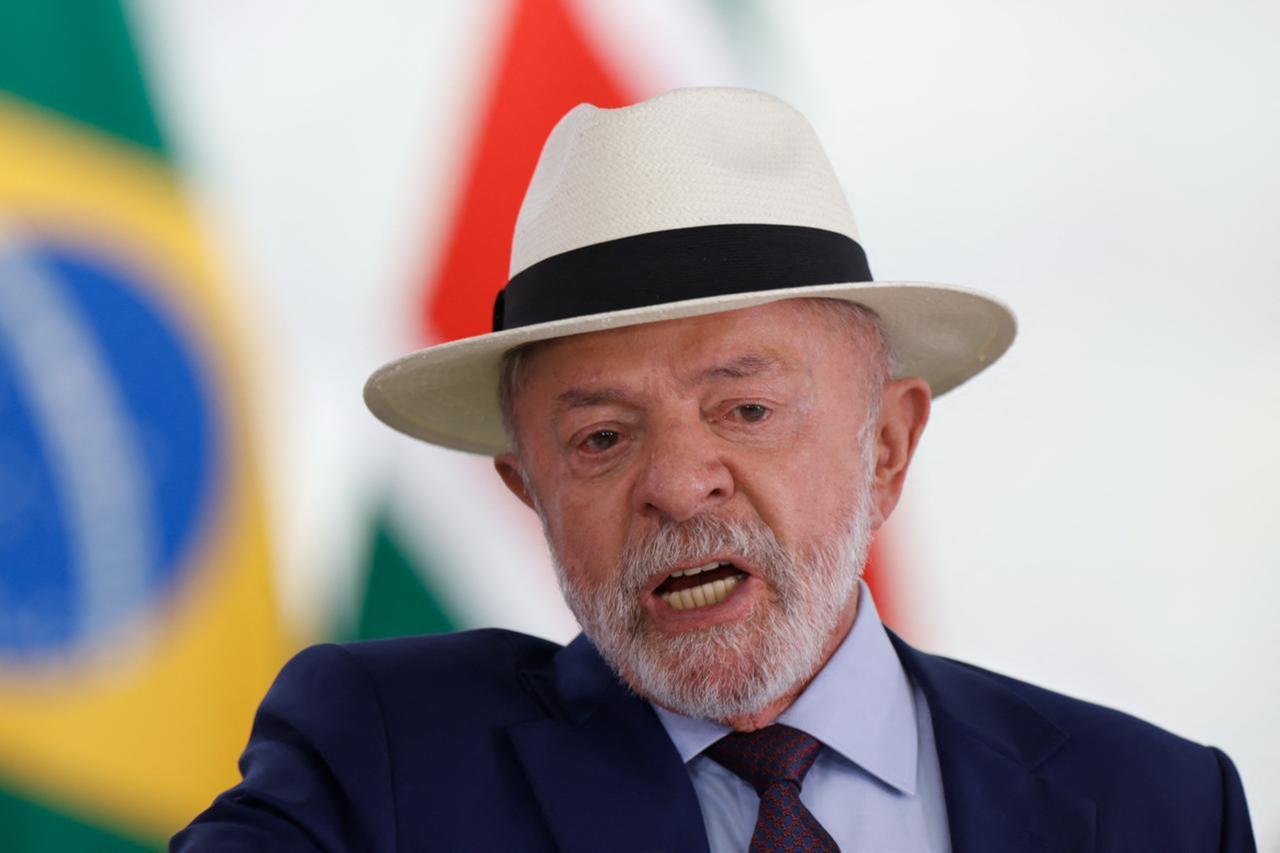

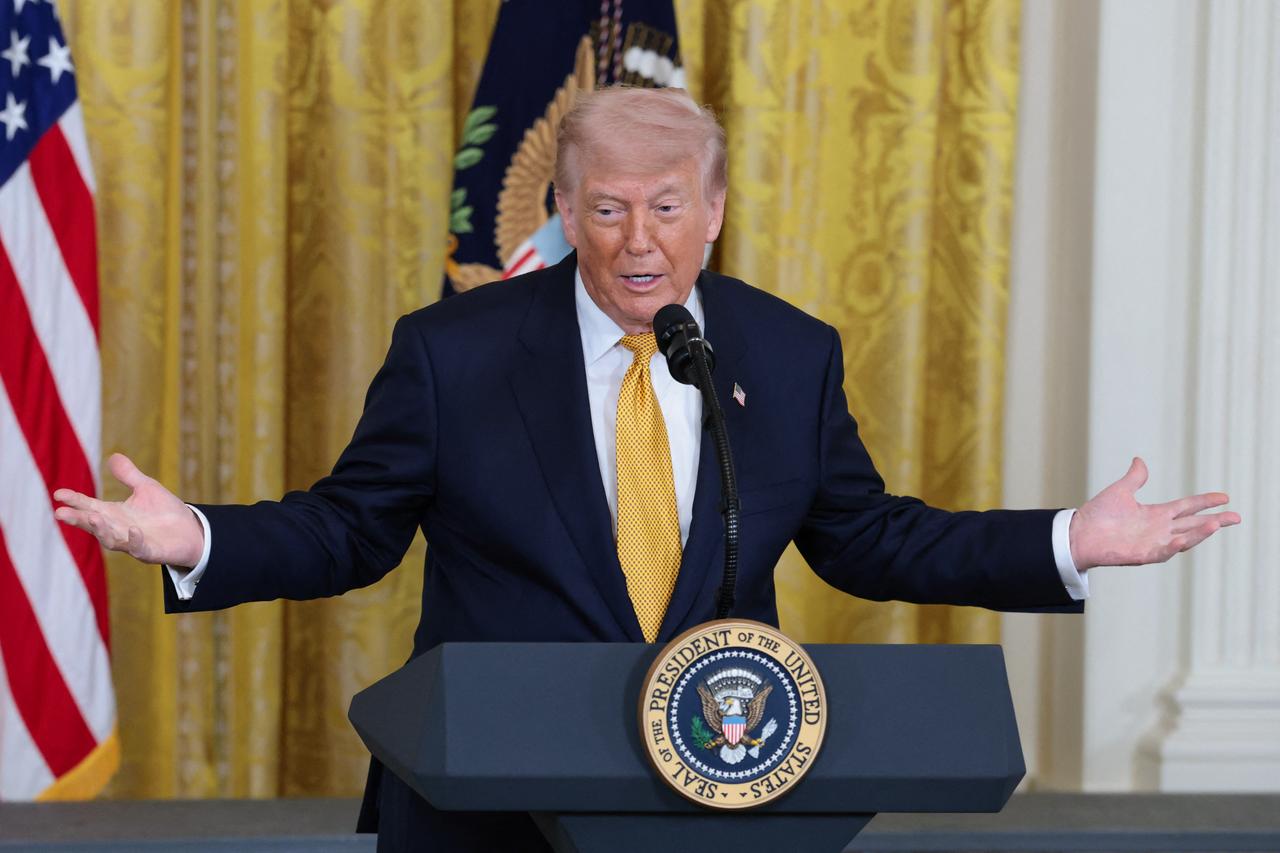
The United States has emerged as a primary flashpoint in Brazilian politics following the inauguration of the second Trump administration. President Donald Trump, who has long viewed Bolsonaro as a close ideological ally, has repeatedly accused the Lula administration of politically persecuting the former leader. Trump frequently describes the legal proceedings against Bolsonaro using the same terminology he applies to his own legal challenges: a "witch hunt."
The close relationship between Bolsonaro and Trump stems from their shared populist worldview. Trump's active support for Bolsonaro aligns with his broader Western Hemisphere policy, wherein Washington openly backs right-wing candidacies across Latin America.
Following Washington's weighing in for his opponent last month, Lula warned against foreign intervention in Brazil's democratic processes. Washington’s disdain for leftist Lula has not been limited to rhetoric; it has extended to economic warfare characterized by punitive trade actions, like sweeping U.S. tariffs on Brazilian imports.
In 2024, just before President Trump’s return to Washington, U.S.-Brazil trade had reached a staggering $127 billion. Then, in July 2025, the U.S. hit Brazil with a 40% tariff policy. However, these trade penalties were struck down in February 2026, alongside other "Liberation Day" tariffs enacted on April 2, 2025.
The rollbacks occurred after the Supreme Court ruled that the administration had exceeded its constitutional authority by weaponizing the Emergency Powers Act to bypass Congress.
 1 min read
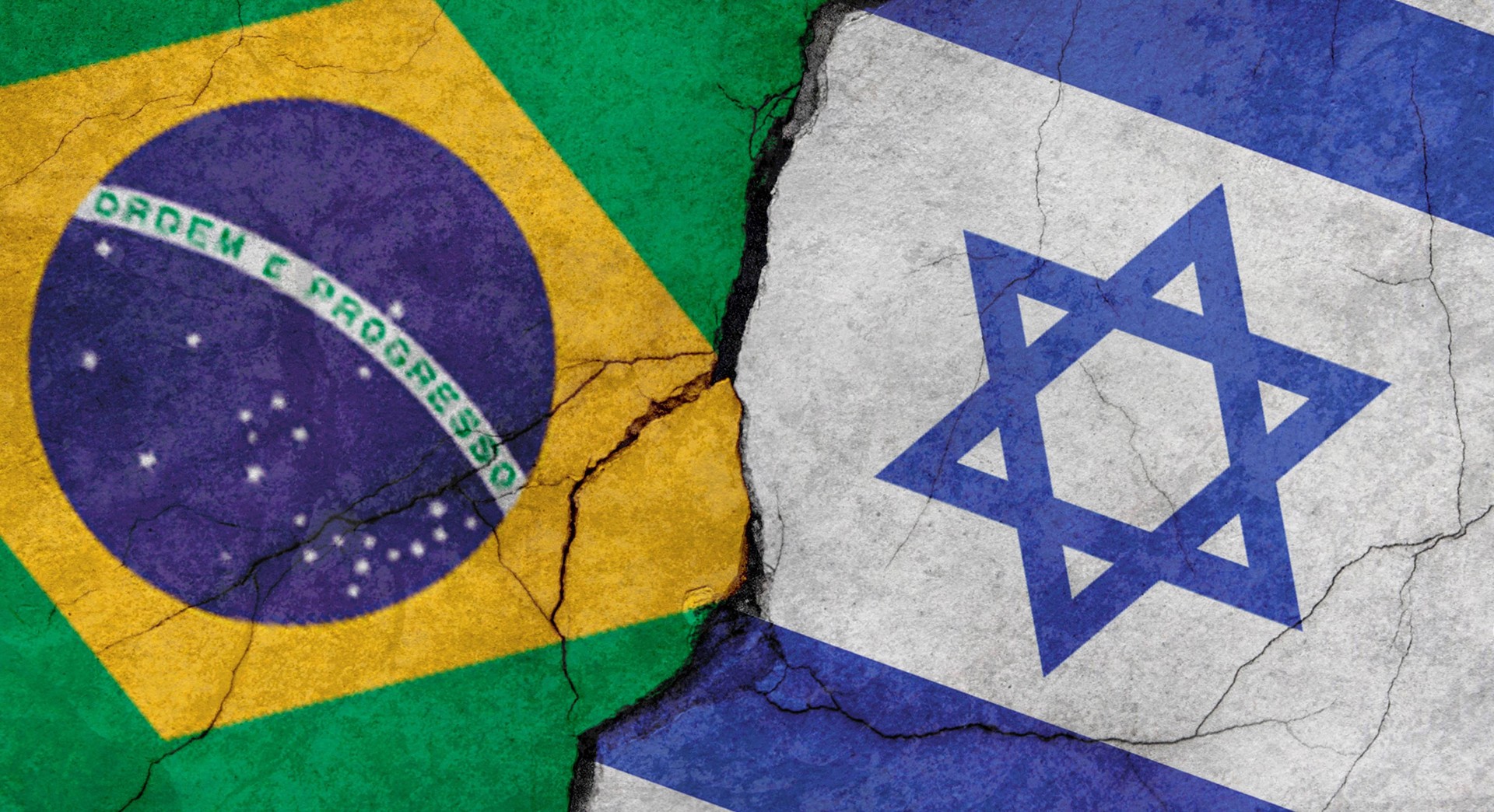
Changing tactics, the Trump administration then used Section 301 of the U.S. Trade Act to launch an investigation into Brazil. The probe targets alleged unfair trade practices, including digital trade and social media censorship policies, weak intellectual property protections, and barriers to U.S. ethanol.
Washington has been particularly critical of Brazil’s regulatory pressure on American tech giants X and Meta to eliminate hate speech and anti-democratic content. Citing these tech disputes, the White House announced a new 25% tariff scheduled to take effect on July 22, following months of failed bilateral negotiations. These upcoming levies will mark the first trade penalties to officially take effect under Section 301.
However, Lula is unlikely to suffer politically from Washington's aggressive trade maneuvers. The tariffs have been fermenting a patriotic reaction in Brazilian society. Voters are more likely to rally around Lula for standing up for Brazil. Even Flavio reportedly warned Washington that the trade penalties would ultimately bolster Lula’s reelection campaign, despite their adverse effects on the broader Brazilian economy
To ordinary citizens around the world, Brazil’s election matters for a singular reason: it dictates the survival of the Amazon rainforest. Former president Bolsonaro openly favored short-term economic development over environmental safeguards, a policy direction that sparked a catastrophic surge in deforestation.
The crucial role of the Amazon for the global climate systems makes the well-being of this forest a grave concern for the international community.
Conversely, Lula’s track record on the Amazon is significantly better—making the preservation of the planet's largest rainforest a primary reason to cheer for his victory this October.


 Set as preferred source
 Set as preferred source


 1 min read