Newsletters


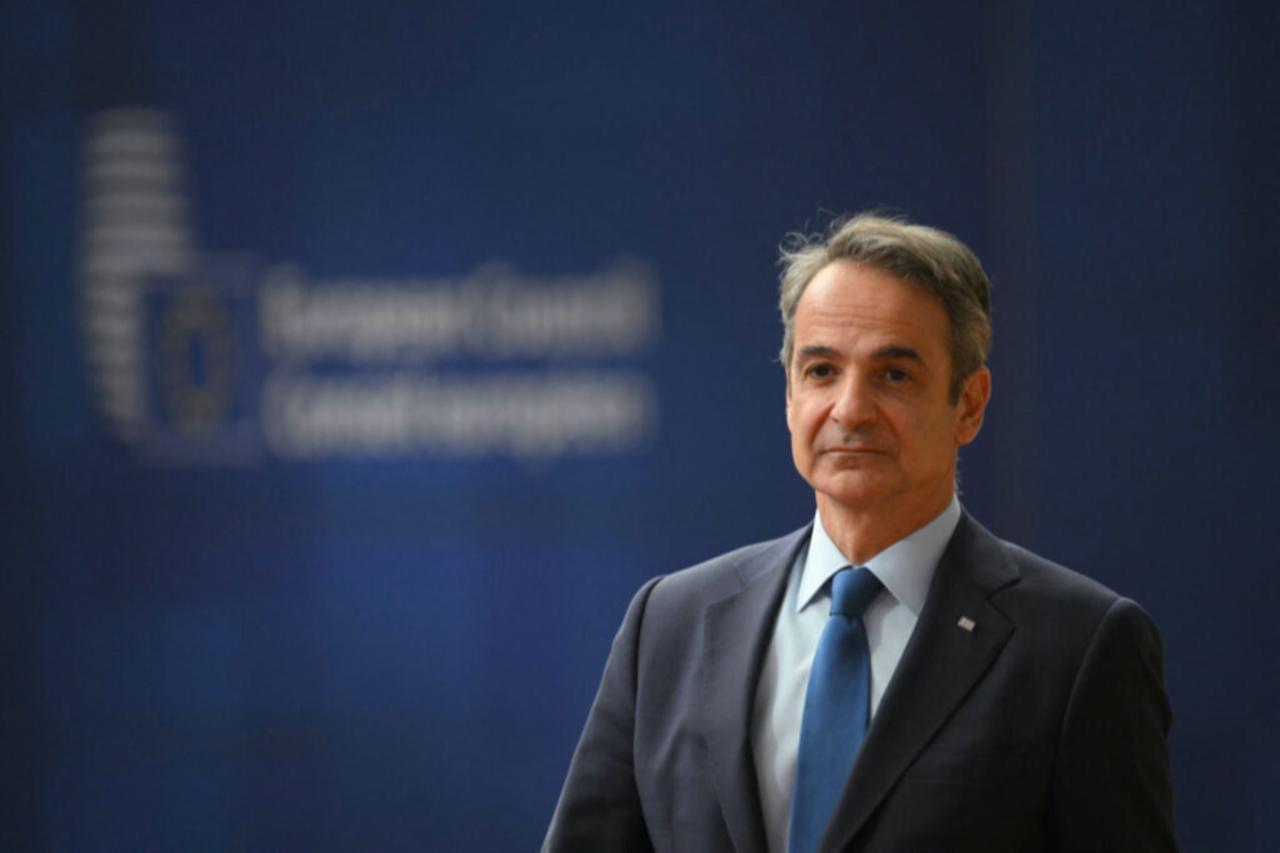


The recent crisis that has erupted in Greece’s agricultural subsidy system may appear, on the surface, to be a case of financial irregularities; however, upon closer examination, it points to a multi-layered scandal that exposes structural problems concerning state capacity, political ethics and the functioning of European Union oversight mechanisms.
As part of an investigation conducted by the European Public Prosecutor’s Office (EPPO), approximately €23 million ($26.83 million) in EU agricultural funds had been improperly allocated based on false declarations since 2018. This revelation has brought the matter squarely into the realm of political accountability.
The fact that a wide network of individuals, including 11 MPs from the ruling New Democracy (ND) party, have been named as suspects in the investigation file suggests that the scandal is systemic in nature.
At the heart of the scandal is OPEKEPE, the Greek agency responsible for distributing between €2 billion and €3 billion in annual EU agricultural subsidies. Operating since 2001, the state body oversees the flow of aid to farmers across Greece.
According to the European Public Prosecutor’s Office’s case file, investigations launched in 2020 revealed that millions of euros of this money had been paid out unlawfully.
Allegations suggest an organized gang directed farmers to secure subsidies by declaring "fictitious land" and inflating livestock numbers. Documents reveal applications for pastures they didn’t own, with millions of euros funneled to individuals entirely unconnected to farming.
The scandal was fueled in part by the 2014 reform of the EU’s Common Agricultural Policy (CAP), which shifted subsidy calculations from livestock counts to land area.
However, Greece’s land registers were incomplete and outdated at the time. The EPPO report notes that this weak registration system paved the way for irregularities, allowing the system to be exploited for subsidies on land with unclear ownership—creating a massive financial windfall.
Investigation documents and surveillance records laid bare the scale of the scandal. Greek police wiretaps intercepted encrypted conversations between current and former MPs and OPEKEPE officials, revealing bureaucrats and politicians openly pressuring the agency to secure illicit subsidies.
In one instance, a former ND MP asked the OPEKEPE chairman to deliberately inflate a farmer’s livestock records to secure aid. The chairman complied, resulting in the farmer receiving nearly €142,000 in illicit, off-the-books subsidies.
A separate recording captures a ministry official instructing OPEKEPE to draft a list that would “serve our purposes.” This "purpose-built" list paved the way for the illicit transfer of €2 million–€2.5 million in state support.
Documents obtained by Reuters included a statement from an agency official saying, “We’ve broken the law… we need to fix this now.” The investigation file shows that politicians abused their hierarchical positions to exert pressure on the agency.
The EPPO describes these deliberate manipulations as “a systematically organised criminal gang.”
The most striking examples of the scandal made headlines in the media as absurd incidents.
According to the allegations in the file, archaeological sites were listed as pastureland; a high-security military airfield was registered as an olive grove; and permission was even sought to establish a banana plantation on Mount Olympus, the pinnacle of Greek mythology.
Such applications clearly demonstrated that the land was being used for purposes other than agriculture. The fraudsters laundered money by issuing fake invoices and channelling funds into various accounts, mixing them with legitimate income.
According to the data obtained, the fraud was concentrated primarily on the island of Crete. According to OPEKEPE data, approximately 80% of the subsidies granted for pastures between 2017 and 2020 were channelled to producers in Crete.
This was no mere coincidence: Prime Minister Kyriakos Mitsotakis’s political roots lie in Crete, and his family has enjoyed centuries-old influence on the island.
Consequently, there is a strong link between the region where large sums of money flow and the areas of political influence.
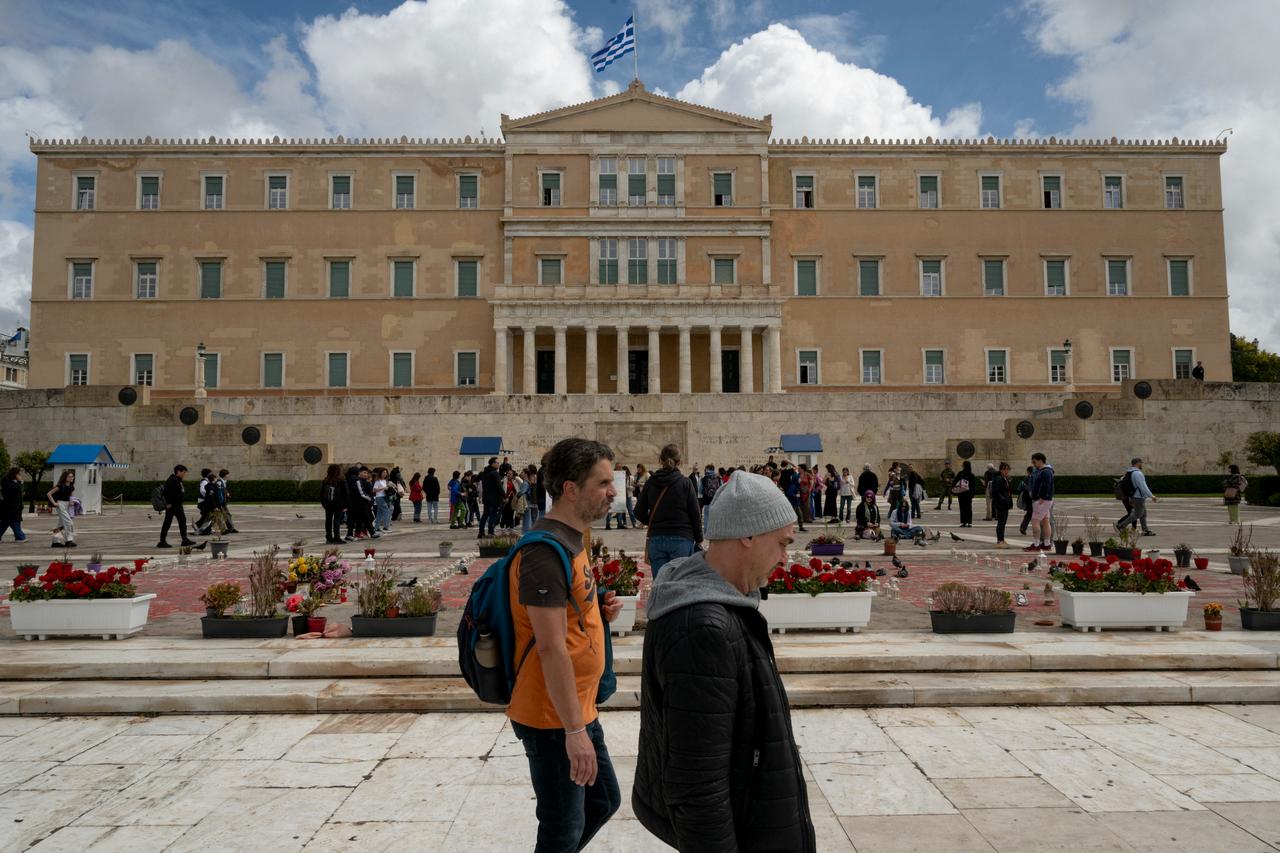
Legal proceedings in Greece are gaining momentum as the investigation deepens. In early April, the EPPO formally requested that the Greek Parliament lift the immunity of 11 MPs. Given the high-profile nature of these individuals, media and public pressure is mounting.
Under a 2019 constitutional amendment, the process for lifting immunity via parliamentary vote is now mandatory for such cases. It is therefore expected that these requests will be approved during the Parliament’s session next week.
 1 min read
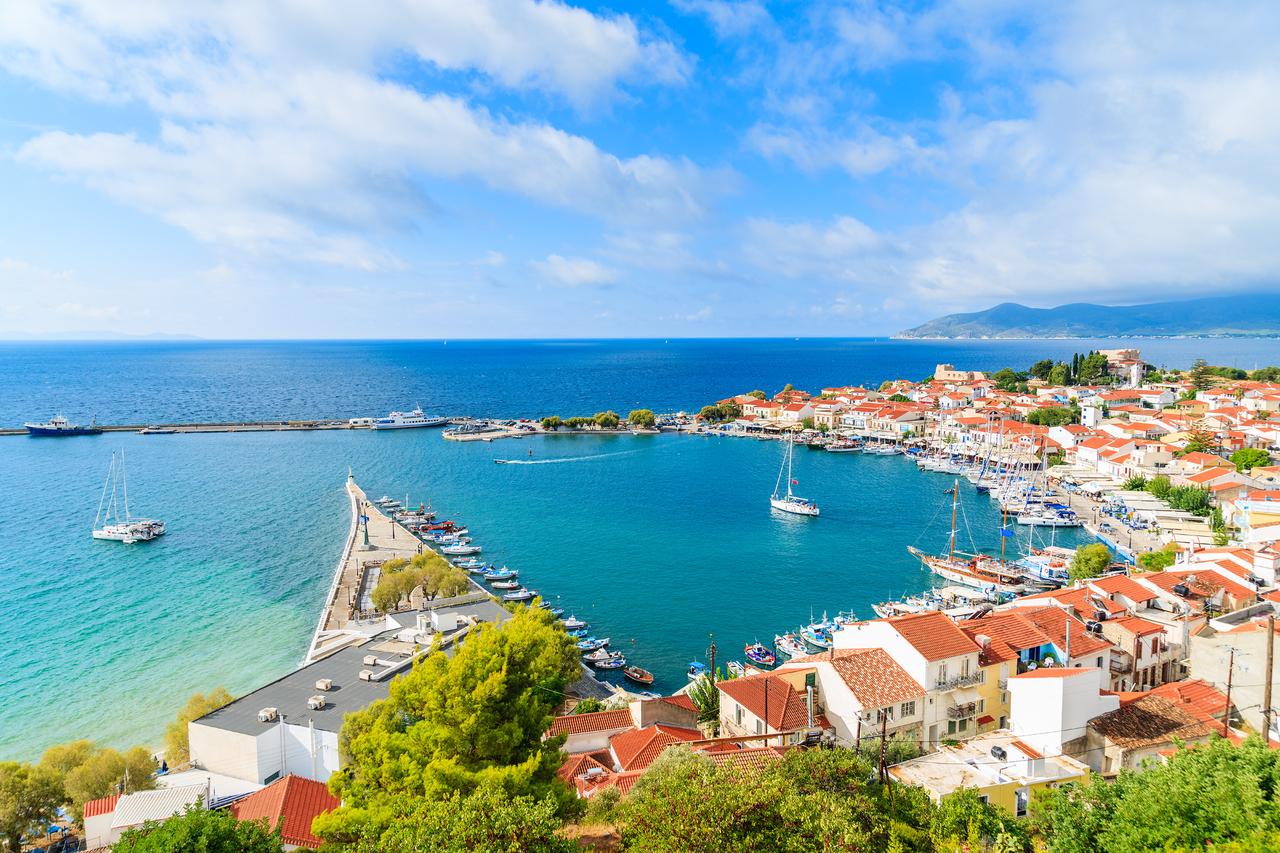
As the investigation deepened, Greece’s political system was shaken to its core. The EPPO’s request to lift the parliamentary immunity of 11 MPs shifted the process from a purely judicial matter to the very heart of the parliamentary system.
The resignations within the cabinet were the first tangible manifestations of this upheaval. While Agriculture Minister Kostas Tsiaras, Civil Protection Minister Yannis Kefalogiannis and Deputy Health Minister Dimitris Vartzopoulos stepped down from their posts, the involvement of senior figures from the ruling party in the process has widened the scope of the crisis. The appointments made to replace them are seen as the government’s attempt to contain the damage.
However, these moves are struggling to go beyond a classic “damage control” reflex in crisis management; for the issue points to a structural erosion of trust rather than being an administrative problem that can be resolved through individual reshuffles.
The opposition’s reaction, however, was quite harsh. Leading opposition figures, notably PASOK and SYRIZA, argued that the resignations were insufficient and that political responsibility must be assumed at the highest level, thereby targeting the office of the prime minister directly.
This approach suggests that polarization in Greek politics will intensify further in the coming period and that the issue will shift to an axis capable of influencing the dynamics of the election.
Mitsotakis' handling of the crisis adds a complex political dimension. On one hand, he is attempting to distance his administration by emphasizing that the probe largely centers on events prior to his 2019 election. On the other, he is projecting a "zero tolerance" stance to the public, vowing: “We will put the culprits in prison and recover the money.”
His most striking statement, “I will not back down, whatever the political cost,” lies at the heart of this strategy.
Whilst this rhetoric may initially appear to emphasize resolve and leadership, it demonstrates an awareness of the political cost of the crisis and a willingness to accept it.
Consequently, this statement can be interpreted not as a defensive reflex, but as a strategy of controlled risk-taking.
Mitsotakis' call for the EPPO to “make a swift decision once immunity has been lifted” also makes sense in this context; the assumption is that the faster the process is concluded, the more the political damage can be limited.
However, the effects of the crisis are not limited to domestic politics.
The rhetoric of a “rule of law” that Greece has adopted in recent years, particularly in the context of the Eastern Mediterranean and the Aegean, is facing a serious test in the face of such allegations of systematic irregularities.
At a time when the Athens administration is acting based on a claim to normative superiority on international platforms, this situation arising within its own internal governance undermines its rhetorical consistency and erodes the credibility of its foreign policy arguments.
In addition, it seems inevitable that the issues of budgetary control and fiscal discipline within the European Union will be reopened for discussion.
Given Greece’s past debt crisis and the strict financial oversight mechanisms it was subjected to during that period, it is likely that a scandal of this nature would once again create a “trust issue” in the eyes of Brussels.
This case gives fresh ammunition to Northern European critics of EU "misuse of funds," potentially shifting the power balance in Brussels. As these long-standing grievances gain traction, the scandal threatens to derail broader discussions on fiscal solidarity across the bloc.


 Set as preferred source
 Set as preferred source


 1 min read