Newsletters


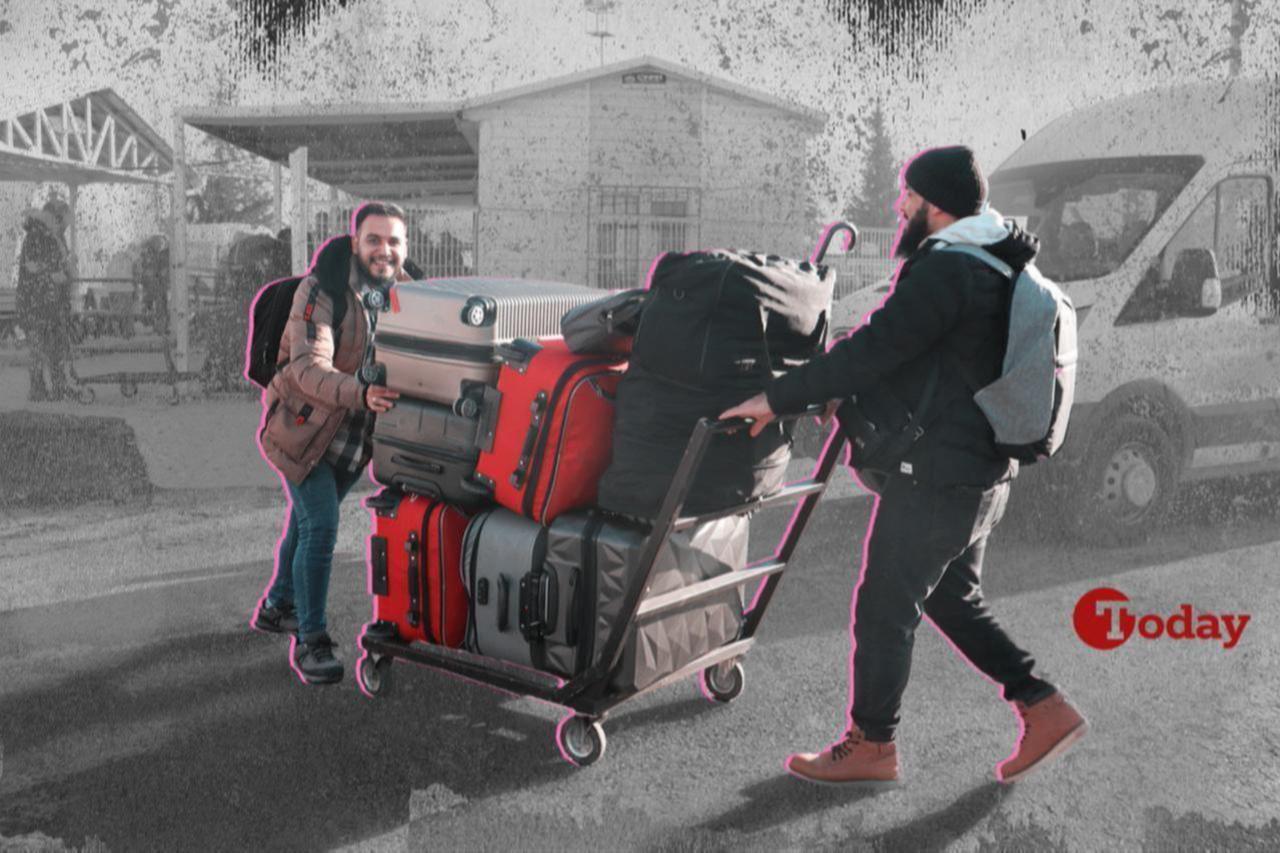


Syrian Foreign Minister Esaad Shaybani has issued a sharp warning to European leaders, asserting that forced repatriations would ignite "chaos and disorder" in Syria.
Instead of mandatory returns, Shaybani is calling for a pivot toward financial incentives for voluntary returnees and a broader European commitment to rebuilding efforts.
The statement by Shaybani—even though realistic—stays clearly at odds with European anti-migration expectations. This realistic expectation by the Syrian government puts European decision makers in a tough position.
Since the mass migration of Syrian refugees to Europe in 2015, the European Union and Europe in general have had a hard time dealing with this migration wave.
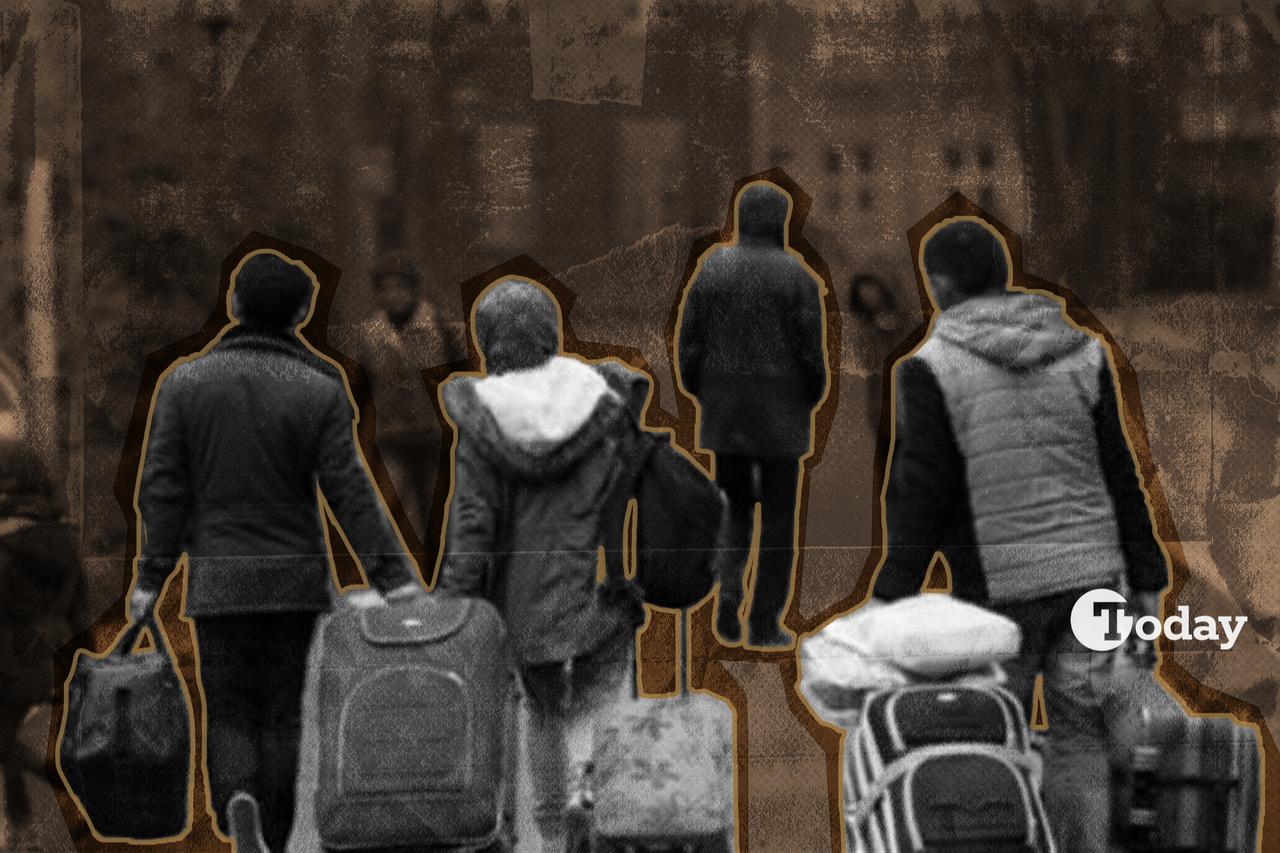
Even though all of Europe hosted only a third of what Türkiye alone hosted, the refugees caused serious political turmoil. The rise of the European far-right was accelerated sharply, and the political weakness of European democracies against populism became more evident.
By reaching deals with Türkiye and other nations, Europe initially stopped the refugee waves. But the fall of the Assad regime led many European leaders to believe that the pathway for refugee returns would open.
The German Chancellor even suggested that 80% of all Syrian refugees will return by 2030.
A very unrealistic expectation, but the promise of refugee return may limit the rise of far-right political parties, so the hope in Berlin. But the electorate is not blind and illiterate. Managing expectations may have been more beneficial for the ruling government coalition than promising unrealistic goals.
Even with more effective messaging, European governments face a stark dilemma. The European economy is faltering, and the Russian invasion of Ukraine continues to exert immense pressure on European nations. With Trump back in office, the financial burden of supporting and aiding Ukraine has shifted almost entirely to Europe.
Furthermore, Europe is prioritizing the expansion of its defense capacity. At the same time, energy prices have skyrocketed following the Israeli-American attack on Iran. As a result, European nations have little money to spare and must think strategically to accommodate domestic demands and ease the burden on their citizens.
Just as the Syrian foreign minister stated, Damascusmust be rebuilt and voluntary returns from Europe must be supported. Otherwise, any refugee returns from Europe to Syria will remain highly unlikely.
This leaves European leaders with a critical question: How much money can Europe realistically divert from Ukraine, its own rearmament, and its domestic electorate toward Syria’s reconstruction efforts?


 Set as preferred source
 Set as preferred source


 1 min read
 1 min read