Newsletters


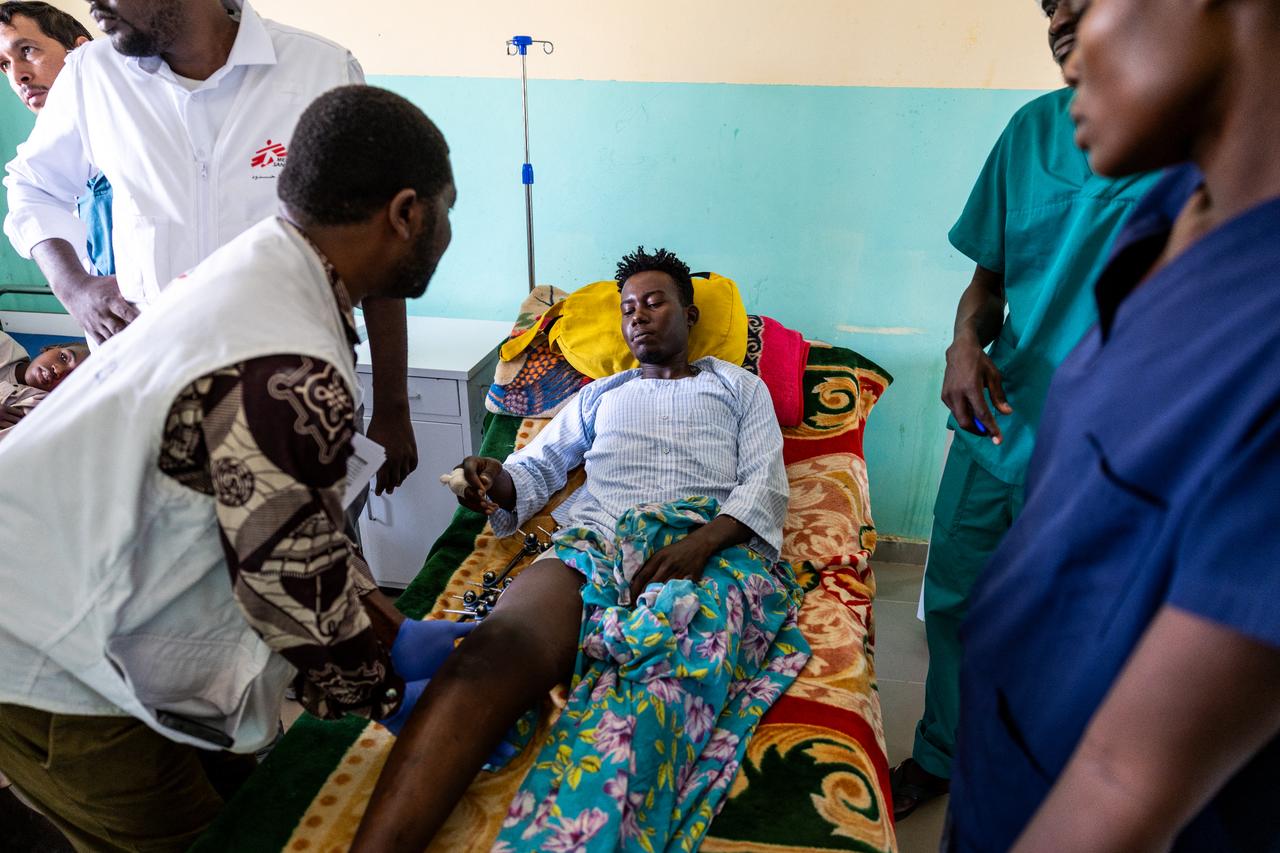


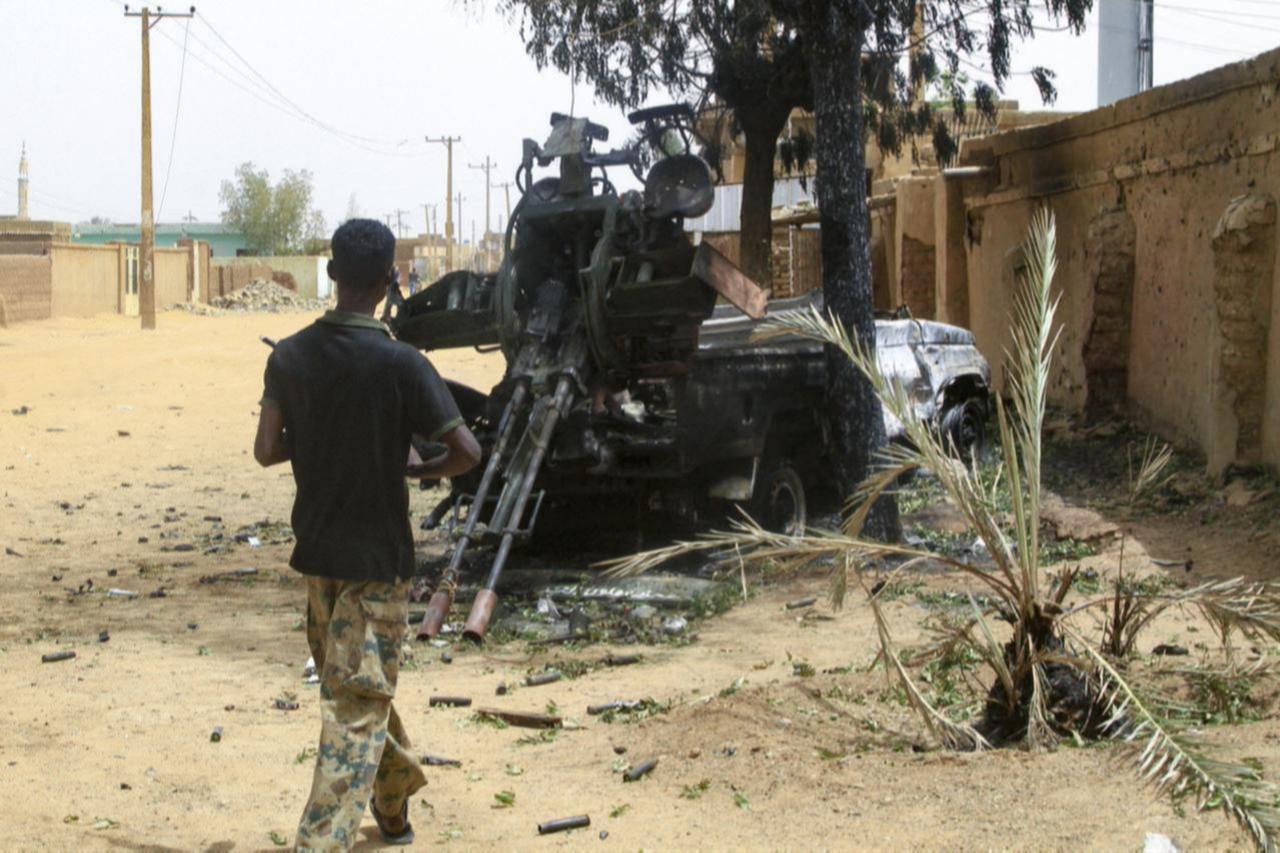
The greatest obstacle to ending Sudan's devastating civil war may no longer lie on the battlefield; instead, it rests in the widening gap between what the international community knows and what it is willing to say publicly.
For more than two years, reports by journalists, United Nations experts, and international human rights organizations have pointed to sustained military and logistical support provided by the United Arab Emirates to the Rapid Support Forces (RSF). Yet Washington has consistently avoided confronting Abu Dhabi directly. This selective restraint raises an increasingly uncomfortable question: Have geopolitical interests taken precedence over principled foreign policy?
A recent case involving Rwanda illustrates this approach most clearly. Earlier this year, the United States imposed sweeping sanctions on Rwanda's military establishment over its alleged support for the March 23 (M23) rebellion in the Democratic Republic of the Congo. American companies and citizens were prohibited from conducting business with the Rwandan military and several senior officers. The message was clear: supporting proxy warfare would carry tangible costs.
Yet that same resolve appears to disappear when it comes to Sudan.
Despite successive U.S. administrations accusing the RSF of genocide and grave war crimes, Washington has refrained from imposing comparable measures on the UAE, despite persistent allegations that it has provided military and logistical support to the group. Instead of targeting Emirati officials, businessmen, or state-linked entities, the United States has largely confined its sanctions to RSF-linked companies and lower-level intermediaries.
The network of Colombian mercenaries offers perhaps the clearest illustration of this selective approach.
The United States, the United Kingdom, and the United Nations have sanctioned several individuals and companies involved in recruiting Colombian mercenaries to fight alongside the RSF. Yet Mohamed Hamdan Alzaabi, an Emirati businessman alleged to have played a key role in financing or facilitating the same network, and other Emirati nationals have remained absent from the sanctions lists. The message is unmistakable: smaller actors may be punished, but powerful sponsors remain effectively untouchable.
This reluctance extends beyond the UAE.
Other regional actors widely believed to have contributed to the continuation of Sudan's war have likewise escaped meaningful international pressure. Eastern Libyan commander Khalifa Haftar and his network, the Ethiopian government under Prime Minister Abiy Ahmed, and elements within Chad have all faced persistent allegations regarding their respective roles in the conflict.
While each case warrants its own assessment, what stands out is the consistent reluctance of Western governments to impose high costs on these actors. This sharply contrasts with Washington's willingness to deploy sanctions in other conflicts.
Increasingly, the explanation appears to lie not in a lack of evidence, but in broader strategic calculations.
Today, the UAE occupies a central place in U.S. Middle East policy, defense cooperation, investment, and regional diplomacy. The commercial ties between the Gulf and figures close to the Trump administration—particularly Africa adviser Massad Boulos—have further fueled public debate over the reasons behind Washington's reluctance. Some observers in Washington even argue that Boulos' ultimate ambition is to become the Trump administration's ambassador to the UAE. Whether this perception is entirely accurate is open to debate. What is clear, however, is that it has reinforced criticism that Washington applies a double standard when dealing with its strategic partners.
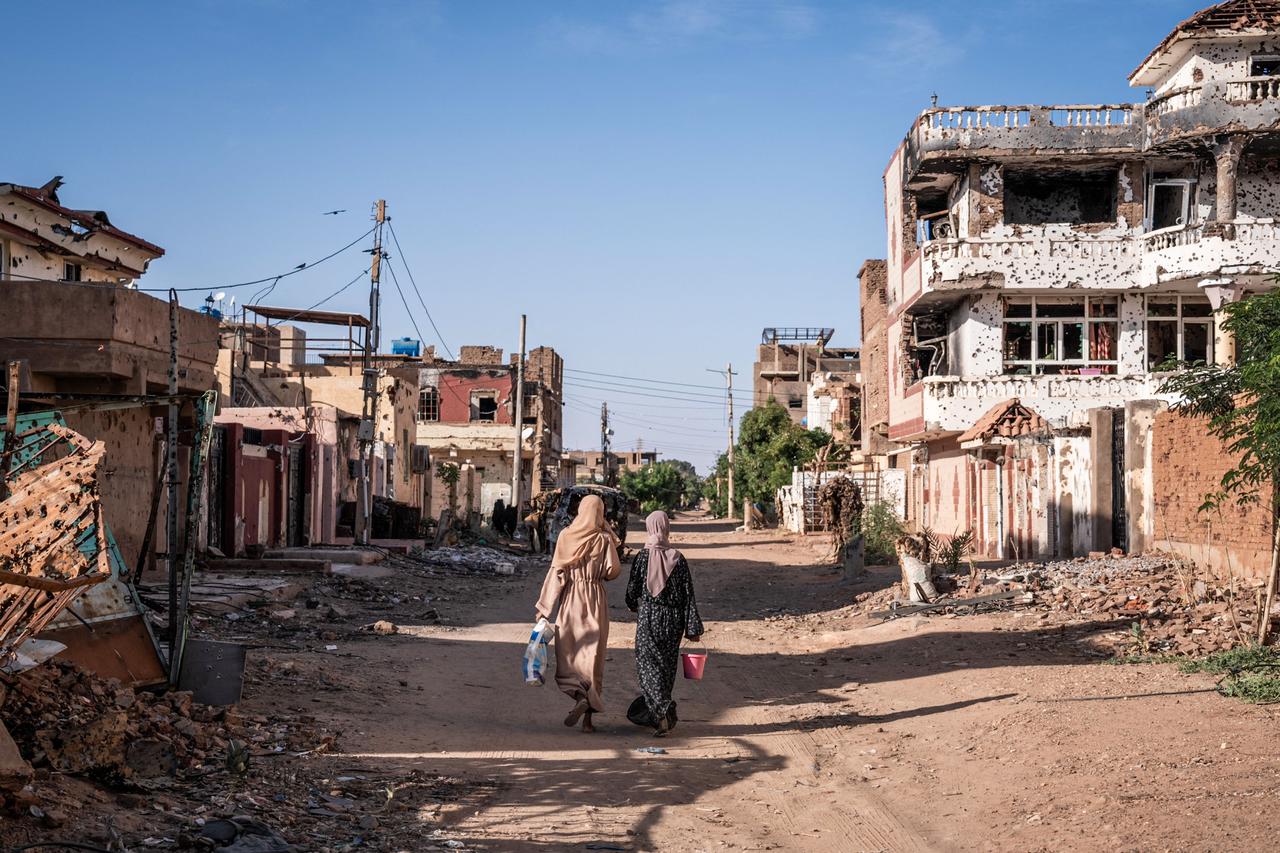
The price of this inconsistency is paid not in diplomatic credibility alone, but by the Sudanese people.
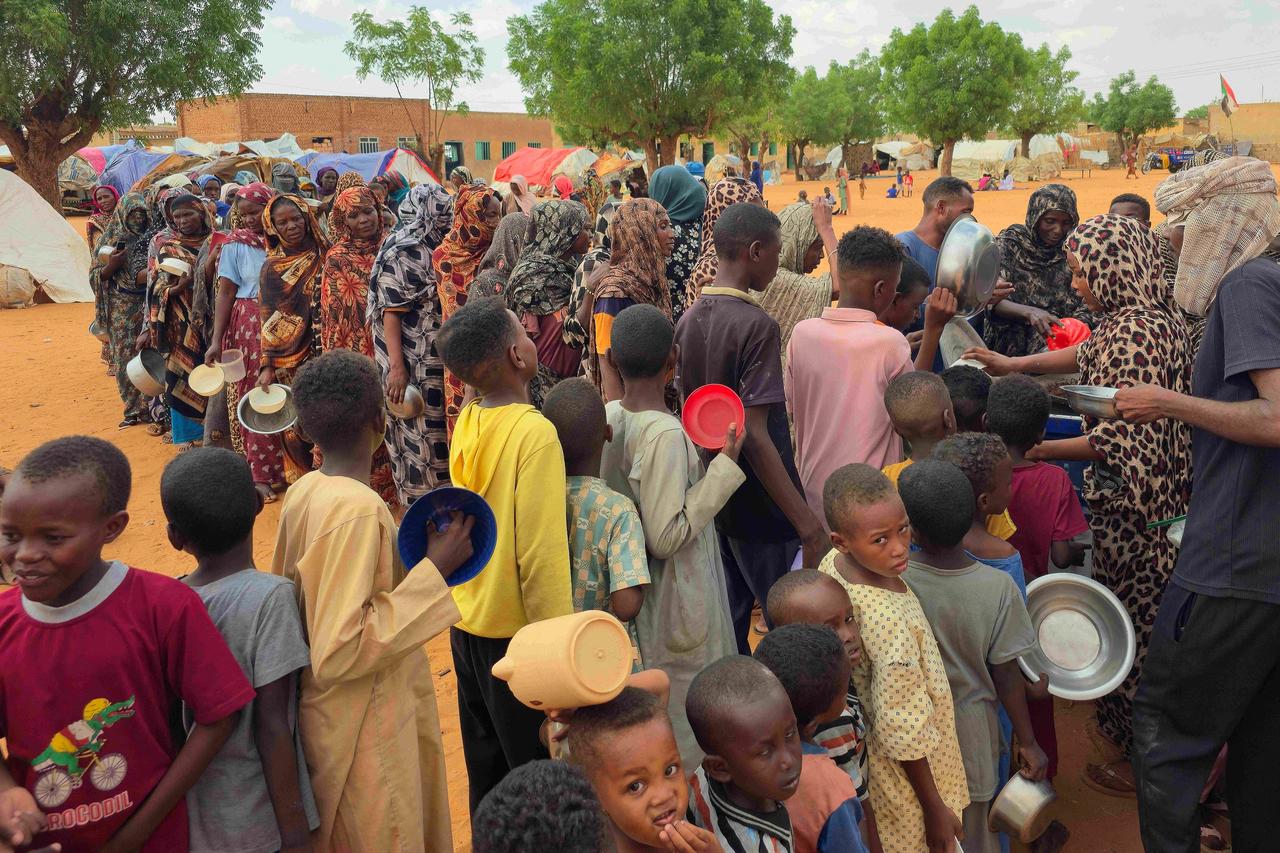
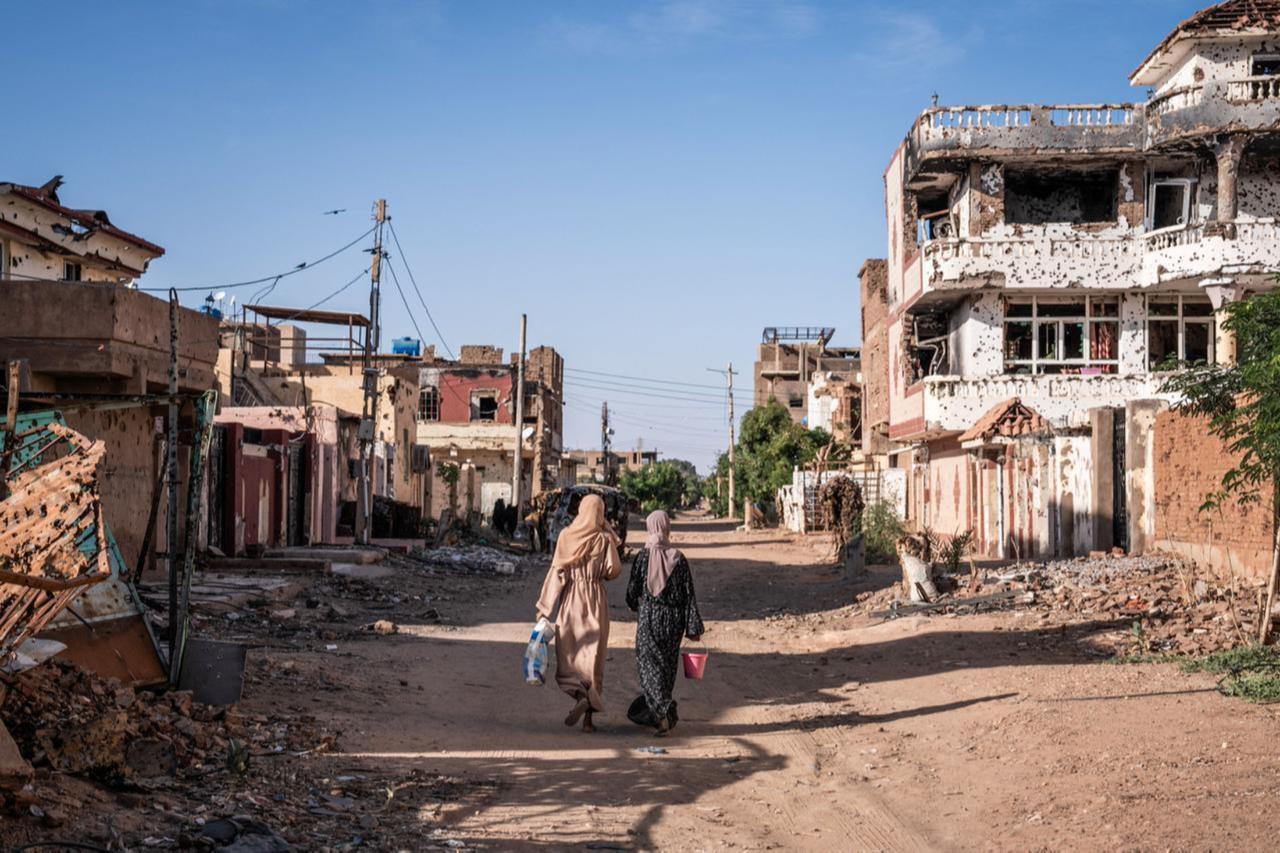
As long as external military support continues to flow, the war will endure, millions will remain displaced, famine will deepen, and state institutions will continue to collapse. By failing to confront the conflict's external sponsors, the international community risks becoming an inadvertent enabler of the very war it seeks to end.

Another striking feature of the conflict has been Saudi Arabia's cautious approach.
As the regional power separated from Sudan only by the Red Sea, Saudi Arabia arguably has the most to lose from prolonged instability. A persistently unstable Sudan threatens Red Sea security, vital maritime-trade routes, migration flows, and Riyadh's broader ambitions for regional economic integration.
Yet despite these strategic stakes, Saudi Arabia has pursued a remarkably measured diplomatic approach. During recent United Nations discussions on Sudan, Riyadh once again opted to preserve its neutrality, carefully avoiding any explicit endorsement of the Sudanese government.
Such caution may provide diplomatic flexibility, but it also creates space for other actors to fill the resulting strategic vacuum.
At the same time, the recent meeting in Cairo bringing together Türkiye, Egypt, Saudi Arabia, and the U.S. Special Envoy for Africa may signal the emergence of a new diplomatic framework. Notably absent from the meeting was the UAE. Many observers have viewed this grouping as a potential alternative platform for addressing the Sudan crisis, perhaps even the foundation of a new regional "Quad."
If this initiative evolves beyond diplomatic statements and is matched by concrete action, it could play a significant role in preserving Sudan's state institutions, protecting civilians, and restoring regional stability.
Its success, however, will depend not merely on managing the conflict but on addressing the external actors that continue to sustain it.
One of the most effective tools available to Western governments today is to increase reputational pressure on the UAE. Human Rights Watch, investigative journalists, and members of the U.S. Congress have already taken important steps in this direction. Governments should demonstrate the same level of resolve.
A logical starting point would be to suspend arms sales to countries credibly accused of fueling the conflict in Sudan. Beyond that, sanctions should not be limited to easily replaceable intermediaries, but should also target the more influential individuals and networks responsible for financing and facilitating the war.
Sudan's conflict is no longer merely a civil war. It has become a test of whether the international community is willing to apply the same standards of accountability to its strategic partners as it does to its adversaries.
This war has become a test of whether international law and the principles of human rights will be applied with equal determination when powerful allies are involved.
If sanctions continue to be imposed only on actors for whom the political cost is low, while influential partners remain shielded despite facing comparable allegations, the credibility of the West's commitment to human rights will inevitably come under serious scrutiny.
Lasting peace in Sudan cannot be achieved through an agreement between the Sudanese Armed Forces and the Rapid Support Forces alone. It will require dismantling the external support networks that continue to sustain both sides of the conflict.
That, in turn, demands a principle the international community has so far been unwilling to uphold: equal accountability for allies and adversaries alike.


 Set as preferred source
 Set as preferred source


 1 min read
 1 min read