Newsletters




"Türkiye is well placed to help bring the facts about Sudan's war to the international agenda because of its relations with both the Muslim world and NATO countries," a senior Sudanese official said, as the army's acceptance of defectors from the Rapid Support Forces (RSF) has raised anger among victims and activists.
Amgad Fareid Eltayeb, political and foreign affairs adviser to the chairman of Sudan's Sovereignty Council, told Anadolu that Ankara's support for Sudan reflects the historical ties between the two countries but said Khartoum expects further engagement.
"The support Sudan has received from Türkiye has been a reflection of the historical bonds between the two countries, but we expect more," Eltayeb said.
He said Türkiye's diplomatic reach gives it a unique role in helping clarify the nature of the conflict in Sudan and the threats facing the country.
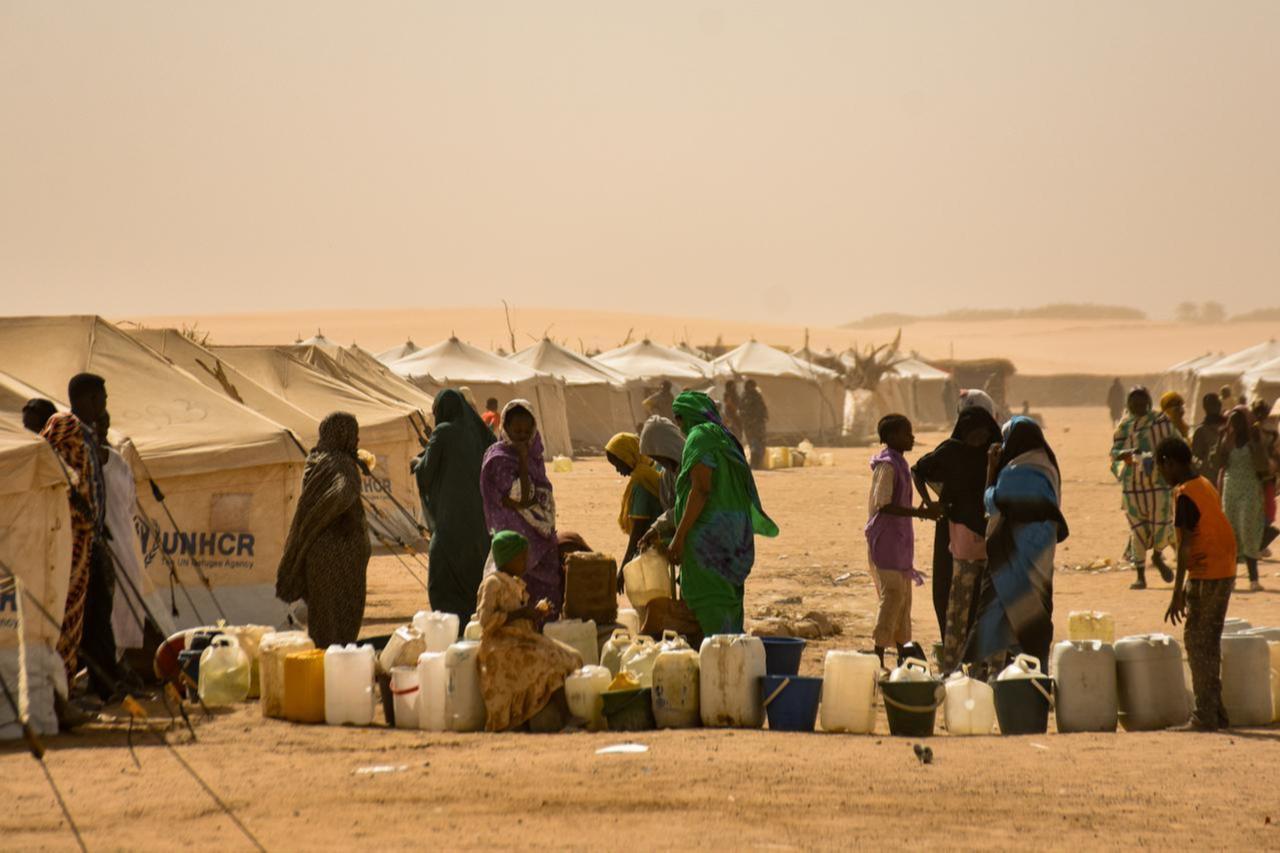
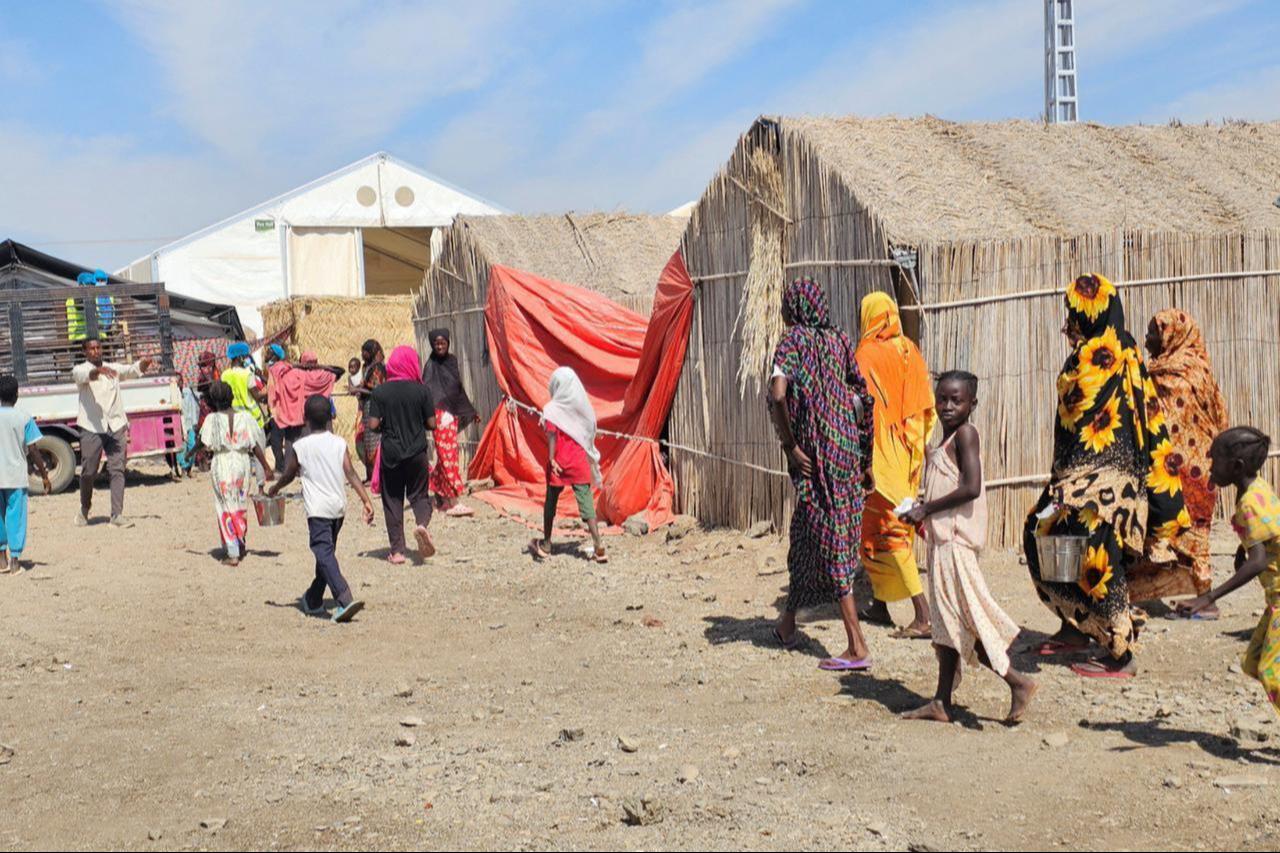
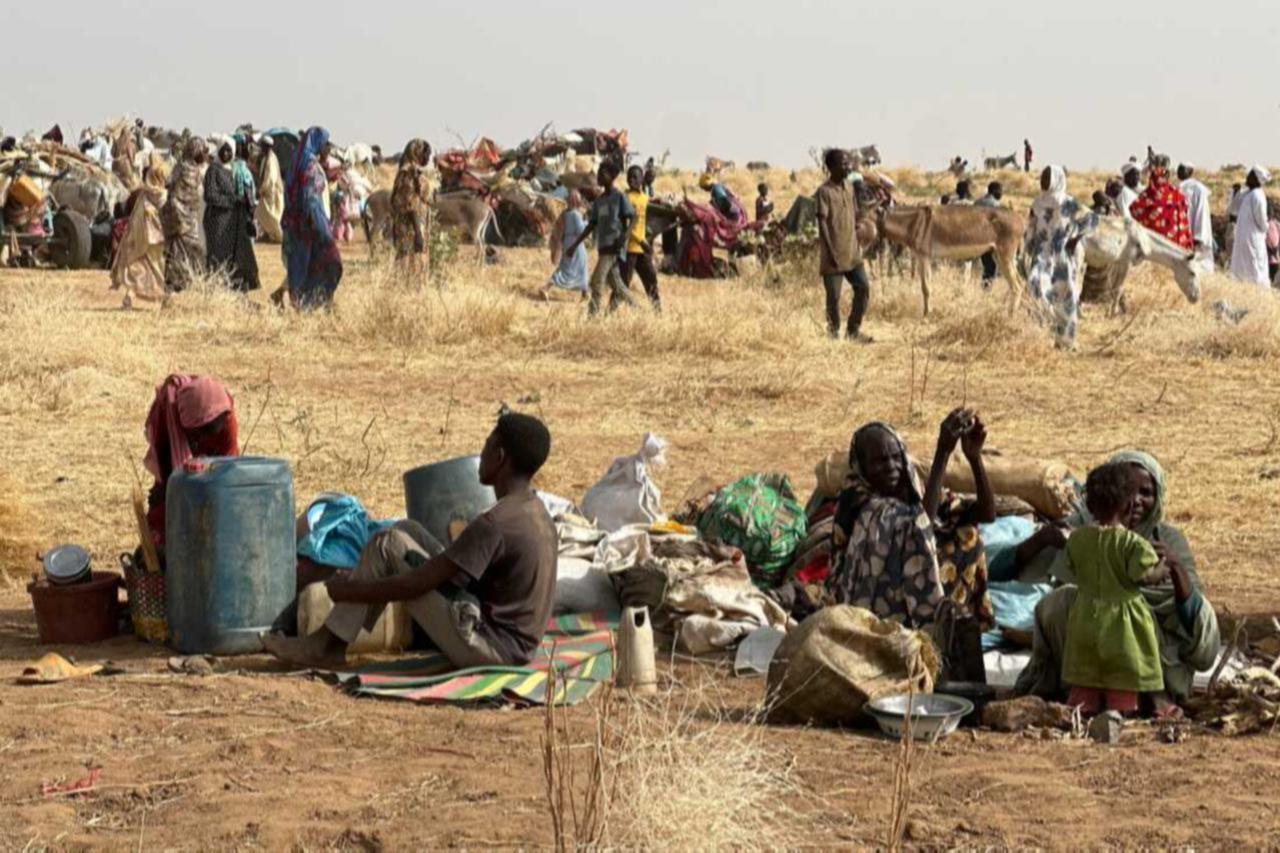
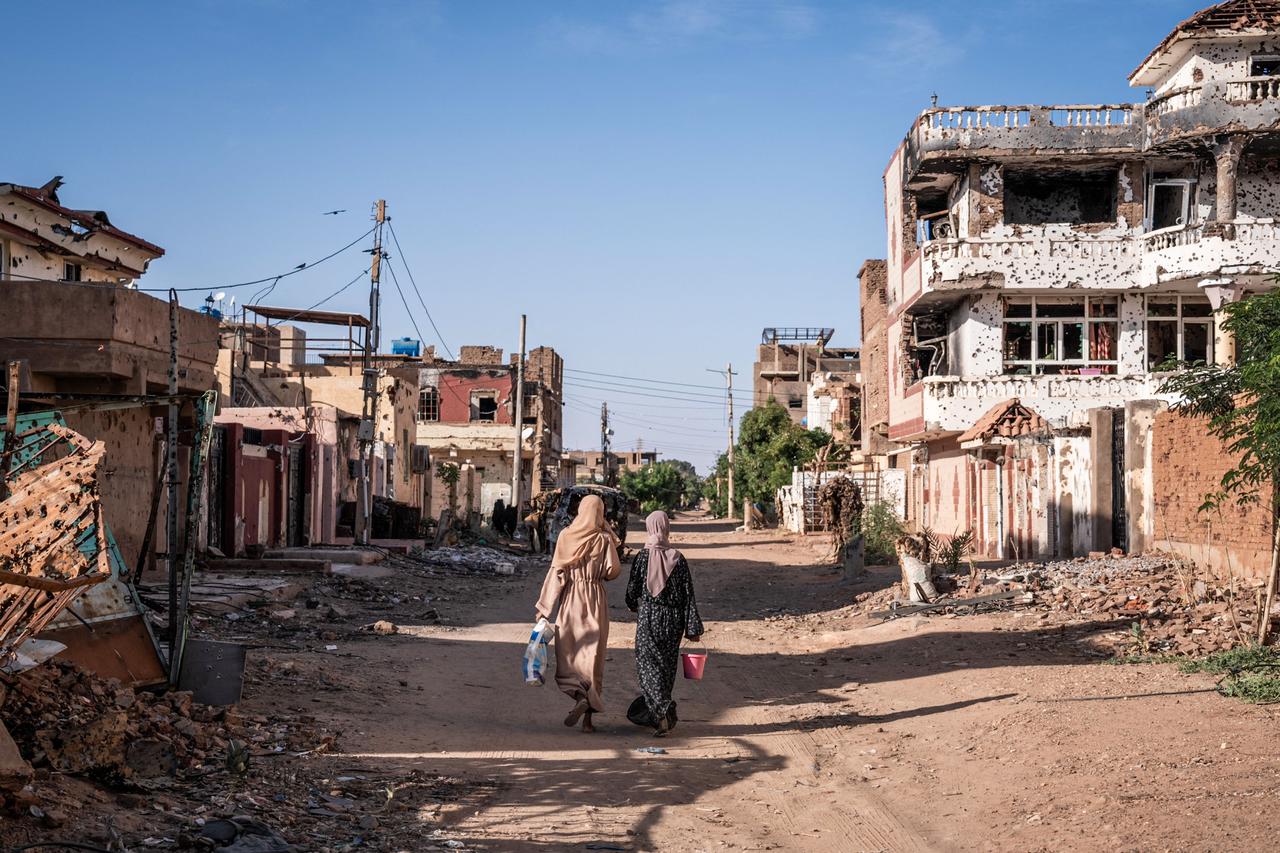
Sudan has entered its fourth year of civil war between the army and the paramilitary Rapid Support Forces, or RSF, a conflict that has led to the world's worst humanitarian crisis.
Eltayeb said the RSF should be recognized internationally as a "terrorist organization," arguing that the conflict can no longer be described as a war between two political sides or two generals.
He said the conflict has become an attack on Sudan's sovereignty, describing the RSF as a "barbaric militia" that has committed crimes unprecedented in Sudan's modern history.
Eltayeb also accused some regional actors of supporting the RSF, saying the war has turned into a proxy conflict.
"This crisis did not emerge as a result of an earthquake, fire, or natural disaster. This is a crime committed by criminals. It is not possible to resolve the humanitarian crisis without pointing to those criminals," he said.
Eltayeb said recognizing the RSF as a terrorist organization should be a universal approach, adding that such a step would narrow the room for maneuver of actors supporting the group and contributing to prolonging the war.
He said RSF activities pose a threat not only to Sudan but also to the Horn of Africa, the Red Sea basin, the Great Lakes region and the Sahel.

Eltayeb said the conflict began with internal political disputes but later turned into a proxy war, with some actors seeking to pursue their own agendas in Sudan through the RSF and other political groups.
He said the international community has not sufficiently listened to the Sudanese people and that recent warnings by the U.N. Security Council have not been enough to change the situation on the ground.
Eltayeb also criticized what he called the selective application of international law, saying some countries have not faced sufficient criticism despite violating U.N. Security Council resolutions.
He said the Sudanese state must be supported against what he called the greatest existential threat facing the country, adding that preserving state institutions is also critical for regional stability.
Eltayeb said Sudan's unity and territorial integrity are important not only for the country itself, but also for the region and Europe.
He warned that the collapse of the state could leave millions of people at risk of statelessness.
He said Sudanese people want to live in their own country, noting that returns have begun in areas where government forces have restored control.
Eltayeb said the Sudanese people's priority is to protect state institutions and restore security and stability. A democratic transition, he said, can begin only after those goals are achieved.
Sudan has experience with democracy, he said, adding that the people are capable of determining their own political future.
Eltayeb said Sudan would welcome support from the international community but said international initiatives should be carried out with the participation of Sudanese people and in line with their demands.
The comments came as Reuters reported that Sudan's army-affiliated government has welcomed a series of high-level defections from the RSF, reshaping alliances and boosting the military in one of the deadliest conflicts of the century.
Last month, Ali Rizkallah, an RSF commander widely known as "al-Savannah," was welcomed to Khartoum and given a uniform and rank in the armed forces he had spent about three years fighting, according to Reuters.
Another top North Darfur commander, al-Nour Guba, defected to the military in April.
The army-affiliated government hailed Rizkallah's defection, but many others have objected to the sight of former RSF figures moving freely and holding news conferences, fearing that defectors may evade justice for alleged crimes committed under their command.
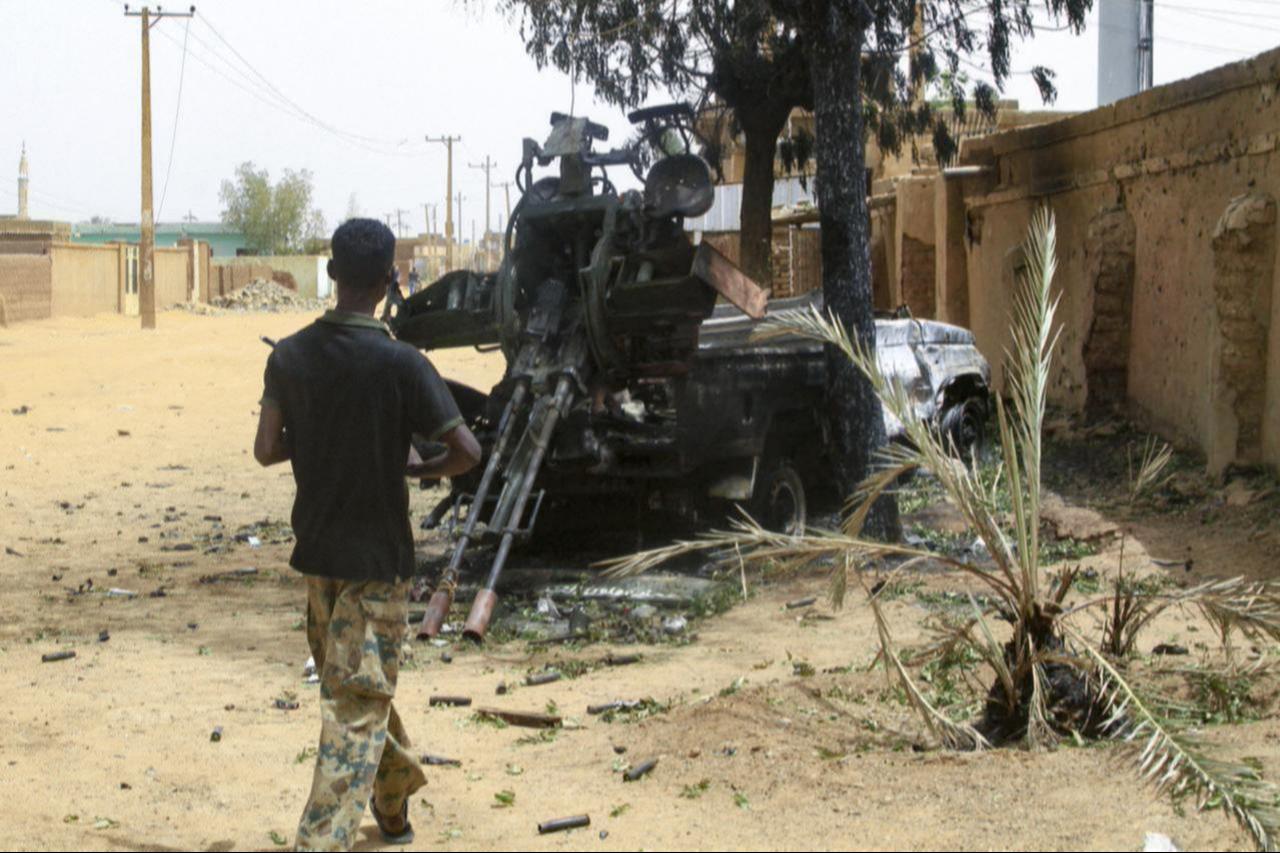
Sudan's civil war is believed to have killed hundreds of thousands, displaced millions, and spread famine and disease since the RSF and the army began fighting in April 2023.
Some of the worst violence has occurred in Darfur, an RSF stronghold where Rizkallah served as a commander.
"These RSF soldiers, even if they seek God's forgiveness, I can't forgive them because of what I saw face to face," Halima Ismail, a woman in western Darfur, told Reuters.
Ismail, now sheltering in the Darfur village of Tawila, said she had been forced to flee several times as the RSF raided villages around al-Fashir.
She said she saw women raped in front of her and was whipped by RSF fighters.
"You can see the scars on my arms, all the way down my legs," she said.
During one assault by a unit under Rizkallah's command, fighters fired weapons into the air, forcing her and her children to the ground, she said.
The RSF was accused of atrocities during its assault on the city of al-Fashir last October, the subject of a Reuters documentary.
Guba, in an interview with Reuters, denied defecting to evade justice and said any former RSF commanders who committed crimes should be held accountable.
"If anyone from the Sudanese people has anything against us, I swear we are ready," he said.
Rizkallah did not respond to Reuters' requests for comment. He has said publicly that he would hand himself over if accused of wrongdoing.
Resentment is also high in the neighboring Kordofan region.
A trader in the town of al-Nuhud told Reuters he plans to file a private case against Rizkallah under Sudan's sharia law system over what he said was the looting of peanuts and gum arabic from his warehouses by one of Rizkallah's units.
"What happened is the responsibility of Savannah, the RSF, and the army that did not protect us," the trader said, speaking on condition of anonymity to avoid being targeted.
Mohamed Salaheldin, a member of the executive board of Emergency Lawyers, an activist group, said such lawsuits were unlikely to gain traction during wartime instability.
"This issue can't be dealt with piecemeal—it needs transitional justice," he said.
Emergency Lawyers has tallied 243 cases brought to trial against alleged collaborators on charges ranging from providing intelligence to cooking for RSF fighters during the occupation.
By encouraging defections, the army is seeking to exploit ethnic divisions within the RSF, Emadeddin Badi, a senior fellow at the Global Initiative Against Transnational Organized Crime, told Reuters.
Many senior RSF commanders belong to the Arab Rizeigat tribe, which has seen tensions between its different clans, especially after an RSF raid earlier this year on the hometown of army-aligned Musa Hilal.
Hilal belongs to the Mahamid clan, as does Rizkallah.
In his interview with Reuters, Guba alluded to those dynamics, saying the RSF was "based on a racist, tribal" system that specifically benefited the family of RSF commander Mohamed Hamdan Dagalo, known as Hemedti.
Badi said the army hopes such tensions could replicate the success it had in the central state of El Gezira, where the defection of RSF-aligned militia commander Abuagla Keikal helped reverse its fortunes in 2024.
"There's a military rationale, but the social repercussions are probably underappreciated by the armed forces," he said.


 Set as preferred source
 Set as preferred source


 1 min read
 1 min read