Newsletters


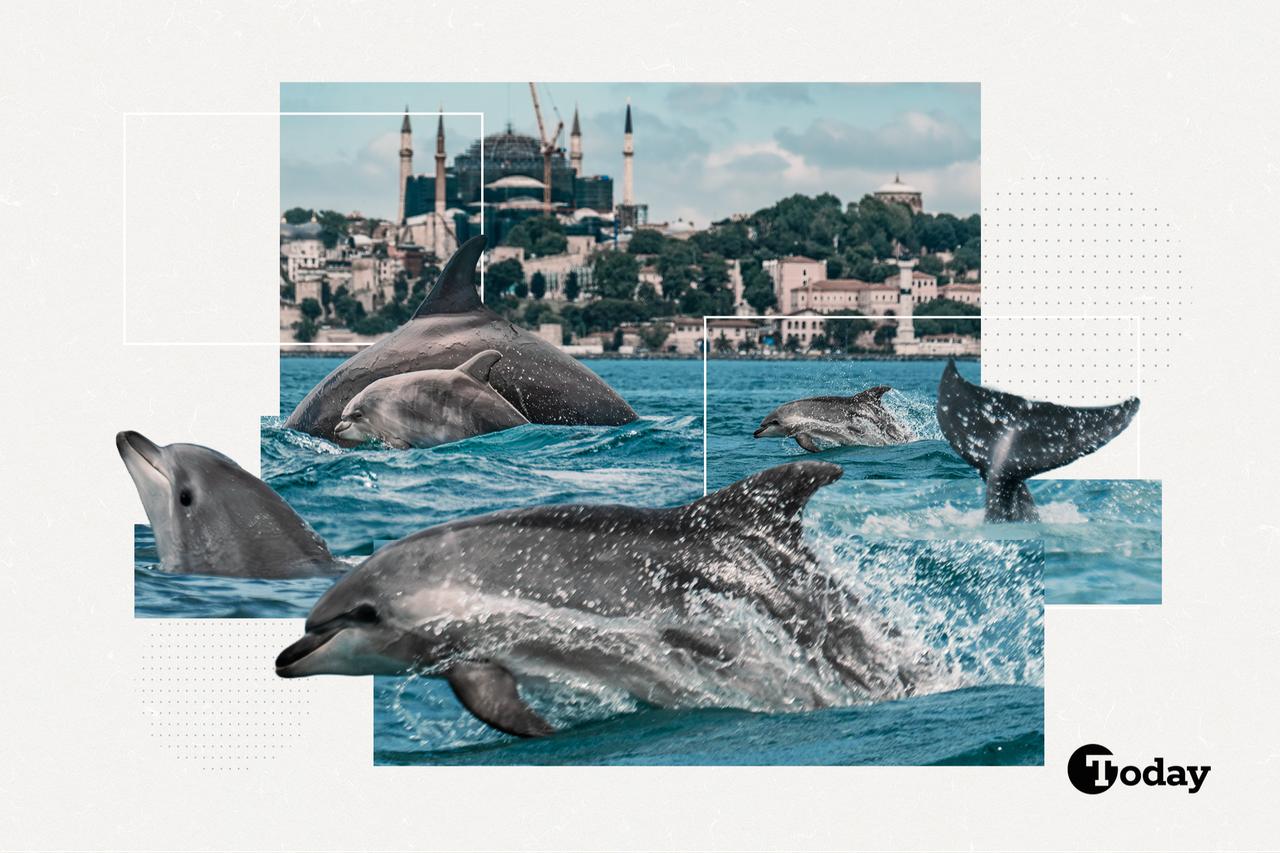


Istanbul arrives before you do. The silhouette of Hagia Sophia, the ferries threading between two continents, the call to prayer echoing across historic neighborhoods and cats resting beneath cafe chairs—millions come each year chasing images they already know by heart.
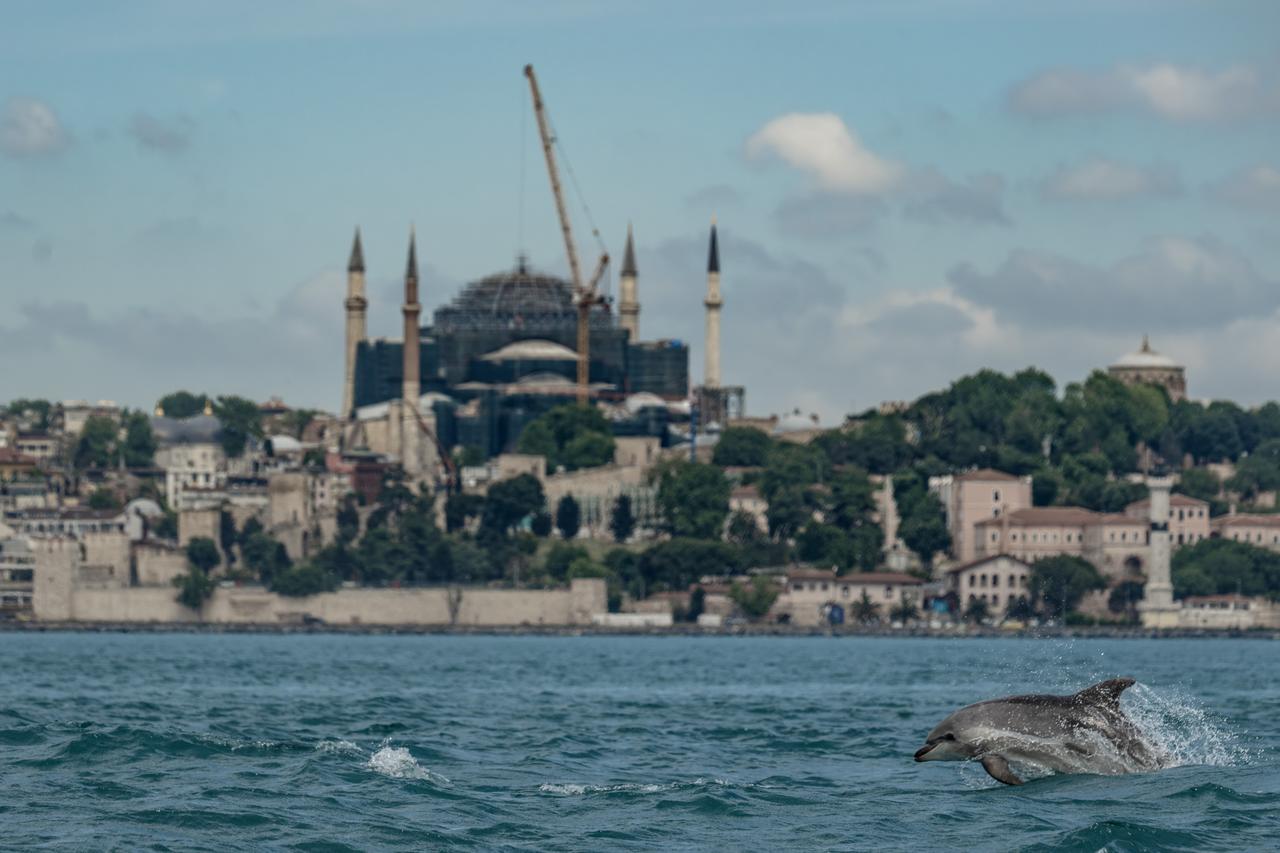
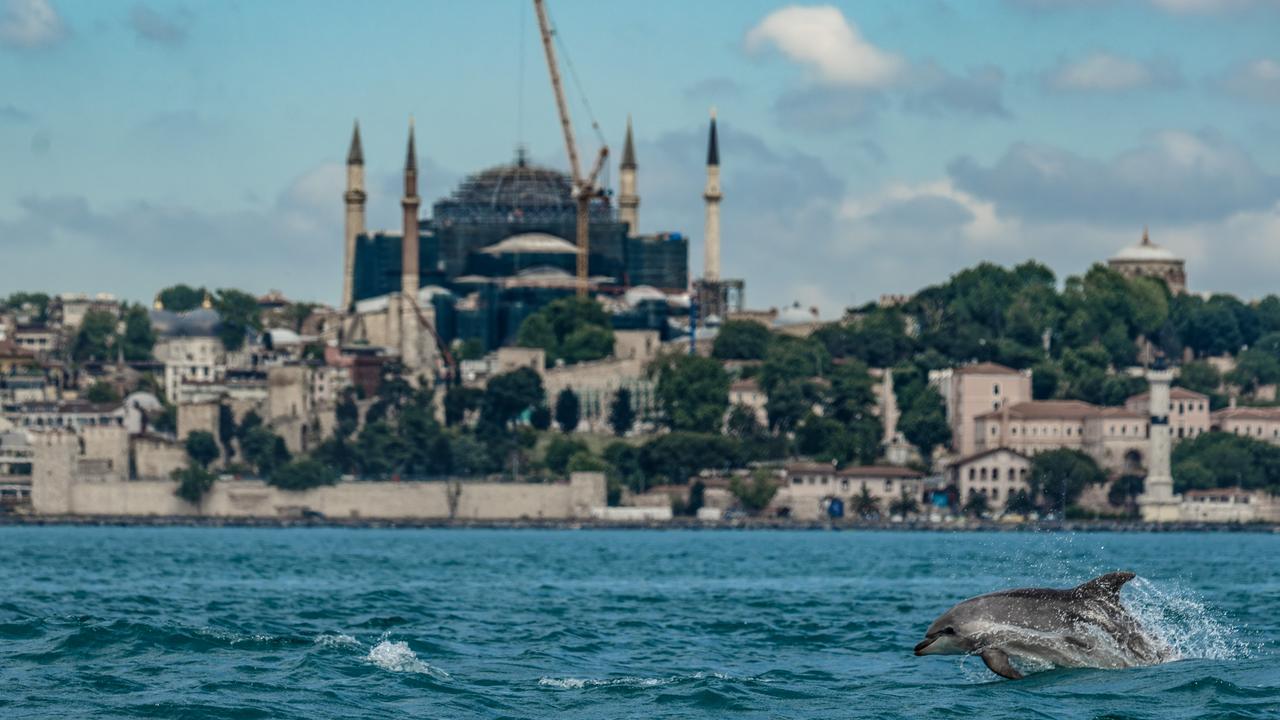
But lately, something unexpected has entered the scene: dolphins swimming through the Bosphorus.
Videos of Bosphorus dolphins appearing near ferries, along the shoreline or beneath Istanbul’s bridges have repeatedly gone viral on social media. They serve as a reminder that the strait is not only a transport route or a postcard backdrop. It is also a living ecosystem.
For a few seconds, everyone on the ferry decks stops—commuters, tourists, all of them— and looks away from the skyline toward the water. In those moments, Istanbul appears not only as a city of monuments, but as a city where urban life and marine life still meet.
That may be one of the strongest stories Istanbul has yet to tell.

For decades, cities around the world have competed through increasingly similar branding: iconic architecture, culinary experiences, shopping districts, creative industries and cultural festivals. They seek to attract visitors, investment and global attention through carefully curated narratives.
Istanbul already has many of these assets. Few cities can match its historical depth, architectural power, geographic drama or cultural diversity. Yet the future of city branding may not depend only on monuments, skylines or major events.
It may also depend on the relationship a city maintains with the natural world around it.
In this respect, Istanbul has an extraordinary but underused advantage: a living ecosystem running through the heart of a megacity.
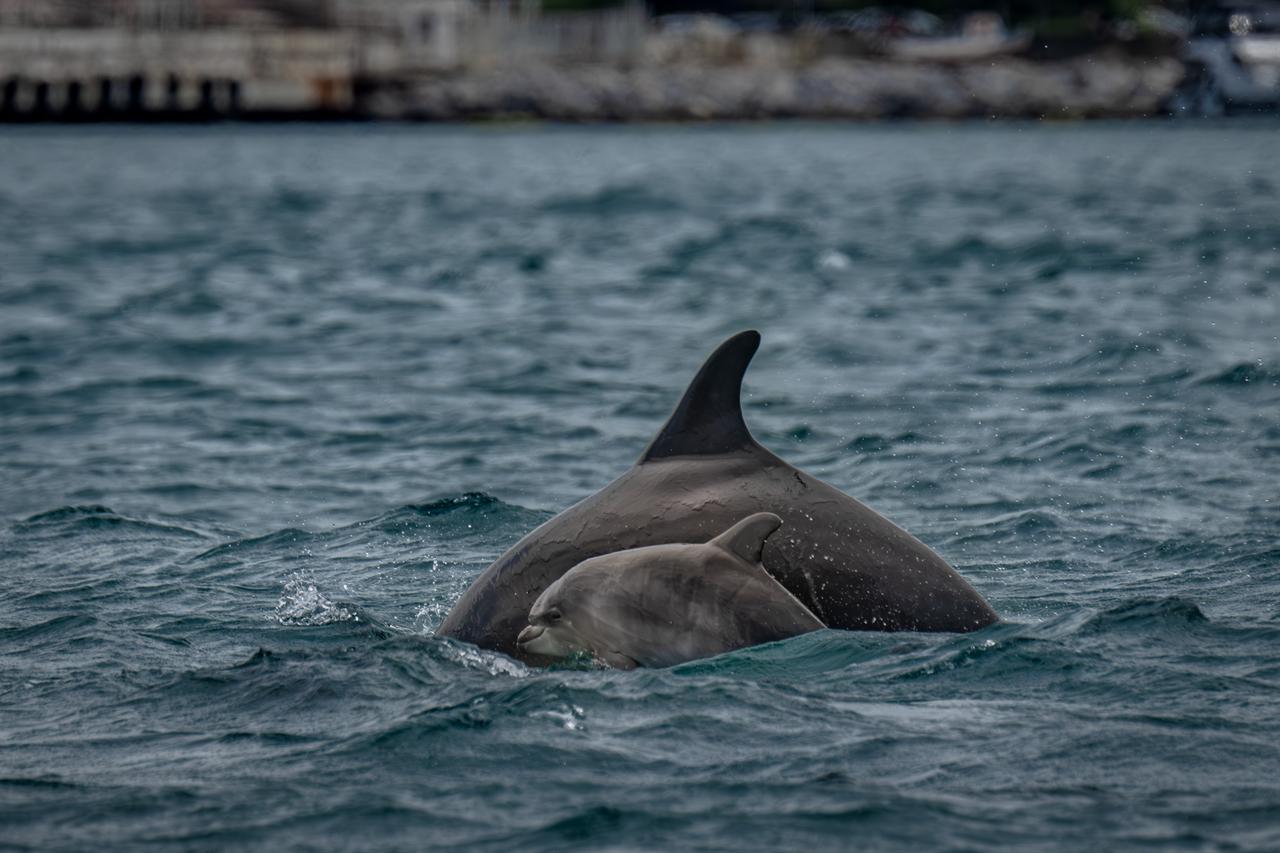
Several dolphin species continue to inhabit or travel through these waters, sharing space with ferries, fishing boats, cargo vessels and millions of residents. In very few places on Earth does marine life move so visibly through the center of urban life.
That reality deserves greater attention, not only from conservationists, but also from urban planners, tourism professionals and those thinking about Istanbul’s global image.
The dolphins of the Bosphorus are not recent visitors. They belong to a much older story.
Historical accounts from travelers and naturalists described the abundance of marine life in the waters connecting the Black Sea, the Bosphorus, the Sea of Marmara and the Mediterranean. In the 16th century, French naturalist Pierre Belon documented dolphins and migrating fish moving through these waters as part of its natural rhythms.
Long before modern branding, social media or tourism campaigns, dolphins were already part of Istanbul’s maritime life. They moved alongside Ottoman boats, passed through fishing grounds and remained present as the city transformed across centuries.
They remind us that Istanbul’s history is not only political, architectural or cultural. It is also environmental.
Beneath the layers of empire, migration, trade and urban growth lies another history: the ecological memory of the city.
The dolphins are not the only creatures to have made that claim on the city. Istanbul’s cats have become unofficial ambassadors of the city. Their power as a symbol comes from the same source: Nobody invented it. . No branding, no campaign, no deliberate act of curation.
Visitors encounter cats naturally in mosques, bookstores, parks, apartment entrances, ferry terminals and waterfront cafes. Authenticity turned them into a global symbol of Istanbul.
The same principle could apply to the Bosphorus.
Dolphins offer something increasingly valuable in contemporary urban identity: wonder. They suggest that even inside one of the world’s largest cities, nature has not entirely disappeared. They communicate coexistence at a time when many global cities are struggling with climate anxiety, ecological loss and the pressure of overdevelopment.
This does not mean turning dolphins into mascots. It should not mean commercializing wildlife or encouraging intrusive tourism. On the contrary, the dolphins of the Bosphorus should be approached with caution, respect and scientific guidance.
Their value lies not in spectacle, but in what they reveal about Istanbul: a city whose identity is still inseparable from the water around it.
Today, a different question is becoming important in how cities define themselves: What kind of relationship does a city cultivate with the life it sustains?
The cities that lead the coming decades may not simply be those that are most visited or most photographed. They may be those that prove humans and other species can coexist within increasingly urbanized environments.
This is where Istanbul could become a global reference point.
A city that protects and explains the biodiversity of its waterways sends a powerful message about its priorities. It shows that development and conservation do not have to be treated as opposing forces. It demonstrates that a global city can remain connected to the ecosystems that shaped it.
In this sense, the dolphins of the Bosphorus represent more than a conservation issue. They also represent an opportunity for Istanbul to develop a more responsible and distinctive urban narrative.
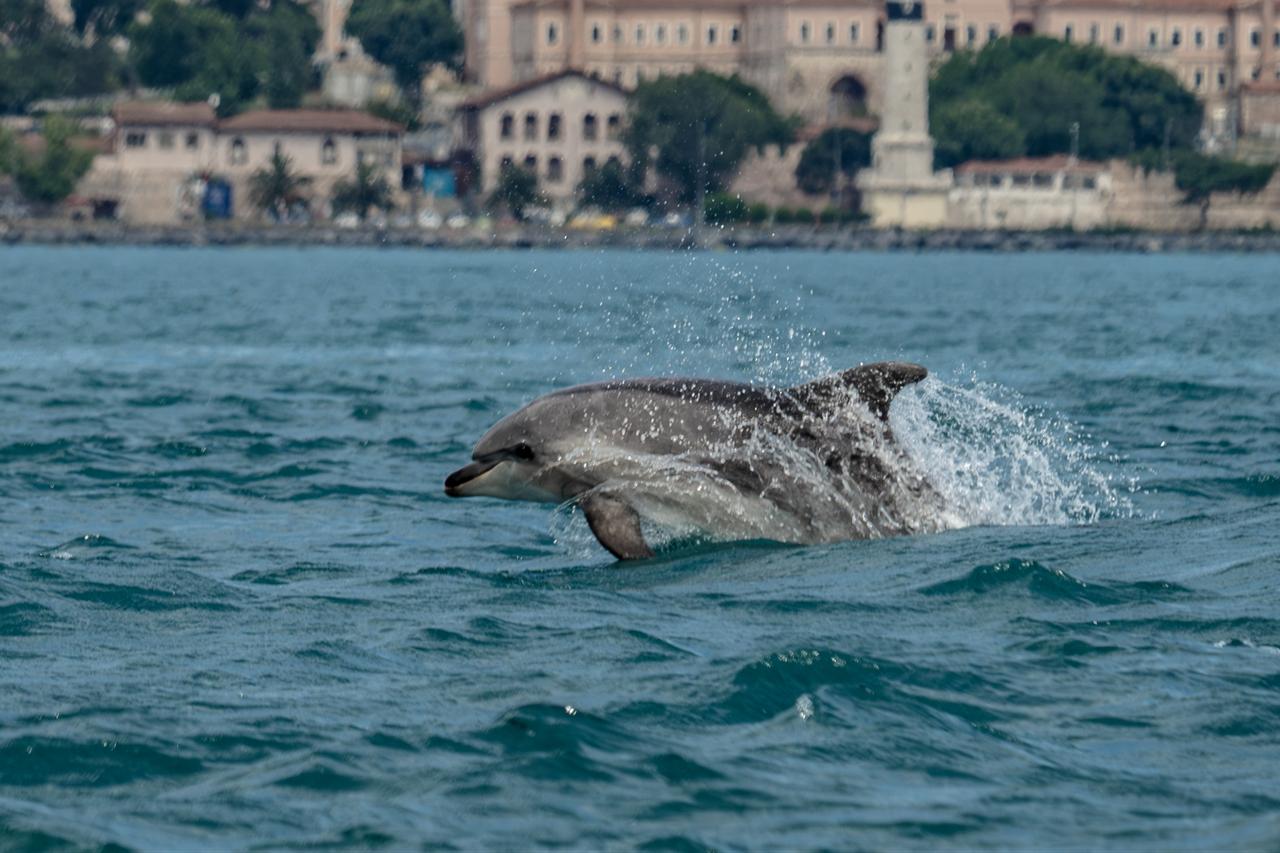
What if Istanbul presented the Bosphorus not only as scenery, but as shared habitat?
A carefully designed initiative, perhaps called “Living Bosphorus,” could combine environmental awareness, cultural storytelling and responsible tourism. Its purpose would not be to create another mass attraction, but to help residents and visitors understand the ecological life of the strait.
Such a platform could bring together municipalities, universities, NGOs, marine scientists, cultural institutions and tourism professionals. It could support educational programs for young people, public exhibitions, expert-led talks, responsible observation guidelines and international collaborations on urban biodiversity.
Small-scale, carefully regulated experiences could help people understand the marine life that still exists within the city, without disturbing it. Public campaigns could explain why dolphins matter, how the Bosphorus functions as an ecosystem and what residents can do to protect it.
Handled correctly, this would not weaken Istanbul’s existing identity. It would enrich it.
The city would not only be telling stories about empire, architecture, cuisine and culture. It would also be telling a story about coexistence.
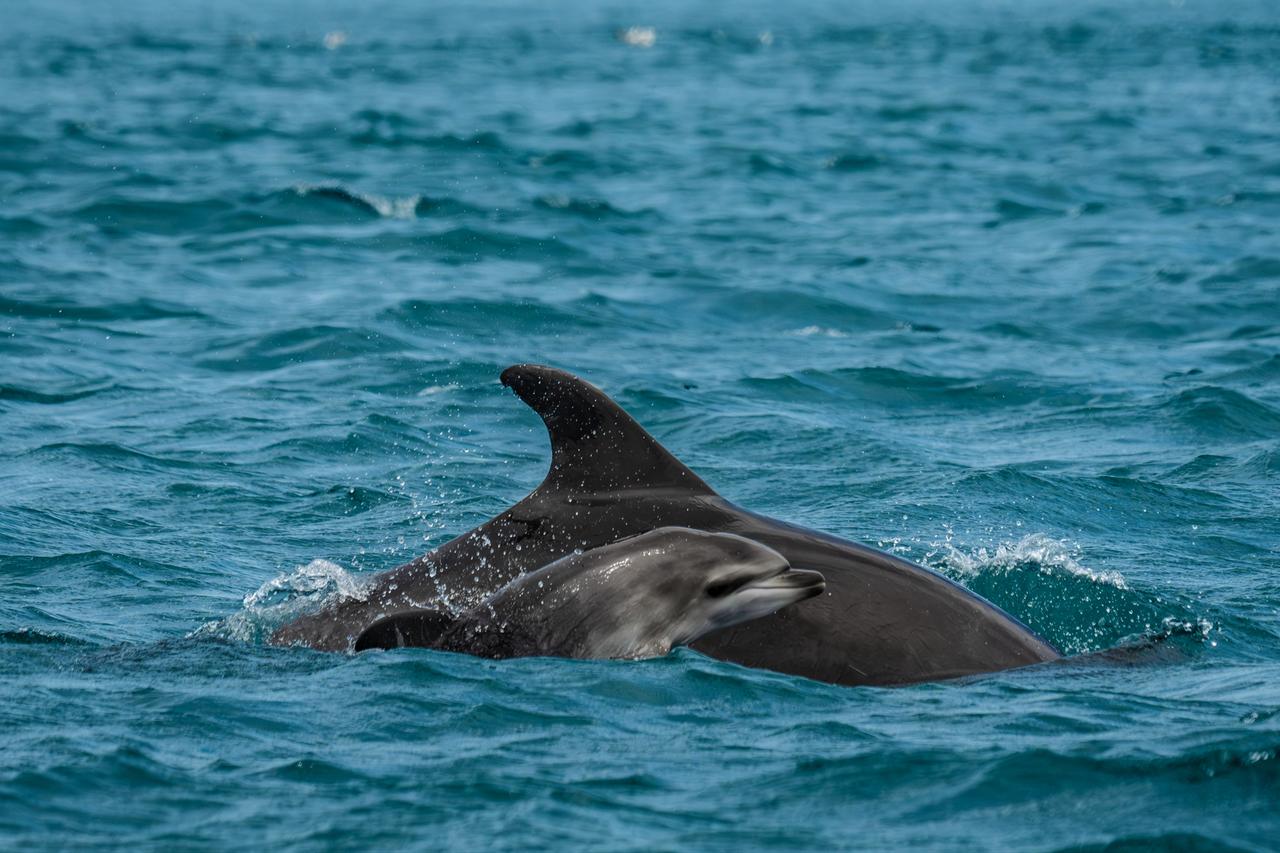
Despite being defined by water, Istanbul rarely presents its marine identity as a central part of its global narrative. The Bosphorus is often marketed as a view, a backdrop or a transportation corridor.
Far less attention is given to it as a living environment that continues to shape the city’s character.
A 'Blue Istanbul' narrative could help fill that gap.
This would not require inventing an entirely new identity. It would build upon something that already exists: the relationship between the city and the waters that sustain it.
Dolphins, migratory fish, seabirds, ferries, fishermen, waterfront neighborhoods and the daily rhythm of crossing between shores are all part of the same story. Together, they offer a more complete understanding of Istanbul—not simply as a city beside the sea, but as a city whose identity has always been intertwined with it.
In an era when authenticity has become one of the most valuable assets in place branding, few stories are more powerful than those rooted in a city’s living environment.
Around the world, countries and cities have long used wildlife as part of their international identity. Australia has kangaroos, New Zealand has the kiwi and China has pandas. These symbols create emotional connections between place and people.
Istanbul’s dolphins do not need to become a symbol in the same way. Nor should they be reduced to a marketing device.
Their potential lies elsewhere: in environmental diplomacy and urban soft power.
As climate change, biodiversity loss and sustainable development become central global concerns, cities are increasingly expected to demonstrate not only economic strength, but also ecological responsibility. Those capable of protecting and communicating their natural assets gain credibility in international conversations.
The Bosphorus gives Istanbul a rare opportunity to speak about these issues from its own geography, history and daily life.
Perhaps the most valuable form of soft power a city can possess today is the ability to inspire a different vision of the future: one in which urban life and nature are not imagined as separate worlds.
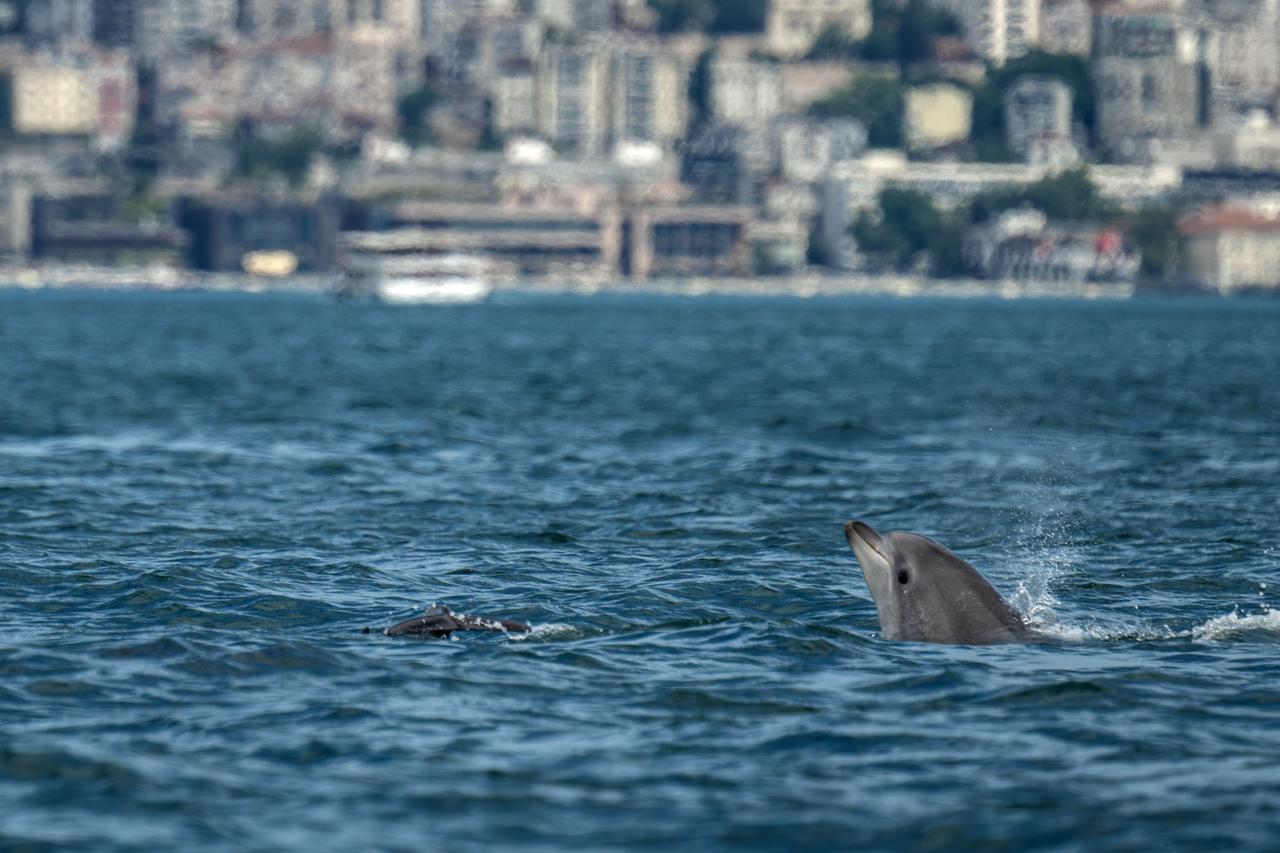
Cities have always been shaped by geography. Ports created trade hubs, rivers generated civilizations and seas connected cultures. Istanbul is one of the clearest examples of this truth.
The next chapter of urban identity may depend less on what cities build and more on what they choose to protect.
In Istanbul’s case, the city does not need to invent a new symbol. It already has one.
For centuries, dolphins have crossed the Bosphorus without regard for borders, ideologies or political eras. They have witnessed Byzantine, Ottoman and republican Istanbul. They have remained as the city transformed around them.
Perhaps the question is not whether dolphins belong to Istanbul’s story. The real question is why the city stopped noticing them.
As global cities search for new narratives in an age of ecological uncertainty, Istanbul may have an answer hidden in plain sight—or rather, just beneath the surface.
The future of city branding may not be about creating new symbols at all.
It may be about recognizing the ones that have been swimming beside us all along.


 Set as preferred source
 Set as preferred source


 2 min read

 1 min read