Newsletters


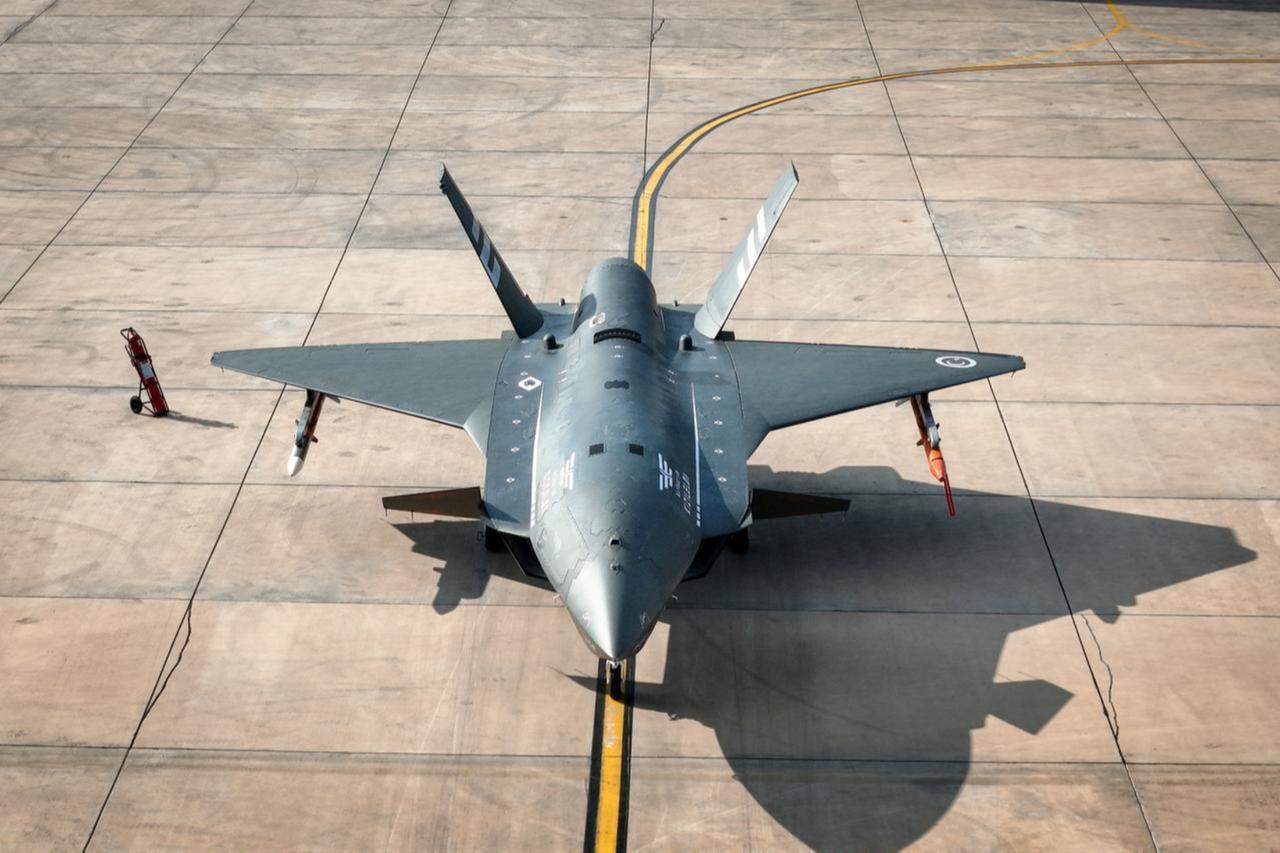


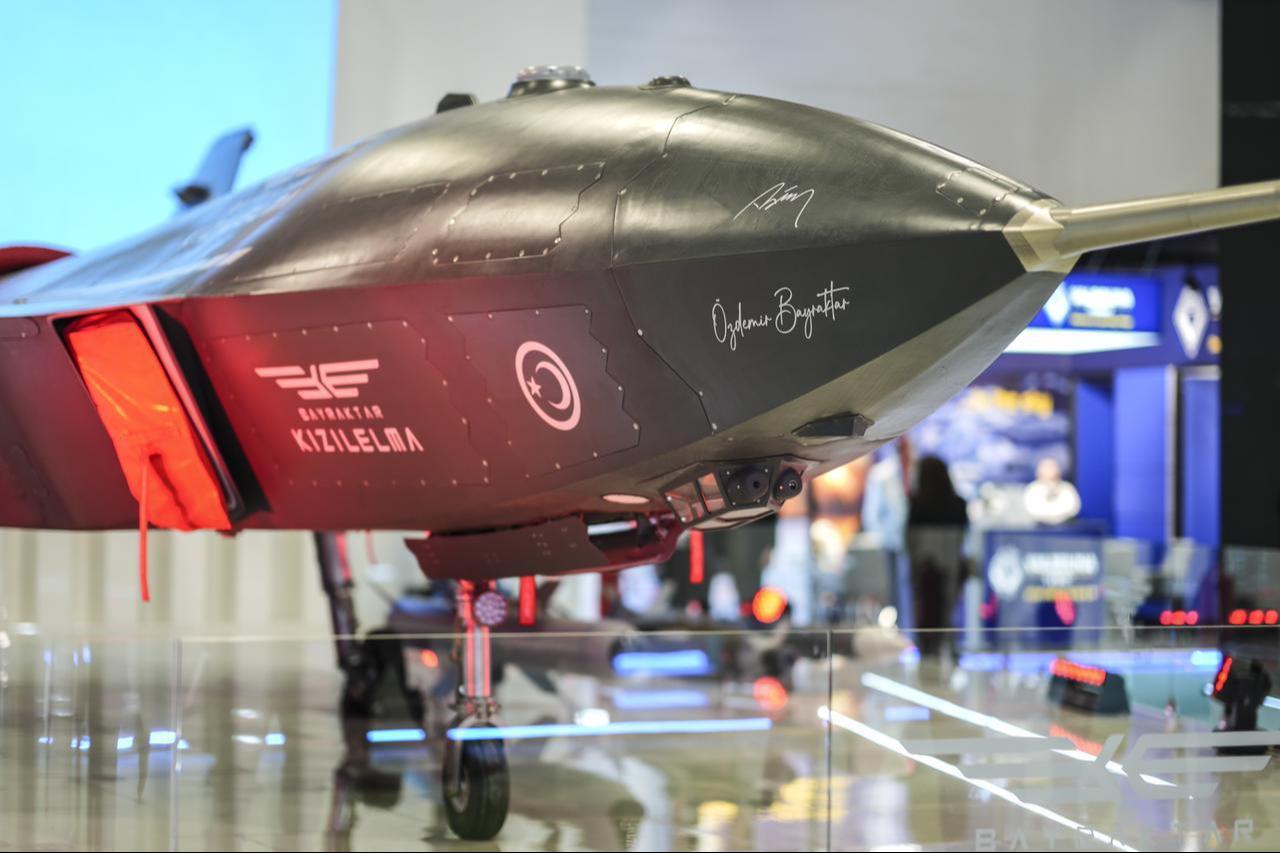
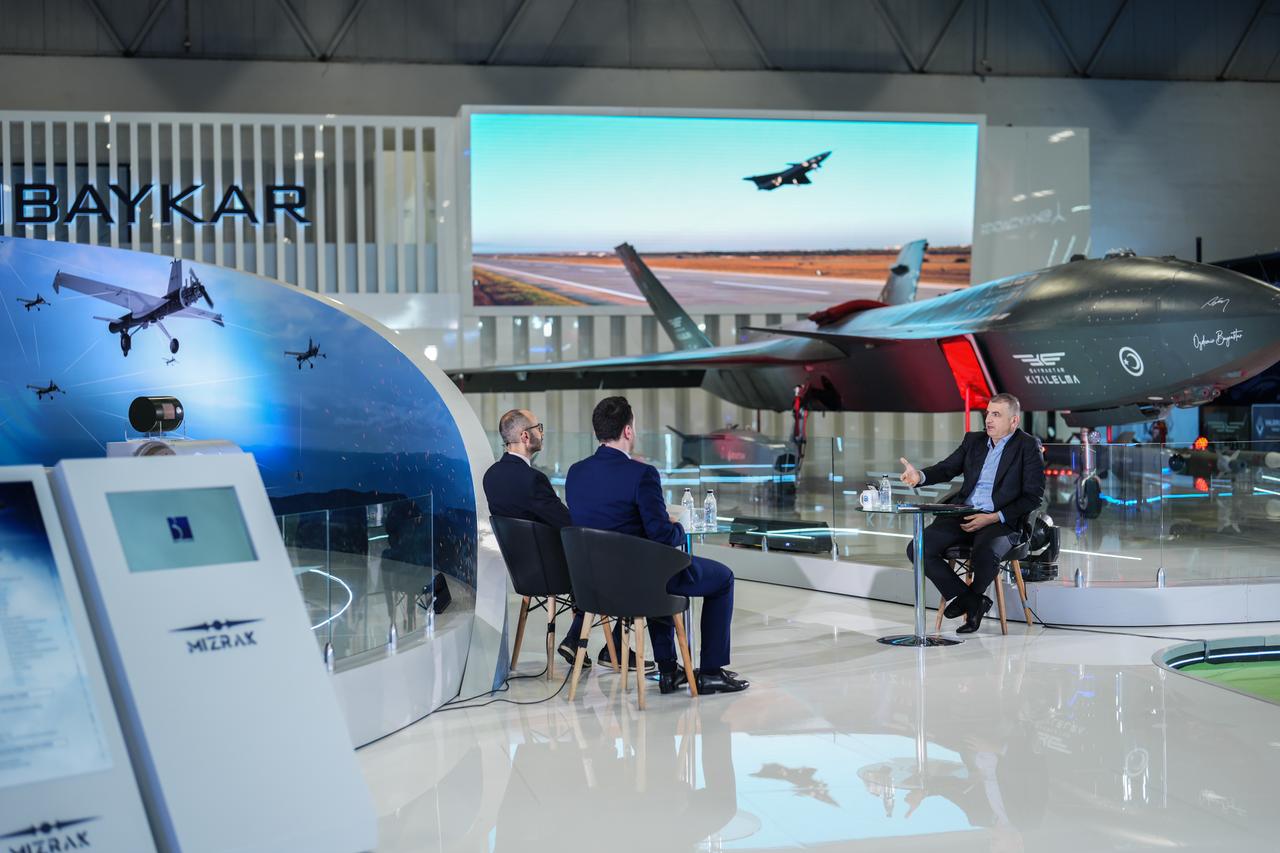
At the SAHA 2026 defense exhibition in Istanbul, a landmark agreement stole the spotlight: Indonesia’s Republikorp partnered with Turkish defense giant Baykar to secure 12 Kizilelma unmanned combat aerial vehicles (UCAVs) by 2028.
The deal represents a massive geopolitical and technological milestone. Indonesia—the world’s most populous Muslim nation—is acquiring what is widely considered the world’s first unmanned fighter jet from Türkiye, the leading defense manufacturer in the Muslim world.
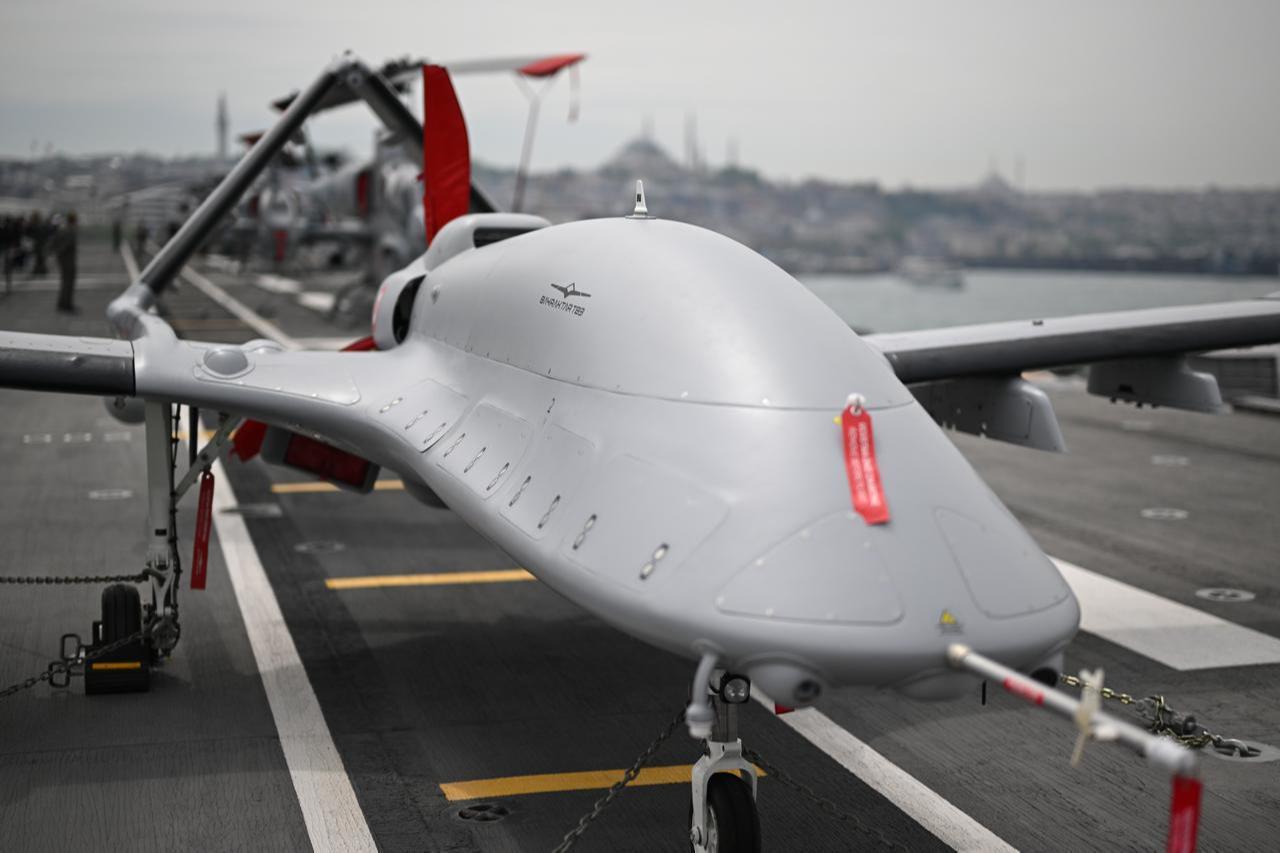
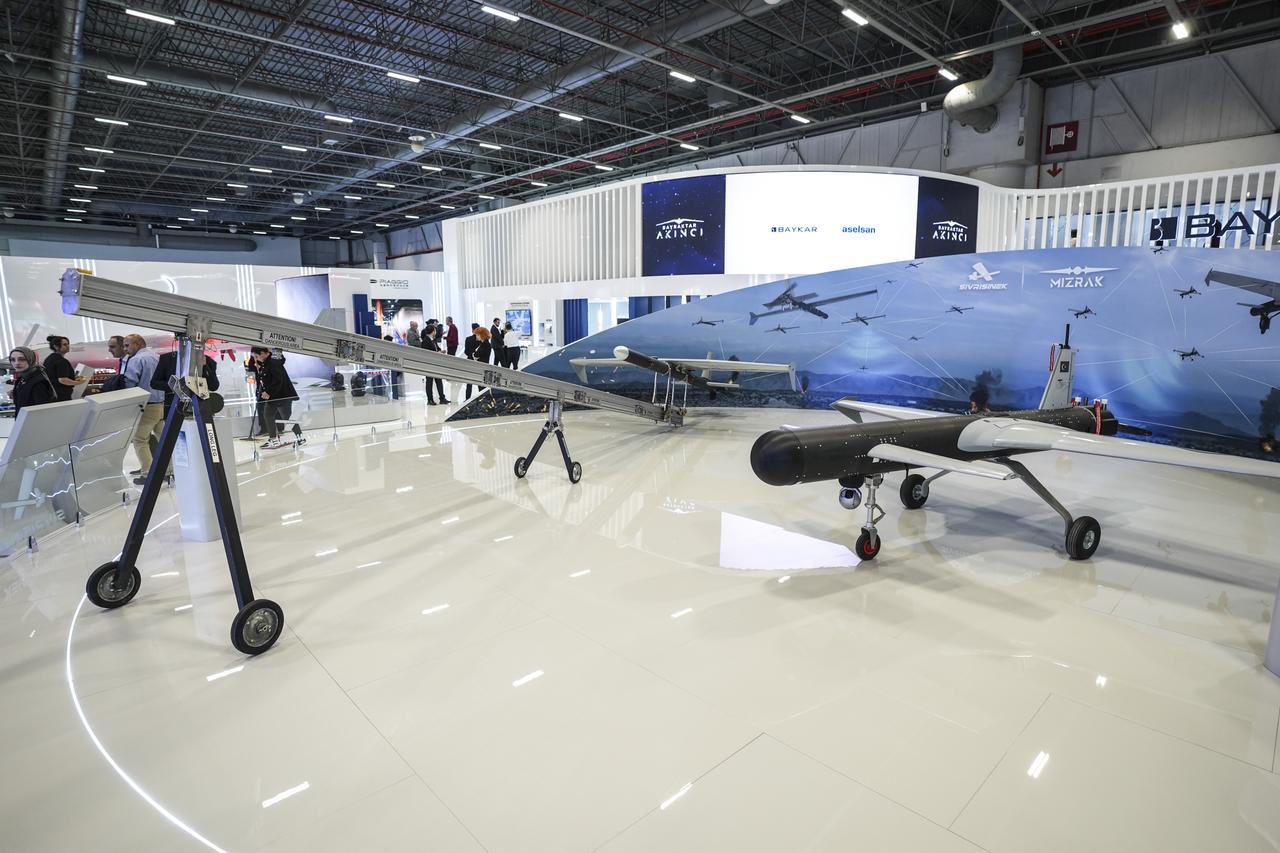
Indonesia is currently operating Baykar’s famed TB2 drones as well as the Akinci high-altitude, long-endurance UAVs, which have enabled the privately owned Turkish company to corner two-thirds of the global market in long-endurance drones.
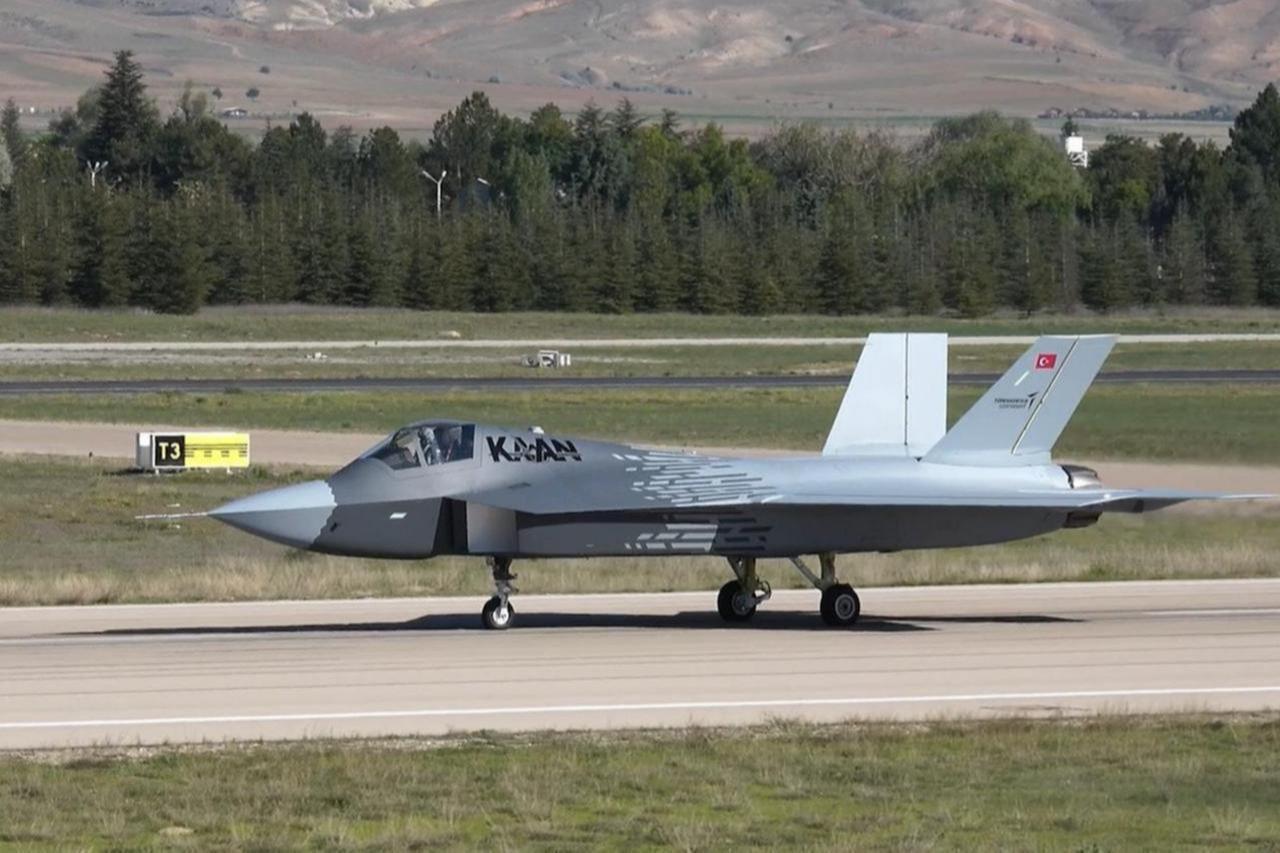
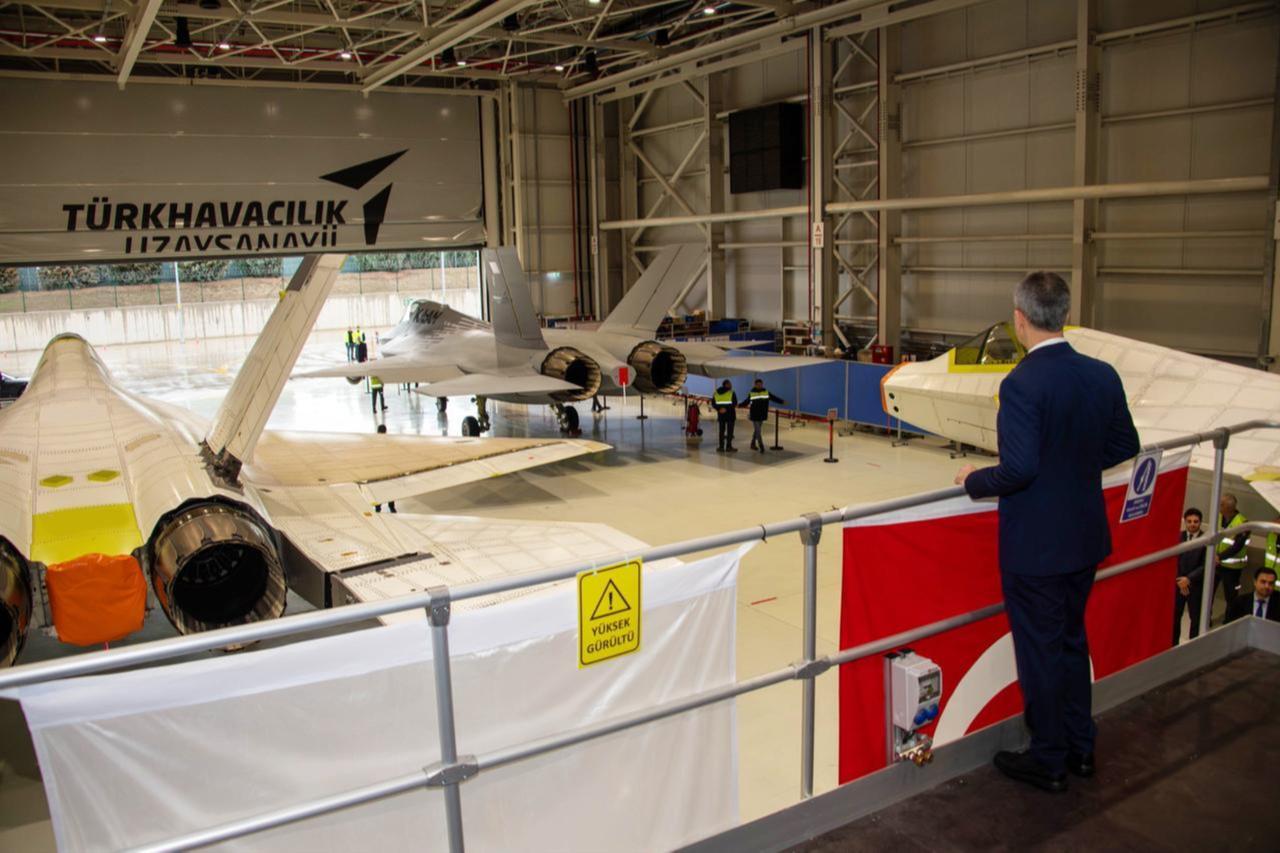
Last summer, Indonesia also signed agreements to acquire 48 units of the crown jewel of Türkiye’s defense and aerospace sector, Turkish Aerospace Industries’ (TAI) fifth-generation National Combat Aircraft, Kaan. Regarding the Kizilelma, Indonesia might end up acquiring a total of 60 units.
These deals signal interesting details about Türkiye and Indonesia’s approach to regional security and their global ambitions, especially with Ankara’s increasing interest in Southeast Asia.

Indonesia faces similar geopolitical challenges to Türkiye. While Southeast Asia is much less dangerous these days compared to Ankara’s wacky neighborhood, Jakarta/Nusantara faces risks in the South China Sea.
Like Türkiye, Indonesia also seeks a bigger global role, sending peacekeepers to distant lands such as the Central African Republic, Lebanon and South Sudan. Besieged Gaza might soon join that list.
According to Defense Security Asia, by acquiring Turkish-made systems such as Kaan and Kizilelma, which are likely to come with domestic manufacturing and maintenance, repair, and overhaul (MRO) facilities, Indonesia is seeking technological sovereignty and operational independence, something that American, Chinese, and Russian systems do not allow.
Operationally, having 48 Kaans and as many as 60 Kizilelmas would double the size of Indonesia’s combat air fleet, currently at just over 100 aircraft composed of a mix of American, British, and Russian platforms.
The Turkish-made aircraft would allow Janarta/Nusantara to patrol its national airspace of 7.7 million square kilometers, nearly the size of the continental United States, at a manageable cost.
With the arrival of 48 units of the Korea Aerospace Industries’ (KAI) KF-21 “Boramae” from South Korea and M-346s from Italy’s Leonardo, Indonesia will be in a much stronger position to defend itself.
Interestingly, Baykar CEO Haluk Bayraktar revealed at the exhibition that marketing the Kizilelma internationally was not a current priority.
Instead, the company intended to refine its concept of operations once the first units integrate into the Turkish Air Force later this year.
According to Bayraktar, it was persistent lobbying from the Indonesian government and Republikorp that ultimately convinced Baykar to secure the deal.
Türkiye has good reasons to be bullish about its defense, security, and push to increase its political and economic dealings with Indonesia.
In recent years, Jakarta/Nusantara has acquired the Kaplan (Harimau) medium tanks from leading Turkish land systems manufacturer FNSS, the short-range Khan ballistic missile from Roketsan, as well as various munitions, radars, and electronic systems from Aselsan.
The Indonesian Navy is expected to acquire two I-class frigates that came out of Türkiye’s “national ship project” (MILGEM).
Despite this positive outlook, some Turkish commentators also make a bearish case about Indonesia’s intentions with Kaan and Kizilelma, and it is hard to dismiss their concerns.
Indonesia’s differences with South Korea over the KF-21 “Boramae” project and arrears in the payment schedule ultimately decreased its share in the project from 20% to 7.5%.
Meanwhile, reports on international news outlets show that the Indonesian side is still looking into Russian and Chinese aircraft.
Last October, the Indonesian government announced plans to acquire 42 units of the Chengdu J-10 from China. Will those acquisitions affect Kaan and Kizilelma exports to Indonesia?
Indonesia may be the biggest buyer of Turkish-made defense platforms in Southeast Asia, but it is hardly the only one.
Malaysia is scheduled to acquire three corvettes for its navy based on the Ada-class corvettes serving in the Turkish Navy. The Malaysian Coast Guard will also receive two multi-purpose ships from the Istanbul-based Desan Shipyard in the late 2020s.
TAI has completed the Philippines’ order of six T129 ATAK helicopter gunships, which has proven its merit in the mountainous areas of southeast Türkiye, northern Iraq, and Syria.
Thailand is considering Türkiye’s MILGEM I-class frigates for its four-ship tender.
Vietnam may be the next frontier—for both practical and hilariously awkward reasons.
The Vietnamese Ministry of National Defense had a prominent national pavilion at SAHA 2026, which attracted thousands of visitors.
According to the website VietnamPlus, the country’s Deputy Minister of National Defense Senior Lieutenant General Nguyen Truong Thang attended SAHA 2026 upon the invitation of the Turkish Ministry of National Defense and met with Turkish Minister Yasar Guler.
The website Voice of Vietnam also reported that the government-owned Viettel signed a cooperation agreement with the Turkish company Karel Electronics to test and integrate the Vietnamese company’s private 5G network solutions into military communication environments.
Viettel also agreed to expand its 5G cooperation with ULAK A.S., a subsidiary of Turkish military-electronics giant Aselsan, one of the highest valued defense firms in Europe.
Ankara’s motivation to deepen ties with Hanoi is straightforward. With an economy averaging 6.5% growth since 2000 and a thriving investment climate, Vietnam is more than just a lucrative commercial market. For Türkiye, it represents a strategic defense and security partner—and a fellow rising middle power on the global stage.
Turkish social-media interest in Vietnam, however, carries a distinctly dark, humorous undercurrent. With anti-American sentiment surging in Türkiye over Washington’s blanket support for Israel’s military campaigns in Gaza—and compounded by what many Turks view as the total complicity of European NATO allies—the prospect of a partnership holds a unique appeal.
For many in Türkiye, aligning with a nation that successfully defeated France, the United States, and China within a span of less than 30 years is a source of vicarious pride.
You’d also want to become friends with Vietnam if you disliked France, the U.S., and China as much as the average Turk.
Ironically, a comparable passion is missing on the Southeast Asian side. Vietnamese society and officials have a healthy and mature response to their past victories against China, France, and the U.S. Plus, while Hanoi has close trade ties with Washington, it also does not want to offend its giant neighbor to the north, China.
At any rate, the biggest challenge to Türkiye in Southeast Asian defense and aerospace markets will end up not being the “big threes,” i.e., America, China, and Russia, but fellow middle powers France, India, and South Korea.
France is already one of the world’s largest arms exporters, according to the Stockholm International Peace Research Institute.
Despite its woes with the Tejas and AMCA fighter jet programs, India has made huge strides in its overall defense and aerospace sectors.
South Korea, for its part, is now one of the most technologically advanced countries in the world and it is leveraging its economic and financial muscle to make inroads in markets that Türkiye is also interested in, selling the TA-50 trainer and light-combat jet to Poland and Iraq.
At any rate, thanks to not having scruples about using U.S.-made components, Seoul has made considerable advances with the KF-21 Boramae.
While it is unlikely that Washington will let the Boramae to compete against U.S.-made aircraft in export markets other than Indonesia, nonetheless, Türkiye’s defense and aerospace companies will have to contend with its close partner South Korea’s firms in Southeast Asia and elsewhere in the coming years.


 Set as preferred source
 Set as preferred source


 2 min read
 1 min read