Newsletters




This article was originally written for Türkiye Today’s weekly newsletter, Saturday's Wrap-up, in its May 16, 2026, issue. Please make sure you subscribe to the newsletter by clicking here.
Mark your calendars for the week of July 6, and plan an escape. Unless you are a NATO country diplomat or an Ankara-based journalist, it is the absolute best time to take your annual leave. Otherwise, you will be caught in capital choked by gridlocked traffic, suffocating summer heat, panicking bureaucrats, and a heavy police presence. There might be a similar rush in Istanbul, too, as international delegations filter through the country’s transit hubs.
To maintain your sanity, skip the famous, slightly cynical Turkish saying that goes, "The best thing about Ankara is the way back to Istanbul." Instead, your best bet is to avoid both metropolises entirely and seek refuge in a tea house in a small Anatolian town with fresh mountain air.
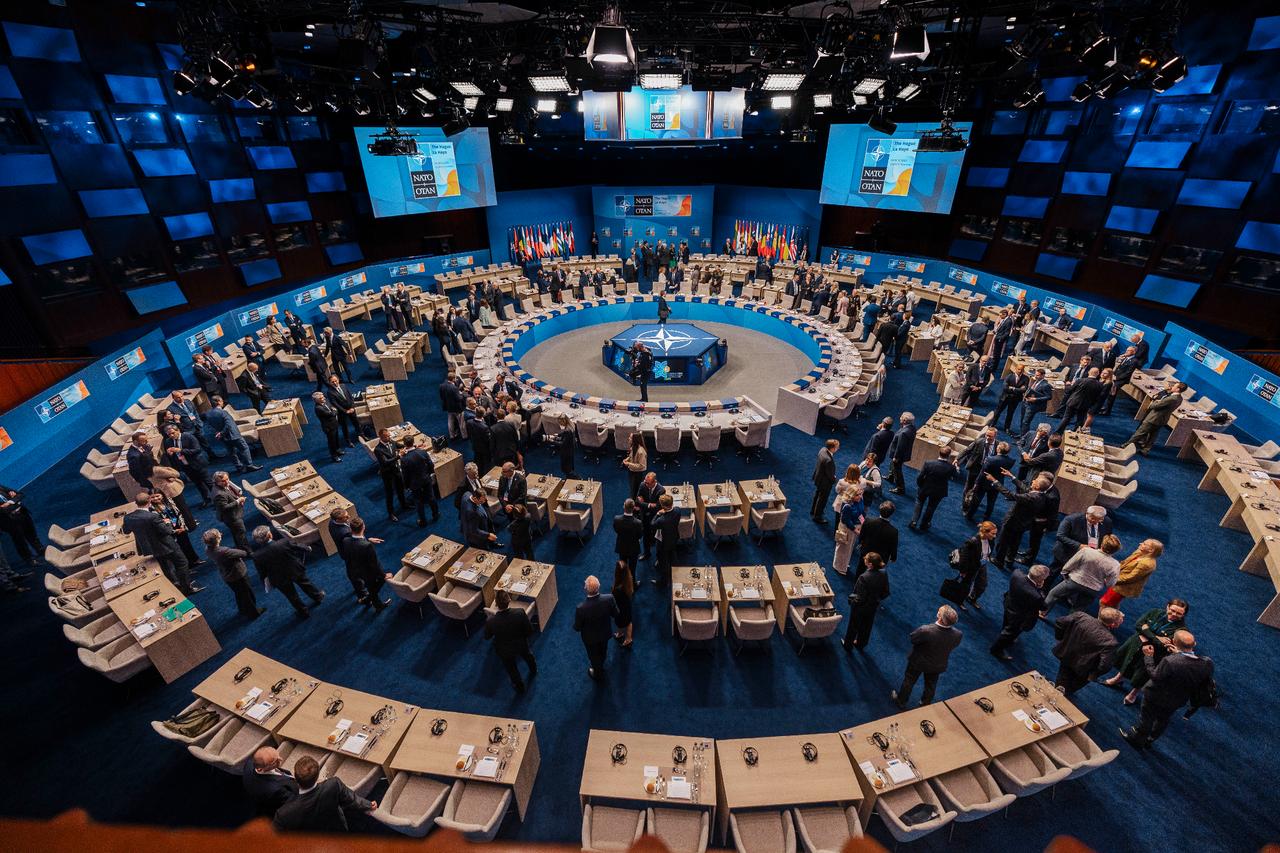
The reason for this collective headache is the landmark Ankara NATO Summit, an event that is already turning our usually sluggish political summer into a high-stakes diplomatic pressure cooker.
This gathering arrives at a highly sensitive geopolitical moment, especially against the backdrop of Donald Trump’s deeply negative comments regarding NATO's future. While his rhetoric has sent shivers down the spines of many European capitals, the perspective in Ankara is notably more pragmatic.
Türkiye largely views Trump’s sharp critiques not as a direct, existential threat targeting NATO as an institution, but rather as a symptom of the long-standing, structural friction between Europe and the United States over defense spending and strategic autonomy.
Yet, Türkiye takes no comfort in this transatlantic soul searching. Ankara has a profound, vested interest in making NATO more relevant. For all of its complex bilateral balancing acts, NATO remains one of the most critical pillars of Türkiye’s own national security, whether you like it or not.
For months, the cynical view among international commentators has been that this summer’s gathering would be another routine photo-op—Western leaders smiling for the family portrait before heading to a lavish gala dinner. However, preparations behind the scenes suggest something far more substantial is brewing.
According to regional security experts, this summit is actually poised to shape NATO’s entire geopolitical agenda for the next decade. The alliance is being dragged, sometimes kicking and screaming, to look south at the volatile security dynamics of the Middle East and the Global South—the very regions that traditional, Eurocentric NATO planning has long pushed to the periphery.
Ankara isn't just playing the passive host and managing the immense logistics of the event; it is actively and aggressively trying to rewrite the script before the delegates even touch down.
According to an exclusive report by Levent Kemal, Türkiye has already been actively discussing Gulf participation with NATO allies during high-level preparatory sessions. Integrating Gulf states into the broader NATO orbit would represent a fundamental, structural rewrite of regional security architecture. Ankara is leveraging its unique geographical and political position to act as the ultimate bridge.
Yet, while Turkish officials push this ambitious blueprint in Ankara's air-conditioned briefing rooms, a parallel, much uglier battle is already being fought across the Atlantic.
One of Ankara’s heaviest diplomatic lifts right now is countering an aggressive, Israeli-led narrative specifically designed to vilify Türkiye in the eyes of Western decision-makers.
In Washington policy circles, Israel has been working overtime to paint Türkiye as "the next Iran." This highly coordinated narrative seeks to brand Türkiye as an aggressive, dangerous, and rogue regional actor, utilizing intense lobbying to alienate Ankara from its Western allies at a time when cooperation is vital.
Turkish diplomacy is working beneath the radar to systematically dismantle this caricature. They are reframing Ankara's regional actions and military presence not as revisionist aggression, but as a stabilizing, indispensable counterweight to regional chaos.
Just like the bold domestic maneuvers we analyzed recently—where the state architecture attempted to close the "domestic front" through radical peace proposals to insulate the country from regional storms—this upcoming summit reveals a government operating with a singular, calculated focus. One of the main focuses is to make NATO more relevant in the face of current geopolitical storms.
As the countdown to July begins and bureaucrats spend their spring sweating through grueling prep meetings, the fundamental question isn't whether NATO can survive the upcoming Ankara traffic gridlock—it's whether its Western allies are actually ready for the strategic roadmap currently being drawn up in the Turkish capital.


 Set as preferred source
 Set as preferred source


 7 min read