Newsletters


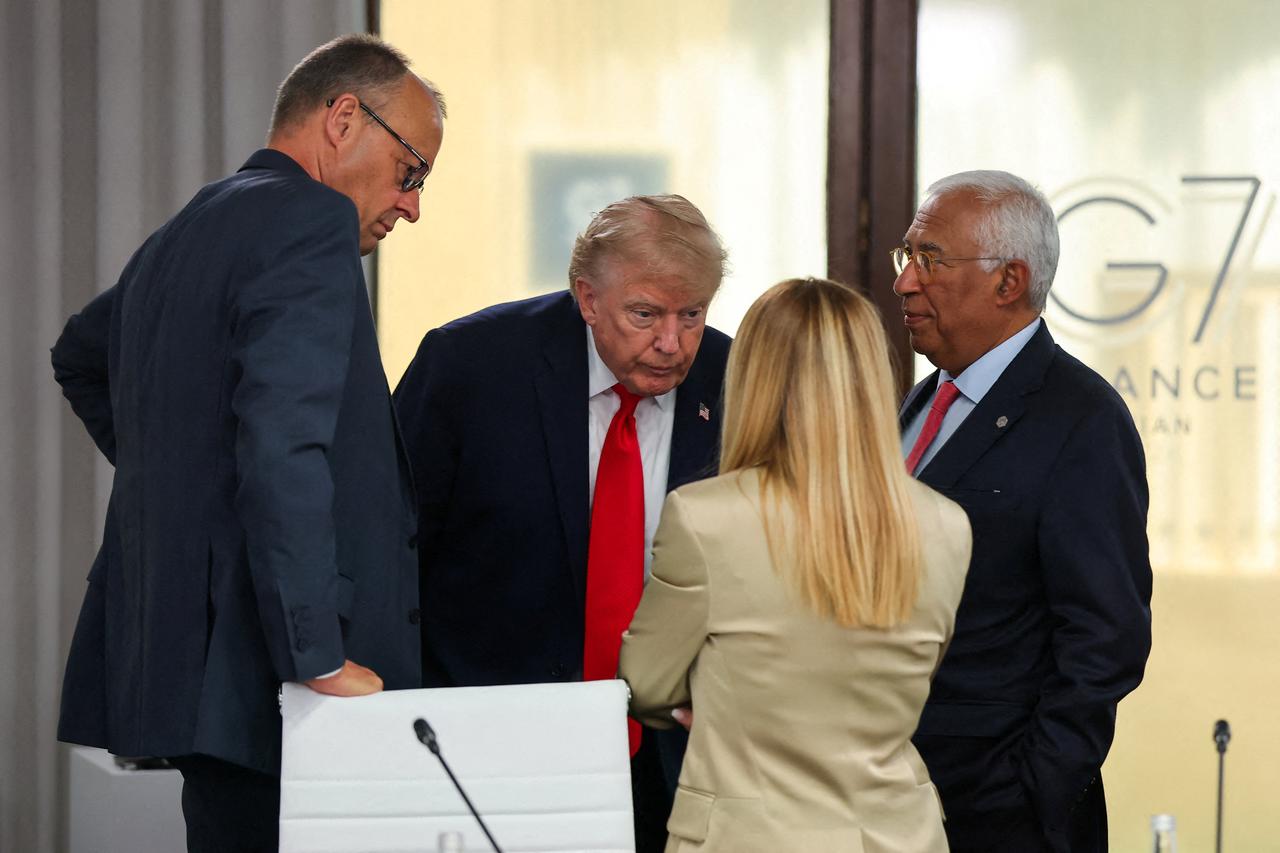


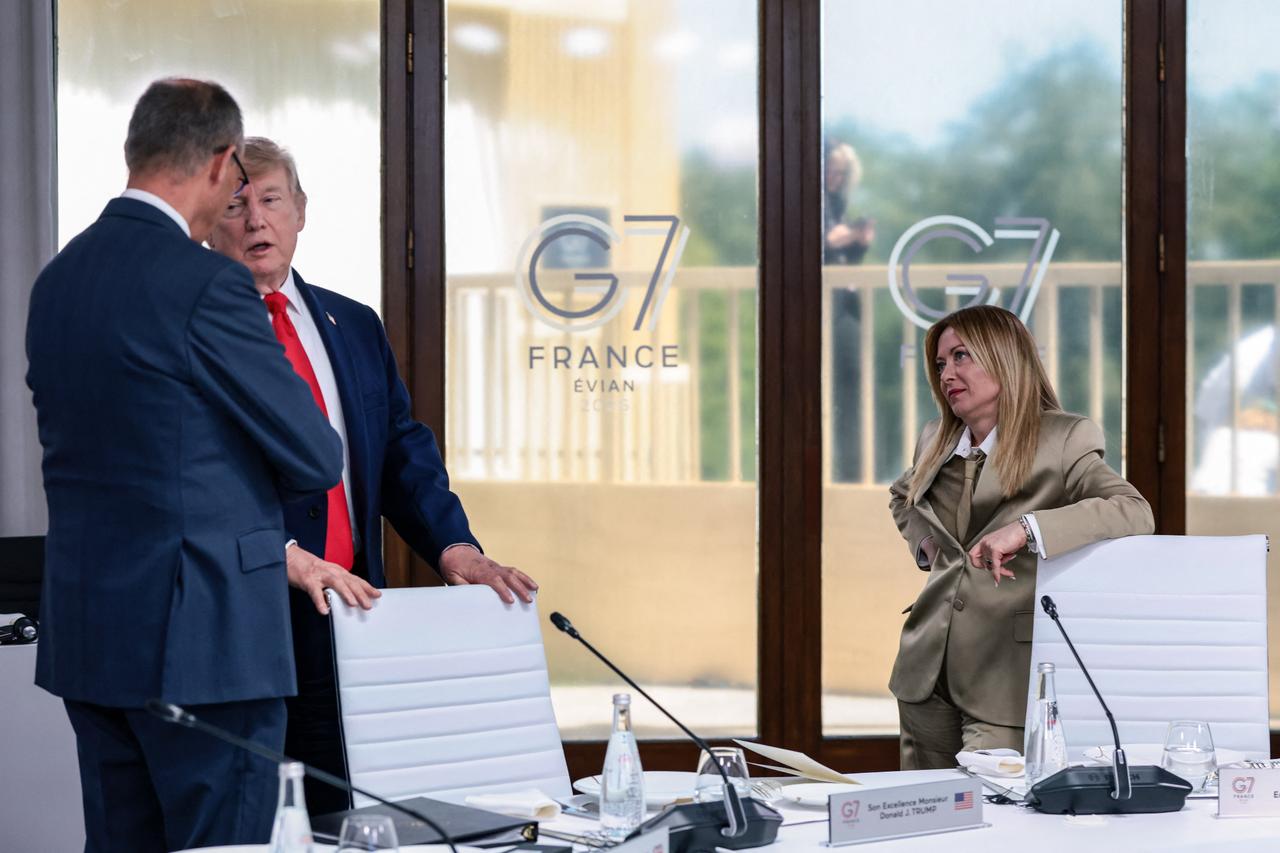
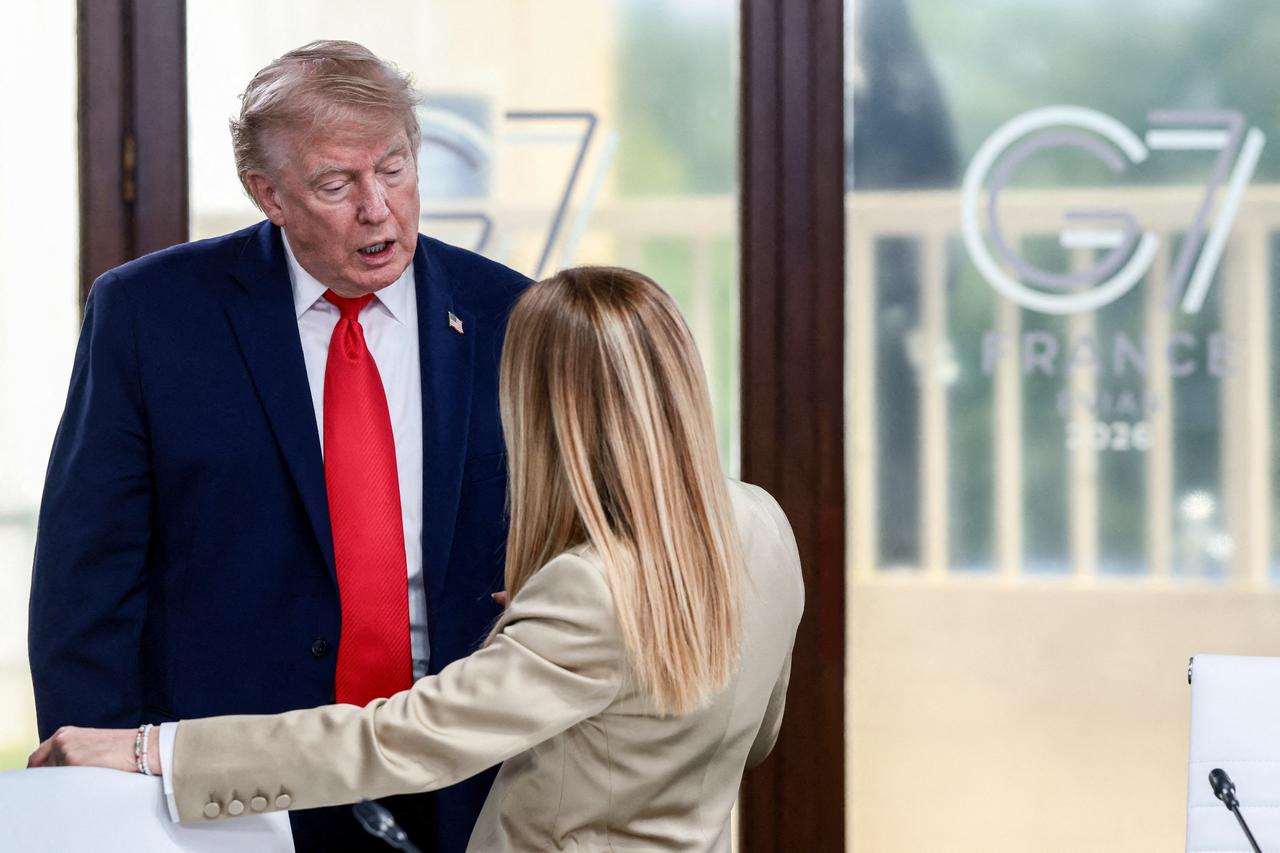
The G7 summit in Evian-les-Bains was supposed to signal a thaw between U.S. President Donald Trump and Italian Prime Minister Giorgia Meloni. Instead, it produced a photograph—or rather, a fight about one.
Trump's claim that Meloni had "begged" him for a photo and that he'd agreed out of pity became a test of where the once-close alliance now stood.
The Trump–Meloni relationship began on a politically symmetrical footing, built on shared right-populist discourse, national sovereignty, and anti-immigration policies.
Meloni was among the first European leaders to visit Trump at Mar-a-Lago after his November 2024 victory, and her presence at the January 2025 inauguration as the sole EU head of state marked the high point of the alliance.
She positioned herself as a "bridge between Washington and Europe," mediating on trade, NATO, and Ukraine, while other EU leaders kept their distance.
The erosion came in stages. Meloni continued backing Ukraine while Trump questioned that support. She declared no EU member would support Trump's Greenland claims. Italian public opinion on Gaza shifted Rome's tone away from Washington's.
Then, in early 2026, U.S. and Israeli military operations against Iran's nuclear program produced a profound transatlantic rift. Meloni stated the interventions had occurred "outside international law."
The definitive breaking point came in March 2026: the United States sought to use the Sigonella base in Sicily, and Italy's defense ministry rejected the request, citing insufficient time for constitutionally required parliamentary approval. Washington read it as a test of loyalty that Italy had failed.
In April 2026, Pope Leo XIV sharply criticized U.S.-Iran policy. Trump responded on Truth Social: "I don't want a Pope who thinks it's okay for Iran to have nuclear weapons."
Meloni called the remarks "unacceptable," and Trump told Corriere della Sera: "I thought she had courage. I was wrong."
The war had also driven energy prices higher across Europe, hitting Italy with particular severity, and with the 2027 elections approaching, Meloni's Washington alignment had become an electoral liability.
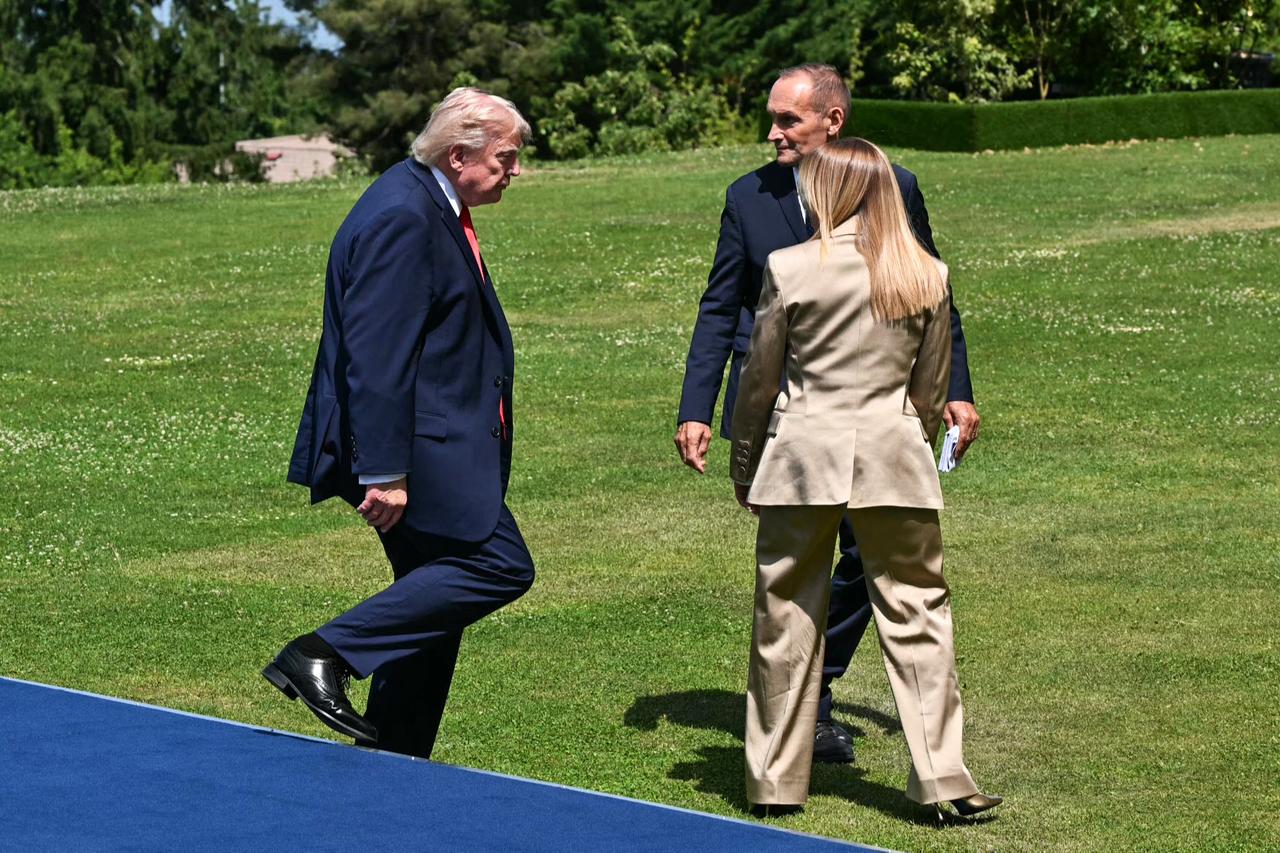

Their meeting at Evian "cleared the air"; however, it did not resolve the underlying problems.
On the sidelines, European Council President Antonio Costa quipped, "You're friends again." Meloni replied, "We were always friends." Trump responded, "I was abandoned." Meloni laughed and said, "No, you weren't," but the combative metaphor had already escaped.
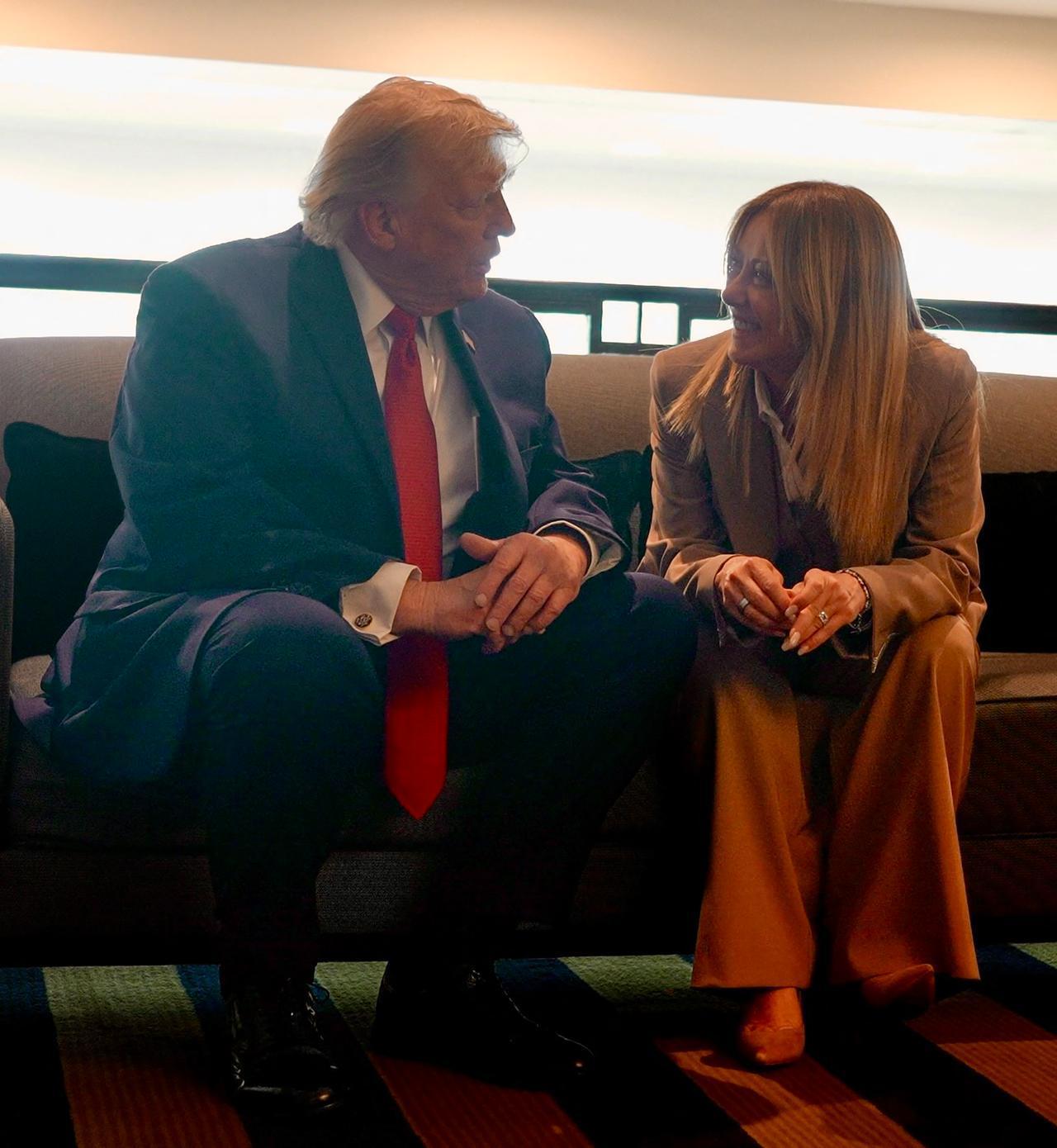
Shortly after the summit, Trump gave an interview by telephone to Italy's La7. The channel broadcast only a dubbed version, but the transcript reported Trump saying: "She begged to take a photo with me. She wanted so much to take photos with me, but I felt sorry for her, so I agreed."
The statement recast a diplomatic encounter between equals as a display of power, through wording that was publicly unverifiable yet diplomatically devastating.
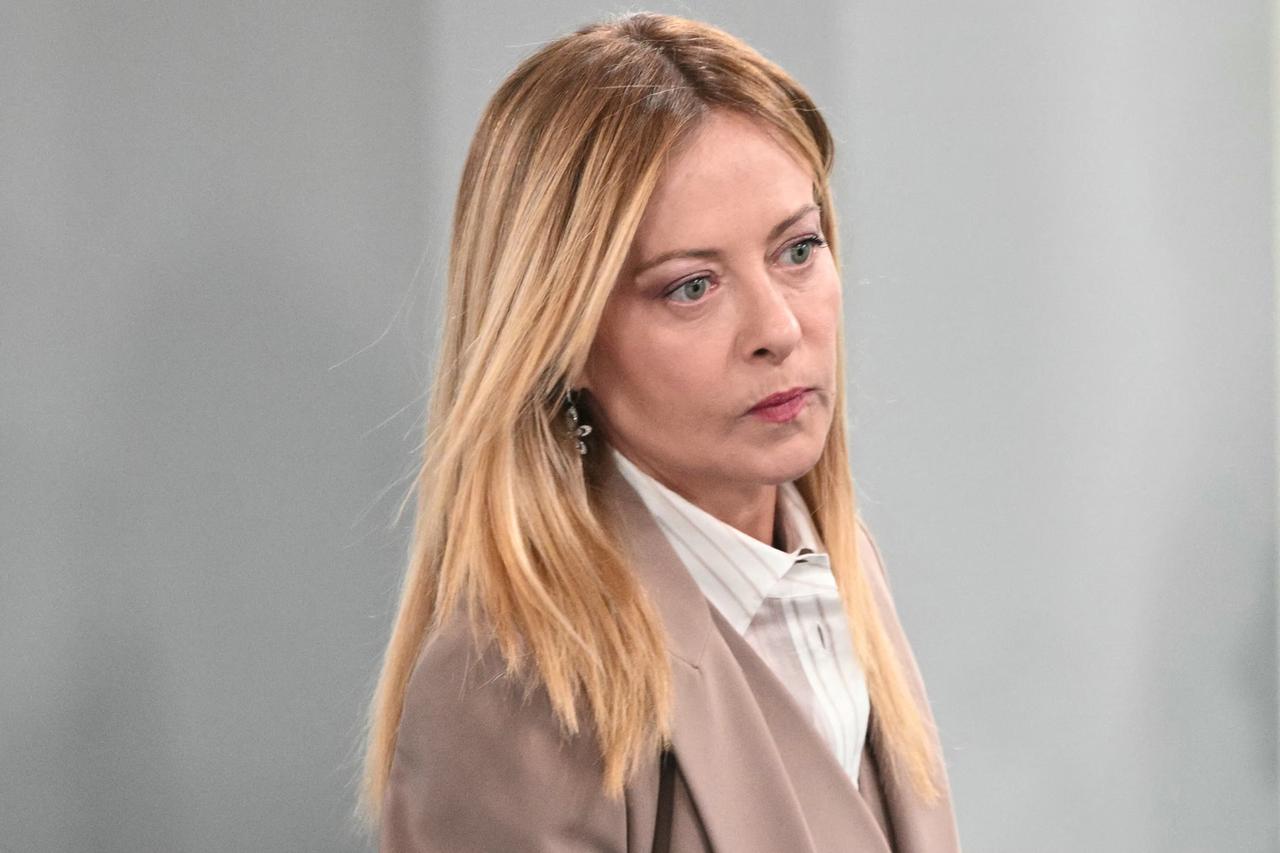
Meloni's response was swift. In a video posted on social media, she stated: "Donald Trump's statements are a complete fabrication. Frankly, I am astonished. I do not understand why the President of the United States treats his own allies this way, and this is not the first time.
It is unfortunate that he does not show the same resolve toward leaders who are far more accommodating toward the enemies of the West, the enemies of the United States. But he should remember one thing: neither I nor Italy ever begs."
By implying that Trump treats allies more harshly than enemies, Meloni indicted the relationship itself.
The Italian government closed ranks unanimously. Foreign Minister Tajani cancelled his Washington visit, calling Trump's words an offense to Italy.
Undersecretary Fazzolari went furthest, "You are destroying Europe–U.S. relations, through either malice or incompetence."
Coalition partner Salvini declared, "attacking Meloni is attacking all of us," and even opposition leader Renzi added, "You finally understand."
Trump deepened the crisis rather than retreating. He wrote on Truth Social: "Meloni wanted to take pictures with me over and over again at the G7 meeting. Her popularity in Italy is low because, when it came to stopping Iran from developing Nuclear Weapons, she rejected the U.S. that truly loves and protects Italy."
He then extended the attack to NATO, "After spending Trillions of Dollars on NATO, Italy, and its Prime Minister, they wouldn't even let us use a base in Sicily. We have been defending them for decades, but they weren't there when tested."
The photo dispute is a surface event. The structural damage runs deeper. The Sigonella refusal sits at its core. Italy's constitutional requirement was legitimate, but Washington read it as betrayal.
Trump threatened to withdraw U.S. troops from Italy, a pointed threat given the vital U.S. installations at Aviano and Sigonella.
Italy also declined to join NATO's PURL program financing U.S.-made weapons for Ukraine; Defense Minister Crosetto confirmed: "We said no from the very beginning." This gave Trump's "protection without payment" critique its diplomatic grounding.
Four realities have now been laid bare. Meloni's bridge role has been neutralized: Italy cannot mediate between Washington and Brussels without consistent trust from both sides.
The allied relationship is asymmetric: Trump deployed harsher language toward Rome than toward rival capitals, and Meloni's question, "Are you kinder to enemies?" named that gap directly.
NATO's collective security framework is more fragile than it appears: Italy's Sigonella decision was constitutionally defensible; however, Trump called it a betrayal.
Trump aimed to weaken Meloni. He unified Italy behind her instead.


 Set as preferred source
 Set as preferred source


 2 min read
 1 min read