Newsletters


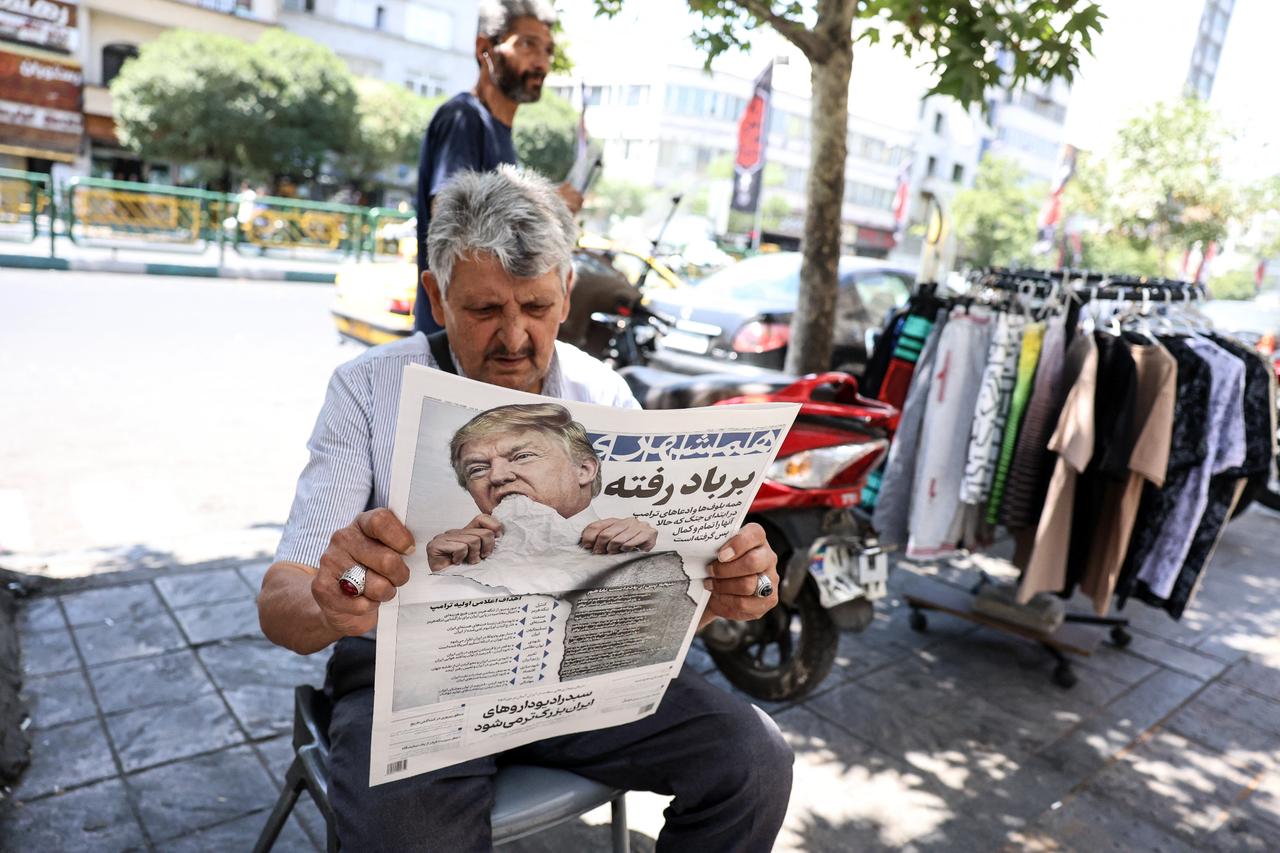


With a preliminary agreement to end the U.S.-Israeli war, international observers have started calculating the damage inflicted upon the Islamic Republic of Iran, pointing to shattered proxy infrastructure, a degraded military, destroyed missile and drone sites, and deep economic isolation as evidence of a regime on the ropes
But in Tehran, the leadership is drawing a drastically different conclusion.
Rather than facing imminent collapse, the Iranian regime has emerged from Operation Epic Fury with a battle-tested playbook for survival that makes another major confrontation with the U.S. highly unlikely. The conflict has not humiliated Tehran. It has educated it. For a regime obsessed with self-preservation, the war has provided a masterclass in modern geopolitical resilience, offering ten definitive lessons that will shape Iran’s strategic culture vis-à-vis future conflicts with the United States.
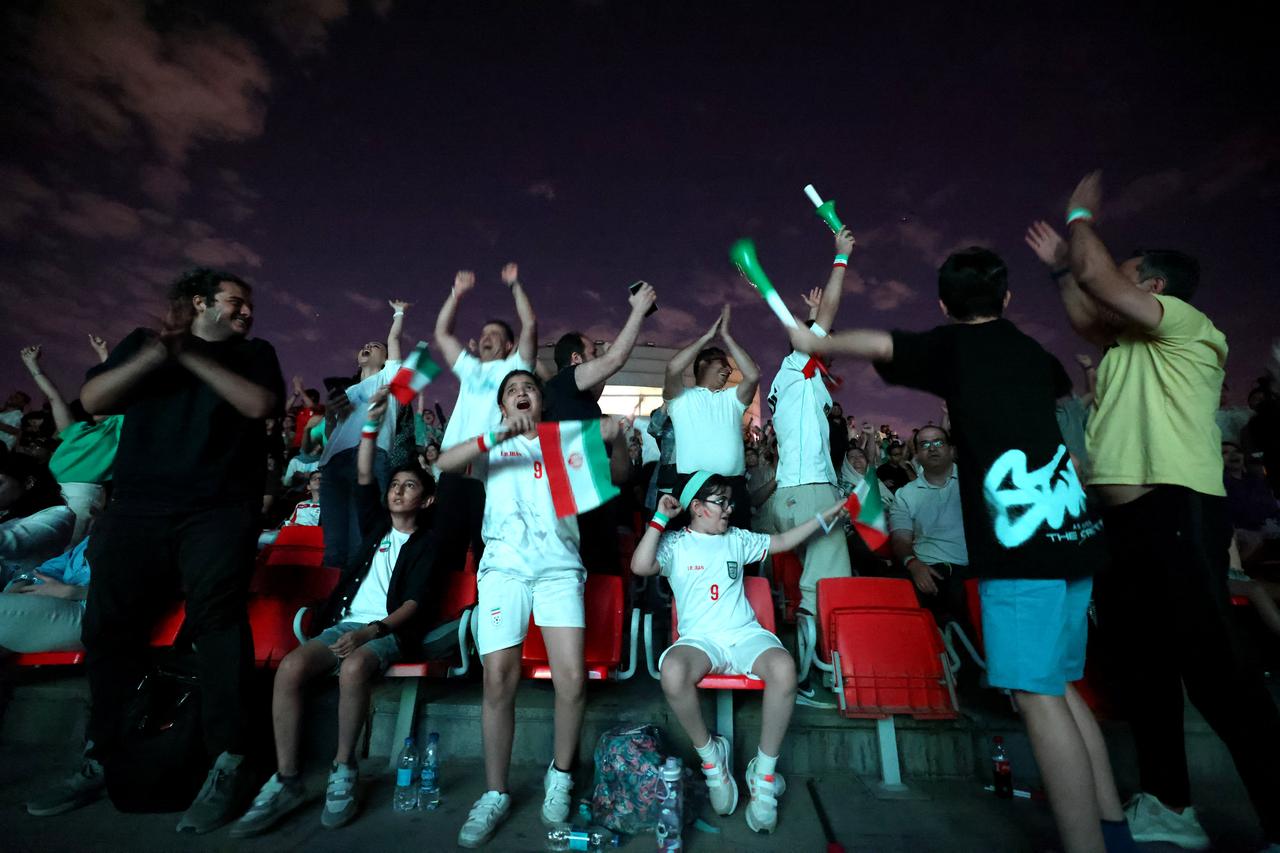
Ruhollah Khomeini, the founder of the Islamic Republic of Iran, famously described the devastating eight-year war with Iraq as a "divine blessing" because of its apparent rally-around-the-flag effect. Likewise, the current regime has rediscovered the truth that war is a boon simply because the greatest existential threat to the Iranian government is not Washington or Tel Aviv, but its own disgruntled citizens.
The regime that was grappling with massive protests in recent years has realized that a major external threat silences domestic dissent, leaving virtually no viable political opposition in Iran for the foreseeable future. By framing itself as the defender of the nation against foreign aggression, the regime has successfully neutralized its internal enemies.
This lesson is one of profound defiance: Tehran has learned it can weather any storm the two "Satans" unleash. Iran calls Israel the "Little Satan" and the United States the "Great Satan." For decades, the regime braced for a catastrophic U.S. military intervention. However, experiencing the actual conflict revealed that even this worst-case scenario is survivable. There is immense strategic relief in Tehran’s realization that foreign-engineered regime change is off the table. Ultimately, the takeaway is clear: what doesn’t kill the regime makes it stronger.
While a nuclear breakout remains the long-term goal, Tehran has found an immediate conventional equalizer: the Strait of Hormuz. It is now Iran’s most powerful weapon, arguably even more critical than a nuclear bomb.
By holding a chokepoint through which a fifth of the world’s liquefied natural gas and 20% of its oil passes, Tehran wields global economic leverage capable of deterring Western aggression. Iran is expected to use the waterway as a valuable bargaining chip and to shut it down in response to a major escalation.
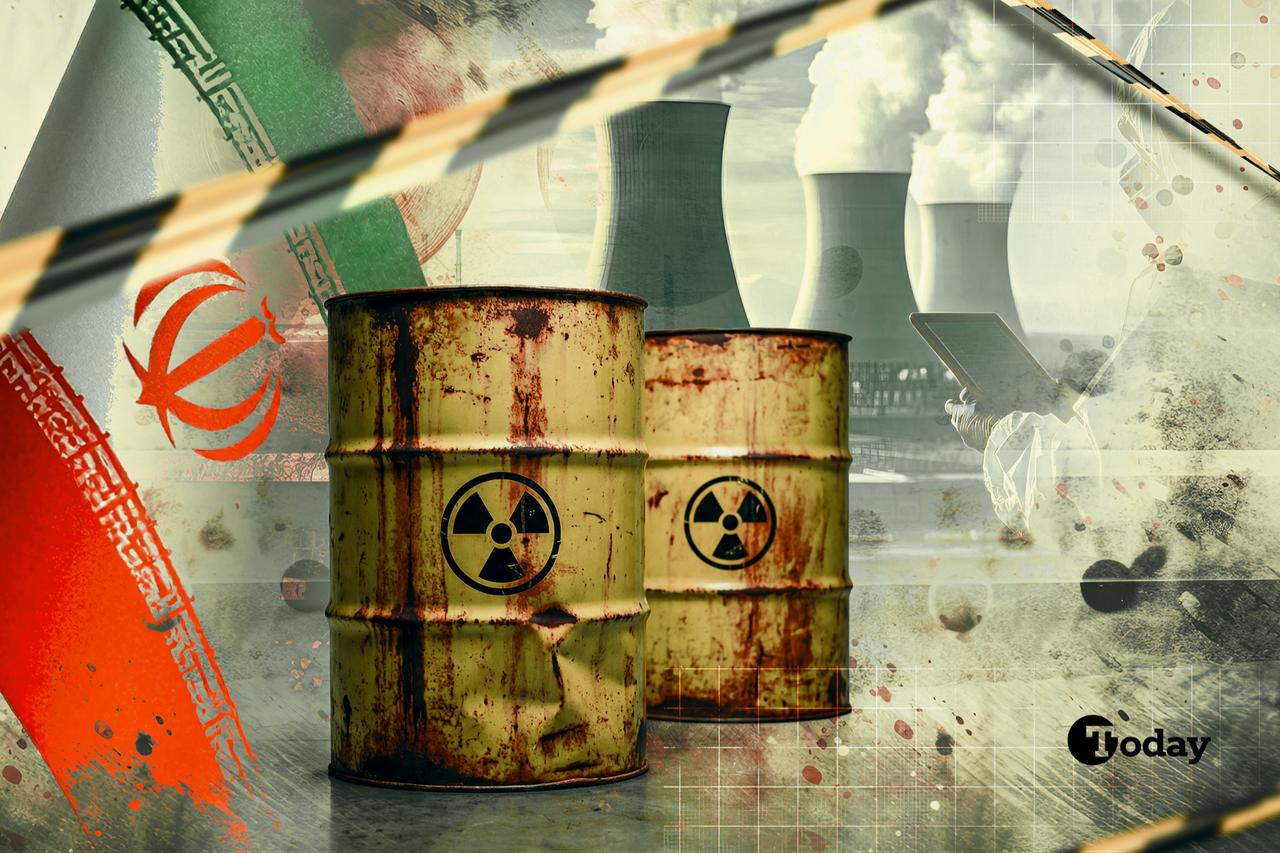
In the short term, there will be nuclear concessions to make as Iran’s economy direly needs sanctions relief and a financial lifeline to recover. But the war has only accelerated Tehran’s long-term nuclear ambitions. The regime's strategic consciousness dictates that Iran must acquire nuclear weapons, no matter how long it takes.
Tehran has watched the historical consequences of nuclear capitulation: Ukraine gave up its nuclear stockpile and was invaded; Libya, Syria, and Iraq abandoned their programs or lacked nuclear deterrents and saw their regimes toppled. Conversely, North Korea built the bomb and successfully insulated itself from foreign-led regime change. Iran views a nuclear arsenal not as a tool of provocation, but as the ultimate insurance policy.

This war exposed a consequential vulnerability for Iran: the proxy network plays a key role in Iran's “Forward Defense” doctrine and must be rebuilt and reinforced. This network, framed as an “Axis of Resistance,” enabled Tehran to project power and influence across the region against Israel and the United States. Tehran observed that when its proxy groups were degraded following events unleashed after the Oct. 7, 2023, attacks, Israel felt empowered to strike Iran directly. To maintain strategic depth, rebuilding Hezbollah, the Houthis, and Iraqi militias is a matter of immediate national security.
Iran recognizes that financing its multi-front strategy requires economic lifelines, and as Iran’s main oil buyer, China is essential. The conflict proved that American-led sanctions cannot destroy the regime as long as Beijing steps in. China currently purchases roughly 90% of Iran’s oil, providing a vital economic artery that funds Iran’s nuclear, ballistic, drone, and proxy networks despite Western sanctions.
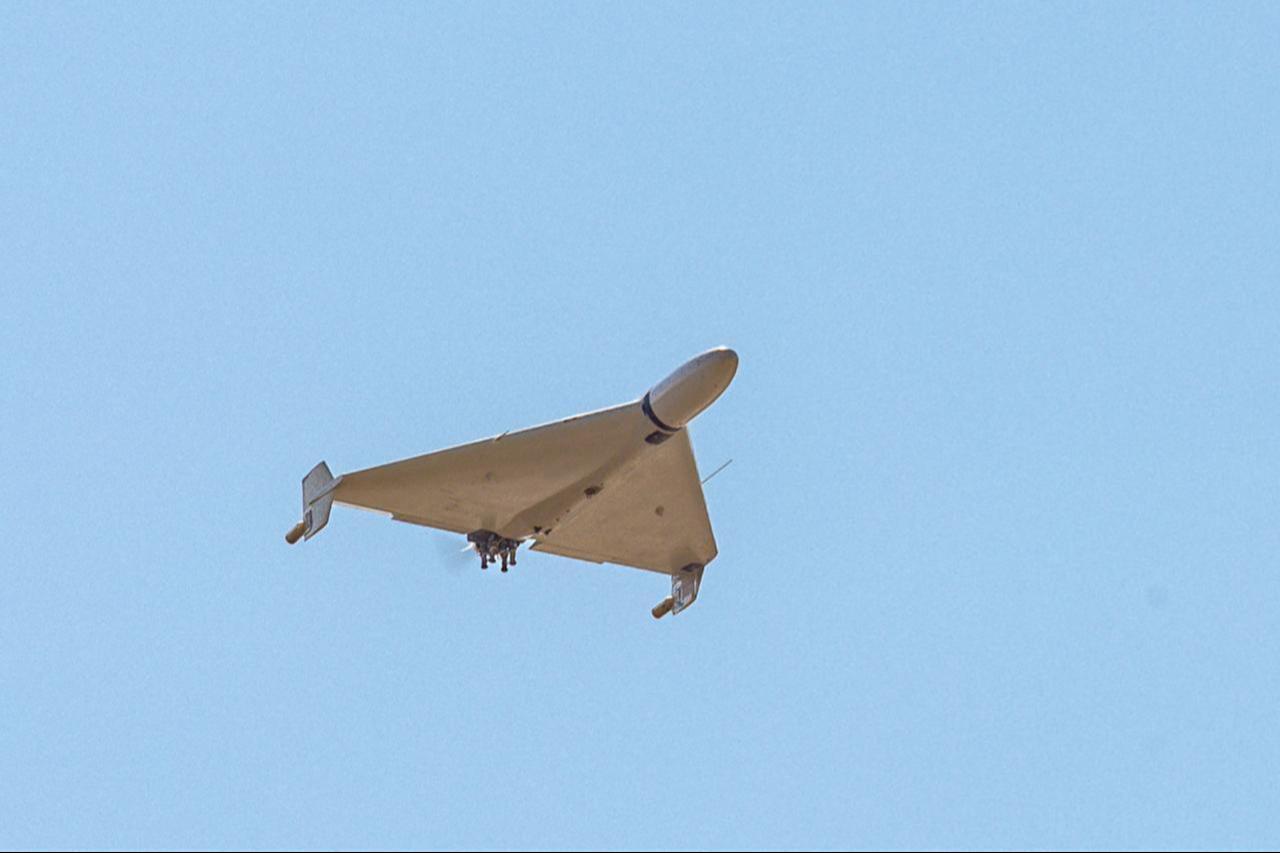
Technologically, the war redefined the economics of modern combat. Tehran learned that the drone is king. Cheap, mass-produced Iranian drones like the “Shahed-136 Kamikaze Drone” forced the United States and the Gulf Arab states to expend billions of dollars on sophisticated air-defense interceptors, turning the financial calculus of war entirely in Iran's favor.
Simultaneously, while standard missile salvos successfully bought time, Tehran realized that to inflict pain, it must possess hypersonic missiles. Hypersonic weapons—almost untraceable and capable of piercing Israel’s advanced defense shields—are viewed as the necessary edge to directly threaten Israel and U.S. bases in the Gulf.
The ninth lesson shatters the myth of airborne intervention: airpower and foreign airstrikes cannot achieve regime change, no matter how massive the campaign is, or how advanced the world’s strongest armies are. Without boots on the ground, an embattled but firmly entrenched regime can withstand the rain of fire from above. This lesson will solidify Iran's grand strategy centered on resilience, proxies, and the mass production of affordable drones.
The war with Iran wreaked havoc on the global economy, causing massive disruptions to energy supplies and spiking inflation. Global crude prices skyrocketed due to Iran's closure of the Strait of Hormuz. The resulting economic fallout and pressure at the pump eventually forced the Trump administration to halt the war. If anything, this once again proved to Tehran that prolonged asymmetric warfare is heavily to its advantage. Western democracies are sensitive to time, election cycles, casualties, and economic instability; authoritarian regimes built on ideological survival are not. By dragging out conflicts through asymmetric means, Iran can outlast its adversaries.
In conclusion, the U.S.-Israeli war was intended to deter and diminish Iran. Instead, it has achieved the opposite. Tehran has emerged more confident, more cynical, and utterly convinced of its own durability. If the United States continues to rely on the old playbook of sanctions and airstrikes, it will find itself fighting an adversary that has already adapted to the future of warfare.


 Set as preferred source
 Set as preferred source


 1 min read
 1 min read