

 Newsletters




The European Union's 21st sanctions package against Russia has been stuck in a dispute among member states for weeks.
At the source of the deadlock lies a concrete step Greece has taken: Athens formally objected to the provision banning the transport of Russian LNG to third countries, blocking the package's unanimous adoption and effectively halting the negotiations.
At a meeting last week, Greece's Permanent Representative to the EU told colleagues bluntly that the ban would deal a severe blow to the country's gas shipping sector, laying out the reasoning behind the veto.
This case demonstrates, in the plainest terms, how a mechanism built on unanimity can be held hostage by a single member state's narrow commercial interests.
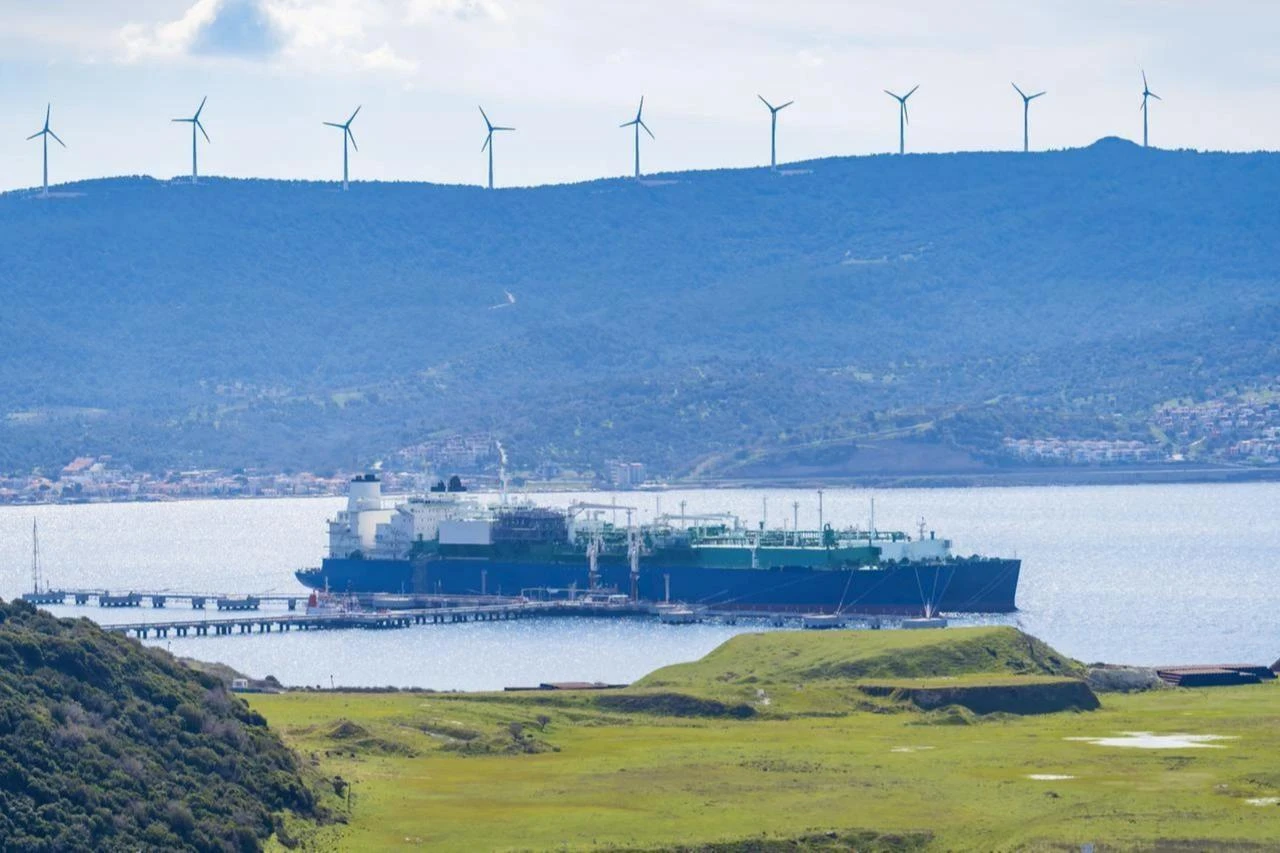
Behind Greece's veto stands Dynagas, a company owned by Greek shipowner George Prokopiou.
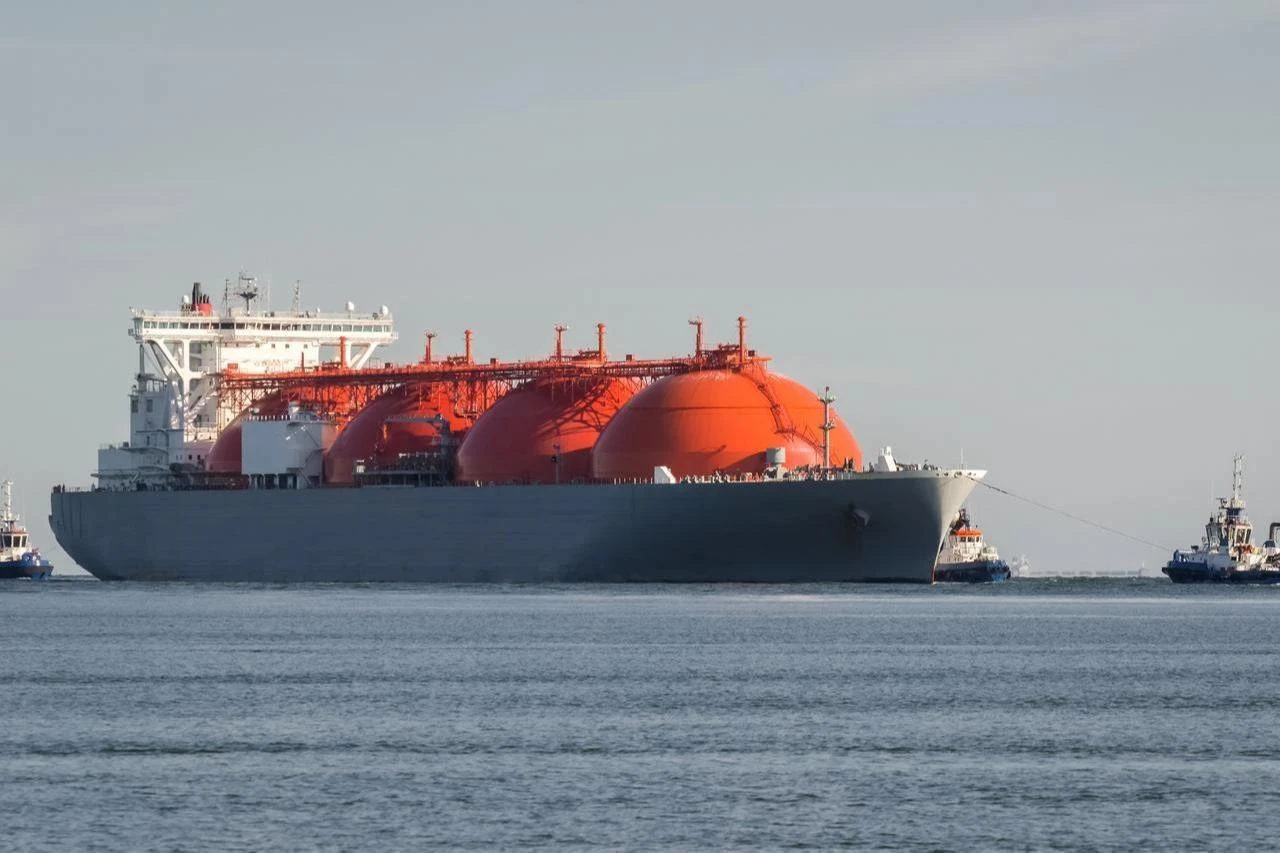
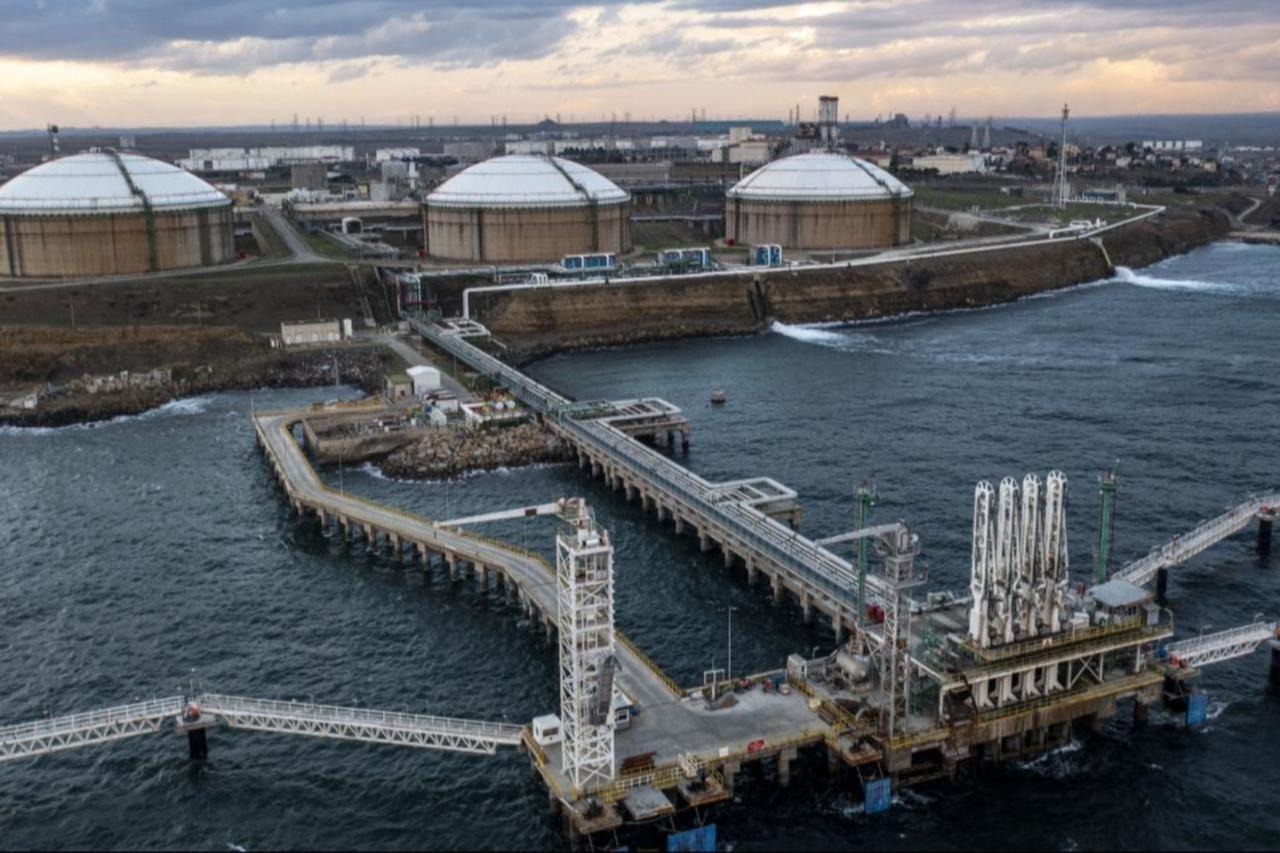
Operating a fleet of 27 vessels, including Arc7 class icebreaking tankers, that service Russia's Yamal Peninsula LNG facility, the company stands to be directly affected by the planned ban.
Athens' representative to the EU stressed that if the ban takes effect, Dynagas would be unable to sustain its business and would be forced to sell off much of its fleet, tying Greece's position squarely to this commercial concern.
The fact that Prokopiou's tanker firm, Dynacom, has earned over $915 million from Russian oil shipping over the past three years only sharpens the commercial dimension of the dispute.

Greece's objection touches on an issue too sensitive to be reduced to an ordinary regulatory disagreement.
What is being reopened is a decision that was adopted unanimously last October and remains in force.
This is precisely the source of other member states' irritation: reopening a file considered closed risks setting a dangerous precedent that would invite similar demands.
Indeed, one EU diplomat's assessment to the Financial Times, also carried by Euronews, branded Greece's stance as "shameless."
The European Commission's position has not changed. A Commission spokesperson's statement last week was unambiguous: the LNG ban is in force and will remain in force.
The EU's High Representative Kaja Kallas said she regretted that the package could not be adopted unanimously, acknowledging that member states had different reasons for their objections, and raised the prospect of a "Plan B."
Brussels' resolve to make Athens back down comes at a cost of its own; other elements of the package, including a revision of the oil price cap, remain stalled because of the deadlock.
The decision to extend the current price cap of $44.1 a barrel for another week was taken for exactly this reason.
The course of the talks shows the issue is not confined to Greece.
When member states failed to reach agreement for three consecutive days, negotiations were postponed, and Austria added an obstacle of its own, conditioning its approval on compensation for the €2.44 billion ($2.78 billion) in losses Raiffeisen Bank incurred from precautionary measures tied to its Russian subsidiary.
This parallel does nothing to soften Greece's position. If anything, it proves once again how the unanimity rule can be held hostage to a single state's narrow commercial interest, and it shows that Athens is the party exploiting that vulnerability most openly.
The justification Greece has put forward amounts to little more than an attempt to dress up a commercial interest as principle.
Dynagas' fleet, built to Arctic specifications, cannot easily be redirected to other markets; once the ban takes effect, the company would be forced to sell its vessels to buyers not subject to EU sanctions.
Athens presents this scenario as economic reality, yet the argument cannot conceal that shielding one billionaire's fleet is pushing the bloc's collective stance against Russia to the sidelines.
Other member states have absorbed losses of their own tied to Russia, and they rightly read Greece's request for an exemption as a breach of solidarity.
According to Bloomberg reports, three options are on the table to break the impasse.
The first is granting a 24-month transition period before the restrictions take effect, a formula that would let Dynagas gradually redirect its fleet to other markets while keeping the ban intact in principle.
The second is dropping the LNG measure from the package entirely, an option that would satisfy Athens but carries the risk of setting a precedent and could legitimize similar exemption requests from other member states.
The third is withdrawing the entire prepared package, the most radical scenario, one that would leave both Greece and the member states pushing for the sanctions' deterrent effect worse off.
In addition, a compromise formula is also under discussion that would allow existing contracts to run their course while barring new ones.
The picture that emerges points to a structural weakness in the EU's foreign policy architecture.
The unanimity rule may symbolically reinforce the bloc's resolve against external threats, but in practice it leaves that resolve hostage to a single member state's commercial interest.
Recalling Hungary's earlier record of resistance on energy policy, Greece's stance should be read as a fresh manifestation of a structural gap in the bloc's decision-making machinery.
Seen from Türkiye, Greece's conduct presents a picture starkly at odds with its own rhetoric on the Aegean and the Eastern Mediterranean.
Athens puts international law and European values front and center when regional disputes are at stake, yet retreats from those same principles the moment a Greek billionaire's commercial interests are on the line.
This contradiction lays bare, once again, the distance between what Greek foreign policy preaches and what it practices.
Indeed, Greece's tendency to place national interest above collective solidarity in moments of crisis is far from an isolated episode, as the country had previously delayed tougher measures against Russian oil shipments as well.
Ultimately, this recurring pattern shows how fragile the "rules-based order" rhetoric Athens frequently invokes in Brussels becomes the moment it collides with the country's own commercial interests.


 Set as preferred source
 Set as preferred source


 1 min read
 1 min read



