Newsletters


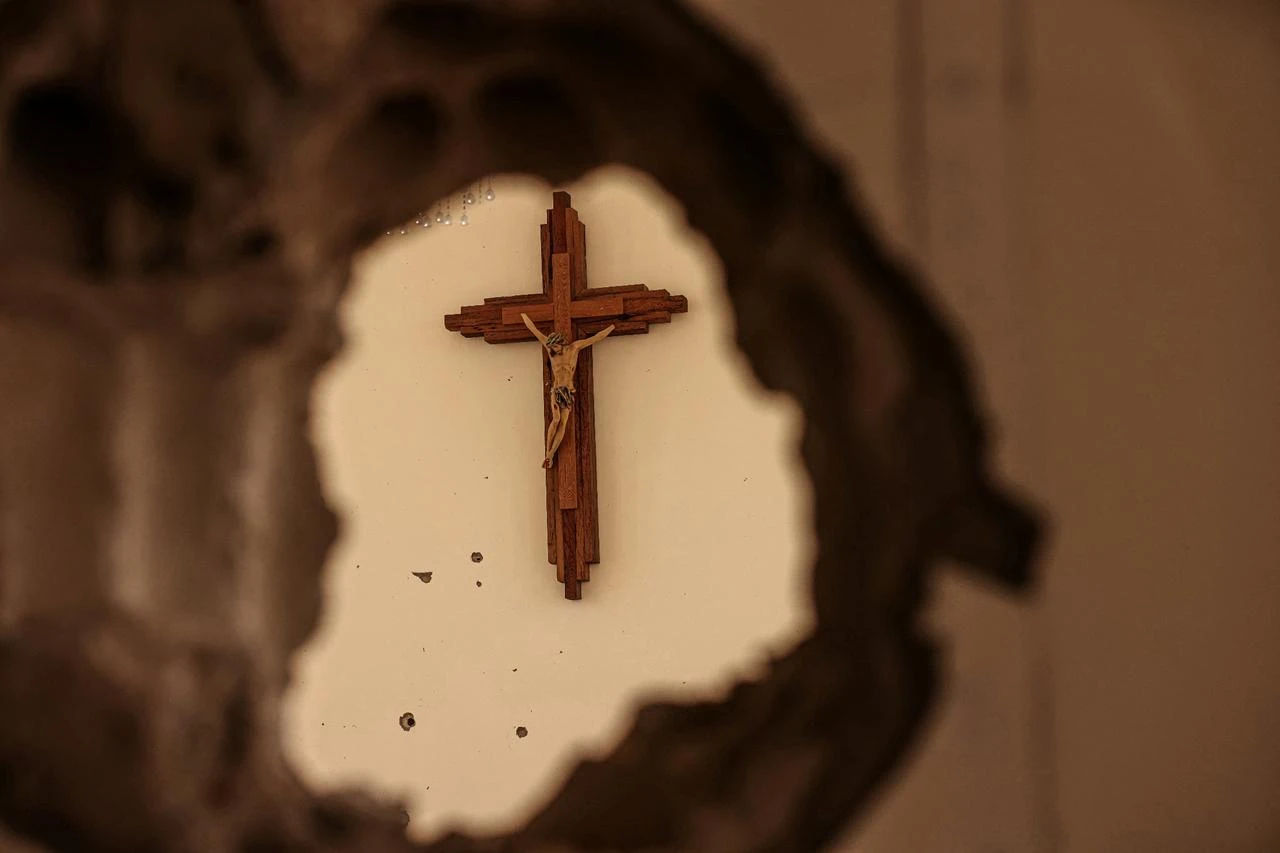


For two decades, the ancient Christian communities of the Levant have been under increasing pressure as the region has become increasingly unstable. The West, for all its rhetoric, has offered little more than statements of concern.
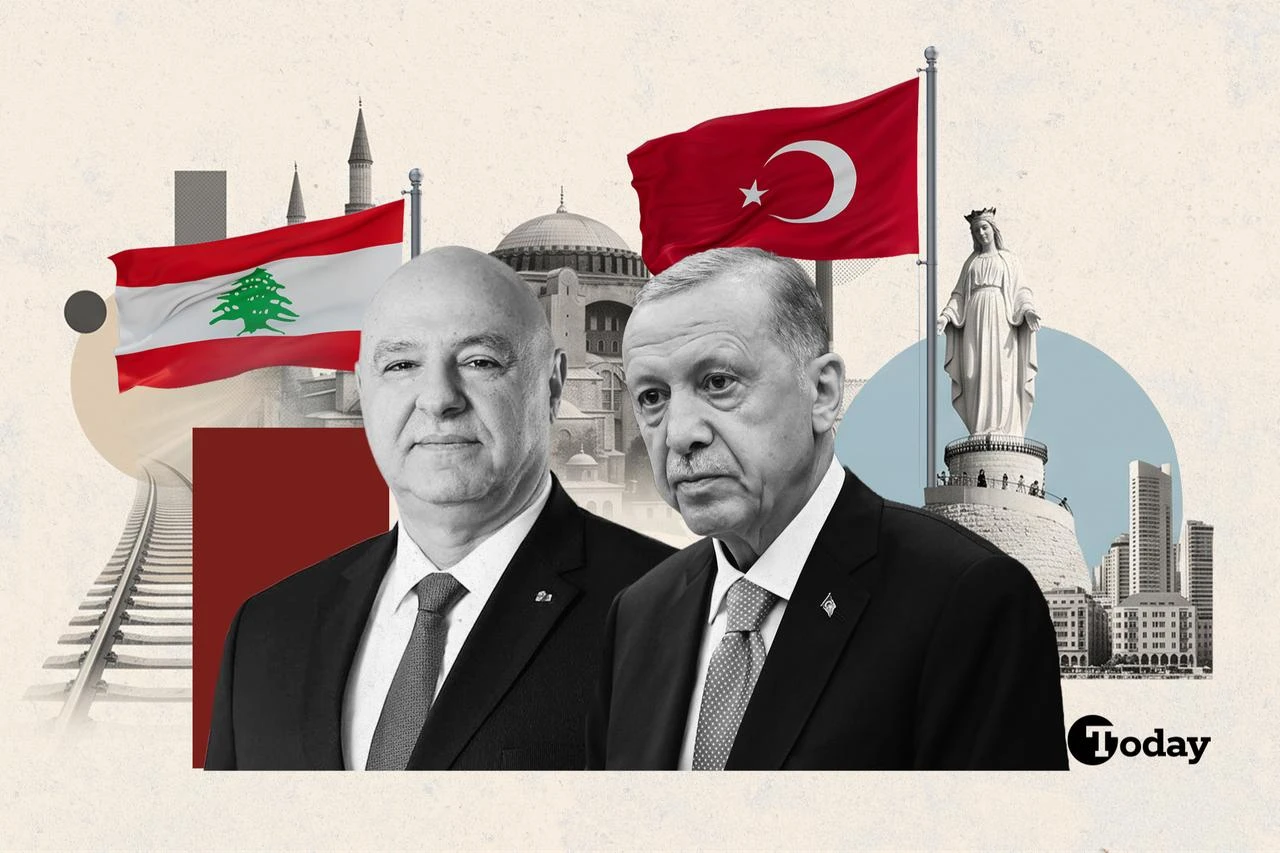
Türkiye, as heir to the Ottoman order that once governed this mosaic of faiths, is now the country best positioned to become what the West has failed to be: their protector."
The Middle East used to be a safe haven for its autochthonous Christian communities, especially when countries like Iraq and Syria embraced secularism in the 20th century.
A Syriac community leader, in a conversation with me, once described pre-civil war Syria as the best place to be a minority Christian.
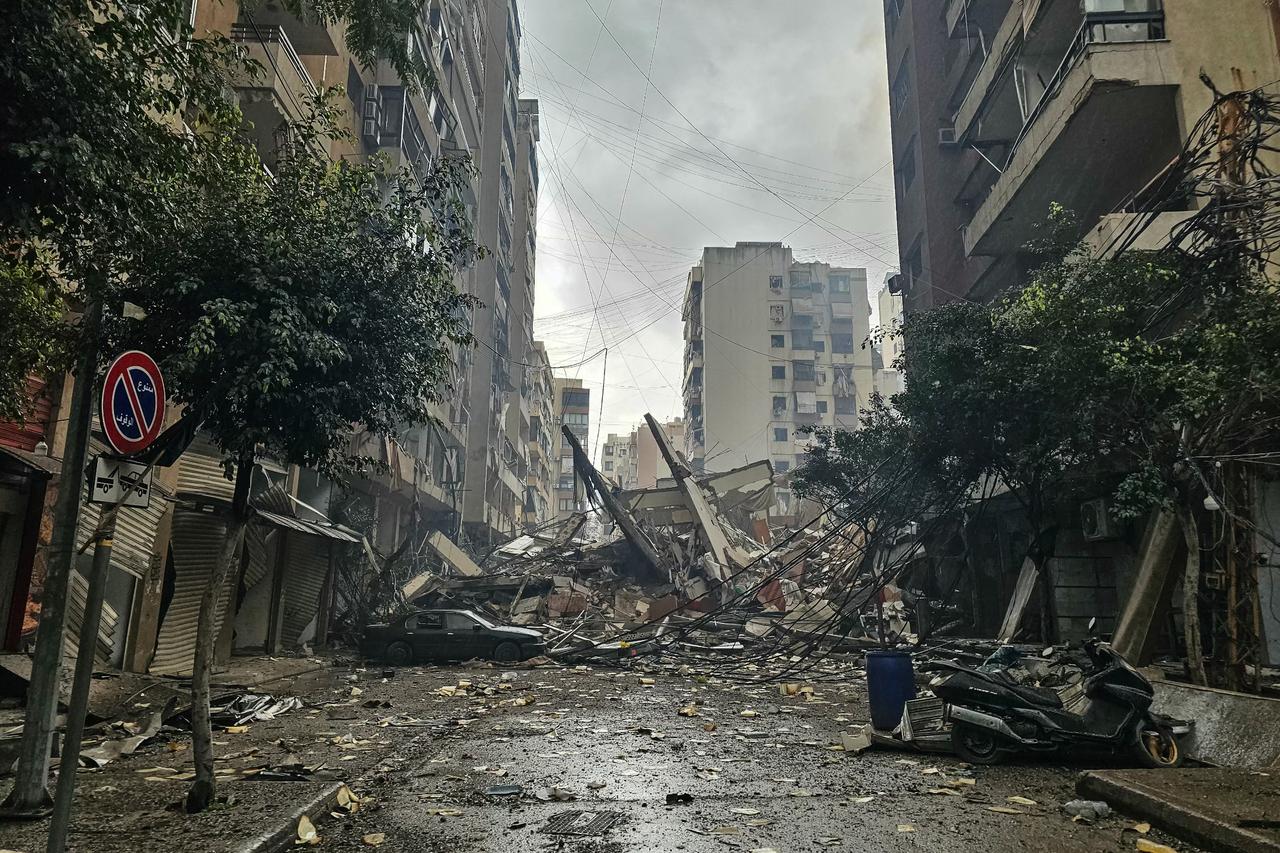
However, as these countries became unstable, Christian communities were hit by violence and instability. Radical violent groups like Daesh have targeted Christian populations with systemic violence, including the destruction of churches, kidnappings, and forced conversions.
As a result, the Iraqi Christian population, composed mainly of Assyrians, crashed from 1.3 million in 2003 to roughly 120,000–150,000 today. Similarly in Syria, the civil war led to the erosion of Christians.
Their numbers have dropped from 1.5 million to around 300,000. The situation is dire in those two countries, yet there are problems in other places as well.
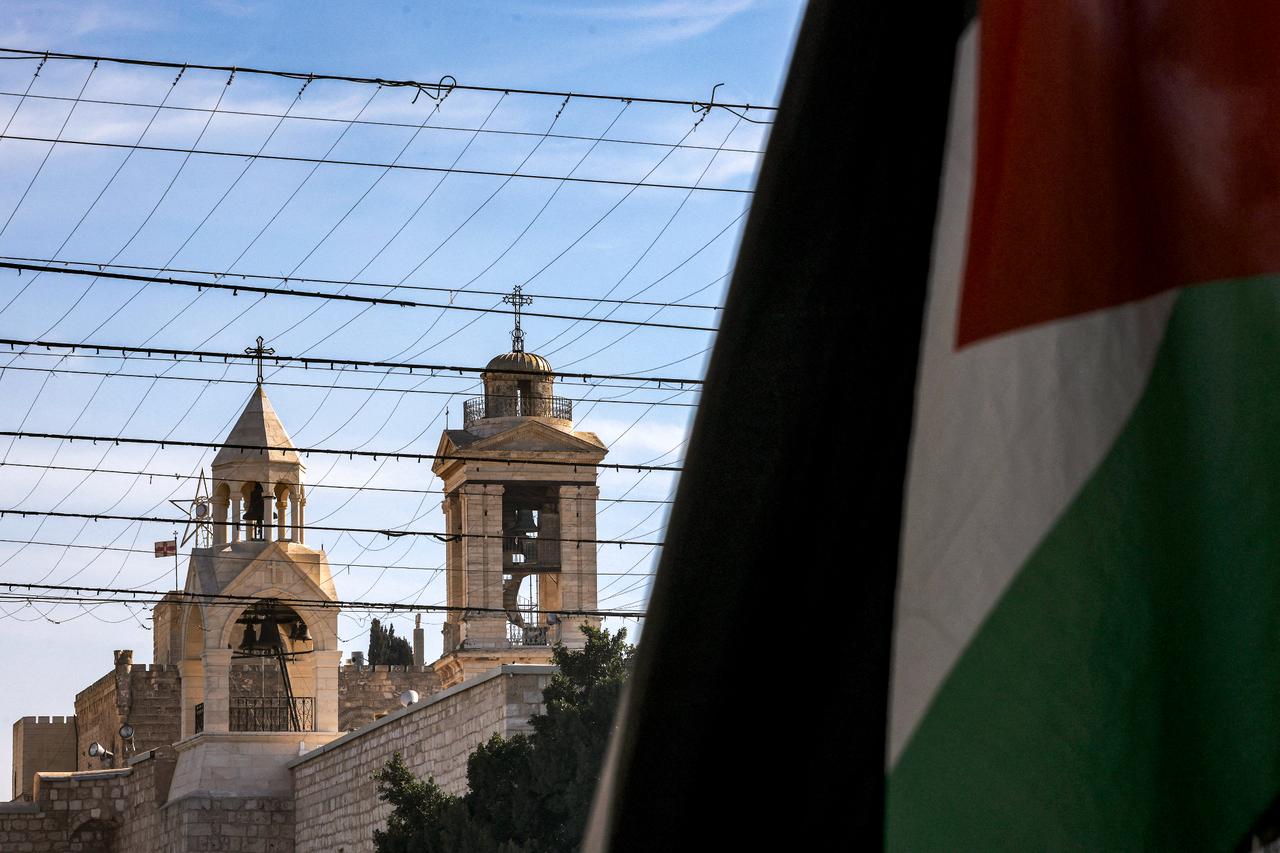
In Jerusalem, Christian groups, especially the Armenian community, are increasingly harassed by ultra-nationalist Jewish groups in the city. The Greek Orthodox Patriarchate of the city also has had legal and bureaucratic difficulties in recent years.
Türkiye has clear reasons to be invested in this outcome. It is currently pursuing an active, multi-layered foreign policy in the region, one that leans heavily on its historic identity.
Central to that identity is the memory of Pax Ottomana, the centuries-long era in which the empire maintained peace and coexistence among religions across its territories. Reaching out to the region's Christian communities today would not be a departure from that legacy but a continuation of it, one that also serves Türkiye's contemporary foreign policy goals.
Secondly, the Christians of the Middle East have their fellow communities in Türkiye. Assyrians, Greek Orthodox and Armenian communities in Türkiye are gravely concerned about the situation in the region.
It is natural for Türkiye to be concerned about the sensitivities of its own citizens.

What can Türkiye do? Most importantly, the country can use its leverage, especially inside Syria, to ensure the safety of Christian communities there. The same could apply to Iraq as well.
Secondly, Türkiye should enhance its relations with various ancient Patriarchates in the region. These include ancient Orthodox Patriarchates of Antioch, Alexandria and Jerusalem, the Armenian Patriarchate in Jerusalem and the Armenian Apostolic Diocese of Lebanon as well as the Syriac Orthodox Church in Damascus.
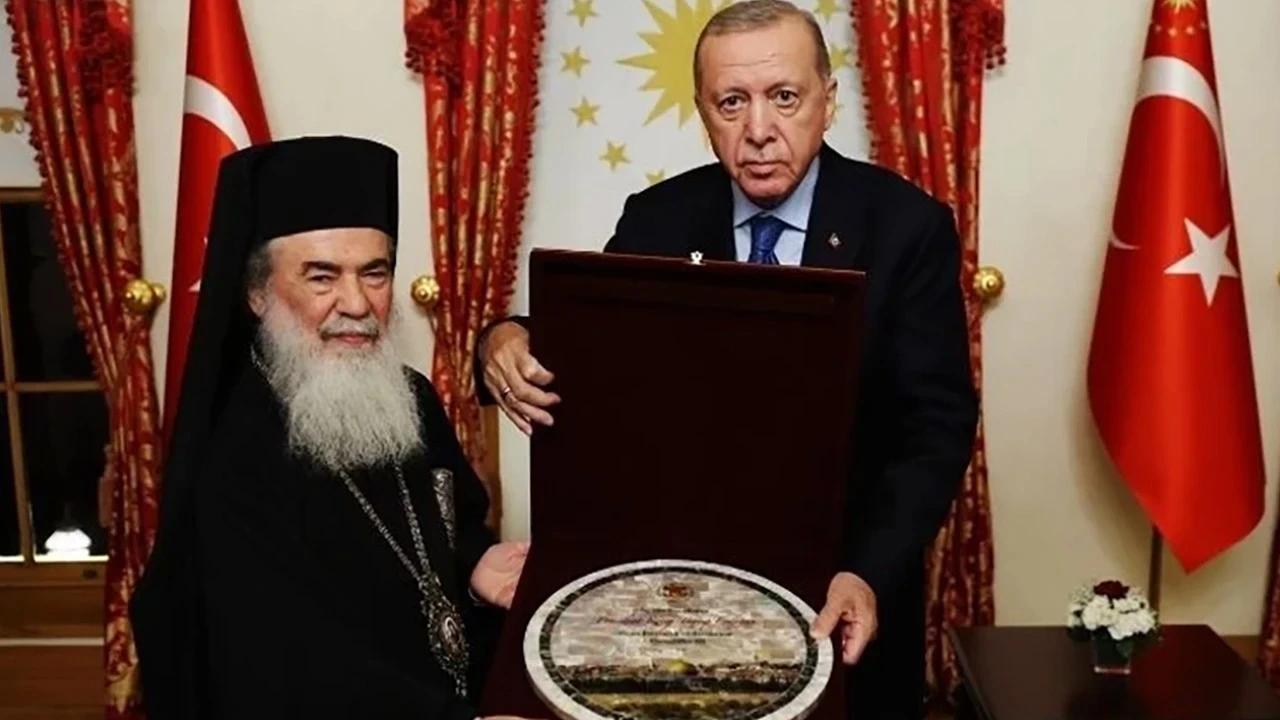
Such a broader policy would be welcomed by Christian leaders in the region as well. Last year in September, Greek Orthodox Patriarch of Jerusalem Theophilos’ visit to President Erdogan was symbolic in this regard.
Türkiye reformed its policy toward religious minorities in the 2000s. A landmark law in 2008 led to the return of many minority-owned properties confiscated in the 1970s.
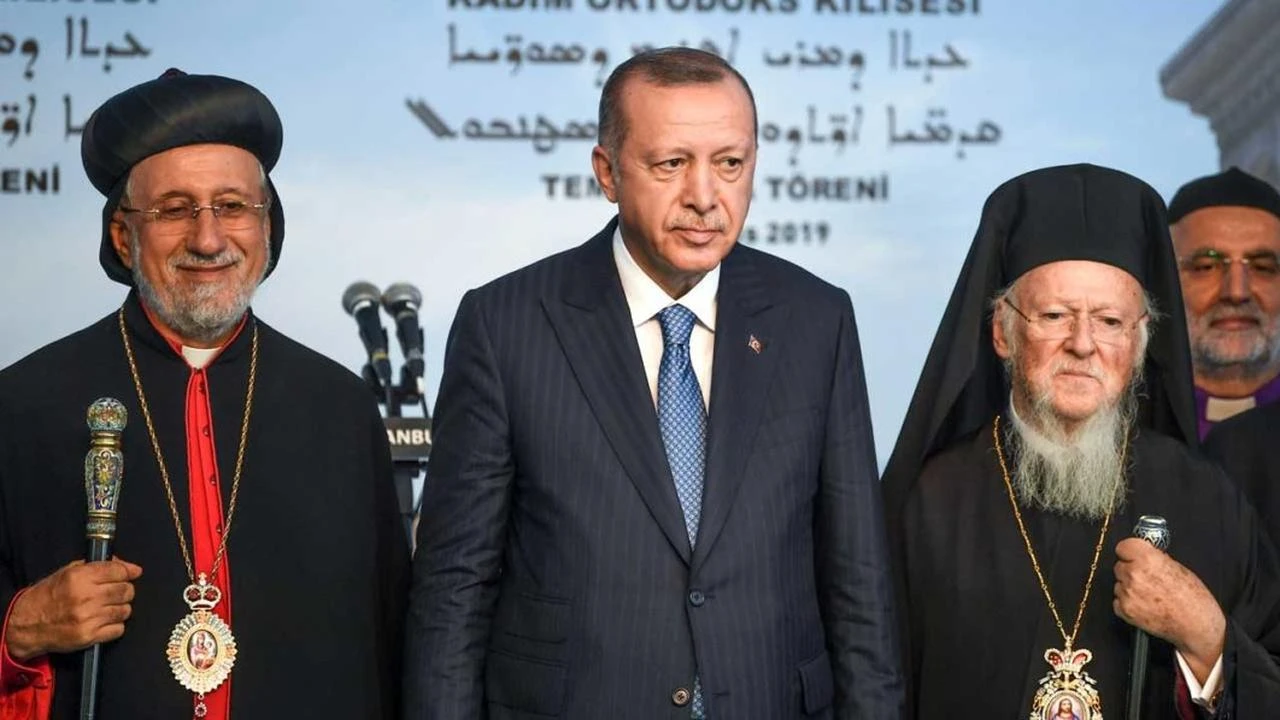
In 2023, Istanbul's Syriac community completed construction on a brand-new church, a landmark moment in the republican era.
President Erdoğan has also elevated the standing of the country's non-Muslim religious leaders. At his 2023 inauguration, the Greek and Armenian Patriarchs were given the most prominent seats in the ceremony, a gesture that was not merely symbolic. Every religious leader I have spoken with in Türkiye over the years says the same thing: their relations with political leaders and the bureaucracy have never been as positive or respectful in their lifetimes.
The Halki question also seems to be on the verge of a breakthrough. It seems likely that Türkiye will reopen the most prestigious theological school of the Orthodox world after 55 years. This move will further improve Türkiye’s standing across the Christian world. With these reforms, Türkiye now arguably has the credibility to be a protector of the region’s Christians.
This will be a process. To begin with, Türkiye should continue with reforms.
Secondly, the Turkish Foreign Ministry should pursue a comprehensive policy including a public policy dimension. Turkish universities should extend their academic expertise to support the government in this regard.
Such a policy will be a win-win for all sides. It will serve Türkiye and the security of Christian communities across the region. In the final analysis, with such policies Türkiye can elevate peace and stability in the region.


 Set as preferred source
 Set as preferred source


 1 min read
 1 min read