Newsletters




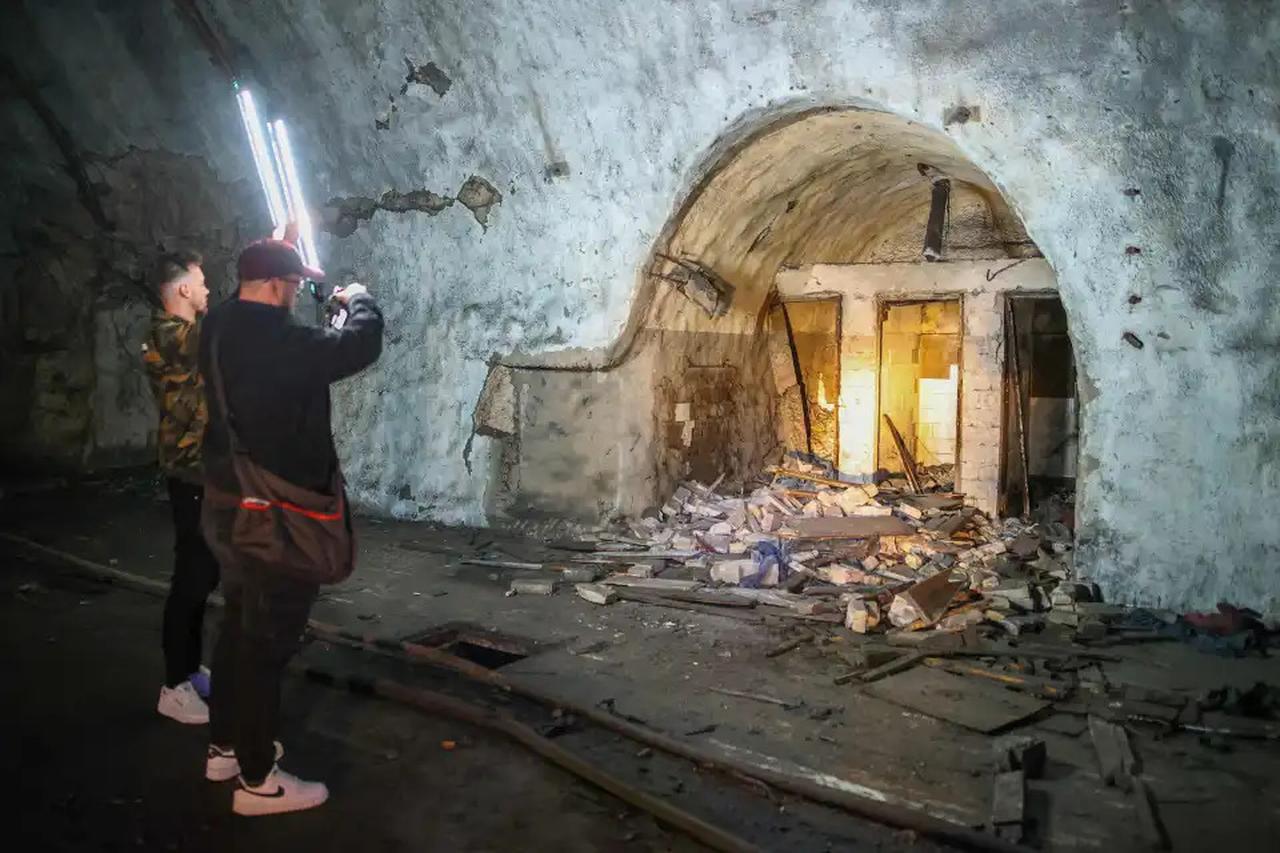
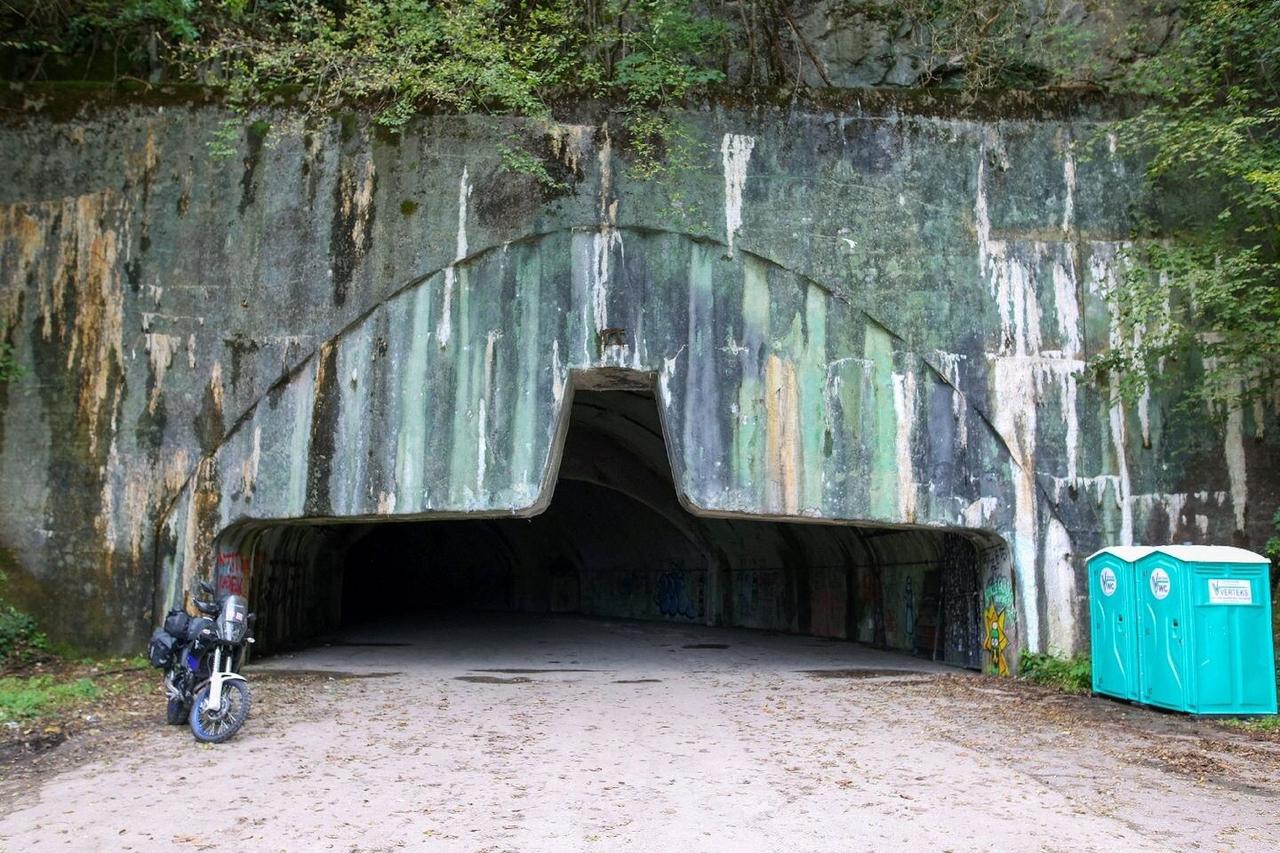
The Zeljava military airbase was once a feat of Yugoslav engineering. Four tunnels, eight metres high and 20 meters wide, were carved into the foot of a mountain to accommodate dozens of fighter jets ready to take to the skies at a moment’s notice.
Built on the border between today’s Croatia and Bosnia and Herzegovina, it was one of the most ambitious military projects of socialist Yugoslavia, a hidden fortress designed for a country that no longer exists.
Now, according to regional media reports, this Cold War relic could be given a very different purpose.
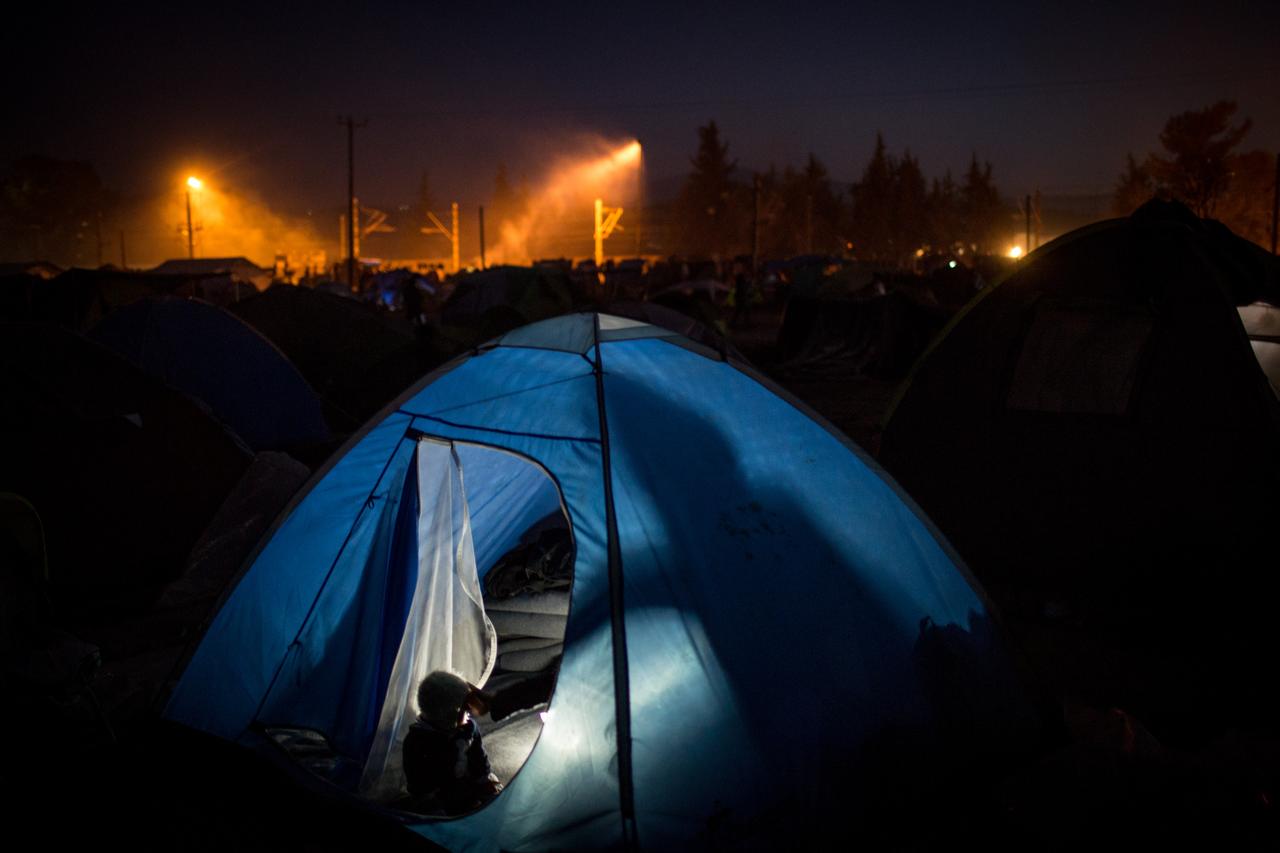
As Croatia prepares to implement the European Union’s new Pact on Migration and Asylum, Zeljava is reportedly being considered as a large migrant reception and processing facility.
Local protests have already taken place in Croatia’s Lika region, while concern has grown across the border in Bosnia, especially in Bihać and Una-Sana Canton.
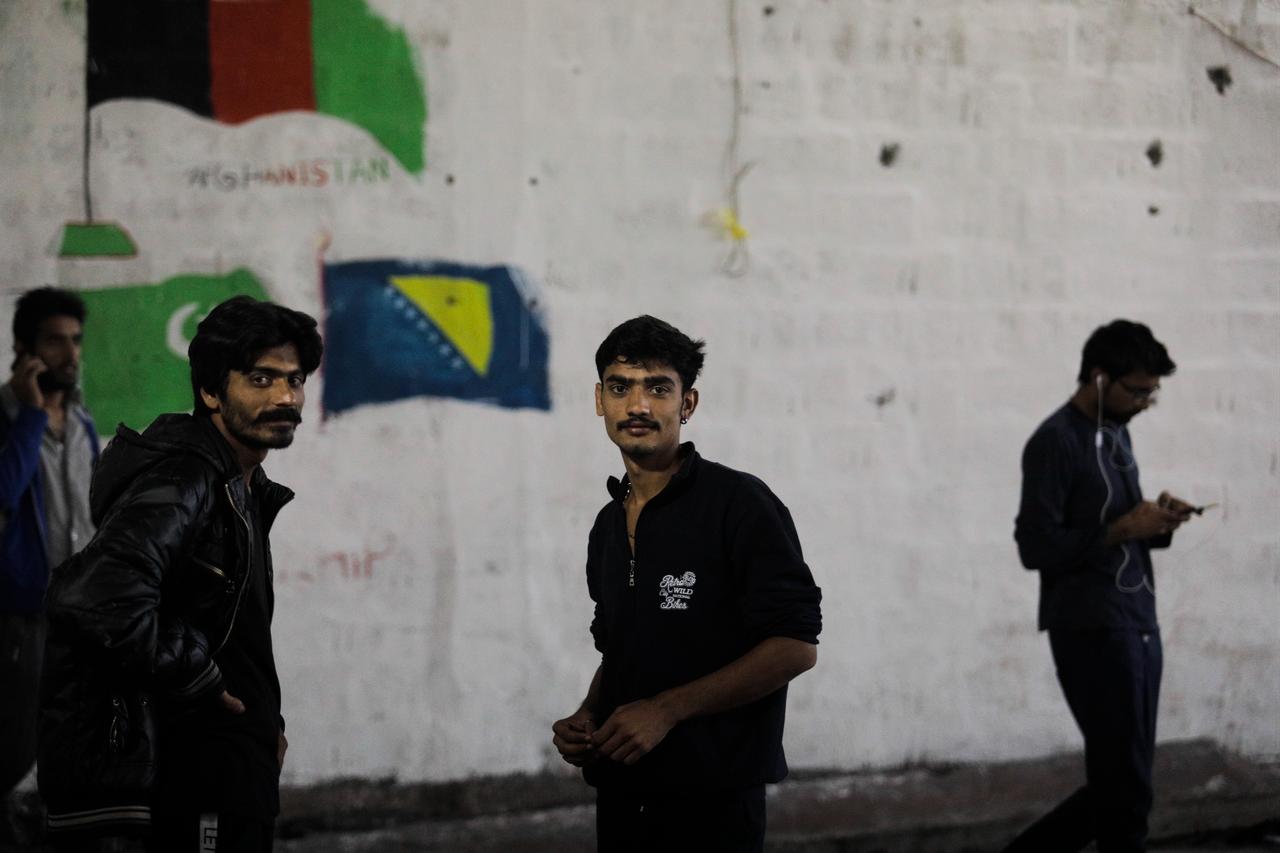

For Bosnia and Herzegovina, this could mean that when Europe redesigns its migration policy, it may once again be left to absorb the consequences. For people in northwest Bosnia, this is not an abstract European debate.
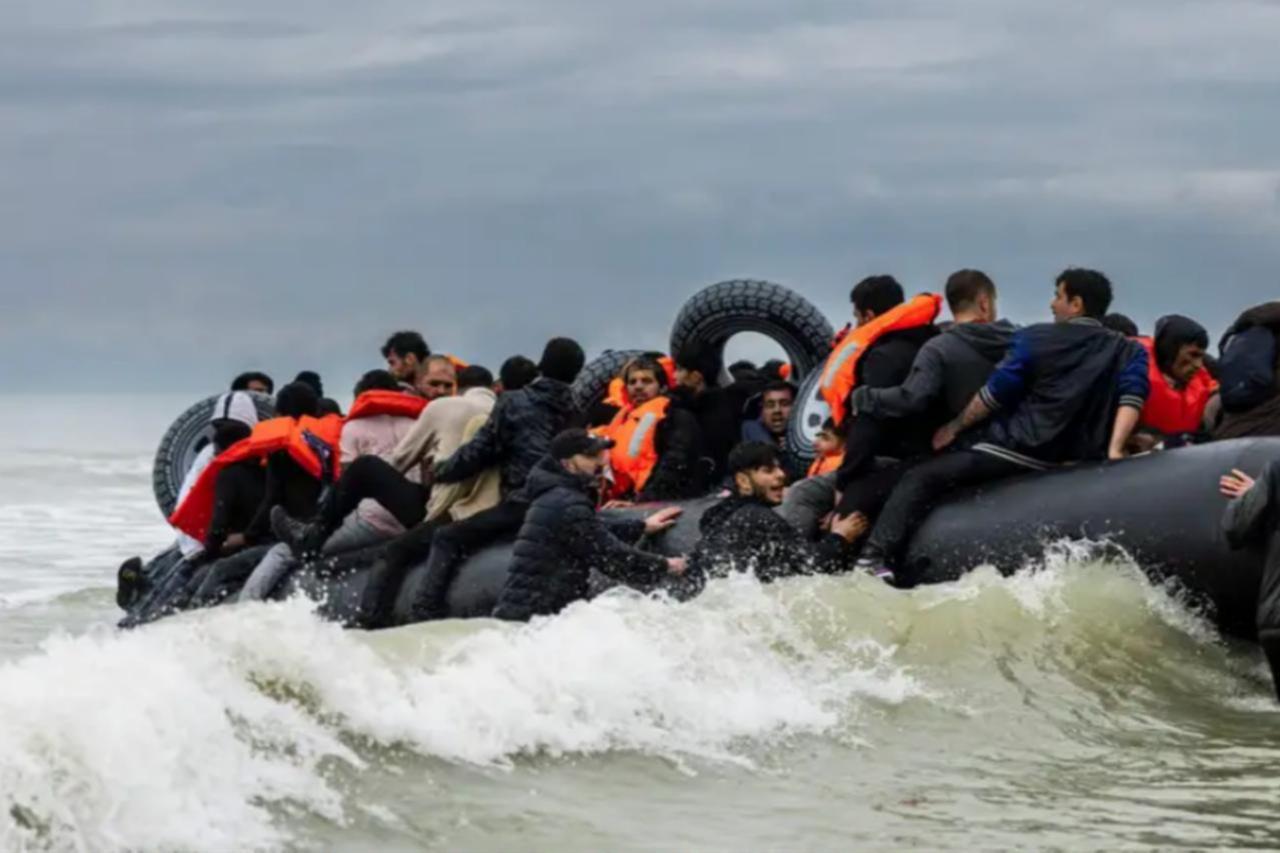
During previous migration waves, Bihać and Velika Kladuša became places where people were stranded after failing to cross into Croatia and the European Union.
Bosnia was not their intended destination. But it became the place where Europe’s closed doors were felt most directly.
Local officials in Biha have warned that the plan brings the city back to a period of fear and uncertainty, describing the proposed facility not simply as a reception center but as a detention center that could function like a kind of prison. Citizens fear it will fall on them again.
When Croatia tightens control, Bosnia feels the pressure.
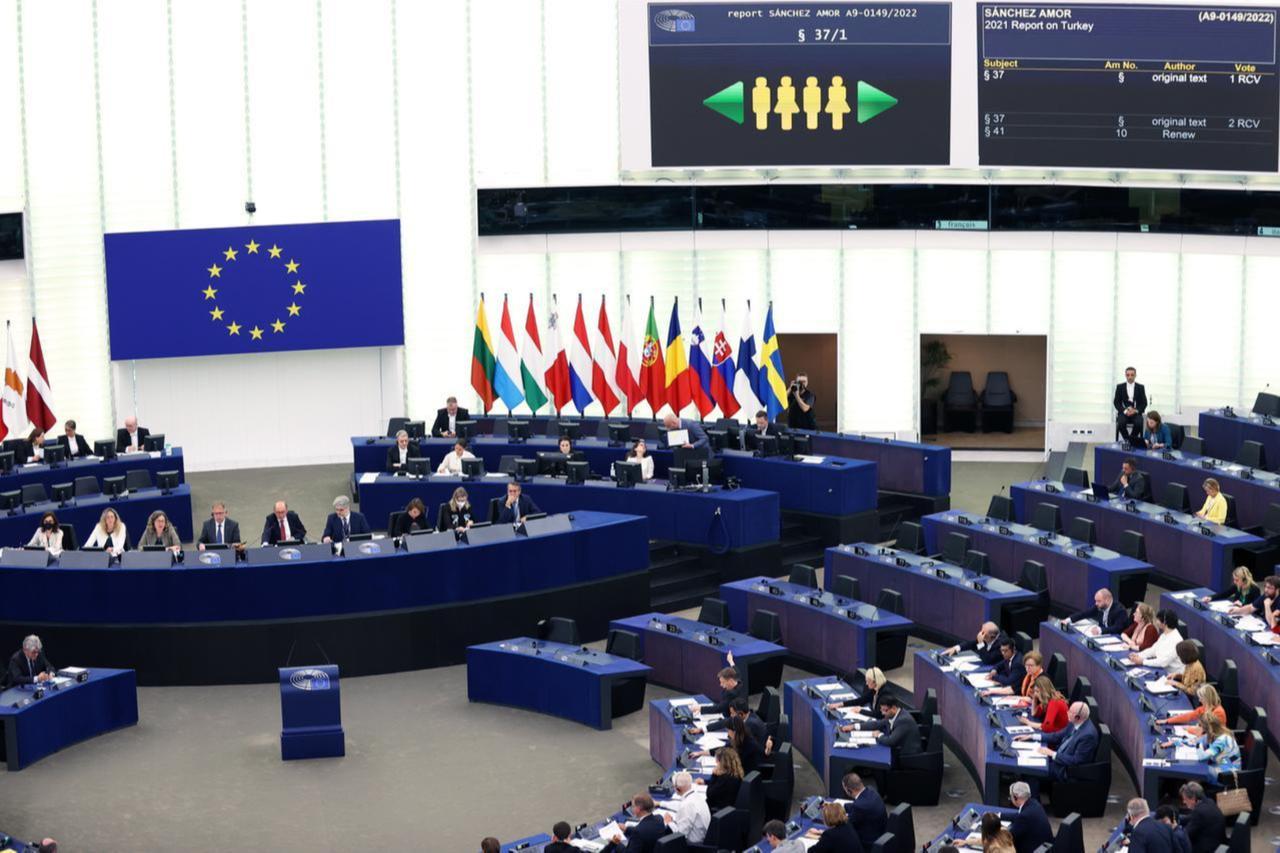
Europe’s migration policy is entering a new phase.
The debate is no longer only about what happens after migrants reach EU territory. It is increasingly about how migration can be processed, prevented or redirected before it reaches Europe’s political and economic center.
The EU’s new return rules point in that direction. Member states are being given more room to create so-called return hubs in third countries for people who no longer have the legal right to remain inside the Union. Supporters argue this will make migration policy more effective. Critics say it is part of a wider effort to externalize responsibility and move difficult decisions away from European voters, courts and media scrutiny.
The Balkans already know what this looks like.
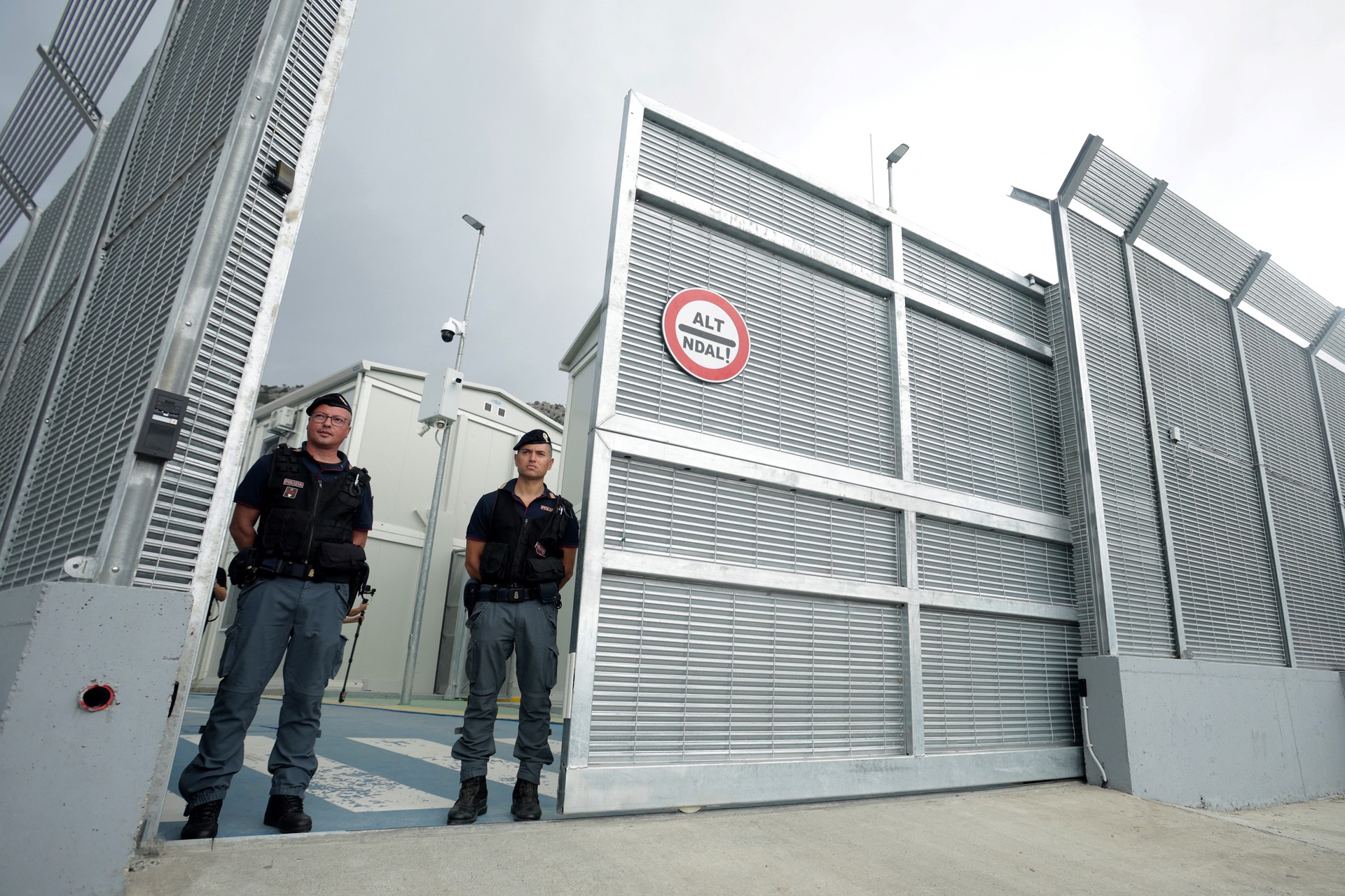
Italy and Albania have been testing one version of it. Under their 2023 agreement, migrants intercepted by Italian authorities in the Mediterranean were to be transferred to facilities in Albania operating under Italian jurisdiction.
The project faced legal challenges and delays, but Rome did not abandon it. Instead, the Albanian centers increasingly became linked to detention and return procedures.
What once looked like an exceptional experiment is now increasingly discussed as a model.
Seen from Bosnia, this is the alarming part.
The Western Balkans are not only Europe’s enlargement region. They are also becoming part of Europe’s migration architecture. Bosnia and Herzegovina and Serbia have spent years balancing European expectations, domestic political fragility and humanitarian responsibility.
Both remain outside the EU. Both depend heavily on European funding and political goodwill. Both sit along routes that have shaped migration policy for more than a decade.
There are currently no official proposals for Bosnia and Herzegovina or Serbia to host EU return hubs. Any claim otherwise would be premature.
But politics often moves before formal decisions are made. As European governments face growing pressure to reduce irregular migration, the temptation to move parts of migration management away from Western Europe and toward the periphery will only grow.
For countries seeking closer ties with Brussels, saying no may become increasingly difficult.
This is where migration policy collides with enlargement. European Council President Antonio Costa recently argued in the Western Balkans that enlargement is no longer a question of whether but how and how quickly.
Montenegro is widely seen as the frontrunner for membership, while Albania has also accelerated negotiations.
Yet for Bosnia and the wider region, this raises an uncomfortable question.
If the Western Balkans are moving closer to the European Union, what role are they being invited to play?
Are they future member states joining Europe as equals?
Or are they becoming part of a new system in which Europe’s most sensitive challenges—migration, detention, returns and border control—are pushed toward its edges?
Zeljava may still remain only a plan. It may be delayed, changed, or abandoned.
But the anxiety it has created in Bosnia is real.
Because Bosnia understands what it means to stand just outside Europe’s border while being asked to live with the consequences of Europe’s decisions.
A fortress once built to defend a vanished state may now become a symbol of a continent trying to move its borders outward. And for Bosnia, the fear is simple.
Once again, Europe may decide.
And Bosnia may be left to deal with what follows.


 Set as preferred source
 Set as preferred source


 1 min read
 1 min read