Newsletters


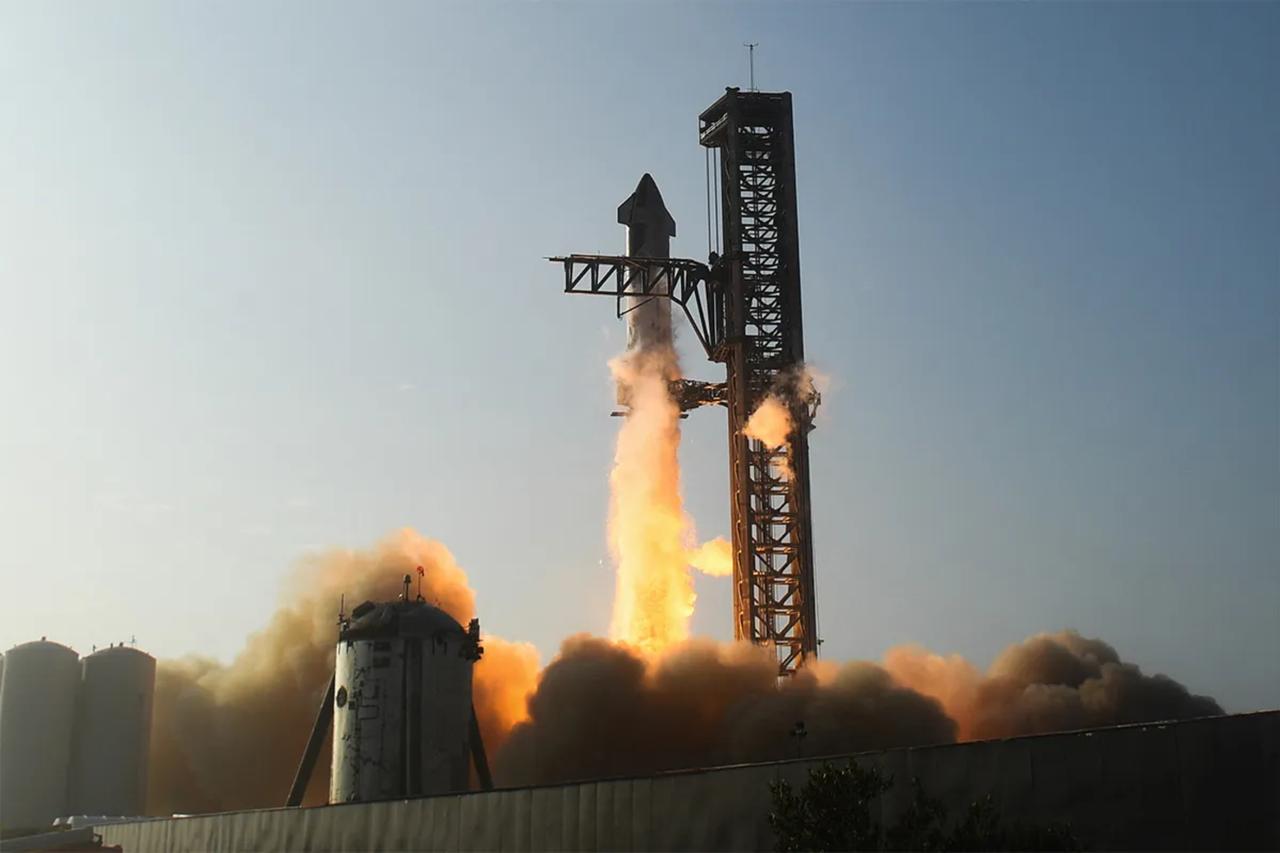


The global space economy is expanding at an unprecedented pace. Valued at roughly $600 to $630 billion in the mid-2020s, it is projected to reach around $1.8 trillion by the mid-2030s.
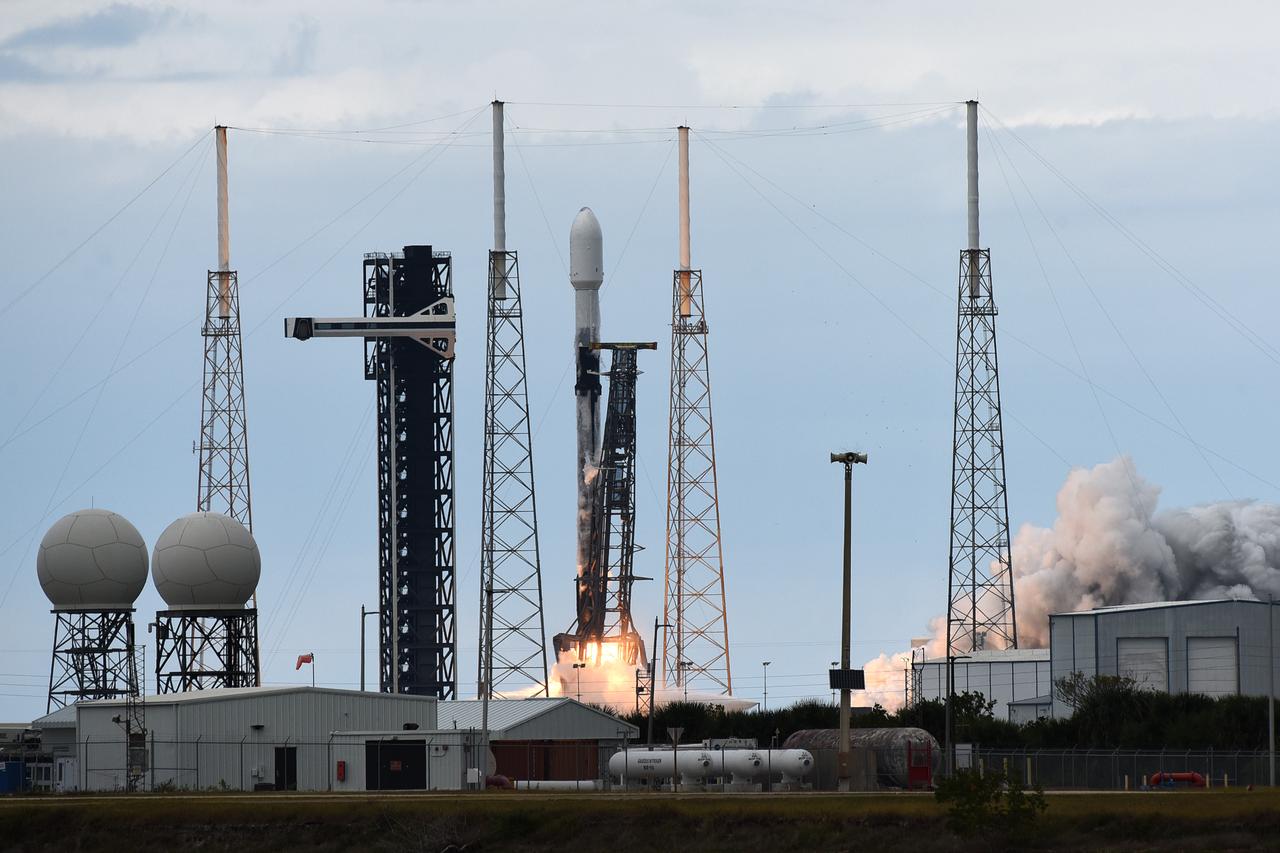
One of the fastest-growing segments within this ecosystem is satellite deployment, driven by applications such as Earth observation, communications, broadband constellations, and defense. Yet behind this impressive growth lies a structural constraint that is increasingly shaping the market: an acute shortage of access to launch capacity.
In 2023 and 2024, global orbital launch activity reached record levels, with more than 200 successful orbital launches in 2024 alone. Despite these headline figures, the underlying challenge remains a supply deficit rather than a lack of demand.
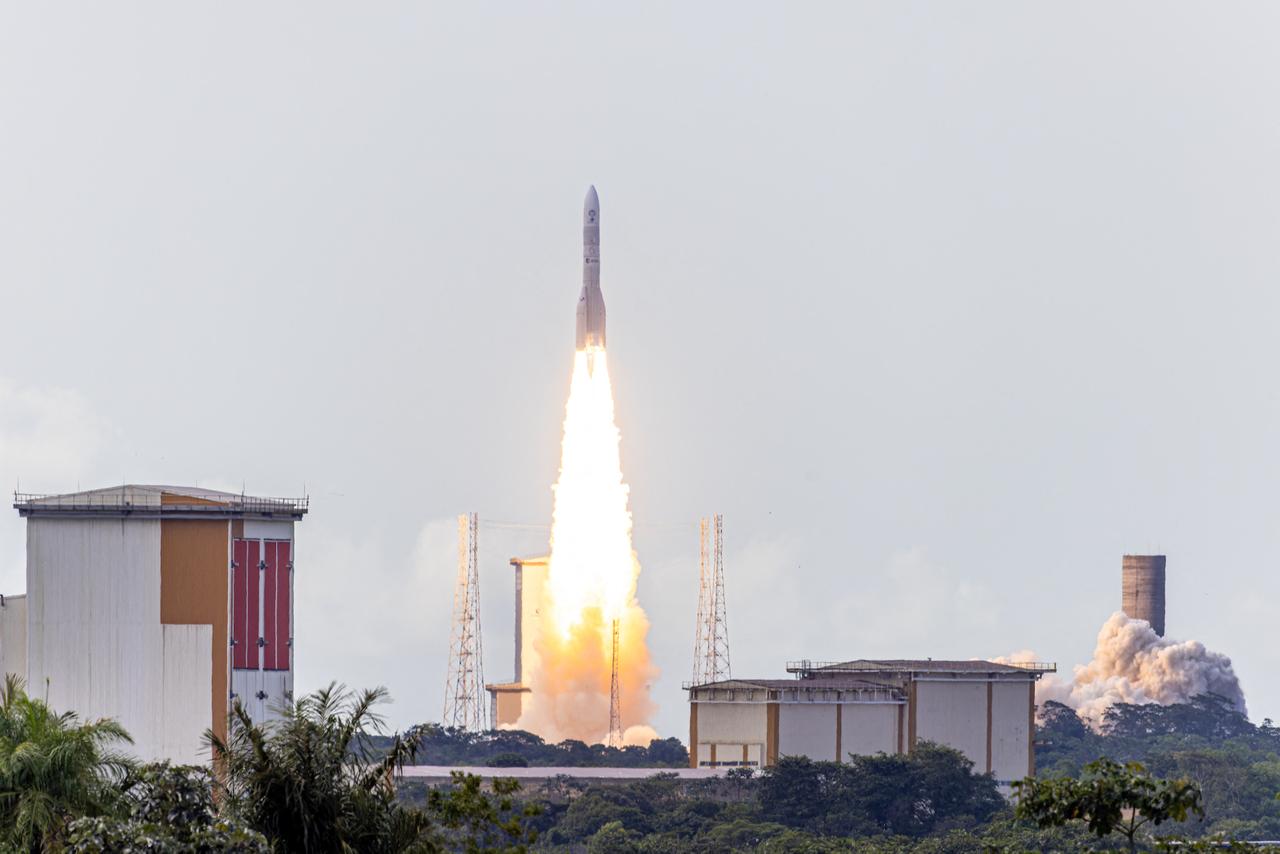

Thousands of satellites are currently stuck in production lines or storage facilities worldwide, waiting not for technological readiness but for a viable launch slot.
For satellite operators, these delays translate into lost revenue, higher financing and insurance costs, and postponed service provision. In sectors such as communications and Earth observation, even a six-month delay can significantly alter market positioning and expected returns on investment.
This congestion persists because global launch capacity remains concentrated among a limited number of providers and spaceports in the United States, Europe, China, and Russia.
These facilities operate under extremely tight schedules, balancing commercial missions with national security launches, scientific payloads, and, increasingly, crewed flights.
When weather disruptions, technical stand-downs, or political constraints occur, densely packed launch manifests offer very limited flexibility to recover from delays. For many operators, securing a reliable launch window has become the most uncertain phase of an otherwise mature satellite development process.
In this context, the geography of launch infrastructure becomes decisive. Launch sites located close to the equator, with direct access to the open ocean and favorable weather, offer clear operational advantages.
Proximity to the equator reduces fuel requirements and increases payload efficiency, while open-ocean trajectories enhance safety and simplify range operations. These factors directly affect cost per launch, schedule reliability, and insurance premiums, often determining whether an operator reaches orbit on time or misses an entire market cycle.
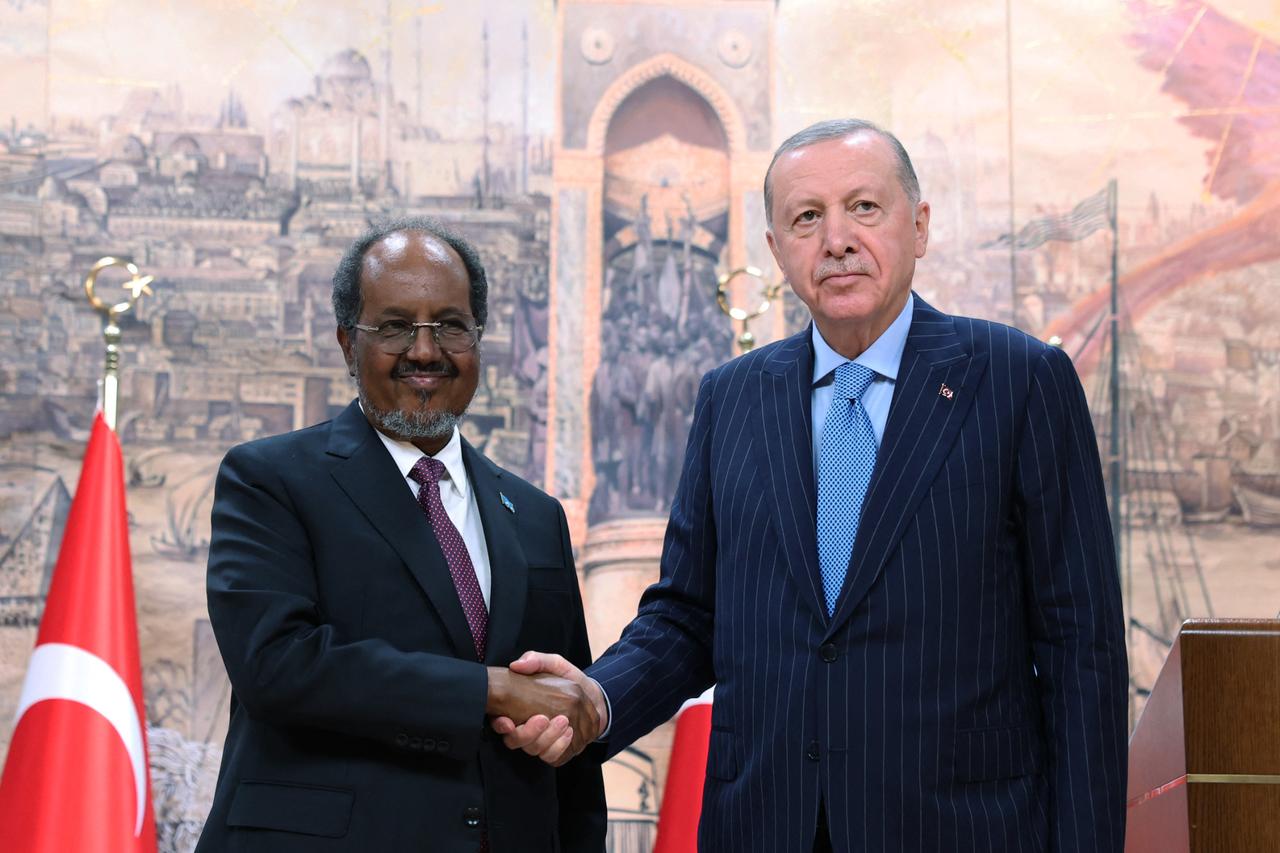
Türkiye’s spaceport project in Somalia represents a strategic response to this global reality. Following the completion of feasibility studies, Ankara has launched the first phase of construction of an equatorial spaceport on Somali territory allocated to Türkiye under a bilateral agreement.
By pairing nationally developed launch vehicles with geographically optimal infrastructure, Türkiye is positioning itself to help ease one of the most pressing constraints in the global space economy.
Until now, Türkiye has largely relied on foreign launch providers, exposing its national satellite programs to delays beyond domestic control. The Somalia spaceport is designed to end this dependency through a clear three-phase logic: securing autonomous access for Turkish missions, deepening domestic technological and industrial capabilities and ultimately opening the site to international commercial customers. In doing so, Türkiye is transitioning from a consumer of launch services to a provider of much-needed capacity in an increasingly overstretched market.
As the space economy moves toward the trillion-dollar scale, the defining question will not be who can build satellites, but who can launch them reliably, affordably, and on time. Independent access to space is no longer a matter of prestige; it is a prerequisite for predictability, resilience, and competitiveness.
Countries like Türkiye that invest early in equatorial infrastructure and long-term international partnerships are not simply catching up. They are building the architecture needed to unclog global launch bottlenecks and to shape the next chapter of humanity’s journey into orbit.


 Set as preferred source
 Set as preferred source


 1 min read
 1 min read