Newsletters




When the YPG finally agreed to an integration deal with Damascus, I was among the skeptics who doubted whether the group would actually implement it. That skepticism was not without reason. The YPG-dominated SDF has failed to implement multiple agreements with Damascus in the past.
Nearly two weeks on, however, it is fair to say that the implementation process is making tangible progress. Alongside these developments, however, a problematic sentiment appears to be growing within the YPG, one that risks replicating the fate of Aleppo’s Sheikh Maqsoud across other integration areas in northeastern Syria.
Since the deal was signed, Syrian Internal Security Forces have entered the cities of Qamishli and Hasakah. In a move signaling closer cooperation, Damascus approved a governor for Hasakah who was originally proposed by the YPG. This administrative shift is already in motion, with Hasakah’s head of Internal Security now operating in direct coordination with the new governor.
Since the fall of the Assad regime, the YPG-dominated SDF and the Syrian government have reached several agreements. The latest deal, covering Hasakah and Qamishli and the integration of military forces, builds on an earlier agreement signed on Jan. 18. The SDF is dominated by the YPG, the Syrian branch of the PKK terrorist organization.
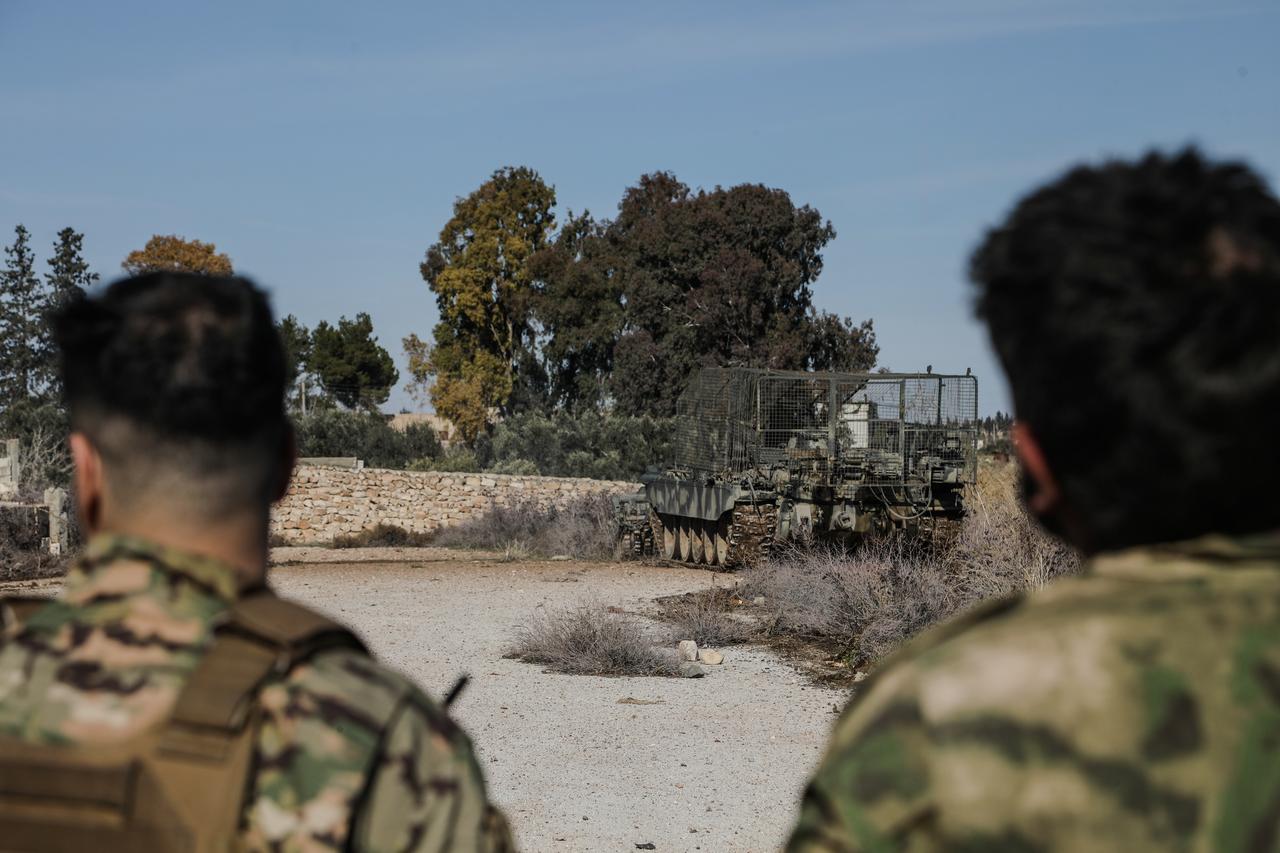
In parallel, the Syrian government has initiated procedures to take over Qamishli Airport, as well as the Rumaylan and Jawadiyah oil fields. Both the YPG and the Syrian army have withdrawn from front lines and handed their positions over to their respective police forces.
More significant is the apparent departure of more than 100 PKK militants from Syria to the Qandil Mountains in northern Iraq. Among them is Bahoz Erdal, one of the main opponents of integration with the Syrian state. His return to Iraq, therefore, represents a notable positive signal.
The withdrawal of other PKK militants is equally important, as it suggests the YPG may be willing to abandon its transnational orientation in favor of a Syria-focused posture.
For Syria watchers, recent developments in Hasakah are uncomfortably reminiscent of the initial progress seen in Aleppo city. When the April 1 agreement was signed, the YPG-dominated SDF moved quickly to implement its more visible clauses. The SDF withdrew and handed over control to its affiliated Asayish forces. Joint checkpoints were established with Syrian Internal Security Forces, and administrative cadres began engaging with Syrian authorities.
The core problem, however, soon became apparent: What, exactly, does “integration” mean?
After the initial phase, it became clear that the SDF intended to preserve all its existing structures in Aleppo city. This fundamental disagreement over the meaning of integration ultimately brought the implementation process there to a halt.
A similar dynamic now appears to be emerging. Increasingly, senior YPG figures are publicly articulating their own vision of integration—one in which existing structures are largely preserved. This interpretation stands in clear contradiction to what Syrian officials are saying, both publicly and in private.


 Set as preferred source
 Set as preferred source


 2 min read

 1 min read