Newsletters


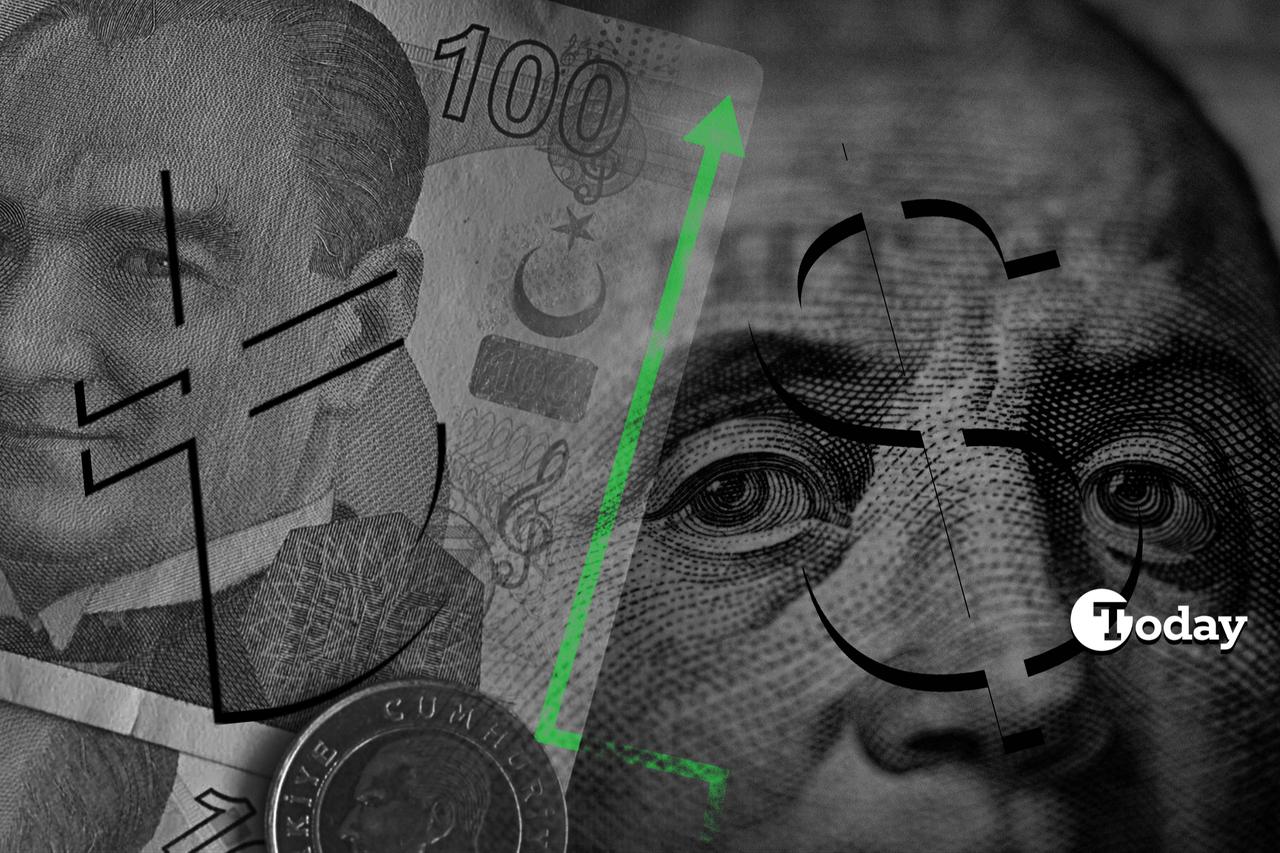


They are not exactly alive, but they haven’t gone bankrupt either. Zombie companies are firms that fail to generate enough profit to cover their debt obligations, yet continue to operate through recurring refinancing, credit renewals, or legal and economic instruments that postpone an inevitable end. Türkiye is one of the countries where many companies operate under this model, and where measures to support recovery exist.
Countries with the highest share of zombie companies include Malaysia (11.8%), Türkiye (11%), India (10.49%) and the Philippines (9.6%). And the trend is rising.
According to the Central Bank of the Republic of Türkiye (CBRT), although the percentage of publicly traded companies in this situation has historically fluctuated between 2% and 3%, recent data indicate that approximately 18%-20% of large companies in the country are currently operating under "zombie" conditions.
To classify a company in this category, two primary criteria must be met consistently for at least three years:
1. Insufficient profit to cover financial expenses on a recurring basis
2. Statistical models—not just guesswork—signal a high probability of bankruptcy
A key aspect is the difference between the number of zombie companies and formal requests for judicial reorganization. In practice, many of them continue to operate without ever resorting to the judiciary.
There is strong evidence of "zombie lending," a practice where banks choose to roll over the debts of unviable companies rather than face the music and recognize losses on their balance sheets. This creates an artificial lifeline, essentially keeping these firms on credit-fueled "life support."
The consequences go beyond financial statements. These companies invest about 25% less than healthy companies. They also hire fewer, pay lower dividends, innovate less, operate less efficiently, and often deliver lower quality products and services. This creates a permanent state of life support for firms that are no longer breathing on their own.
The impact spreads throughout the economy. They compromise investments, raise financial costs, and weaken competitive dynamics (including international competition). Ultimately, they create systemic risks for credit allocation and for the country's productivity.
These inefficient companies soak up capital and labor that could be better spent elsewhere. By consuming resources that should be directed toward more productive firms, they act as a drag on the entire system, ultimately stifling overall productivity and economic growth in Türkiye.

The rise of zombie companies is fueled by a specific set of factors. Their growth often follows major economic shocks—such as the Asian financial crisis of the 1990s, the dot-com bubble, the 2008 subprime mortgage crisis, and the COVID-19 pandemic—as well as structurally high interest rates and weaknesses in insolvency systems.
According to a 2023 report by the International Monetary Fund (IMF), Türkiye leads the world in the prevalence of "zombie companies" among private, unlisted firms, with one in five classified as such.
In 2025 and early 2026, the sectors with the highest concentration of zombie companies are primarily:
The growing presence of zombie companies in the Turkish economy represents a significant cyclical challenge. Their prolonged survival increases the vulnerability of the financial system and amplifies competitive distortions in the sectors where they operate.
Therefore, policies that strengthen market discipline mechanisms, improve insolvency processes, and encourage the efficient restructuring of companies become fundamental to restoring economic efficiency and sustaining long-term growth.
While "zombie companies" are not unique to Türkiye—appearing in both developed and emerging economies—their impact can be significantly more intense depending on a nation's specific economic pressures and current momentum.


 Set as preferred source
 Set as preferred source



 7 min read