Newsletters


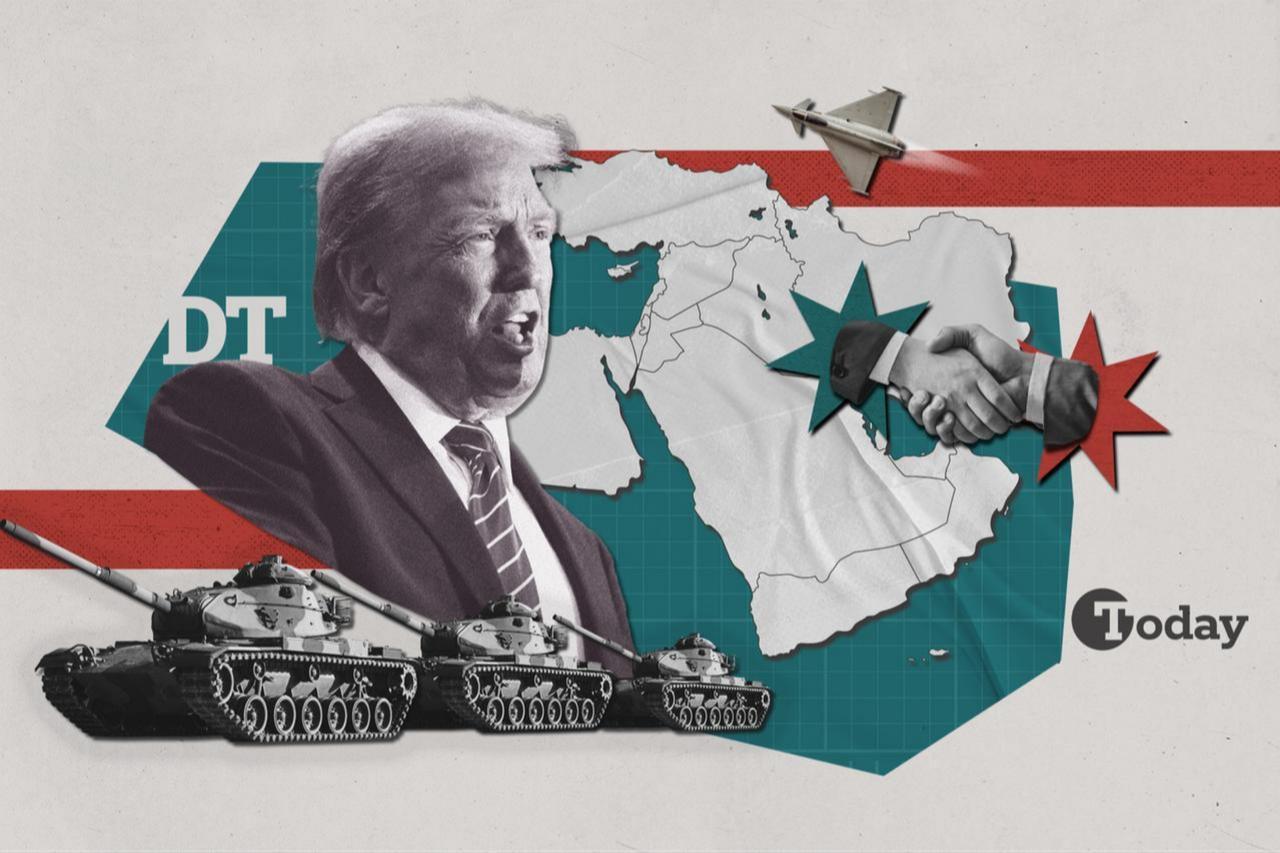


While the 36th NATO Leaders Summit, being held in Türkiye, is of great importance in terms of determining the fate and policies of NATO regionally and globally, the need for a security alliance system in the Middle East has re-emerged seriously, following the war waged against Iran by the U.S.-Israel alliance in particular.
Although U.S. President Donald Trump’s criticism of NATO and demands for reform raise questions about the future of the alliance, its expansion into the Middle East and the possibility of establishing a NATO-like security umbrella in the region should be viewed as an issue that needs to be re-evaluated in light of recent developments.
Established during the Cold War era against global threats, primarily the "Soviet threat," NATO has demonstrated significant success in providing member states with military cooperation, coordination, and standardization, alongside collective security.
Following the dissolution of the Soviet Union, the alliance played a central role in enabling the U.S. to achieve and consolidate its status as a global hegemon.
On the other hand, the absence of a global security alliance on the scale of NATO elsewhere in the world, combined with the reality that modern conflicts primarily manifest as regional and civil wars, has directly shaped the organization's broader influence and operational capabilities.
Efforts and initiatives to establish a NATO-like alliance system in the Middle East came to the fore in 1950 after the establishment of the Arab League, but they could not be realized due to a lack of consensus and political will among the countries in the region.
While CENTO, which aimed to isolate Soviet influence, completed its lifespan in 1979, the Peninsula Shield Force, established by the Gulf countries in the 1980s, later took the name of the Joint Military Command and became more of a counter-insurgency force targeting internal threats in the region.
The most recent and concrete efforts to establish a regional security umbrella emerged during the presidency of Barack Obama through his strategy of offshore balancing, which sought to gradually balance regional threats using regional actors.
However, the Middle East Strategic Alliance, announced in 2017 during Trump’s first term, failed to achieve sustained success in creating a united force against Iran. Differing interests, priorities, and threat perceptions among countries are consistently cited among the primary reasons why a common security alliance system could not be established in the Middle East.
Furthermore, based on the high concentration of military bases established worldwide by the U.S. in the Middle East, it is evident that regional countries, especially the Gulf states, still rely on the U.S. for external security. Operating around 50,000 troops across 19 military bases in the region, the U.S. maintains that it defends regional countries against threats, primarily Iran, under the rhetoric of "providing security."
However, Washington adopts a policy that supports Israel rather than remaining neutral regarding Israel's attacks and occupations in the region. Therefore, alongside the intense military activity and presence of the U.S. in the region, its threat-oriented approach focused heavily on Iran in Middle East politics poses a strong obstacle to forming a true regional alliance.

While Arab countries united around a common threat perception during the 1948 and 1967 wars against Israel—which has been a controversial actor in the Middle East since its establishment—Egypt, the country with the largest army in the Arab world, chose to recognize and reach an agreement with Israel through the 1979 Camp David Accords.
This historic shift prevented Arab countries from forming a cohesive, state-level alliance against Israel in the region. This breakthrough was followed in the 1990s by the Oslo Accords between Israel and the Palestinian Authority, and the Wadi Araba Treaty with Jordan.
Furthermore, it can be observed that the politics of "Arab normalization," pioneered by the Trump administration in 2020 to ensure Israel's recognition in the Arab world, its acceptance as a legitimate state, and its integration into alliances, has had a disruptive impact on the security architecture of the region.
Within this framework, the rapprochement of the UAE, Bahrain, Morocco, and Sudan with Israel—by recognizing it and signing agreements across various fields—has further sharpened existing geopolitical fault lines and added another layer to the current divisions in the region.
While Arab normalization is widely cited as one of the main reasons for the implementation of the Al-Aqsa Flood Operation carried out by Palestinian groups led by Hamas on Oct. 7, 2023, the subsequent escalation of Israeli violence into an uncontrolled "Endless War" policy has seriously shaken the security and stability of the region.
Consequently, just as there is almost no possibility of a security alliance excluding Israel being supported or permitted by the U.S., the establishment of an alliance system in the Middle East that includes Israel seems impossible due to Israel's aggressive and expansionist policies in the region, as well as the deep divergence in identity, threat perception, and national interests.
Despite being a NATO member, Türkiye, which has been the target of political and military challenges by remaining outside the secure zone provided by the U.S. to Europe, has made a name for itself, particularly with the achievements it has secured in recent years.
In addition to its counter-terrorism operations conducted in Iraq and Syria, Türkiye is drawing attention with its breakthroughs in the defense industry, as well as increasing its influence in the region with military bases stretching from Somalia to Qatar.
The revolution that took place after the bloody civil war that lasted for years in Syria opens up an important space for Türkiye toward integration with regional countries through steps similar to the Hejaz Railway project, alongside resolving chronic security problems, primarily the Kurdish issue.
The collapse of a U.S.-centric "Arab NATO" project in the Middle East has directed regional countries toward alternative and multipolar security architectures by reducing their military dependence on the West.
In this context, the trilateral defense pact, whose draft works have been completed between Türkiye, Saudi Arabia, and Pakistan, and which includes a mutual defense commitment similar to NATO's Article 5, stating that "an attack on one shall be considered an attack on all," is evaluated by experts as the core of a new "Islamic NATO."
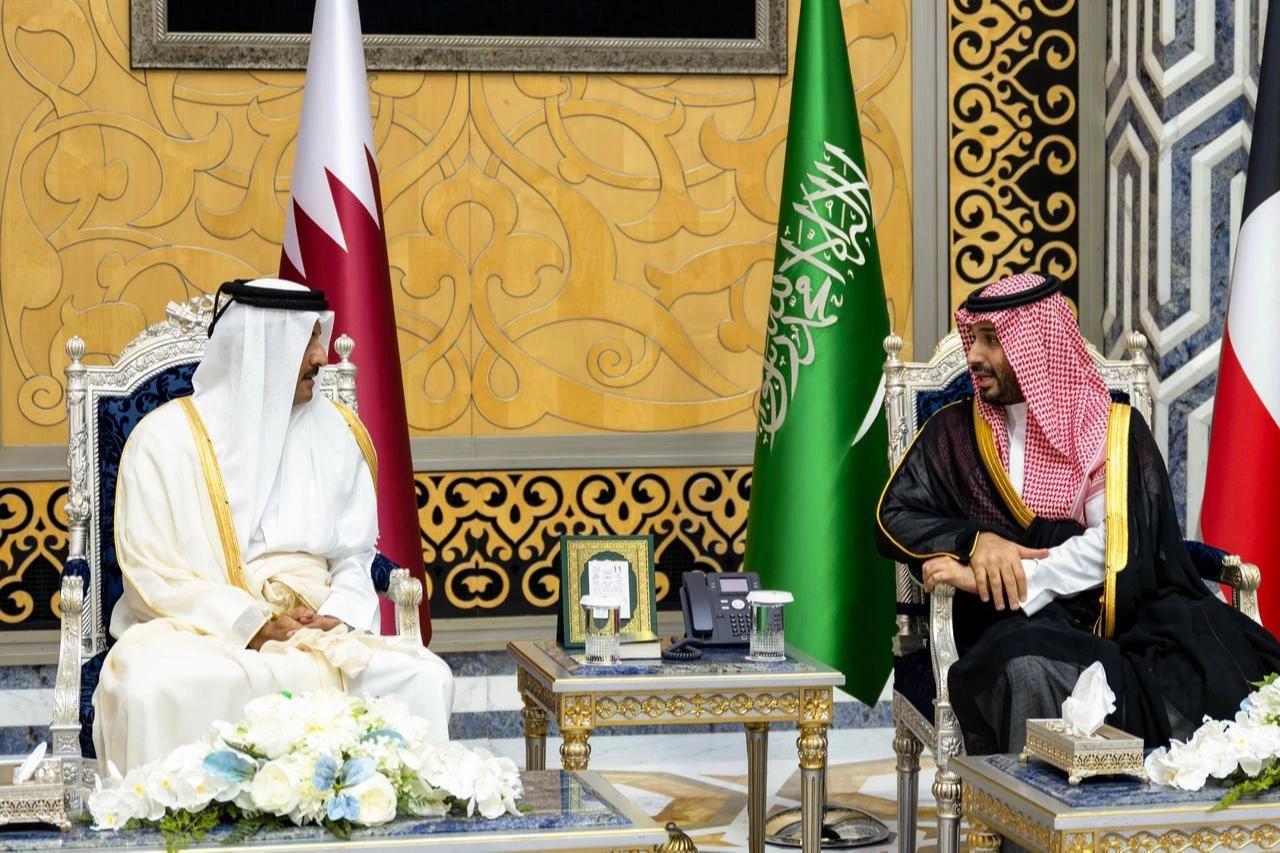
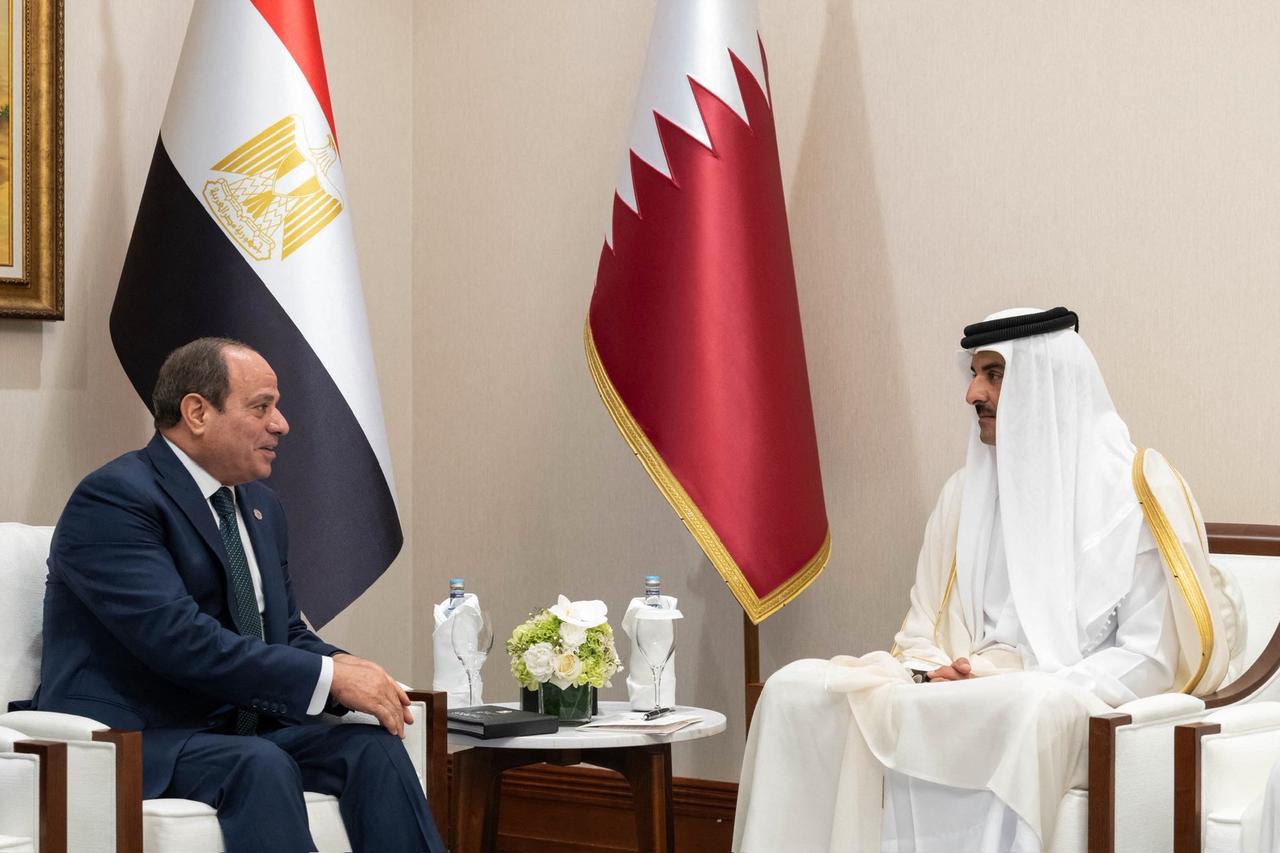
In this period when the U.S.' security guarantees for the region are increasingly questioned, Qatar—one of Türkiye's most strategic allies in the region—strengthens this new equation through both its facilitating role in resolving diplomatic crises and its turn toward alternative, non-Western defense technologies.
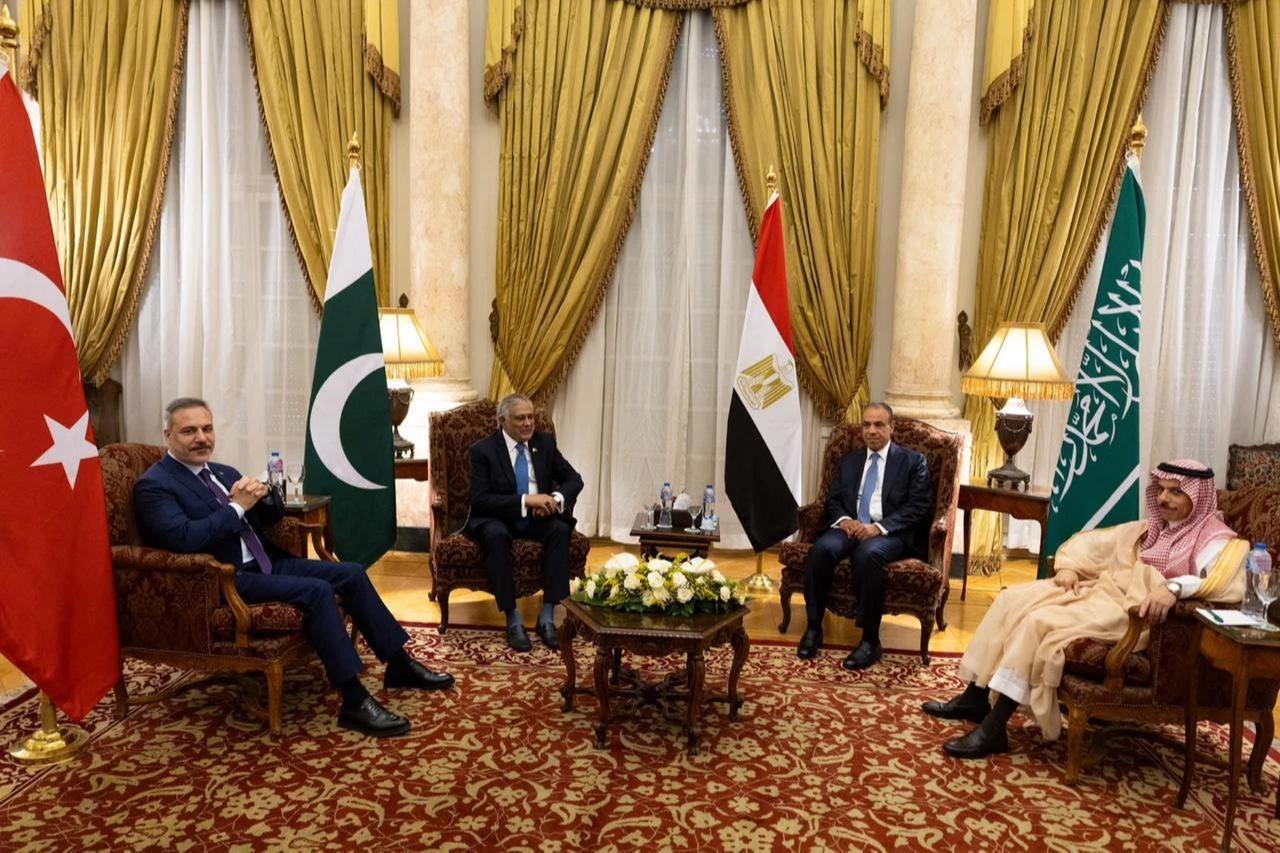
Simultaneously, the R4 (Regional 4) alliance, established at the foreign ministers' level by Türkiye, Saudi Arabia, Pakistan, and Egypt, is building a de facto political-military bloc with the vision of protecting maritime trade routes and managing their own crises without external interference.
All these steps prove that Middle East security can be ensured not through institutional projects imposed by external powers, but through flexible and local initiatives that integrate the Gulf and South Asia under the leadership of strong regional "anchors" like Türkiye.
Türkiye, which consistently comes to the forefront of European security discussions due to its geopolitical position, military power, and political depth, has also become a pivotal power for Middle Eastern nations facing regional security threats.
Despite its integration into the Western alliance, Türkiye's commitment to resisting externally imposed policies has manifested through its distinct political and military engagements across a geography extending from Qatar to Syria and Libya.
Furthermore, given Türkiye's ability to maintain balanced relationships with Russia and China alongside the United States, its exclusion from any future NATO-like alliance in the Middle East would represent a significant strategic loss for the region.
Ultimately, Middle Eastern countries require a robust, NATO-like security umbrella to counter the diverse internal and external threats they have faced in recent years. Türkiye, possessing unique capabilities that bridge the Western and Eastern worlds alongside extensive military capacity, can play a vital role in ensuring the continuity and strength of such an alliance.
In this context, the Ankara NATO summit offers a timely and ideal global platform to certify Türkiye's bridging and foundational role in resolving Middle East-centered security and stability crises.


 Set as preferred source
 Set as preferred source


 1 min read
 1 min read