Newsletters


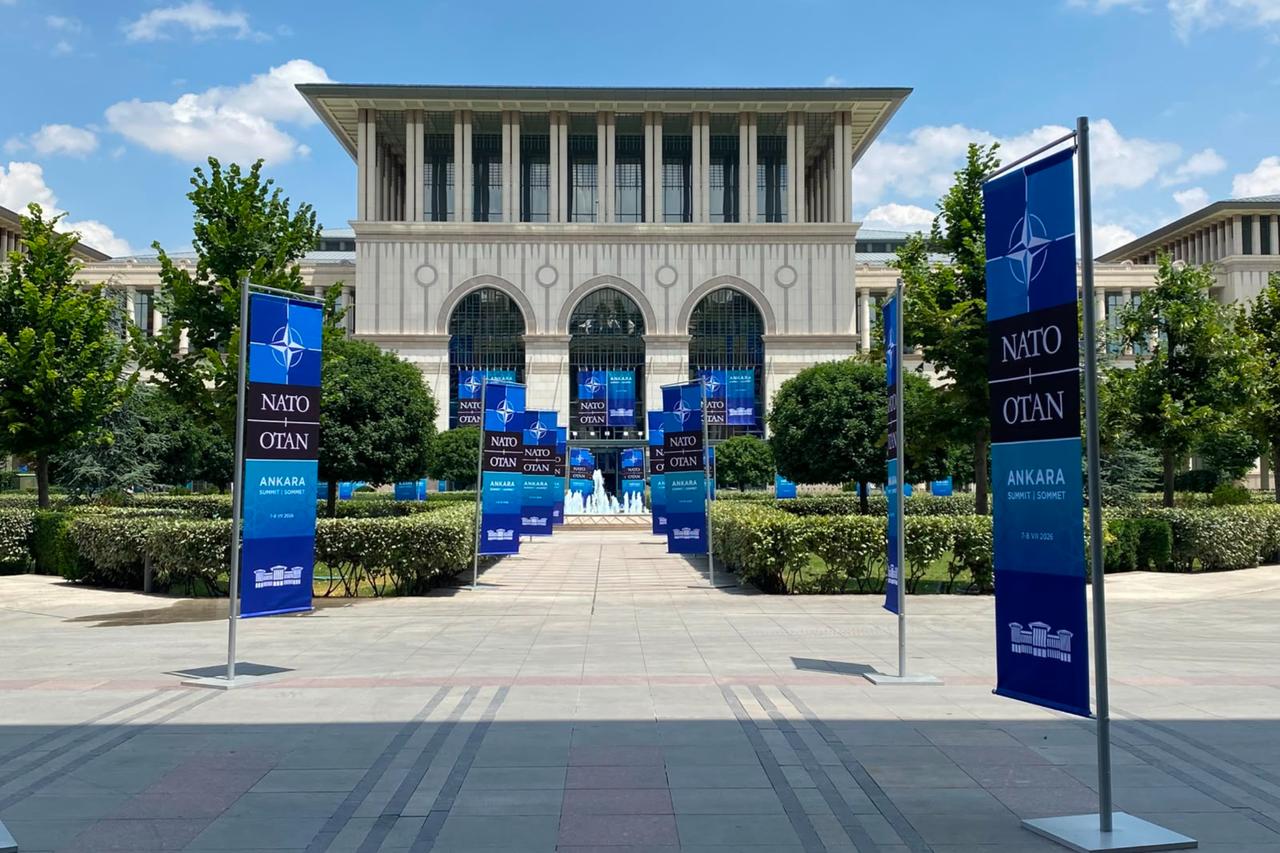


NATO 1.0 was a Cold War creature, built in opposition to the Warsaw Pact. NATO 2.0 defined the post-Cold War schema, particularly the post-9/11 period, oriented around terrorism and regional conflicts—Kosovo, Bosnia, and the like. NATO 3.0 now arrives freighted with expectations of a Europe, or rather a transatlantic bloc, once again arrayed against Russia.
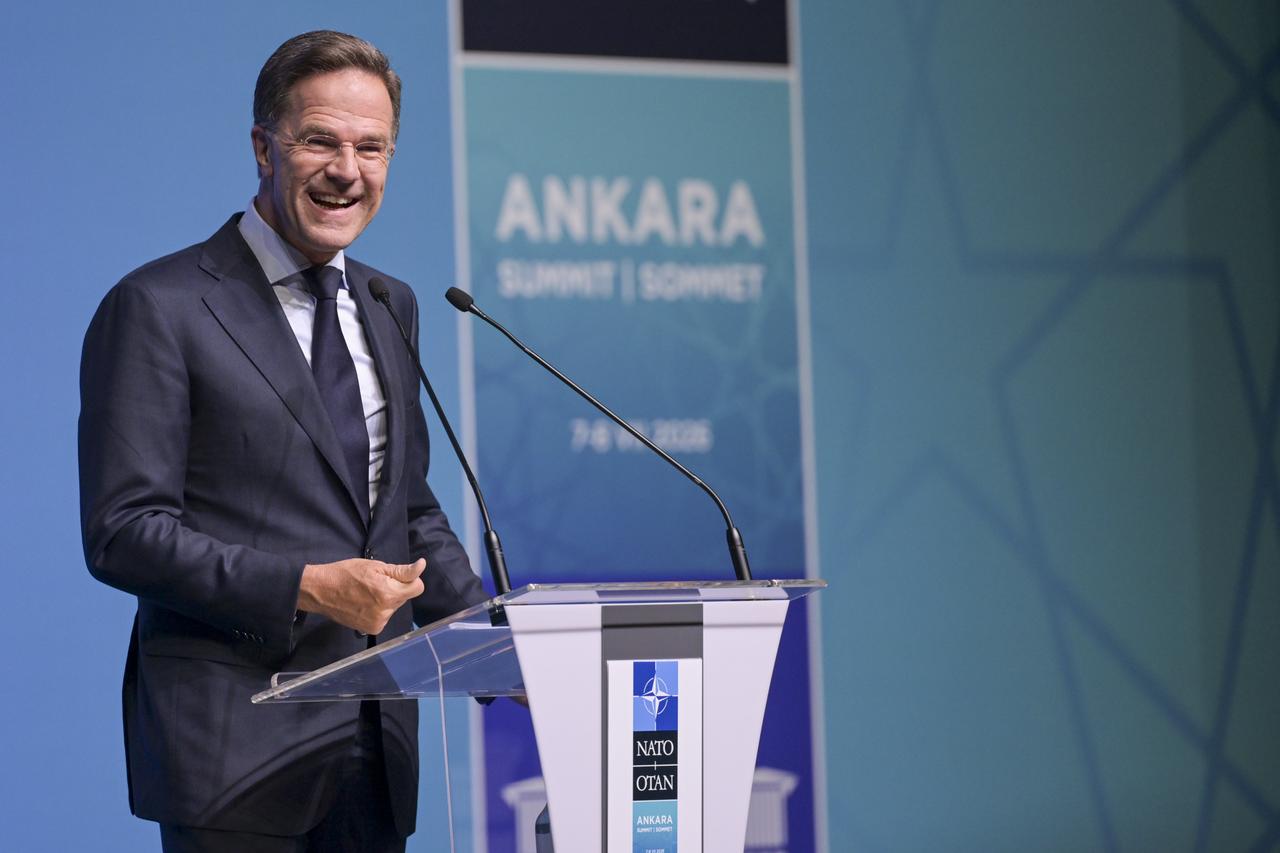
Ahead of the Ankara summit, many experts argue that the sole reason European states have come to the table is to manage tensions with Washington and to press forward on Ukraine. On July 6, a telling episode bore this out. NATO Secretary-General Rutte devoted the overwhelming share of his remarks to Ukraine, to Putin and Russia, and to Europe's deterrence capacity. Russia was, once again, cast as a threat in that speech, and this framing will almost certainly find its way into the summit's final communique as well.
Yet, as Türkiye's foreign minister has himself characterized it, if the Ankara summit is indeed where NATO 3.0 is to be defined, then it will be distinguished precisely by how differently it positions Russia, and the whole notion of "a Western bloc unified against the Russian menace."
Upon arriving in Ankara, Germany's Deputy Defense Minister Nils Schmid made his first statement, saying that the Ankara summit would show Trump that Europe is stepping up.
Yet, thus far, Ukraine constitutes a values-laden cause neither for President Trump nor for the American administration, and no narrative of defending Western values attaches to it. For Washington, Ukraine is simply a negotiation field, as it can be seen in the course of the grand bargain, President Trump has effectively suggested that Russia might keep a portion of its seized territory—implying the exact lines hardly matter and that whatever spoils accrue may as well be kept.
In that sense, the refrain that "Trump wants to cut costs, wants burden-sharing on mercantile terms, wants defense spending pushed to 5%" captures only a fragment of the truth. It does not exhaust either American strategy or the emerging story of the new global and international order.
The United States, it appears, will play a dual game. On one hand, it will continue drawing closer to Putin—witness an America that has, through its own Treasury Secretary, temporarily lifted certain oil-related sanctions amid the Iran war, thereby sustaining a special channel of relations with Russia. On the other hand, it will continue to "chastise" a Germany-centered Europe by weaponizing the Russian threat. None of this, to a discerning eye, resembles a reality where "Europe prepares its own defense and stands firm against the Russian threat.
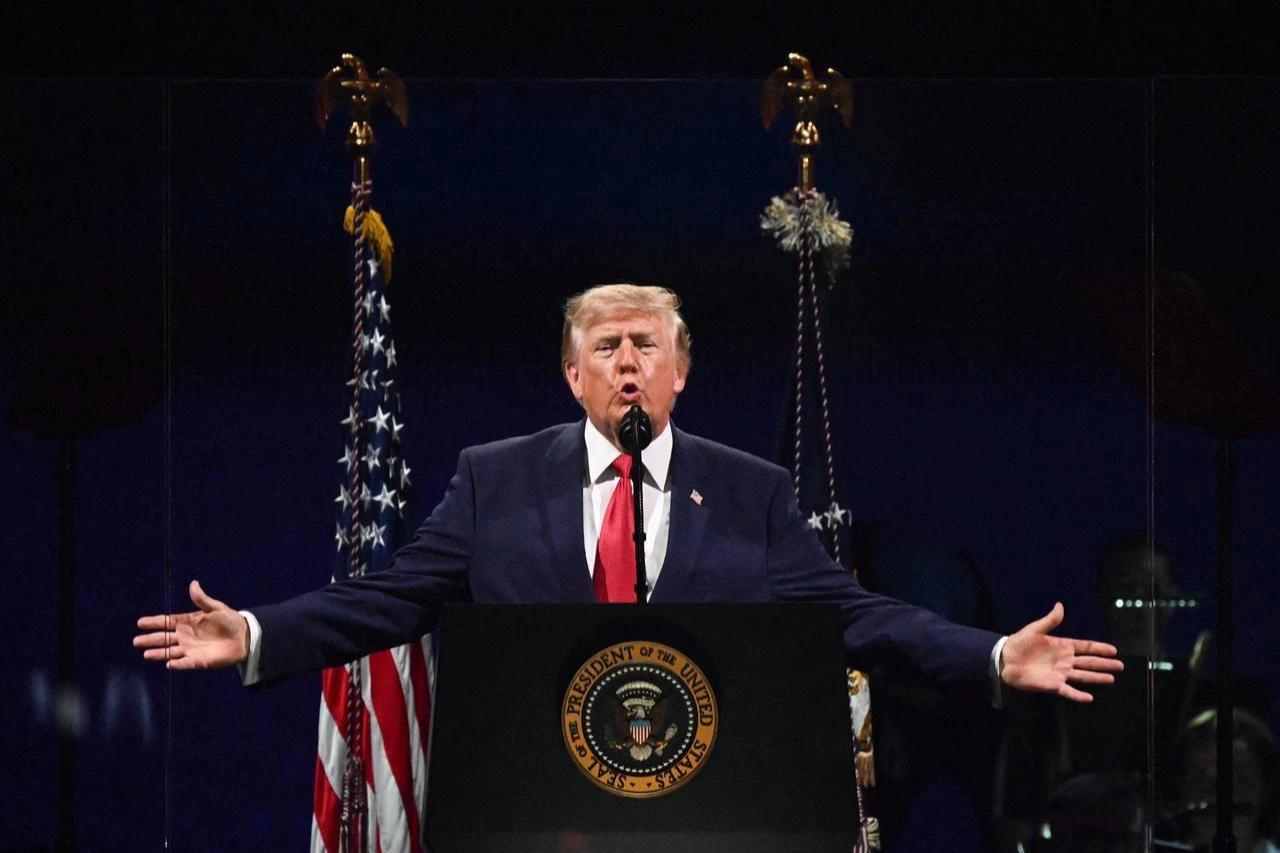

Classical theory holds that the aim is to strengthen one's ally while weakening one's adversary. The United States, on the other hand, is manipulating the balance not to "strengthen" or "grant autonomy to" its ally but to keep it under pressure and fixed within its own orbit. In theoretical terms, one might call this Dependent Balancing.
Washington has no wish to eliminate the Russian threat, because were that threat to disappear, Europe's security dependence on America would dissolve with it, and Europe would then acquire genuine strategic autonomy. Had the United States truly wanted Europe to become a fully independent military superpower, it would have championed the idea of Strategic Autonomy outright. That, plainly, is not the goal.
On that point lies the great paradox of NATO's history: even as allies are told at the Ankara summit to "unite against Russia," pragmatic bargains are being struck, behind closed doors, along the Washington-Moscow channel—to regulate global energy prices, to balance against China, to redesign the Middle East.
Alliances are, by definition, formed against external threats. Yet at this summit, NATO looks less like a defensive line erected against an outside danger than a mechanism through which the alliance's founding hegemon—the United States—re-disciplines allies who show signs of drifting or loosening their attachment to its system.
Hegemony is sustained neither by consent alone nor by coercion alone, but by institutionalized dependency. The Ankara summit may present itself as the launch of NATO 3.0, but it is, in substance, a summit of "the hegemon's return and its reimposition of the rules." What Washington is telling Europe amounts to this: You will raise your own defense budgets, but this will not make you independent; the increase will flow into my defense ecosystem—from F-35s to other American-patented technologies—and it will help finance me on the China front.
Even as the United States runs a transactional relationship with Russia through its special back channel—over oil, and global balances—it keeps Russia positioned at Europe's nape as a controlled bogeyman on the front lines. In other words, America disciplines its ally by striking a balance with its adversary.
Turkish foreign policy drew its lessons on values during years of confrontation with Russia—chiefly in different parts of the Middle East — in which it found neither European nor NATO backing at its back just a few years ago. The governing party, which came to power 24 years ago with the promise of full integration into the European Union as its stated aim, had already, well before the second Trump term, recalibrated its relations with both Russia and the EU relative to where they stand today. At the same time, it did, ahead of Trump’s push, everything he would go on to demand of his European allies: raising defense expenditure and supporting Ukraine in ways calculated to alter the course of the war, all while keeping cooperation with Russia very much alive.
The Turkish foreign ministry's vision—that "Russia must be positioned differently"—rests precisely on this foundation. Ankara has long argued and long practiced that NATO ought not to function as a blind ideological shield preserving Western-bloc values alone, but should operate, in a multipolar world, on a transactional, give-and-take rationality as seen in the Grain Corridor deal, and its rational relationship with Russia more broadly.
What makes the Ankara summit distinctive is that this "transactional and rational" model, practiced by Ankara for years, is now being imposed upon the entire alliance by the hegemon itself, the United States, led by President Trump.


 Set as preferred source
 Set as preferred source


 1 min read
 1 min read