Newsletters


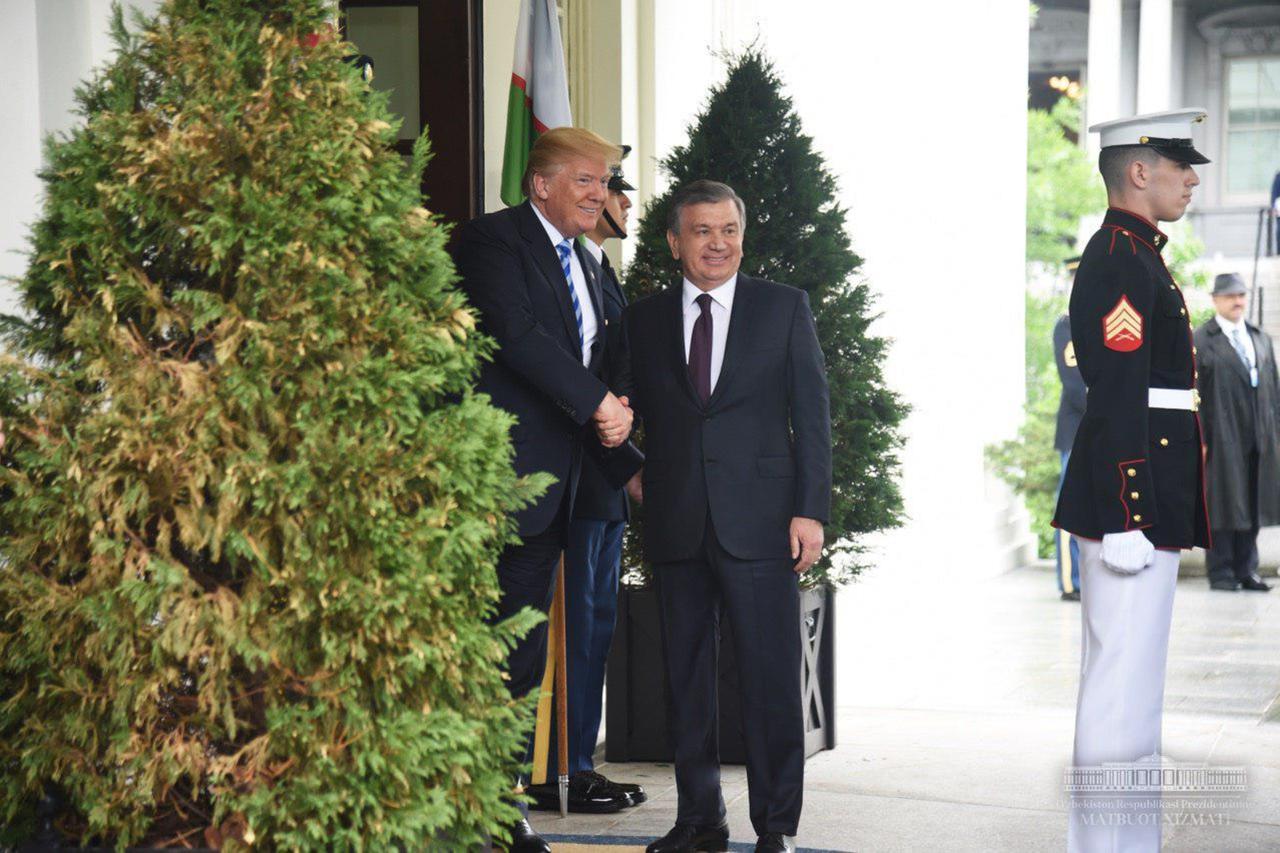


U.S. President Donald Trump's announcement that he will invite the leaders of Kazakhstan and Uzbekistan as guests to the G20 Summit planned for 2026 in Miami may, at first glance, appear to be a diplomatic gesture of courtesy. However, this invitation is not merely a name added to the summit calendar. On the contrary, it is a concrete reflection of the transformation in Washington's view of Central Asia, the new axes of great power competition, and the changing priorities of global economic and political affairs.
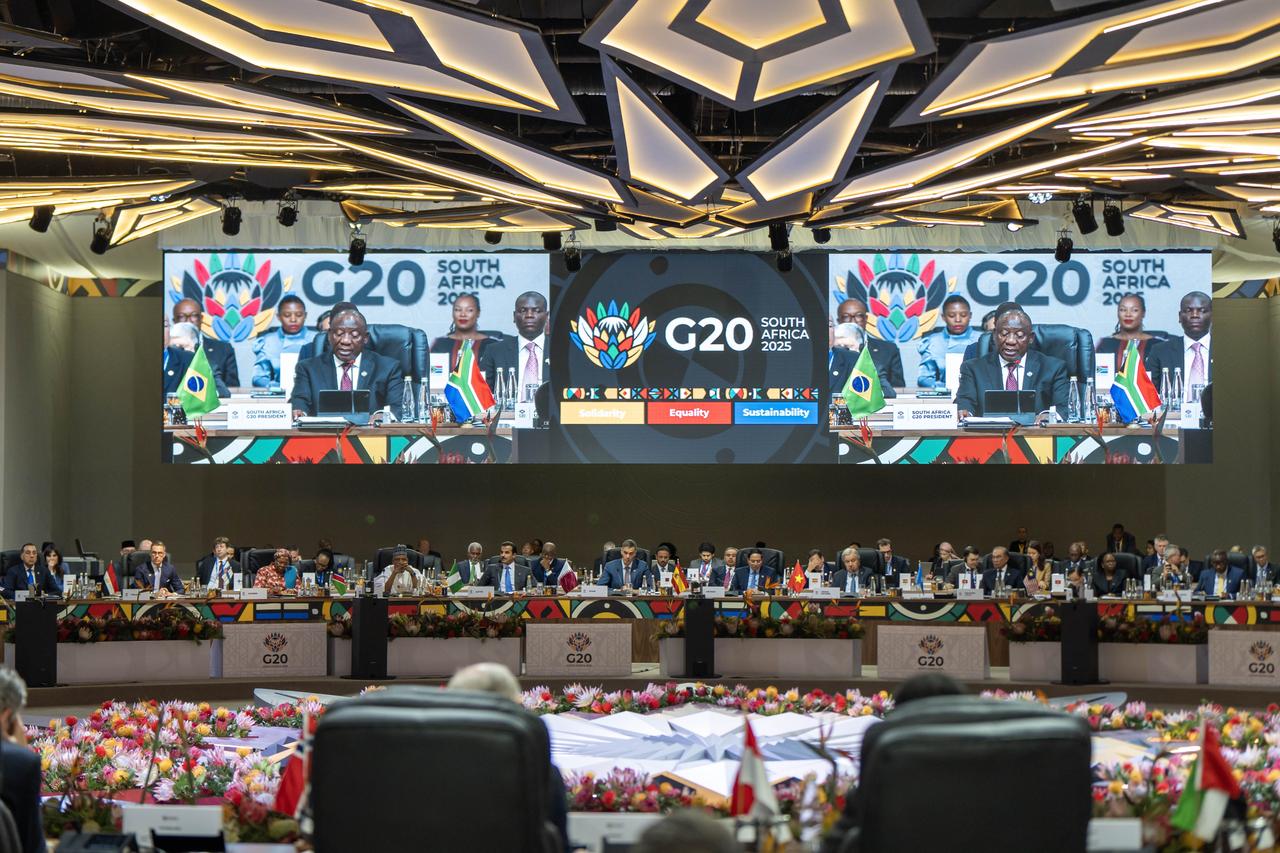
Although the G20 is not a legally binding organization, it is one of the most visible and influential platforms shaping the global economic and political agenda. Offering “access” rather than membership, this structure has both symbolic and functional value, particularly for non-member countries. Therefore, reducing the invitation extended to Kazakhstan and Uzbekistan to a “G20 participation” debate is analytically insufficient. The real question is what geopolitical need this invitation stems from and what strategic consequences it may have.
Given Trump's distant, even occasionally openly critical approach to multilateral platforms, this gesture toward Central Asian leaders takes on even greater significance. For what is at stake here is not so much a belief in multilateral diplomacy in the classical sense, but rather a search for contact focused on generating concrete benefits on a controllable stage. The fact that the summit planned for Miami will be held at a venue belonging to Trump is itself a symbolic manifestation of this approach.
In this context, the inclusion of Kazakhstan and Uzbekistan through the G20 invitation signifies not so much the “discovery” of Central Asia, but rather the explicit placing on the table of a region that has already been discovered.
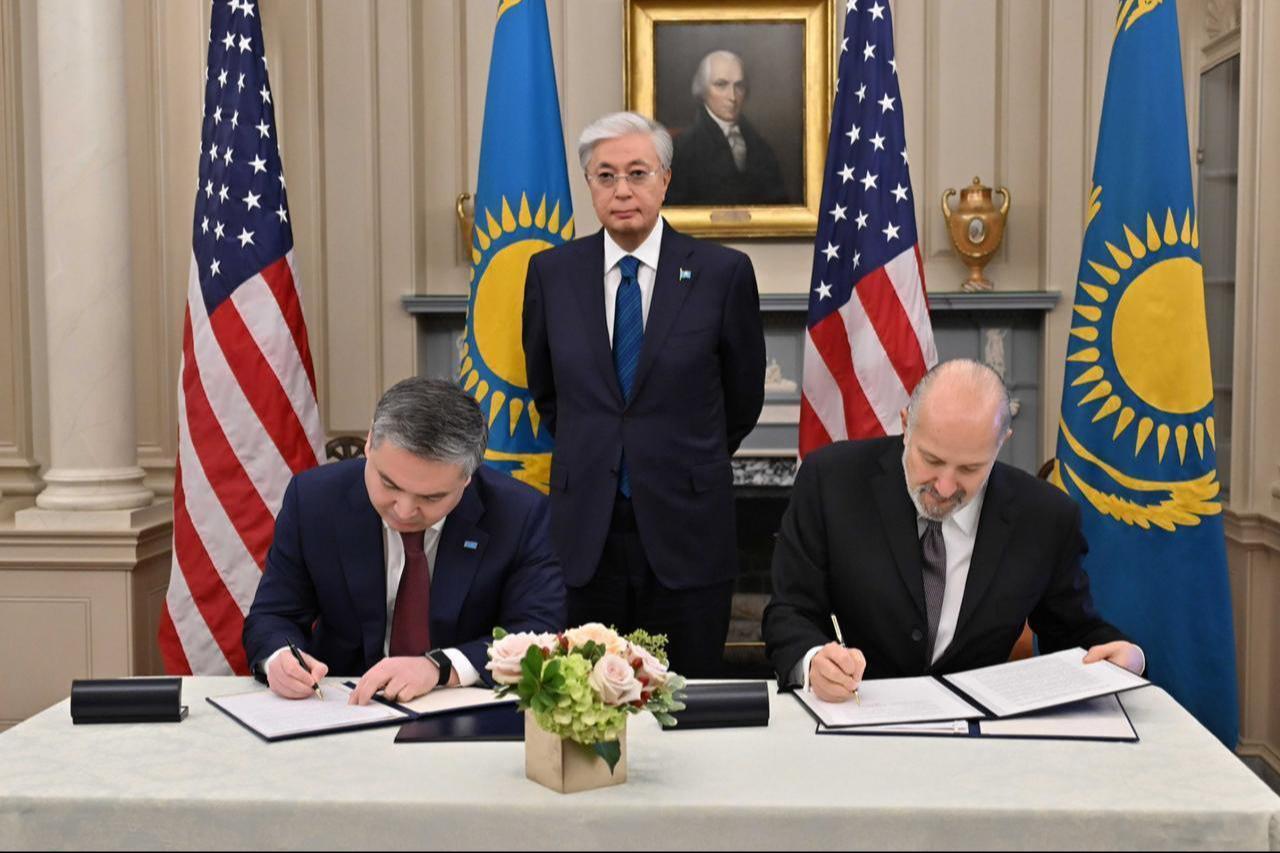

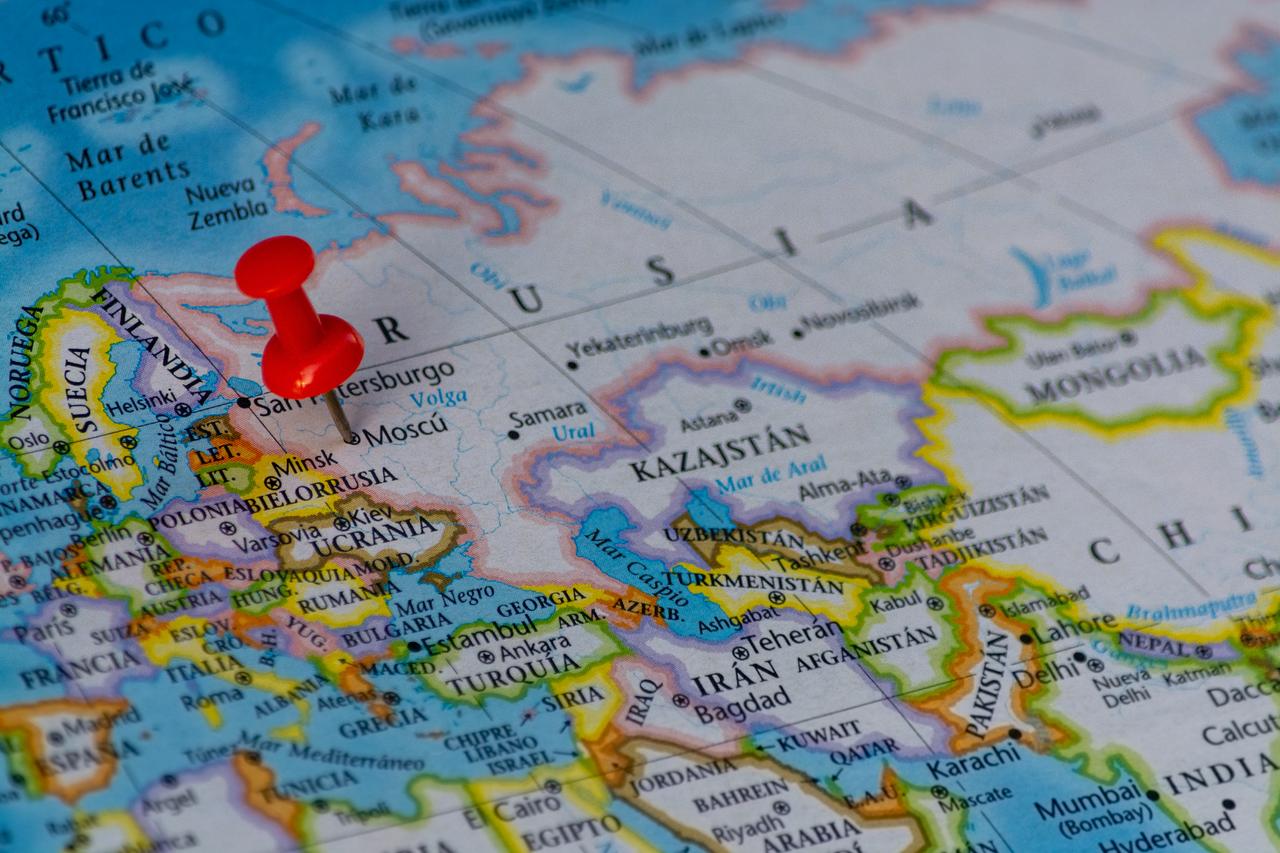
The United States' growing interest in Kazakhstan and Uzbekistan is shaped around concrete areas of interest such as energy security, critical mineral supply, and the restructuring of global supply chains, rather than normative values or democratic rhetoric. From Washington's perspective, Central Asia has moved beyond being a peripheral region of “secondary importance” for many years; it has become an indispensable resource basin for strategic sectors, particularly high-tech manufacturing, the defence industry and nuclear energy.
Underlying this transformation is the U.S.' recently declared policy of reducing strategic dependence. Dependence on uranium, rare earth elements and critical minerals sourced from Russia and China, in particular, is no longer viewed as an economic issue in Washington but is being addressed directly under the heading of national security. In this context, Kazakhstan and Uzbekistan are positioned as strategic transit countries in a period when global supply chains are being geographically and politically reconfigured, going beyond being mere “alternative suppliers”.
Kazakhstan's leadership in global uranium production, its stable production capacity, and its long-standing institutional experience working with Western companies highlight its reliability for the U.S. Uzbekistan, on the other hand, with its more dynamic profile, rapidly expanding mining sector, new joint venture models, and openness to Western capital, responds to Washington's pursuit of “long-term diversification”. Taken together, these two countries form the concrete basis for the U.S.' goal of a gradual but irreversible breakaway from Russia-centric supply chains in the energy and critical minerals sectors.
However, Washington's orientation toward Central Asia is not limited to underground riches. The region is also a geopolitical balancing ground where great power competition is becoming increasingly apparent. Russia's military and diplomatic capacity has been eroded following the war in Ukraine, while China's growing economic influence has the potential to create unilateral dependency relationships in the region's countries, prompting the U.S. to engage in a more visible but cautious manner. In this context, Washington aims to establish a balancing and selective presence in Central Asia rather than seeking direct hegemony.
High-profile, multilateral platforms such as the G20 stand out as one of the key pillars of this strategy. Such platforms offer the U.S. the opportunity to legitimise bilateral contacts and establish direct, visible contact with Central Asian leaders. However, what is noteworthy here is that the G20 functions as a diplomatic arena where bilateral interests can be packaged, rather than a “multilateral ideal” for Washington. Although the invitations have high symbolic value, the real aim is to translate this visibility into concrete agreements and commercial commitments.
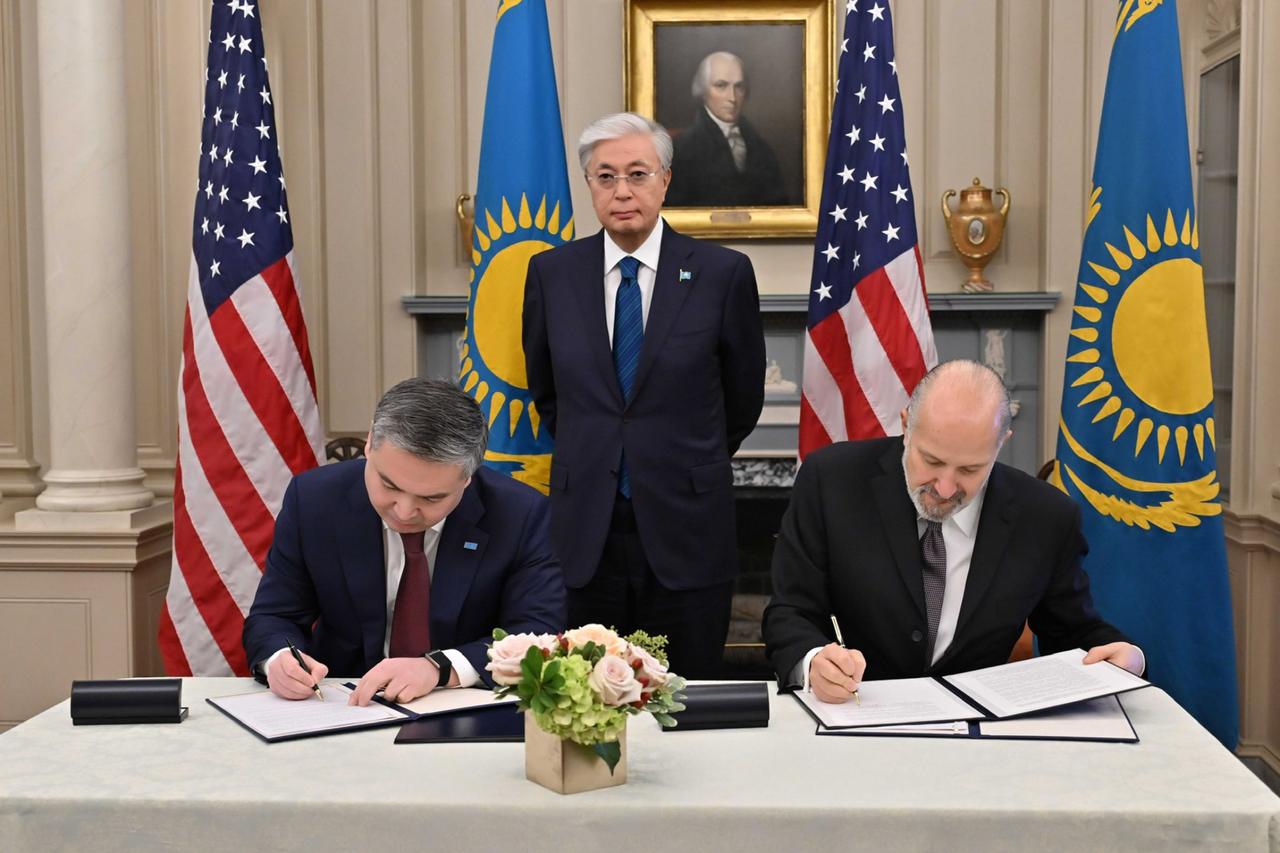
The cooperation mechanisms developed under the C5+1 format also stand out as the institutional basis for this controlled rapprochement. Within this framework, the U.S. is particularly careful to avoid making Central Asia part of ideological camps; instead, it is building a relationship model based on projects that produce technical and measurable results. The critical minerals dialogue, energy projects, and investment facilitation mechanisms are concrete manifestations of this approach. The G20 invitation, as a complementary component in this process, aims to make these collaborations visible on a global scale.
An important point to emphasize at this juncture is that Kazakhstan and Uzbekistan are consciously avoiding adopting Washington's rhetoric wholesale. Both capitals prefer to use language that is more cautious, more technical and less personalised than Trump's public statements. This approach demonstrates the strong will of the Central Asian states to preserve their strategic autonomy amid competition between major powers. Astana and Tashkent are careful to frame this process as a complementary component of their multidimensional foreign policy, avoiding defining their rapprochement with the US as a shift in axis.
Therefore, Washington's approach to Central Asia and the response of the countries in the region to this approach are not fully aligned; they are progressing along two separate strategic lines with carefully managed areas of overlap.
For Kazakhstan and Uzbekistan, the real value of the G20 invitation lies not so much in gaining visibility on the global stage, but rather in the question of what concrete negotiations and what material and strategic gains this visibility can be converted into. The fact that both capitals treat the summit invitation as a secondary issue in their official statements indicates that this choice is deliberate and strategic.
This approach is consistent with the increasingly pragmatic foreign policy reflex of Central Asian states in recent years. Aware that symbolic gestures quickly lose meaning in an international environment where competition between major powers is intensifying, Astana and Tashkent view summit diplomacy not as an end in itself but as a process designed to produce concrete outcomes. In this context, the decisive factor is not so much the invitation itself, but rather the bilateral meetings, investment contacts and technical agreements that will take shape around the invitation.
Astana's approach is largely shaped around the axes of security, stability and balance. The cautious and measured rhetoric adopted in the context of the war in Ukraine clearly demonstrates that Kazakhstan does not wish to engage itself in an anti-Russian front or position itself as a forward outpost of the West. In this context, the G20 invitation serves as a tool to reinforce Kazakhstan's multi-faceted foreign policy line rather than creating pressure to choose sides. Astana uses such platforms to maintain its contacts with the West while taking care not to upset the balance in its relations with Moscow and Beijing.
Uzbekistan's approach is more clearly based on economic rationality. Rather than positioning the G20 process as a platform for sending messages to the global public, Tashkent views it as a concrete economic opportunity window that allows for direct contact with investors, financial institutions, and industrial actors. Mechanisms such as multi-sectoral projects developed with the U.S., joint investment funds, and business and investment councils are institutional reflections of this perspective. In this respect, Uzbekistan is attempting to use the diplomatic intensity surrounding the G20 in a manner consistent with its long-term economic transformation goals.
This approach is also consistent with the reformist and outward-looking path that Uzbekistan has pursued in recent years. Tashkent avoids presenting international visibility as an achievement in itself; instead, it prioritises technology transfer, direct foreign investment and industrial cooperation that will support its reform agenda.
The common and critical point for both countries is the clear awareness of the transitory nature of the Trump factor. The fact that the invitation is largely based on personal diplomacy necessitates that this process be supported by institutionalised and sustainable mechanisms in order to translate into lasting gains.
Otherwise, changes in administration or shifts in global priorities could quickly render the gains meaningless. For this reason, Astana and Tashkent prefer a multi-layered engagement that progresses through ministries, investment agencies and technical cooperation platforms rather than individual leader relationships. The main task is based entirely on planning this “afterward”.


 Set as preferred source
 Set as preferred source


 1 min read
 1 min read