Sign in
 Newsletters


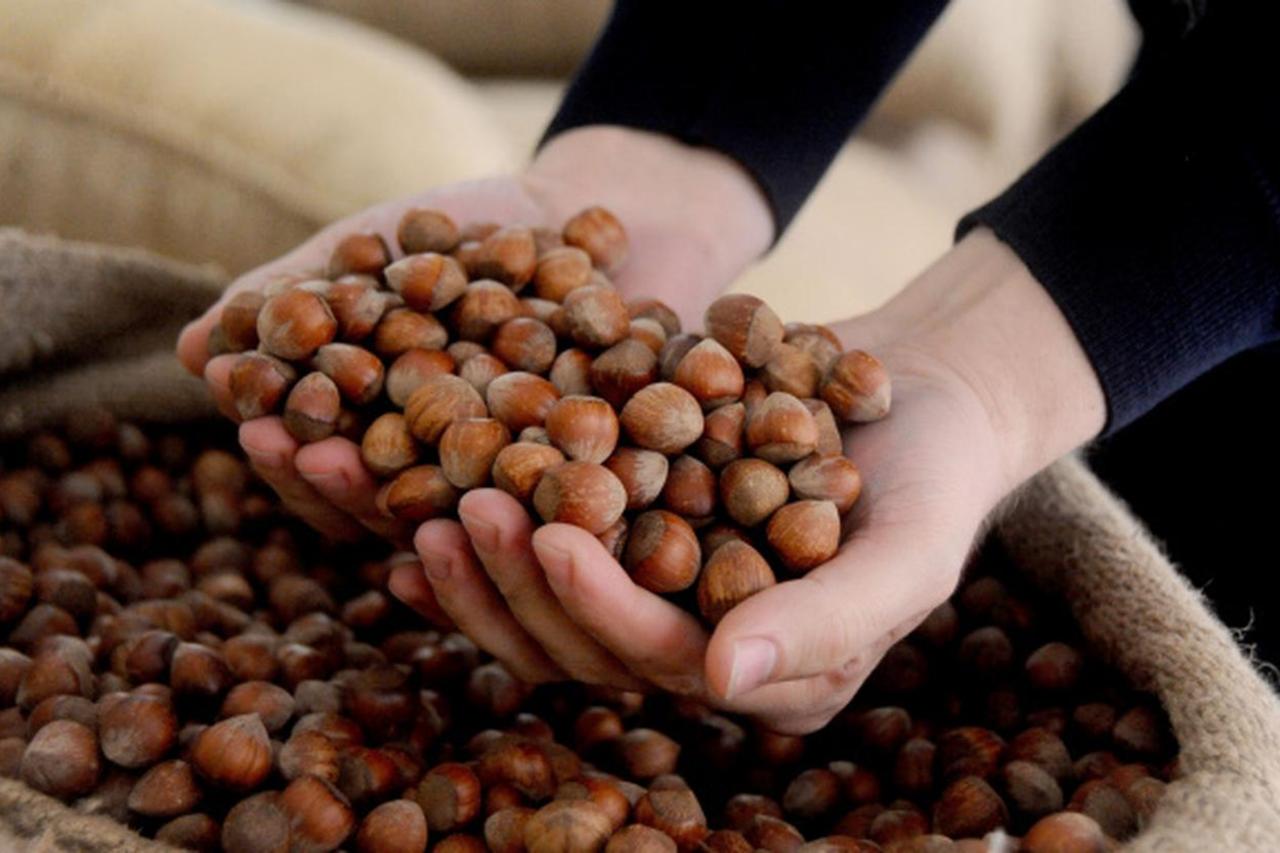


The Turkish Competition Authority’s Nov. 6 announcement of an investigation into seven hazelnut companies has revived a longstanding question: why doesn't Türkiye’s global production strength translate into comparable bargaining power for its growers?
The investigation examines whether Ferrero, Atalay, Balsu, Karacuha, Ofi, Ozyilmaz and Senocak coordinated their hazelnut purchase prices and procurement policies.
In Ferrero’s case, it also examines compliance with previously binding commitments. Opening an investigation does not establish an infringement, but the proceedings highlight the close relationship between growers’ incomes and competition among buyers.
Competition concerns in the hazelnut market are not new. The Authority’s inquiries initially focused on allegations that buyers colluded to suppress prices, later expanding to Ferrero’s buyer power and position in the supply chain.
These were separate investigations conducted at different times, not successive stages of a single proceeding. Taken together, however, they show how complaints about price movements gradually evolved into a wider debate about market structure.
In 2012, the authority examined allegations that Oltan and certain other buyers had acted jointly to depress hazelnut prices. It found insufficient evidence of an agreement, noting that product homogeneity, similar costs and international demand conditions could also produce similar prices. It therefore decided against opening a formal investigation. The underlying principle was that similar prices alone do not constitute evidence of collusion.
The next significant structural development was Ferrero’s acquisition of Oltan. The Competition Board approved the transaction on January 8, 2015, taking into account expected benefits such as lower procurement risks, fewer intermediaries and increased efficiency.
A major chocolate and confectionery manufacturer thus strengthened its vertical integration by acquiring an important hazelnut supplier. Approval of the acquisition did not, however, exempt the company’s subsequent conduct from competition scrutiny.
In 2016, the authority revisited the issue amid falling prices, allegations of speculation, and concerns about the effects of hazelnuts held on consignment. Once again, it found insufficient evidence of an agreement among buyers and declined to open a formal investigation.
Nevertheless, recurring complaints prompted a broader sector inquiry. Structural problems involving production, storage, finance and marketing consequently became part of the competition debate.
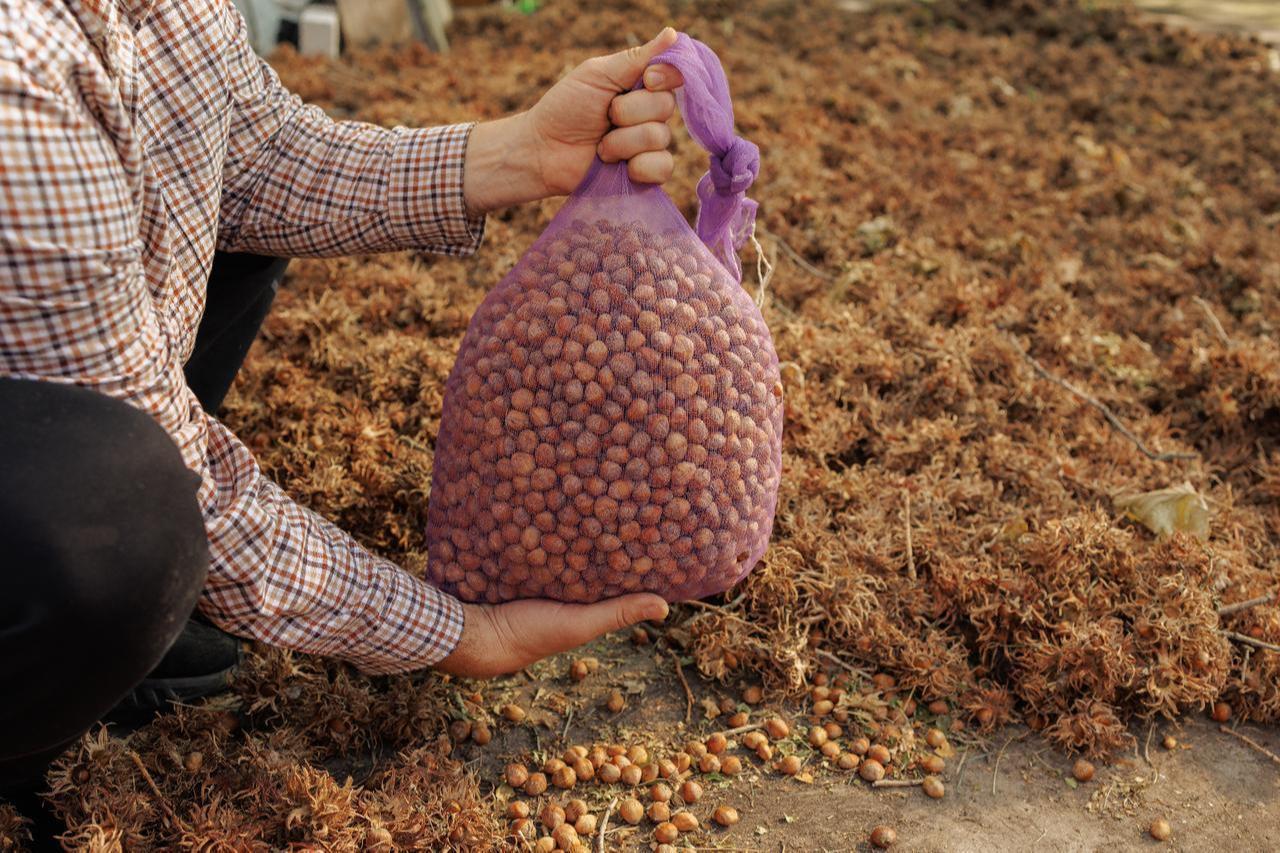

Understanding these problems requires looking at the chain connecting orchards to industrial users. It begins with hundreds of thousands of growers operating small, fragmented family holdings.
Collecting, processing, and channeling the crop toward export markets, by contrast, fall to larger businesses. Because hazelnuts are a key input for chocolate and confectionery, growers’ incomes also depend on international industrial demand. And Türkiye’s weight in global production does not mean that individual farmers selling separately can set prices.
Growers’ first point of contact is usually a local trader, known in the sector as a “manav.” These traders aggregate small quantities for sale to shellers and exporters while also meeting growers’ financing and storage needs.
Shellers remove the shells and grade the kernels, while larger processors and exporters prepare the product for industrial customers through roasting, chopping and further sorting. Businesses may operate at several stages, and financing relationships accompany the movement of the crop through the chain.
A farmer’s choice of buyer therefore depends on more than the price offered on the day of sale. Advances received before harvest, borrowing to cover labor costs and inadequate storage facilities also influence the decision.
A grower who relies on a trader for financing throughout the year may find it difficult to switch buyers at harvest. The consignment system, under which the crop is left with a trader before its sale price is settled, provides storage but can deepen dependence on the same commercial relationship. This creates a bargaining imbalance between farmers who need to sell immediately and larger businesses able to choose when to buy.
Ferrero’s importance stems from combining substantial purchasing volumes with a structure that spans hazelnut procurement, processing and final product manufacturing.
During the period examined in the decisions, the company sourced from traders and shellers or exporters rather than directly from growers. This does not eliminate its influence on farmers. When setting the price offered to growers, traders consider the terms on which they can resell to a major buyer. Ferrero’s procurement policy can therefore affect farmgate prices through intermediaries.
Vertical integration can reduce costs and improve quality and supply security. From a competition perspective, the decisive question is how it affects rivals’ access to the crop and sellers’ alternatives.
Earlier complaints against Ferrero alleged de facto exclusivity arrangements with certain traders and shellers, and raised concerns that expanding its own shelling capacity could exclude independent businesses. These are allegations made in complaints and should not all be presented as proven infringements.
They nevertheless illustrate why buyer power must be assessed not only through purchase prices but also through independent businesses’ ability to remain in the market.
Following new complaints, an investigation into Ferrero was opened on Nov. 3, 2022. On Sept. 14, 2023, its scope was expanded to examine whether the company had restricted competition through contract shelling arrangements and increased purchases of in-shell hazelnuts. The inquiry thus extended beyond price levels to the effects of its procurement and shelling activities on rivals.
In its decision of March 7, 2024, the Board described Ferrero as the largest buyer and a dominant undertaking in the hazelnut purchasing market. It also noted that the company’s purchase prices for in-shell hazelnuts had remained below those announced by the Turkish Grain Board, or TMO, in the 2021–2022 and 2022–2023 seasons.
The case did not, however, conclude with a final finding of abuse of dominance and a fine. Instead, the Board accepted Ferrero’s commitments, made them binding and closed the investigation.
According to the authority’s announcement, these commitments covered 2024, 2025 and 2026. They required Ferrero not to purchase in-shell hazelnuts below TMO’s reference price, not to purchase more than 100,000 tonnes of in-shell hazelnuts in any season, and to purchase at least 45,000 tonnes between September and December each year.
Economically, this framework can be interpreted as seeking to prevent downward pressure on prices, preserve other buyers’ access to in-shell hazelnuts and ensure purchases during the period when growers’ need to sell is greatest.
The adequacy of these commitments subsequently became contentious. In 2025, a court annulled the decision on the grounds that a concrete and comprehensive economic analysis had not demonstrated that the price and quantity obligations would adequately address potential competition concerns.
In a later announcement, the authority stated that the minimum September–December purchase requirement had been reduced to 30,000 tonnes for 2025 alone because of crop losses and quality problems, while the other obligations remained in place. The legal transition between the annulment and the subsequent implementation requires further clarification.
The new investigation places compliance with Ferrero’s commitments alongside possible coordination among buyers at the centre of scrutiny.
TMO’s alternative purchasing channel is also important for growers’ bargaining power. Public procurement can make it easier for farmers to reject a private buyer’s offer. Its effectiveness, however, depends on growers’ ability to meet delivery, quality, transport and payment conditions.
For farmers facing immediate debt repayments or lacking storage, a higher announced price may not always constitute a practically accessible sales option.
Strengthening competition in the hazelnut market therefore requires both scrutiny of buyers’ conduct and broader choices for growers. The investigation into seven companies matters for preserving independent purchasing decisions and enforcing Ferrero’s obligations.
Accessible finance, reliable storage, transparent quality assessment and effective producer organisations are complementary measures that would allow farmers to choose when and to whom they sell.
Translating Türkiye’s production strength into growers’ incomes depends on their ability to exercise those choices.


 Set as preferred source
 Set as preferred source


 1 min read


 1 min read