Newsletters


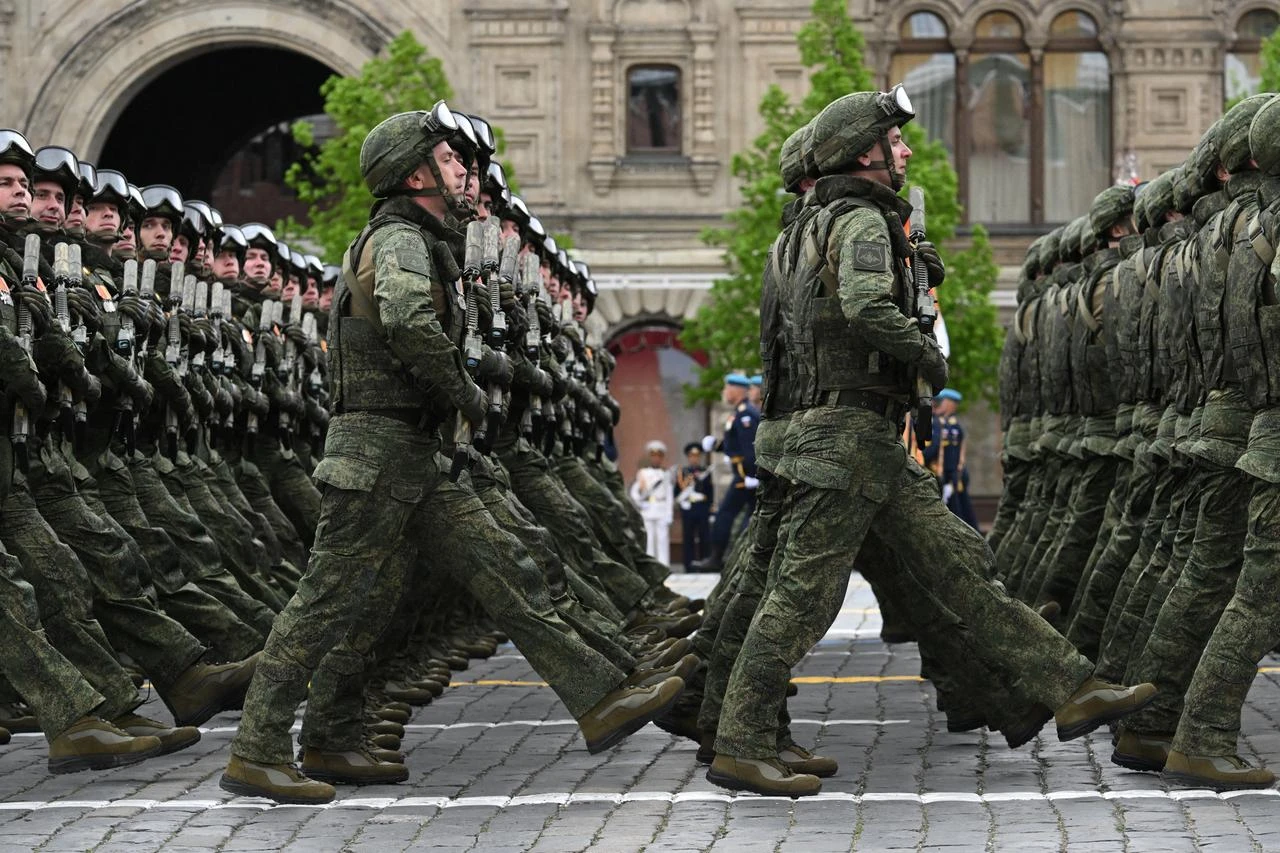


For Poles, this is no far-fetched hypothetical—it's a fear etched into national memory. Their country spent long periods erased from the map, carved up and occupied by the empires around it.
That history never fully receded into the past, and the war in Ukraine has dragged it back to the surface. It was a wake-up call, forcing Poland to confront a question it hoped it had put to rest: how far does Russian ambition actually extend—and where does Moscow intend to stop?
This explains the seriousness with which both the Polish public and officials have treated the recent American intelligence report published earlier this month. The report indicated that Russia may target Poland in the coming months as part of a strategy to test NATO’s red lines.
This has revived old traumas. Poland, which borders Ukraine as well as Belarus and Russia (via the Kaliningrad exclave), has feared a Russian attack or invasion since emerging from the Soviet shadow. This fear was the primary reason for its eagerness to join the Western alliance.
However, Poland is not alone. NATO sources have previously warned of Russian intentions to target the Baltic states. While Russian drones have already violated European airspace on several occasions, the anxiety in Poland and the Baltic countries is of a different magnitude. It has pushed these nations to strengthen their security and military cooperation.
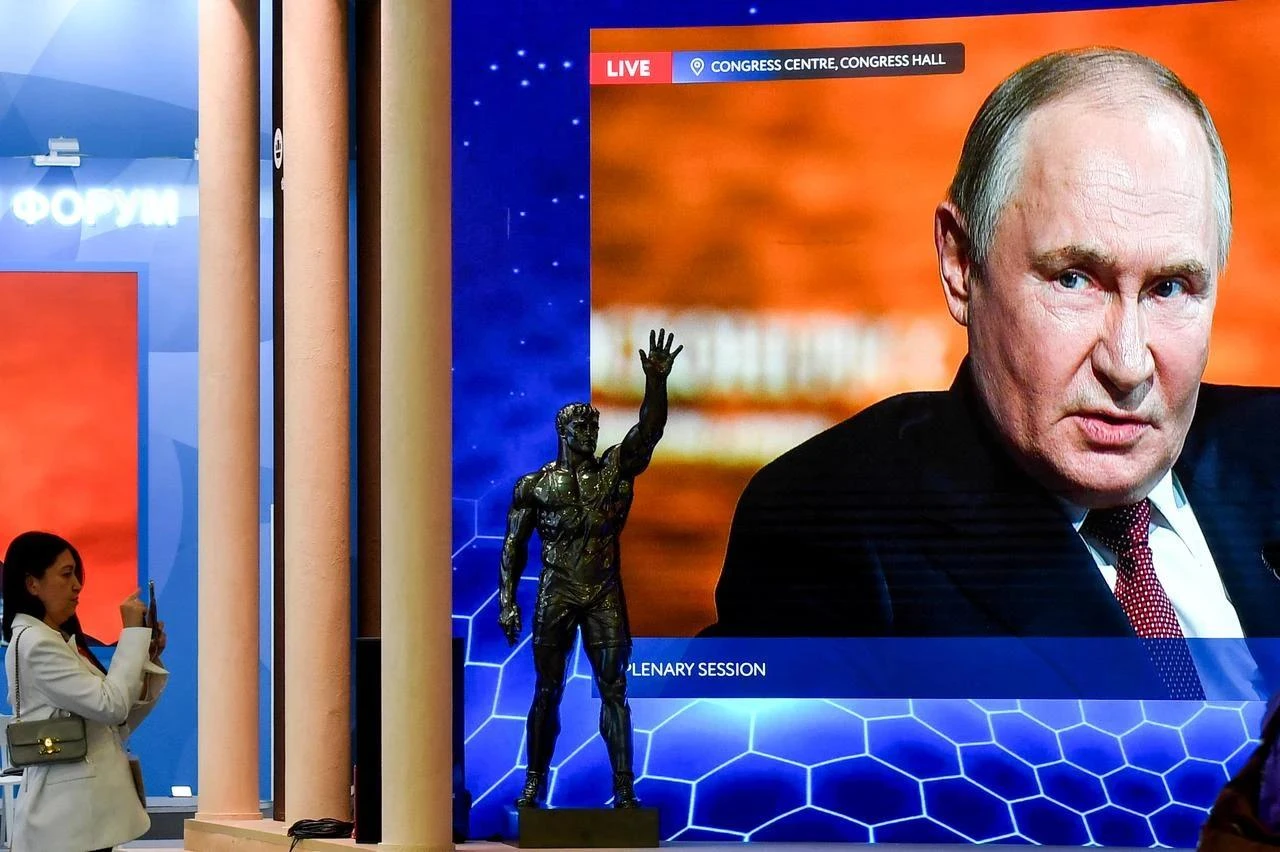

The American intelligence report did not speak explicitly of war or invasion, but rather of possible direct targeting of facilities and the potential deployment of Russian forces through Kaliningrad or via allied Belarus.
All parties understand that the conflict is no longer limited to conventional warfare. It can take hybrid forms, using drones, explosive packages, or cyberattacks.
What makes the worst-case scenarios plausible is the possibility that Russia may adopt a strategy of “expanding the sphere of chaos.” Iran is successfully employing this tactic during the U.S.-Israel war on it by firing in multiple directions and disrupting navigation in the Strait of Hormuz; it strengthened its negotiating position. The idea was to broaden the circle of those affected by the war.
The Russian logic here mirrors the Iranian one: any neighboring country that does not support it is considered complicit. Moscow no longer refers to its campaign as a “special military operation” but openly calls it a “war.”
An interesting parallel between the two countries is Russia’s previous use of the Baltic Sea straits as leverage against Europe—particularly against Poland, for whom these passages are vital.
Today, after sensitive Russian sites have been struck by drones in recent weeks, Moscow sees itself confronting the entire European continent, which is supplying Ukraine with weapons, money, and logistical support.
Without this aid, Ukraine could not have withstood the pressure or inflicted painful blows. In the Russian view, this direct involvement makes European countries active participants rather than mere sympathizers. The most engaged nations are seen as outright enemies.
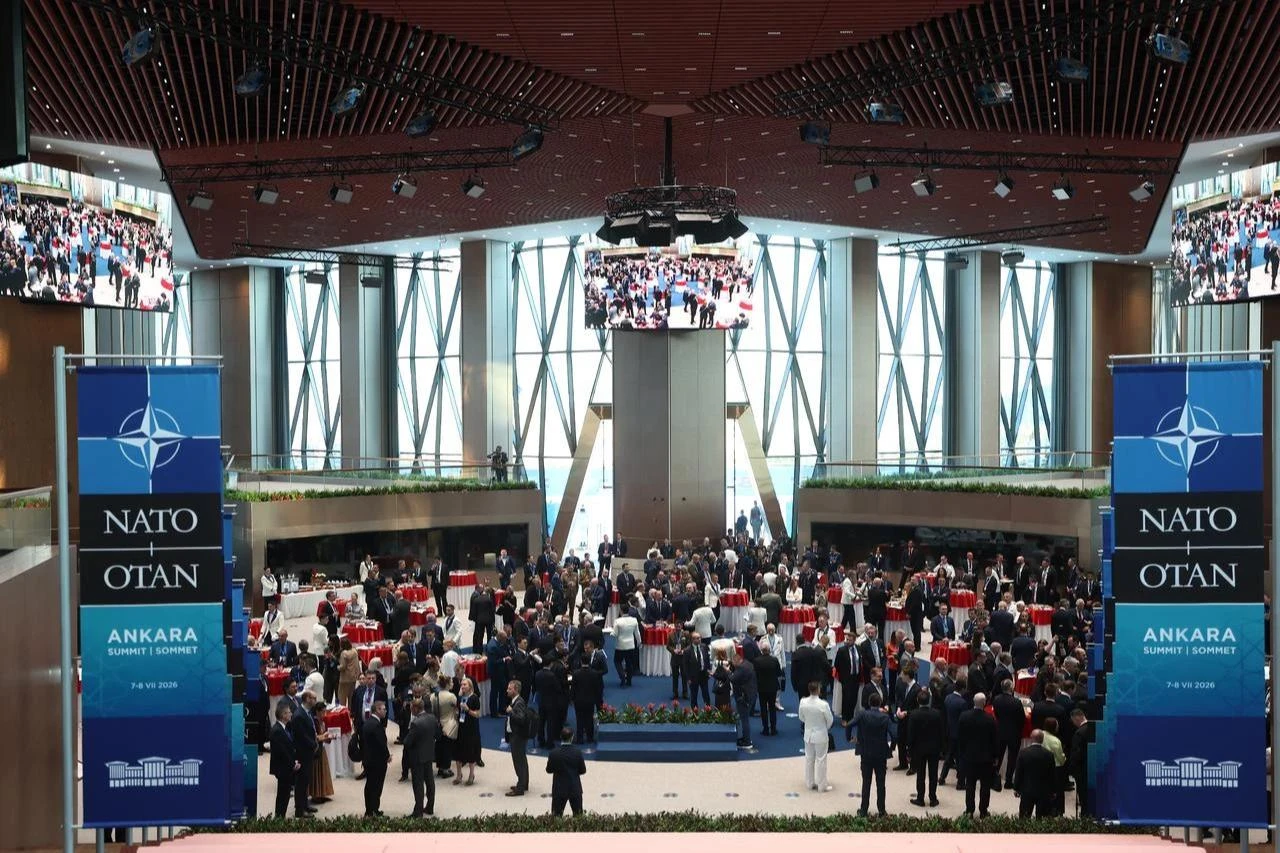
These developments reinforce the European perception of Russia as an enemy and a threat—a view that predates the current war and will not end with it. There has always been a conviction that a strong Russia is dangerous, and a weak Russia is equally so. This grim saying, in the context of the Ukrainian war, means that if Russia wins, it will not stop; if it is defeated, its main goal will be revenge.
This also means that emphasizing Russia’s financial or economic difficulties, or its inability to secure oil supplies, offers little reassurance. A country that has been at war since 2022 is unlikely to admit defeat or surrender easily.
This is not merely the view of pessimists. It is a firmly held belief reflected in European security strategies and official statements. The Dutch defense minister, for example, recently said she had evidence that Russia would begin attacking Europe as soon as the war in Ukraine ends.
Lithuania also feels threatened. The country has accused Russia of using its Russian-speaking minority to infiltrate and destabilize the country—sometimes by trying to win them over, sometimes by exploiting their grievances about cultural discrimination.
Lithuania takes this seriously, knowing that “protecting Russian minorities” was one of the pretexts Russia used to justify its war against Ukraine.
All of this heightens Polish concerns amid an ambiguous American position. Poles find themselves facing two problems: not all their European partners agree on viewing Russia as an existential threat; some elites even call for normalization and partnership.
At the same time, it is difficult to imagine an America that wants to withdraw troops from Europe arguing that it should not bear the cost of defending a continent unwilling to increase its own defense spending, rushing to intervene if matters escalate, especially given Trump’s relatively cordial relationship with the Russian president.
Europeans increasingly realize that reliance on the United States and Article 5 of the NATO treaty (collective defense) may be overstated. Experts explain that invoking Article 5 requires meetings, voting, and collective conviction; it does not automatically oblige every member to intervene militarily.
This reality reminds us that even with Article 5 in place, no country can be legally forced into direct military participation.
The United States, which previously demanded solidarity in its “war on terror” without seeking permission, could, if it wished, avoid involvement without violating any legal obligation.


 Set as preferred source
 Set as preferred source


 1 min read
 1 min read