Newsletters


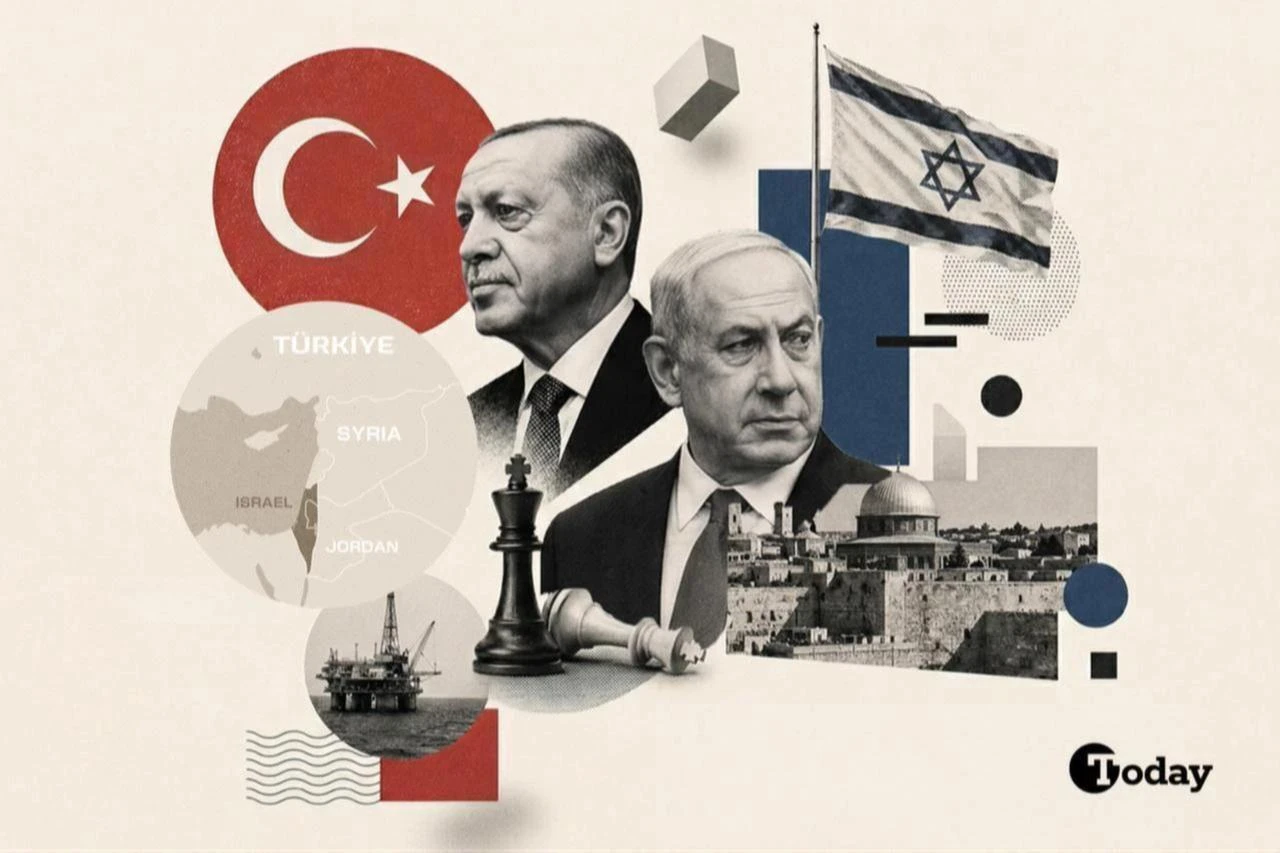


Relations between Israel and Türkiye are at one of their lowest points, and the rhetoric between the two countries continues to escalate.
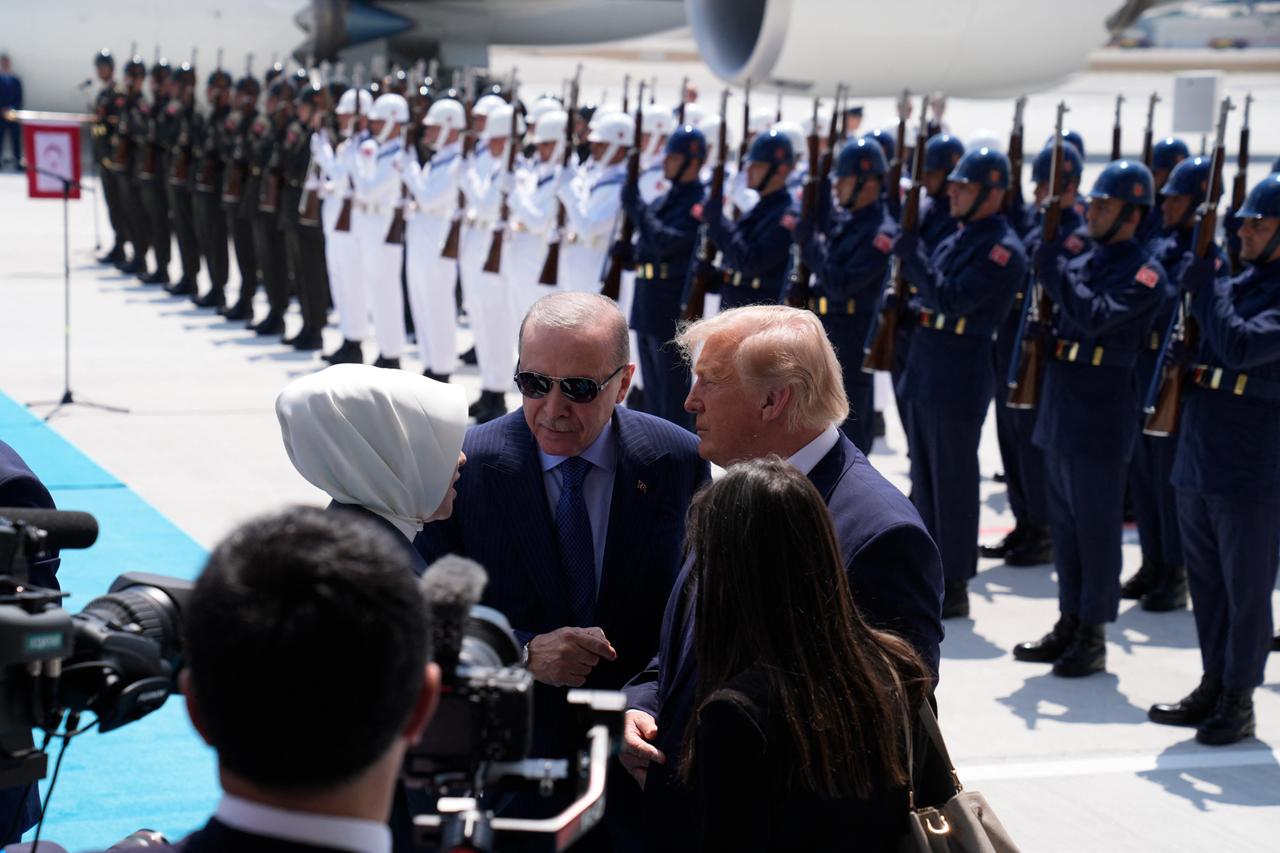
The latest example was during President Trump's visit to Ankara for the NATO Summit.
The American president went out of his way to praise his Turkish host and clearly signaled his intention to lift the sanctions imposed on Ankara following its purchase of Russian S-400 missile defense systems, while also considering the sale of F-35 fighter jets.
Prime Minister Benjamin Netanyahu immediately responded by publicly calling on the president to refrain from supplying these aircraft. The question of providing Türkiye with fifth-generation stealth fighters has effectively placed Israel's Qualitative Military Edge (QME) at the center of Israeli-American strategic discussions—an issue that many argue should be addressed in Washington, rather than in the public arena.
Although relations between Israel and Türkiye had already cooled before Oct. 7, they have deteriorated dramatically over the past two and a half years.
Despite these deepening problems, diplomatic relations have not been severed, even though neither capital currently hosts an ambassador. Moreover, Turkish President Erdogan has consistently signaled that he has no intention of cutting relations altogether.
The central and most pressing question is whether, and how, the current crisis can be contained in order to prevent a direct confrontation due to a miscalculation between the two countries.
Ironically, the close relationship between President Trump and President Erdogan may be one of the strongest safeguards against such a dangerous escalation. While Israel is naturally uncomfortable with this dynamic, it may ultimately help prevent a loss of control, as Trump's influence over both governments remains substantial and highly effective.

 2 min read
The arena with the greatest potential for escalation is, of course, Syria.
For both countries, developments there directly affect core national security interests. From Türkiye's perspective, northern Syria, particularly the Kurdish issue, remains a paramount concern.
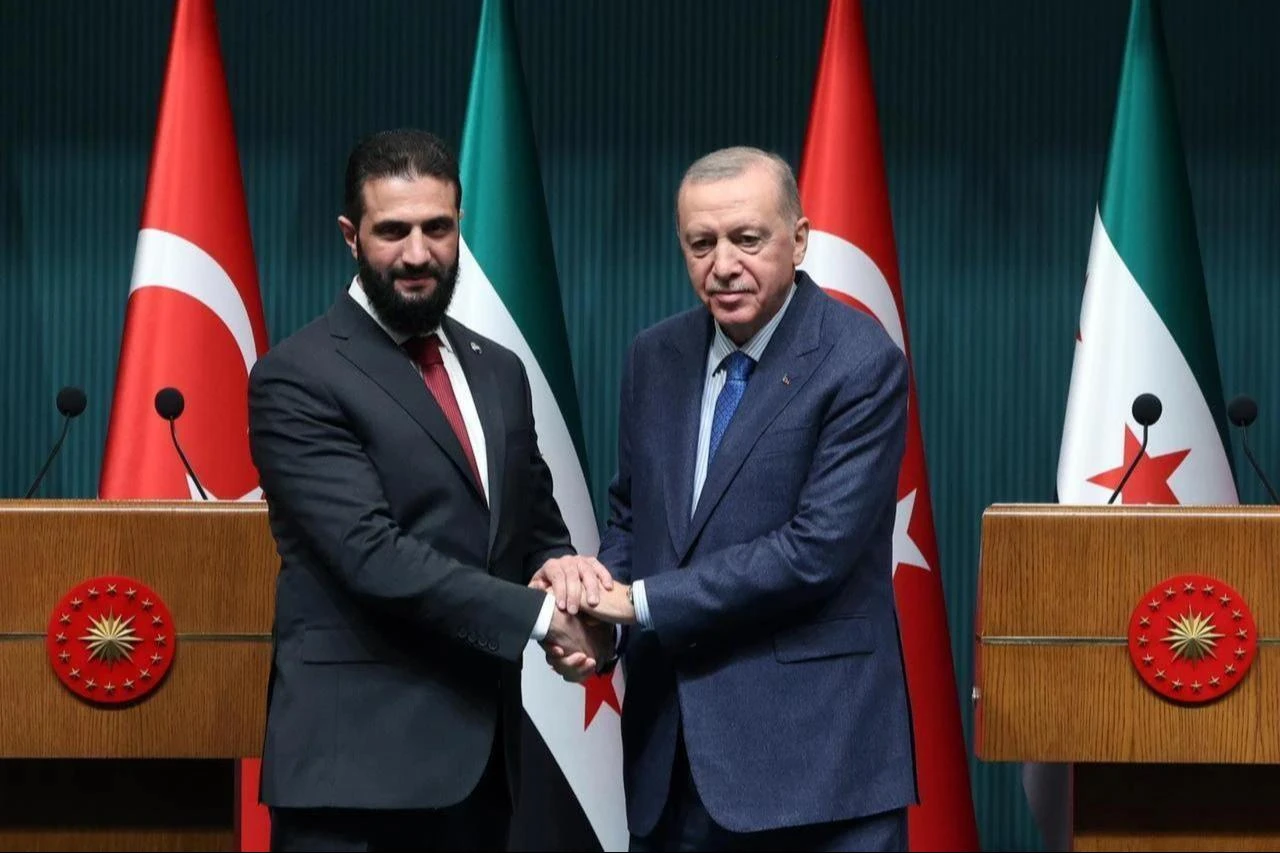
For Israel, southern Syria holds equal strategic importance. The government of Ahmad al-Sharaa represents another point of disagreement, although Israel appears to have gradually adapted to the new reality in Damascus while continuing to harbor serious reservations. Sharaa's relationship with Türkiye and the extent of Ankara's influence over him remain significant concerns in Tel Aviv.
"Under these circumstances, efforts should focus on the Syrian arena by attempting to formulate a set of red lines or mutual understandings that could prevent dangerous miscalculations. Washington should lead both parties toward a discreet dialogue and, if necessary, do so with clear diplomatic resolve. The objective should be to establish a set of agreed principles that represent areas of general consensus between both countries:
These principles are sufficiently broad to allow each side to interpret them as supporting its own interests, yet they offer common ground to safeguard against dangerous misconceptions. Under the current circumstances, especially with approaching elections in Israel and the domestic situation in Türkiye, expectations should remain modest. Harsh rhetoric, particularly regarding the Palestinian issue, is likely to continue.
The purpose of these understandings is not to resolve all disagreements, but to prevent an escalation in Syria, where both nations maintain direct interests and an active presence. Such understandings could remain discreet and informal, perhaps in the form of a non-paper. This approach would significantly reduce the risk of miscalculation while demonstrating the United States' capacity to facilitate constructive diplomacy. Launching such a process without delay is, therefore, of critical importance.


 Set as preferred source
 Set as preferred source


 1 min read