Newsletters


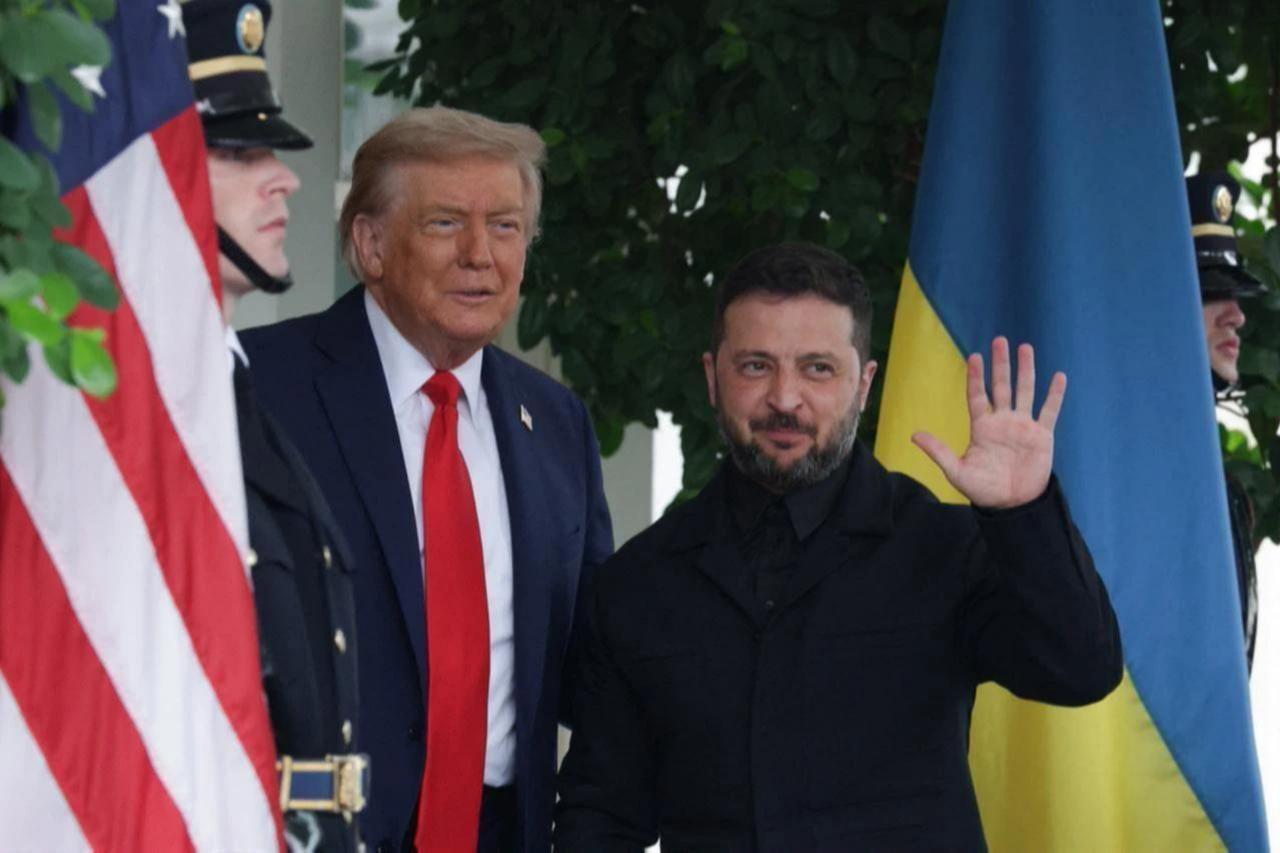


The Trump administration is quietly turning the page on its Ukraine strategy, shifting away from the role of a detached mediator toward a more direct line of support for Kyiv.
This shift has been shaped by Ukraine’s continued and effective resistance to Russian aggression, as well as by Moscow’s refusal to take meaningful steps toward de-escalation and its ongoing efforts to prolong the war.
As the war drags on by Russia's own design, this week's NATO Leaders Summit in Ankara emerges as a critical arena—a place where allies must lock in a bulletproof, long-term consensus on supporting Ukraine.
The key security outcome should be a clear political and financial commitment—including targeted grants and defense funds—to support joint military-technical projects.
Such an approach would allow NATO’s technological capabilities to be combined with Ukraine’s real battlefield experience, creating a stronger defense-industrial foundation for stability and security in Europe and the Black Sea region.

The dynamics of the war have demonstrated that restrictions on Ukraine’s use of Western long-range weapons against military targets inside Russia have not contributed to de-escalation.
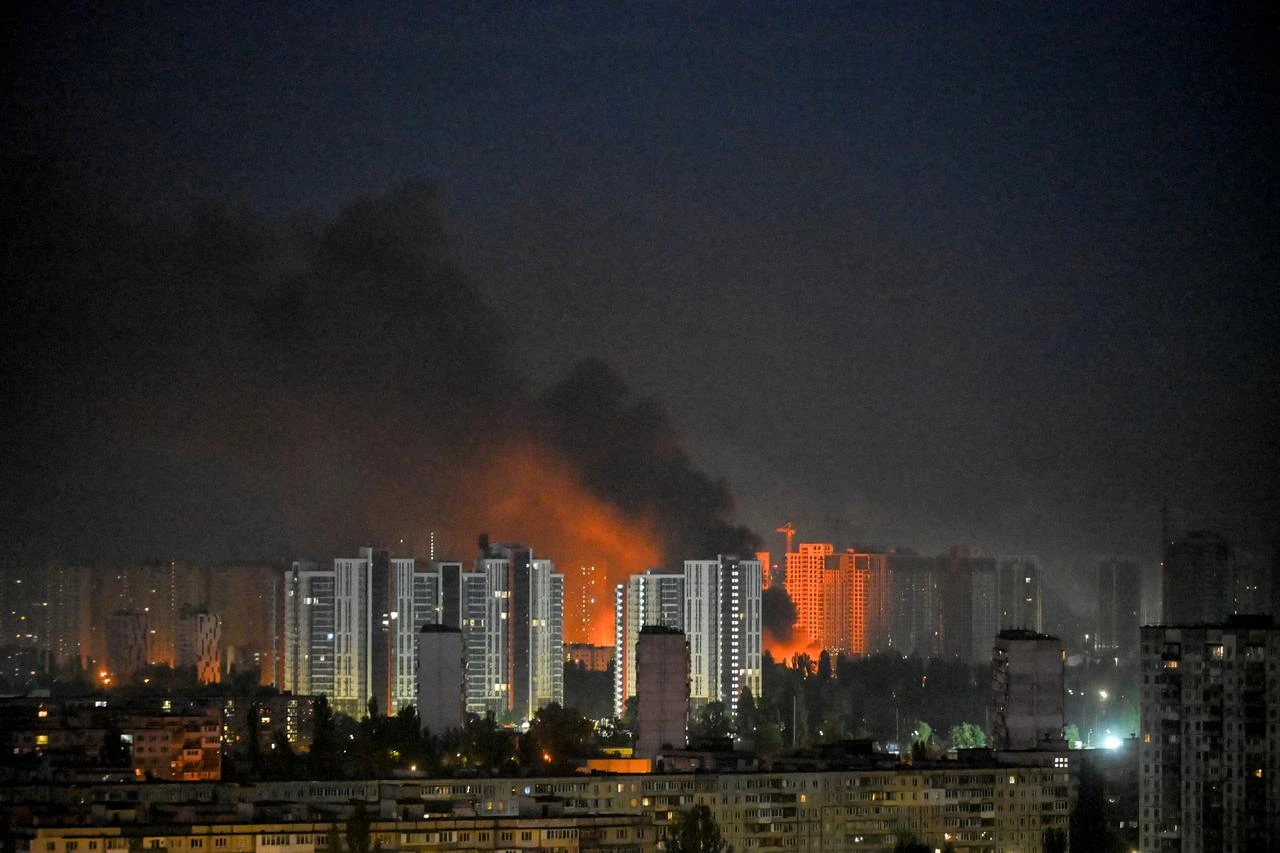
Instead, such limitations have prolonged the conflict, enabled continued attacks on Ukraine’s civilian and critical infrastructure, and resulted in additional civilian casualties.
Allowing Ukraine to strike legitimate military targets deep within Russian territory is essential not only for strengthening its defense capabilities but also for degrading Russia’s offensive potential by disrupting logistics, military infrastructure, and the production and replenishment of weapons.
Ukraine’s long-range missile and drone strikes against Russian oil refineries, tactical aviation bases, and defense-industrial facilities have demonstrated significant operational effectiveness.
These operations have shown that Ukraine is capable of imposing substantial costs on a militarily superior adversary. They also reinforce the strategic value of continued NATO investment in precision long-range strike capabilities and next-generation defense technologies.
The war has further highlighted the need to rethink many of NATO’s traditional defense doctrines. Modern warfare increasingly favors technologically advanced forces capable of integrating unmanned systems, electronic warfare, advanced air defense, precision long-range fires, and highly mobile units operating through decentralized command structures.
Ukraine has demonstrated that this combination enables a smaller force to offset Russia’s numerical advantages in personnel and heavy equipment.
Ukraine should therefore be viewed not only as a recipient of Western military assistance but also as one of NATO’s leading sources of defense innovation.
Ukrainian experience in the operational use of aerial and maritime drones, robotic ground systems, and digital command-and-control technologies provides valuable lessons that can contribute directly to the Alliance’s ongoing military transformation.
One of the clearest examples is the successful deployment of Ukrainian maritime strike drones, which forced the Russian Navy to withdraw much of its Black Sea fleet from occupied Crimea and relocate remaining assets to Novorossiysk.
This significantly weakened Russia’s ability to impose a naval blockade on Ukraine. For Black Sea states, reducing Russia’s military dominance in the region remains a prerequisite for safeguarding freedom of navigation, regional security, and global food supply chains.
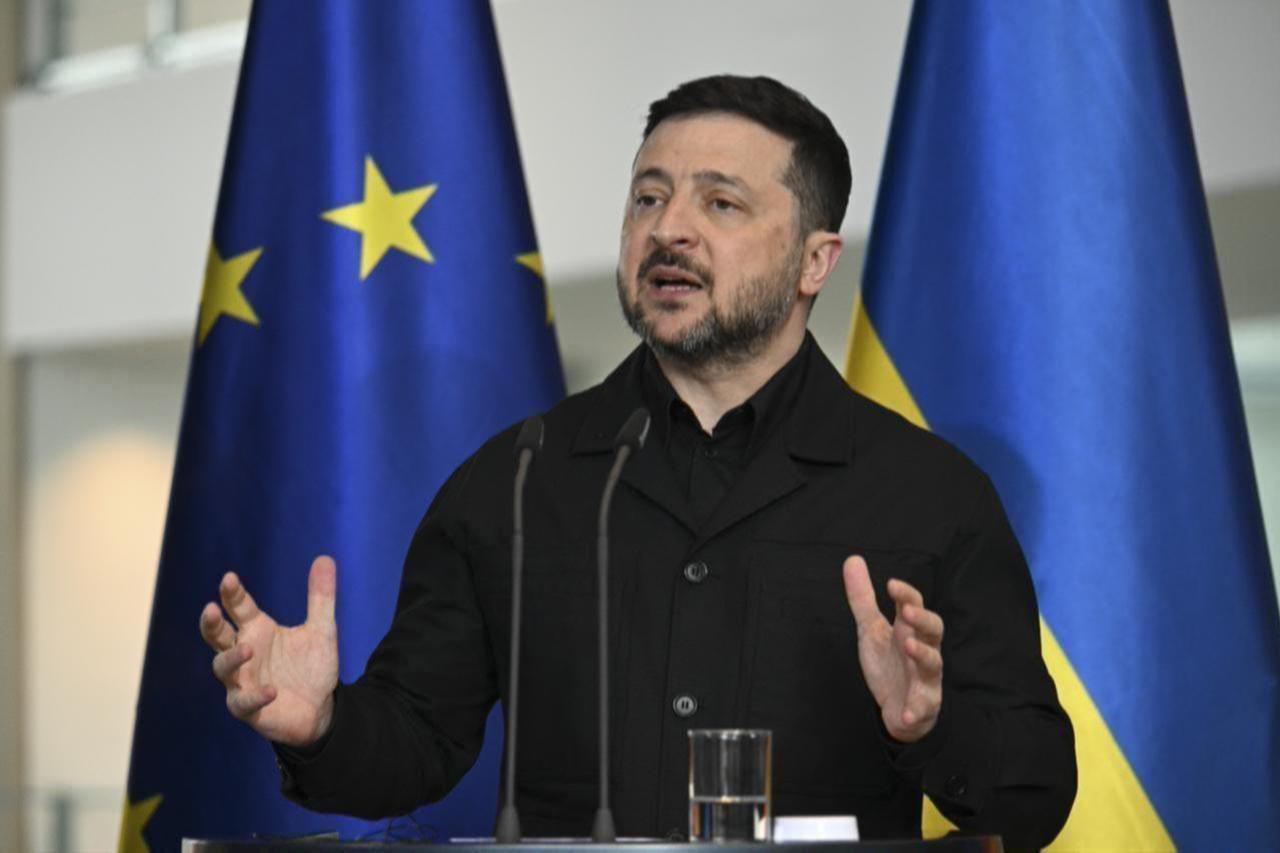
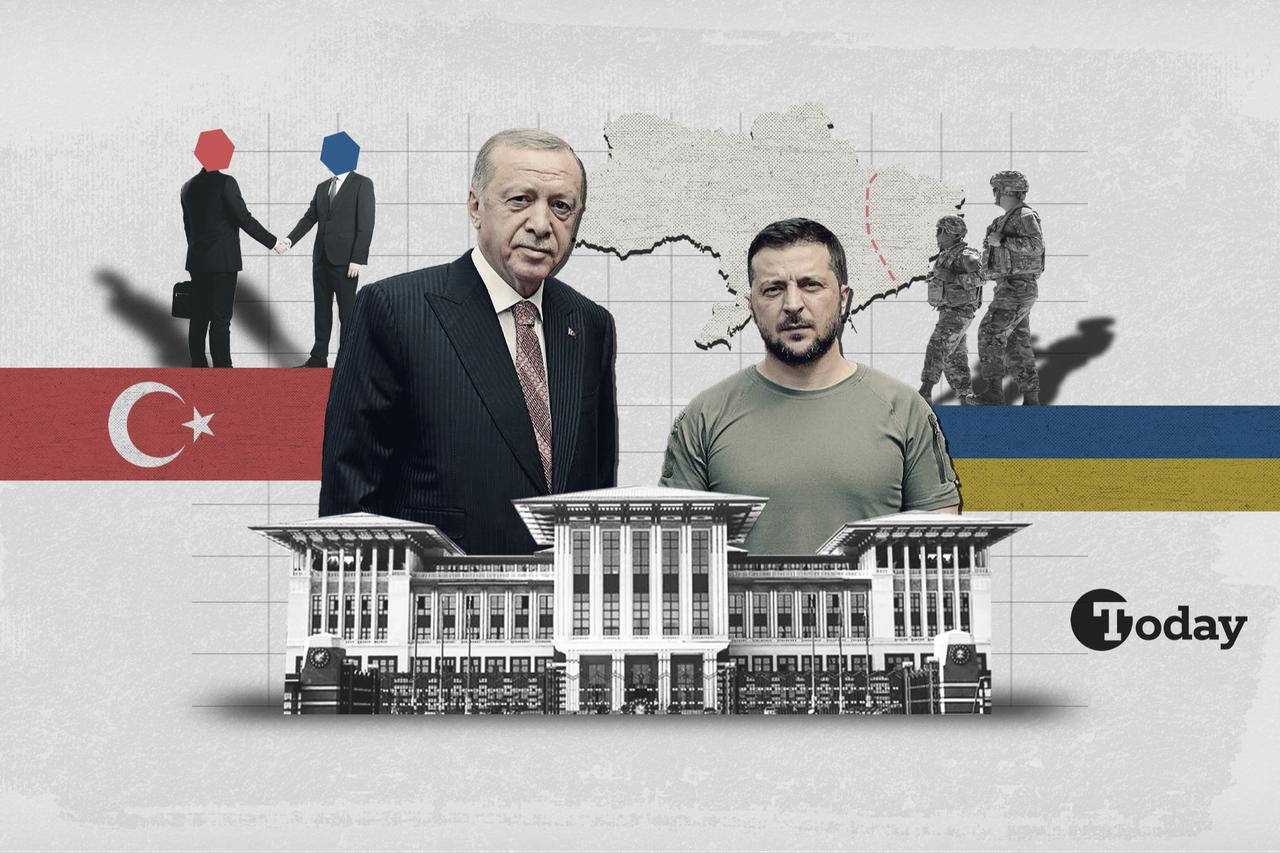
The existing defense-industrial partnership between Türkiye and Ukraine—including joint projects such as the construction of Ada-class corvettes and the integration of Ukrainian engines into Turkish unmanned aerial systems and helicopters—demonstrates considerable potential for further cooperation.
Beyond industrial collaboration, this partnership provides the Turkish defense sector with access to technologies and operational expertise that have been validated under conditions of high-intensity warfare.
Combining Türkiye’s advanced manufacturing capabilities with Ukraine’s expertise in drone software, electronic warfare (EW), and counter-EW technologies could enable the development of a new generation of defense systems.
Such cooperation would strengthen NATO’s technological edge at a time when authoritarian states are increasingly coordinating their military capabilities and defense industries.
In the current geopolitical environment, Ankara cannot afford to remain on the sidelines while the United States and its European allies shape a new Euro-Atlantic security architecture centered on Ukraine.
An active Turkish role at the NATO summit would ensure that Türkiye retains influence in this process and reinforces its position as a key regional security actor.
The policy of strategic neutrality has become increasingly difficult to sustain under present conditions.
Prolonged hesitation risks leaving Türkiye behind in the accelerating defense-technology race while weakening its strategic leverage with the United States, NATO allies, and partners across the Global South.


 Set as preferred source
 Set as preferred source


 1 min read
 1 min read