Newsletters


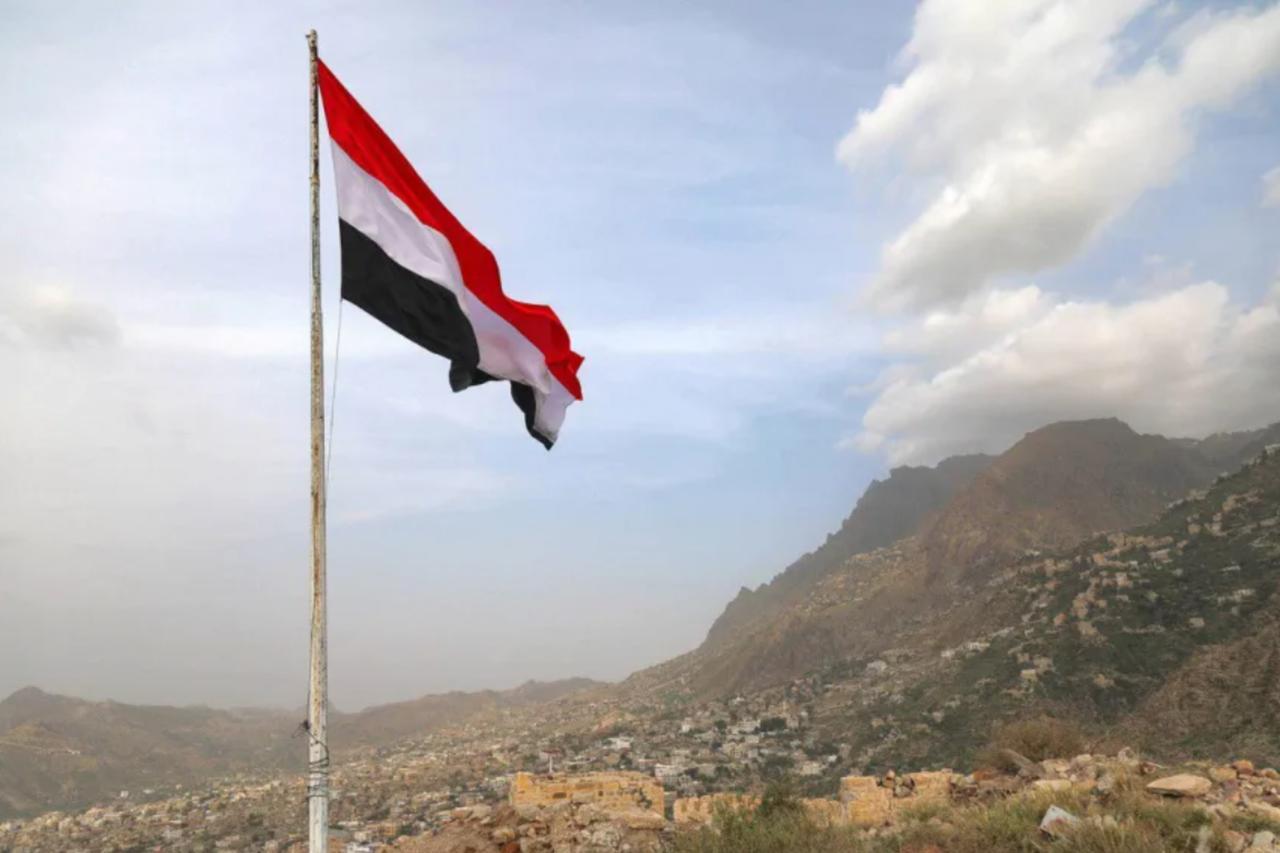


Regional power dynamics in the Arabian Peninsula often shift gradually and largely out of public view until accumulated movement produces a discernible change in the strategic landscape.
Just like how the dunes are in constant motion. What appears still is steadily reshaped by wind, grain by grain, into new contours.
For years, the war in Yemen has been framed as a largely fixed equation: a proxy contest entrenched in stalemate, a humanitarian emergency intensified by external intervention, and a national geography fragmented by overlapping regional agendas.
By the end of 2025, however, a structural shift had taken shape. It was neither a gale from the West nor a whisper from distant capitals. Rather, it was a regional storm forged in the strategic laboratories of Riyadh and reinforced by Ankara’s industrial capabilities. The geopolitical table was not simply overturned; it was rebuilt.


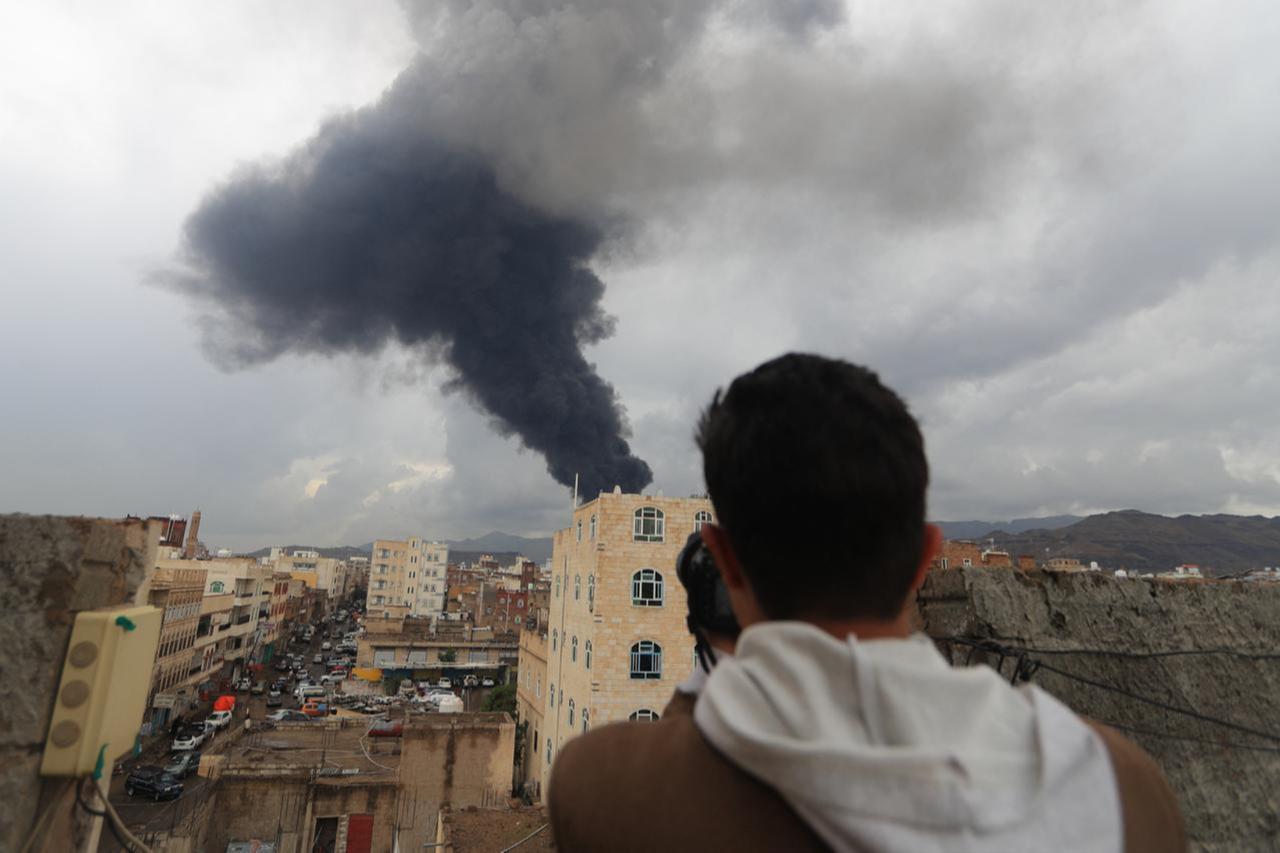
Mukalla, the strategic hub of Yemen’s Hadramaut coast, awoke to a sound that signaled a decisive change in the regional order. It was not the rhythm of the Arabian Sea but the precise impact of a targeted military strike.
At the city’s port, a shipment containing advanced communication systems, specialized drone components, and logistical equipment, linked to the Southern Transitional Council (STC), was neutralized.
The cargo was intended to tighten a nonstate hold over Yemen’s eastern gateways. The Saudi Royal Air Force operation amounted to a clear message of sovereign intent.
As smoke rose above the docks, the era of “strategic ambiguity,” which had allowed coalition partners to act as de facto rivals, effectively came to an end. Riyadh signaled that regional stability would no longer be built on concessions to secessionist militias.

In Riyadh, the political mood shifted toward measured decisiveness. Saudi Defense Minister Prince Khalid bin Salman advanced the view that a unified, sovereign Yemen is indispensable to the kingdom’s national security and cast Rashad al-Alimi, chairman of the Presidential Leadership Council (PLC), as the principal instrument of that policy.
Backed by Saudi diplomatic and military weight, Alimi moved to consolidate authority, describing the steps as a “Storm of Decisions,” including a 90-day state of emergency, annulment of parallel agreements, and an ultimatum to integrate militias into state structures.
Yemen’s current map resembles a fractured mirror reflecting competing interests. In the north, the Houthi movement controls the highlands and the country’s demographic core.
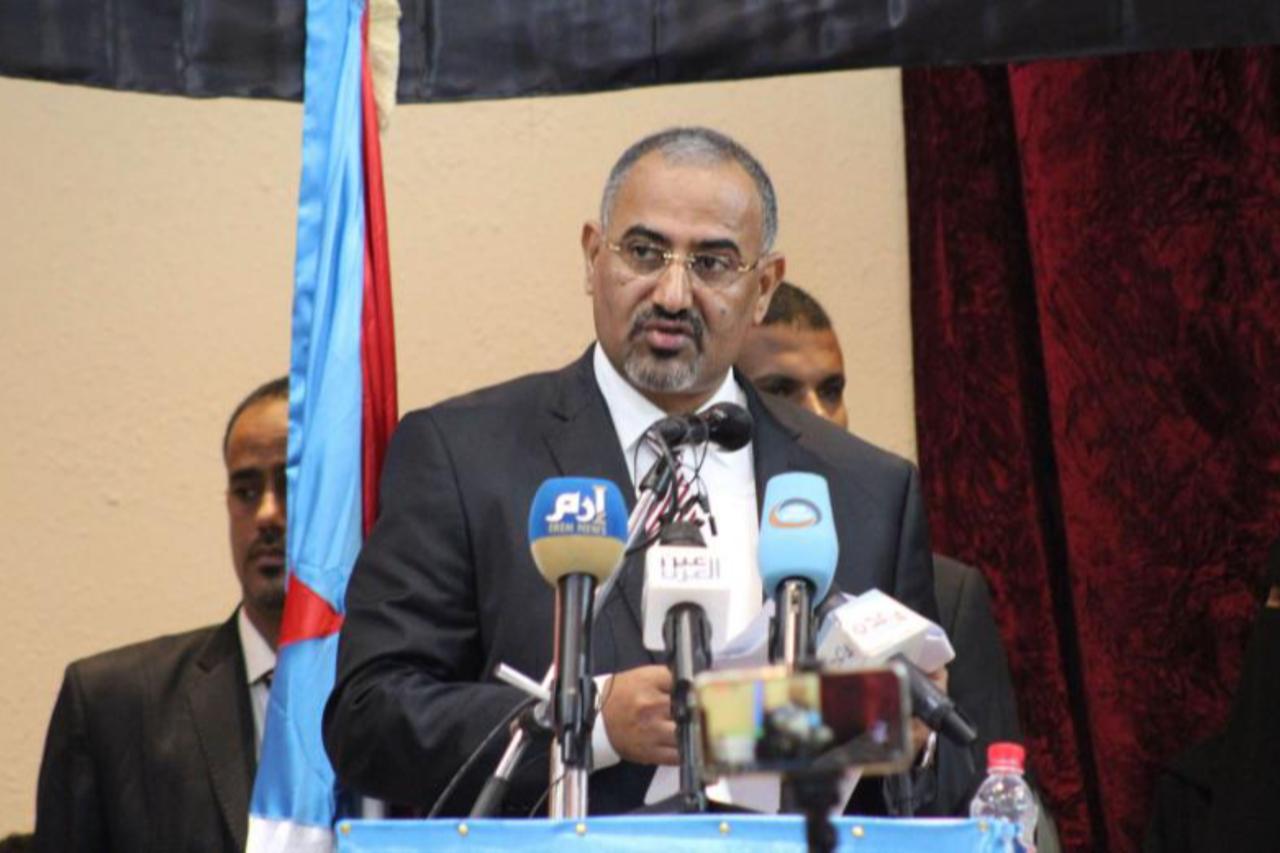
In the south and east, the STC has sought to revive a post-colonial state project, with Aden as its provisional capital.
The council’s advance into Hadramaut and Mahra, however, proved a strategic overreach. Hadramaut is Yemen’s economic lung.
Mahra is the critical corridor for a prospective Saudi pipeline to the Arabian Sea, a route bypassing the increasingly volatile Strait of Hormuz.
Saudi Arabia concluded that a divided camp cannot withstand Houthi pressure. Unifying the anti-Houthi front thus evolved from a recommendation to a regional imperative.
Seeking a partner to realize this strategic realignment, Saudi leadership turned to Türkiye. Relations between Crown Prince Mohammed bin Salman and President Recep Tayyip Erdogan have shifted from cautious de-confliction to an overt strategic partnership.
Turkish defense technology, most notably the Baykar Akinci unmanned combat aerial vehicle (UCAV), served as a catalyst. These “steel birds” provided high-altitude surveillance and long-range strike capabilities, granting the Saudi-backed Yemeni government greater technological autonomy.
The Saudi-Turkish axis promotes a “third way,” centered on state-building, maritime security in the Red Sea, and the broader “Blue Homeland” doctrine of regional stability.
The contest for Hadramaut and Mahra is fundamentally a contest over the future of the global energy order. Saudi Vision 2030 requires reducing dependence on the chokepoint of Hormuz.
By reasserting influence in Yemen’s eastern regions, Riyadh is advancing economic sovereignty and dismantling “toll booths” erected by local proxies. For the tribal coalitions of Hadramaut, the offer is explicit: stability and infrastructure in exchange for turning away from secessionist projects.
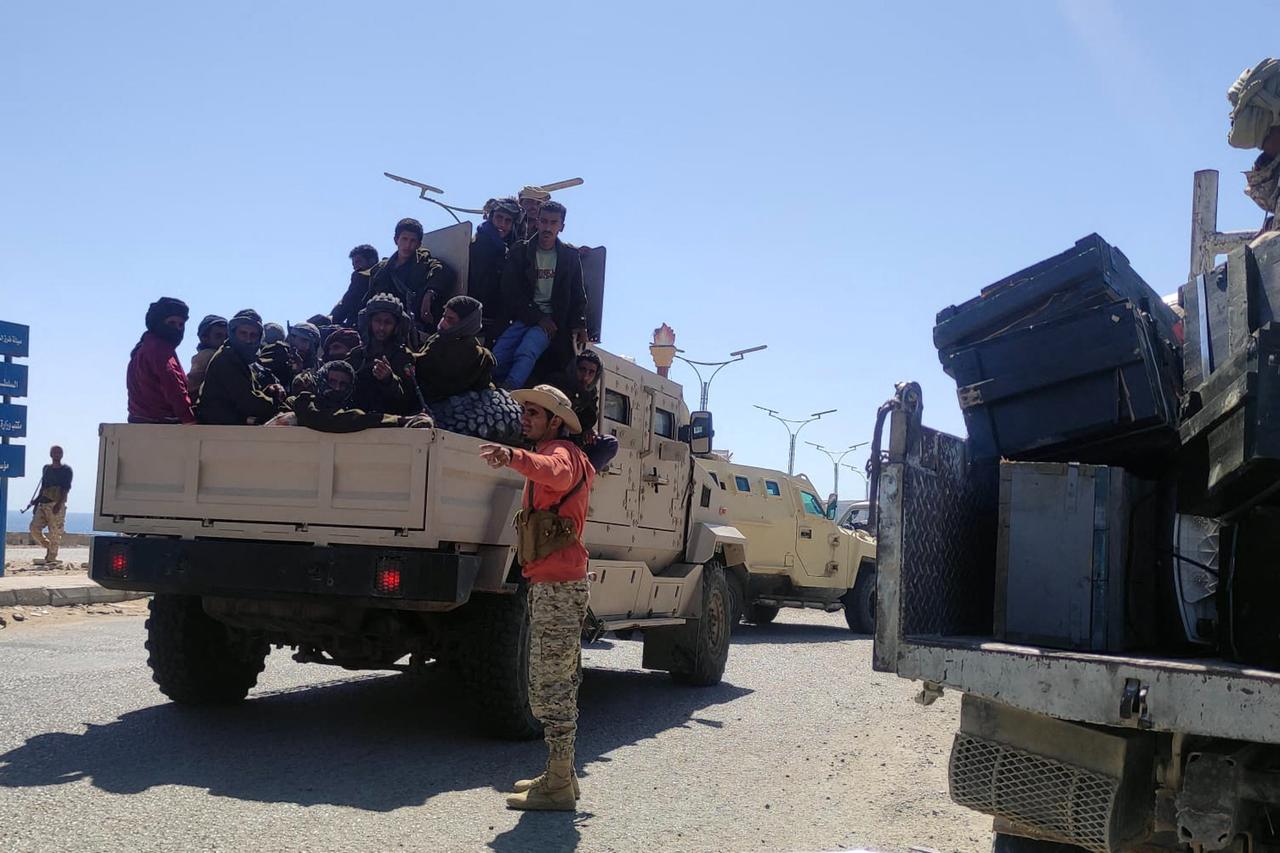
The “purge storm” within PLC institutions marked the end of externally sponsored dual loyalties. The STC’s “Security Belt” forces were presented with a binary choice: professional integration into the national army or obsolescence.
A new Middle East is emerging, shaped not by externally imposed templates but by cooperation between strong, sovereign states. Saudi Arabia contributes strategic depth and economic resources.
Türkiye provides military doctrine and industrial capacity. Together, they are positioning themselves as guardians of order, counterbalancing both Iranian-aligned expansionism and centrifugal separatist forces.
As the sun rises over the Empty Quarter, it shines on a Yemen still scarred but now guided by a unified strategic vision. The table, once cluttered with competing mini-projects, has been cleared.
In its place lies a blueprint for a unified state, a secure maritime corridor, and an energy network capable of powering the coming century.
The message to the international community is unmistakable: The Middle East is no longer a testing ground for external experiments. It now belongs to its peoples and to its guardians. The sands have shifted, and beneath them the foundations of a new, self-determined regional order are being laid.


 Set as preferred source
 Set as preferred source


 1 min read
 1 min read