Newsletters


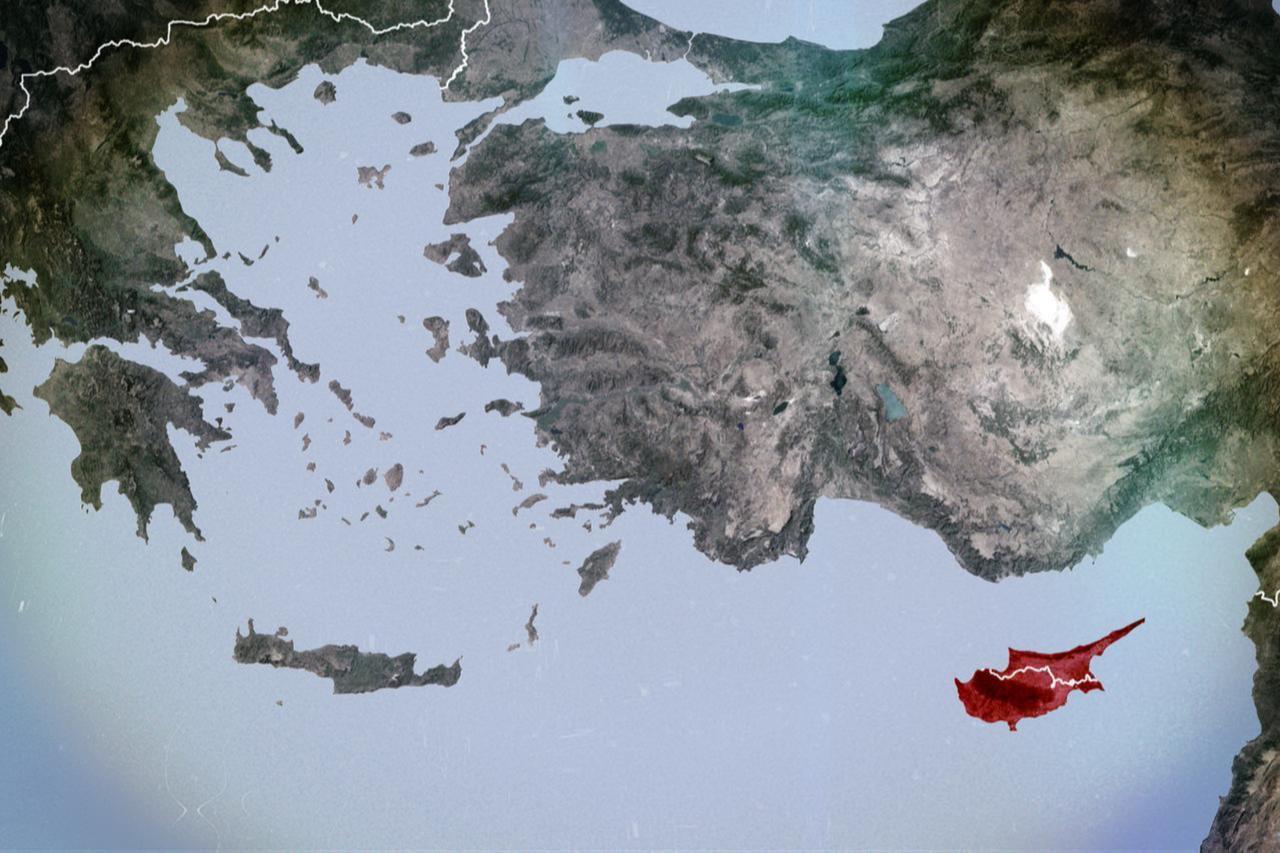


Breaking the deadlock over Cyprus, one of the 20th century's frozen conflicts, requires bold, out-of-the-box thinking. One such solution could involve granting Türkiye a sovereign military base on the island.
The Turkish and Greek communities remain de facto divided since armed inter-communal conflict began in 1963. Turkiye intervened in 1974 after a coup, aiming to unite the island with Greece. Since then, Turkish forces have controlled roughly 36% of the territory. There have been dozens of initiatives and rounds of talks leading to hundreds of meetings between the communities to no avail. There have been a few hopeful moments on the way.
In 2004, a peace plan put forward by then-U.N. Secretary-General Kofi Annan was put to a simultaneous referendum on both sides. While Turkish Cypriots overwhelmingly approved the plan, Greek Cypriots rejected it by a decisive majority. That same year, the Greek Cypriot-led Republic of Cyprus was admitted into the European Union.
This has actively hindered a solution; as fully recognized EU members, Greek Cypriots now have little incentive to compromise, choosing instead to play a long waiting game from their geopolitical comfort zone.
Consequently, few on the island today remember a time when the two communities coexisted side by side, and the psychological divide has only deepened with each passing decade.
At this point, both sides need to think out of the box to reach a settlement. Clinging to traditional positions has led to repeated failures, signaling that the entire negotiation framework needs to be reexamined. Simply confining the process to diplomatic negotiations has yielded little progress. Instead, the focus should shift toward concrete confidence-building measures that can create the necessary goodwill to facilitate a lasting political solution.
While these various models are too complex to unpack within the limits of a single op-ed, there is one arguably outside-the-box idea worth exploring. Granting Türkiye a sovereign military base on the island could provide the strategic leverage needed to unlock breakthroughs in other stuck dossiers, potentially paving the way to a final settlement.
The reasoning behind this is simple.
As a minority, security is the single most important issue for the Turkish Cypriot community. For Turkish Cypriots, political security can be achieved through an equal status with Greek Cypriots. In terms of military security, the 1960 treaties had placed a symbolic but still substantial Turkish and Greek military presence in the island, as well as designating Turkiye, Greece and the U.K. as guarantors of the Cypriot constitution. A new settlement on the island will have to provide a new framework to address the security concerns of Turkish Cypriots.
Secondly, addressing Turkiye’s security concerns would increase stability and cooperation in the East Mediterranean. Cyprus sits right under Türkiye’s belly across the Gulf of Iskenderun, home to a critical Turkish seaport. When one looks at the map, they can see that the passage between Türkiye and the island of Cyprus is Türkiye’s only safe access to the open seas.
Therefore, geostrategically, Türkiye is highly sensitive to any potential threat to itself from Cyprus. If Turkish Cypriot Community’s and Türkiye’s security concerns are addressed, it can lead to a lasting settlement in the island and possibly across the East Mediterranean. I believe a settlement in Cyprus would help settle issues between Turkiye and Greece as well by addressing Turkiye’s strategic concerns.
This preposition might sound quite unacceptable to the Greek Cypriots. It should be noted that there is already a movement in Cyprus that demands the closure of the British bases.
Incorporating the British bases into a wider arrangement could offer a mutually beneficial path forward. The U.K. already maintains two sovereign base areas in the Greek Cypriot south, Akrotiri and Dhekelia. As part of a comprehensive deal, London could agree to reduce the footprint of these bases, which currently span 254 square kilometers.
Since these British bases are located in the south, the Greek Cypriot component would absorb this returned territory, expanding its overall land area. Meanwhile, the new Turkish base would be situated within the Turkish Cypriot component, leaving Greek Cypriot territory unaffected. In terms of sheer acreage, the Greek Cypriots could emerge as net gainers.
Under this formula, the combined total area of both British and Turkish bases could be capped at—or even reduced below—the current footprint of foreign bases on the island. Once these fundamentals are agreed upon, the remaining technical issues could readily be resolved.
With these security arrangements locked in, Ankara and the Turkish Cypriots could find the strategic flexibility needed to accept other demands by the Greek side, such as political veto powers or property issues.
This proposal is certainly not the only path forward, but it represents the kind of bold, disruptive thinking required to shatter the decadeslong deadlock.
Cyprus may be a small island, but like any global conflict, resolving it demands that all sides take truly big steps.


 Set as preferred source
 Set as preferred source


 2 min read
 1 min read