Newsletters


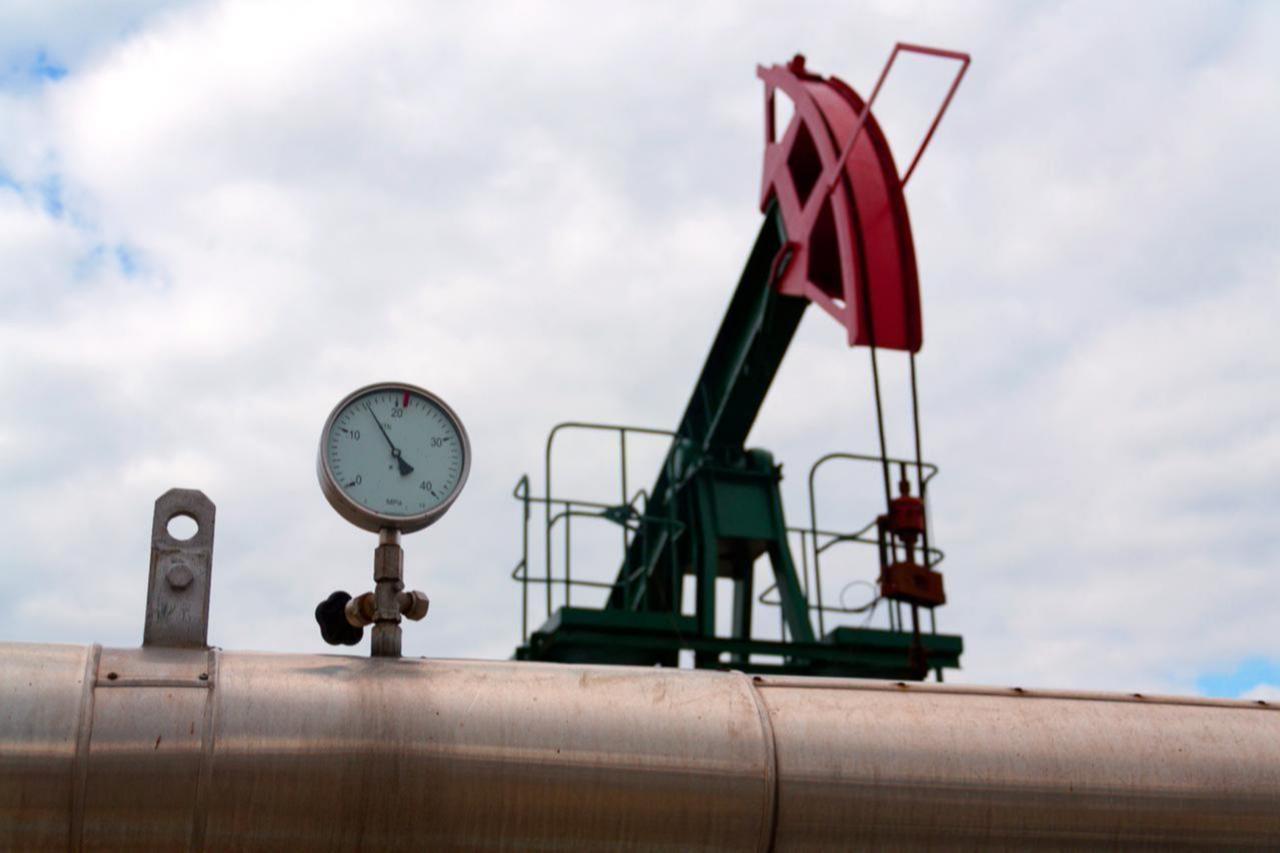


Thirty-four kilometers.
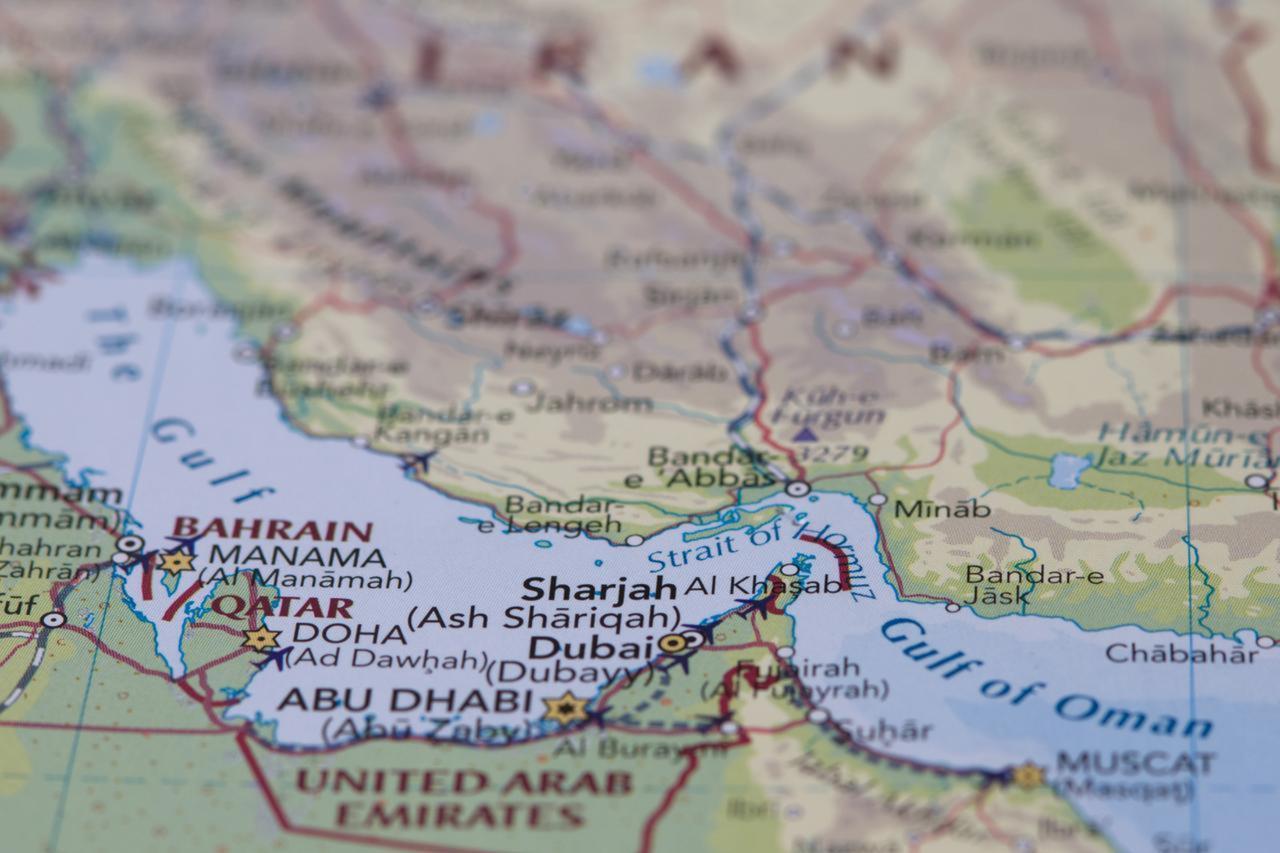
That is the width of the Strait of Hormuz at its narrowest point.
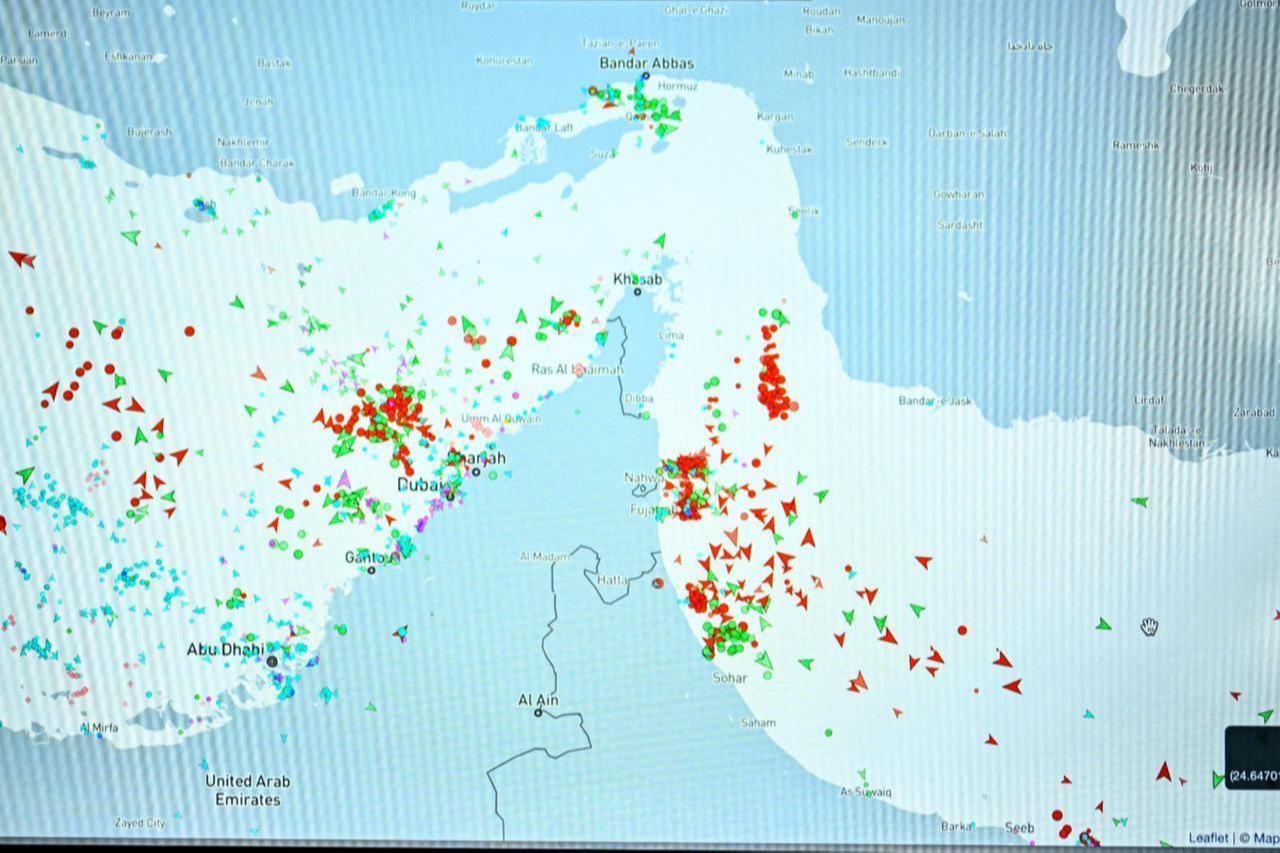
Around 20% of the oil transported by sea globally flows through this narrow passage every day—or, rather, no longer does.
This strait, which effectively closed in March 2026, has suddenly upended the energy security of dozens of countries, global price balances, and regional alliance calculations.
As crude oil prices soared from around $70 to $120, Europe’s benchmark natural gas contracts on the Dutch Title Transfer Facility (TTF) Hub also rose from around €30 to the €60-70 range.
Global energy markets are being shaken by a shockwave unseen in decades.
It is precisely in the middle of this situation that Türkiye has found itself at the center of both opportunity and challenge.
Ankara’s successive proposals for three major pipeline projects, the rhetoric of a “new energy architecture” at the Antalya Diplomacy Forum, and International Energy Agency (IEA) Executive Director Fatih Birol’s explicit support for the Basra-Ceyhan pipeline all demonstrate Türkiye’s determination to turn this crisis into a strategic leap forward.

Türkiye’s ambition to become an energy hub is, in fact, nothing new.
Projects languishing for years at the negotiating table, once dismissed as fanciful, suddenly became concrete policy under the pressure of the Hormuz crisis.
The three main routes proposed by Ankara should be understood precisely within this context.
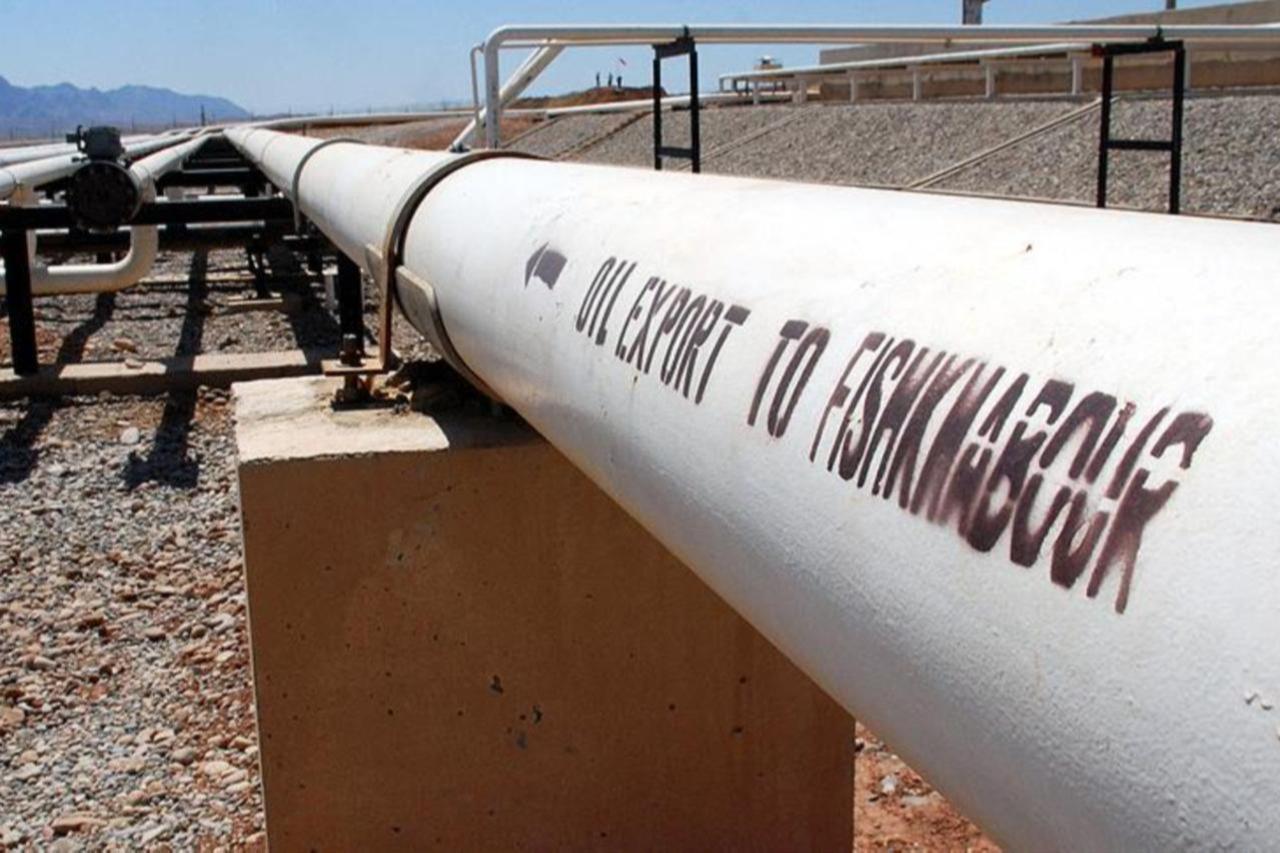
The first of these is the Basra-Adana oil pipeline.
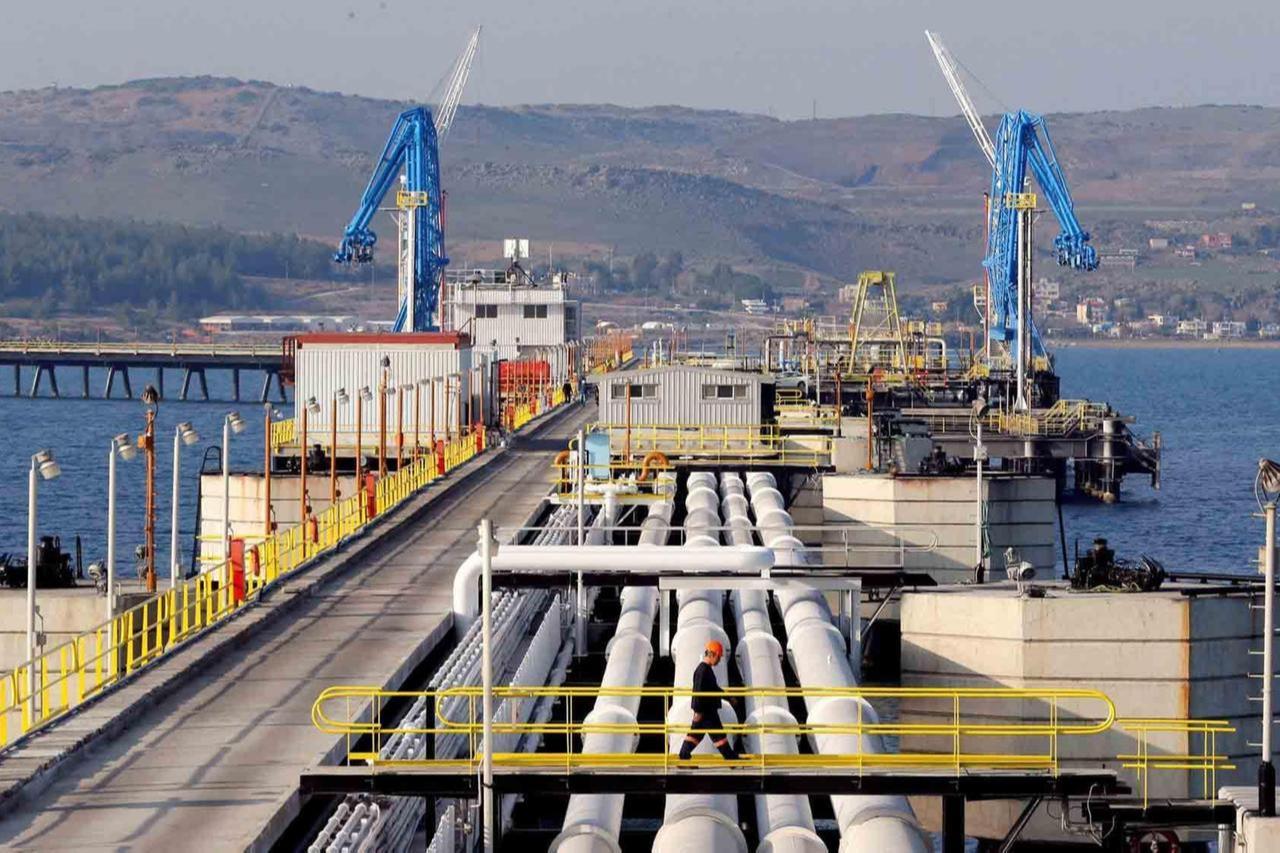
The Kirkuk-Yumurtalik pipeline, which has been operational since 1976, has a capacity of 1.5 million barrels per day; Ankara advocates extending this pipeline to Basra.
Approximately 90% of Iraq’s oil revenues come from the Basra region in the south, and with the closure of the strait, these revenues have effectively ground to a halt.
The Iraqi government requires $6.3 billion in monthly oil revenues; it is estimated that losses in March exceeded $5.5 billion.
These figures clearly demonstrate that, from Baghdad’s perspective, the project has ceased to be a political choice and has become an economic necessity.
Indeed, Birol also emphasized that the Basra-Ceyhan pipeline would be an extremely attractive and important project from the perspectives of Iraq, Türkiye and Europe alike and that the financing issue could be overcome.
Such a pipeline, which would strengthen the Ceyhan terminal, would permanently elevate Türkiye to a strategic position in Europe’s energy security equation.
The second project is the Qatar-Türkiye natural gas pipeline.
This pipeline, which is planned to pass through Saudi Arabia, Jordan and Syria, requires a cost of approximately 15 billion dollars or more; it is 1,500 kilometers (932.05 miles) long and crosses the borders of multiple countries.
Although Qatar is one of the world’s largest liquified natural gas (LNG) exporters, it has no alternative route should the Strait of Hormuz be closed.
Following the attack on Iran’s facilities, Italy, Belgium, South Korea and China were forced to invoke force majeure on some long-term LNG contracts.
This development transforms the pipeline from a purely economic option into a strategic insurance policy for Qatar.
The third and most challenging proposal involves transporting Turkmenistan’s natural gas via the Caspian Sea to Türkiye and from there to Europe.
With reserves of approximately 50 trillion cubic meters, Turkmenistan possesses the world’s fourth-largest natural gas reserves; the country currently exports the majority of its gas to China.
Ankara has brought this project back to the table, having been unable to resolve it for decades due to the legal status of the Caspian Sea and regional balances.
With a more complex structure than the other two routes, this route requires overcoming both geopolitical and international legal obstacles.
Behind all these projects, however, lies a broader framework.
The “Four Seas Project,” co-led by Türkiye and Syria, aims to link the Caspian Sea to the Mediterranean while extending to the Gulf and the Red Sea via regional transport links.
This vision seeks to go beyond individual pipelines, transforming Türkiye into a comprehensive energy corridor.
The “Development Corridor Project” agreement signed by Iraq, Türkiye, Qatar and the UAE in April 2024 is also part of this broader picture: the project, which envisages connecting to European markets via road and rail infrastructure stretching from Basra to Türkiye, is expected to see its first phase implemented by 2028 at a projected cost of over 24 billion dollars.
Existing infrastructure data also confirms that this claim is not merely abstract rhetoric.
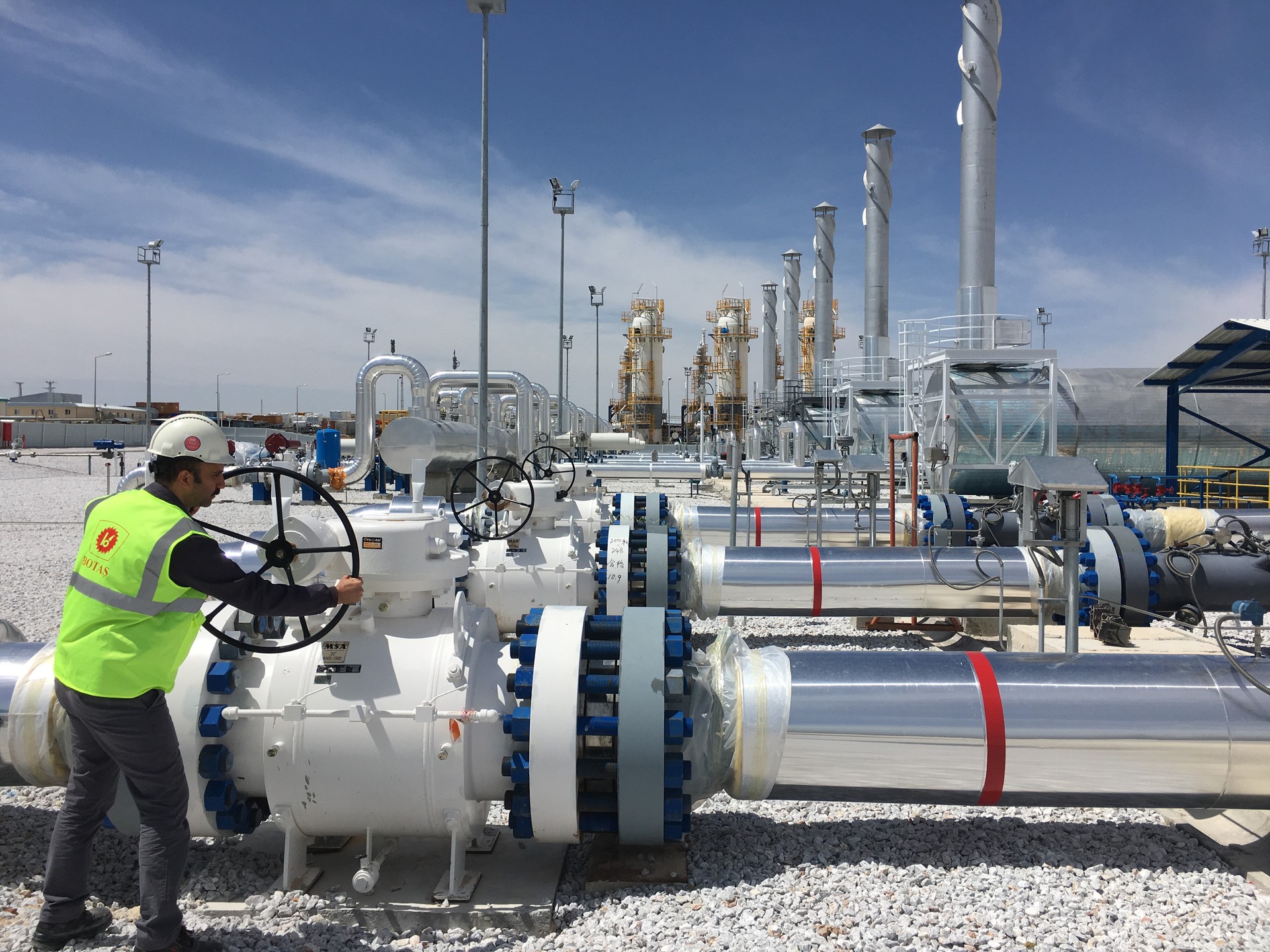
Approximately 3.5 million barrels of oil pass through the straits daily; the Baku-Ceyhan pipeline has a transport capacity of up to 1.2 million barrels per day.
Furthermore, by March 2026, flows through the TurkStream pipeline had increased by 22% year-on-year, rising to 55 million cubic meters per day.
These figures clearly demonstrate how Türkiye’s existing infrastructure has managed to scale up even in a crisis environment.
Türkiye’s geopolitical positioning offers compelling arguments.
Both its energy infrastructure and diplomatic manoeuvrability, as well as the structural vacuum revealed by the Strait of Hormuz crisis, are strengthening Ankara’s hand.
The presence of 150 countries at the Antalya Diplomacy Forum, all prioritizing the common corridor, indicates that this claim is no longer merely Ankara’s own rhetoric.
However, the picture is not solely one of opportunities; the constraints are just as real and just as complex.
For the Basra pipeline, Iraq must simultaneously secure both the financing and the political coordination between the south and the north.
Iraq currently lacks the financial capacity to cover the billions of dollars required for this pipeline; moreover, due to its fragmented political structure, the project will remain vulnerable to pressure from armed groups and political bargaining.
The Qatar pipeline, however, presents a completely different dilemma:
This project would require Qatar to sacrifice the global flexibility provided by its LNG system, for the pipeline ties the gas to a single corridor, thereby significantly restricting access to the spot market.
It is also worth recalling in this context that Doha explicitly stated in January 2025 that it was taking a cautious approach to the project.
Experts have already described this project as “technically feasible but economically and politically fragile”; guaranteeing a stable gas flow for decades amounts to a high-risk geopolitical commitment in its own right.
Furthermore, the fact that Türkiye finds itself in a position where it is both capitalizing on the opportunity and bearing the cost of the crisis cannot be overlooked.
Every $1 jump in oil prices adds $400 million to Türkiye’s energy bill. If crude climbs from $60 to $100 and stays there through year-end, the burden on state support programs could skyrocket from a projected ₺305 billion to a staggering ₺925 billion in 2026.
These figures highlight just how fragile the domestic economic foundation is upon which this ambitious foreign policy vision rests.
Türkiye’s ability to act as both a diplomatic mediator and a logistics hub during the Black Sea Grain Initiative provides a precedent suggesting that a similar dynamic could be possible in the energy sector.
However, compared to that process, the timeline for energy infrastructure is much longer, the capital requirements are much greater, and the geopolitical variables are far more complex.
The Hormuz crisis is neither a mere gift nor merely a burden for Türkiye.
This is a pivotal moment where projects once dismissed as “pie-in-the-sky” are gaining political weight, and known opportunities are being transformed into concrete demands.
Ankara is taking this moment seriously; international support and the rapidly established consensus with neighboring countries clearly demonstrate this.
But the answer to whether the pipelines will remain merely on the map lies in whether financing, security, and the interests of each country can be reconciled.
Türkiye is focusing on the right areas.
Now it is time to take the right step.


 Set as preferred source
 Set as preferred source


 1 min read
 1 min read