

 Newsletters


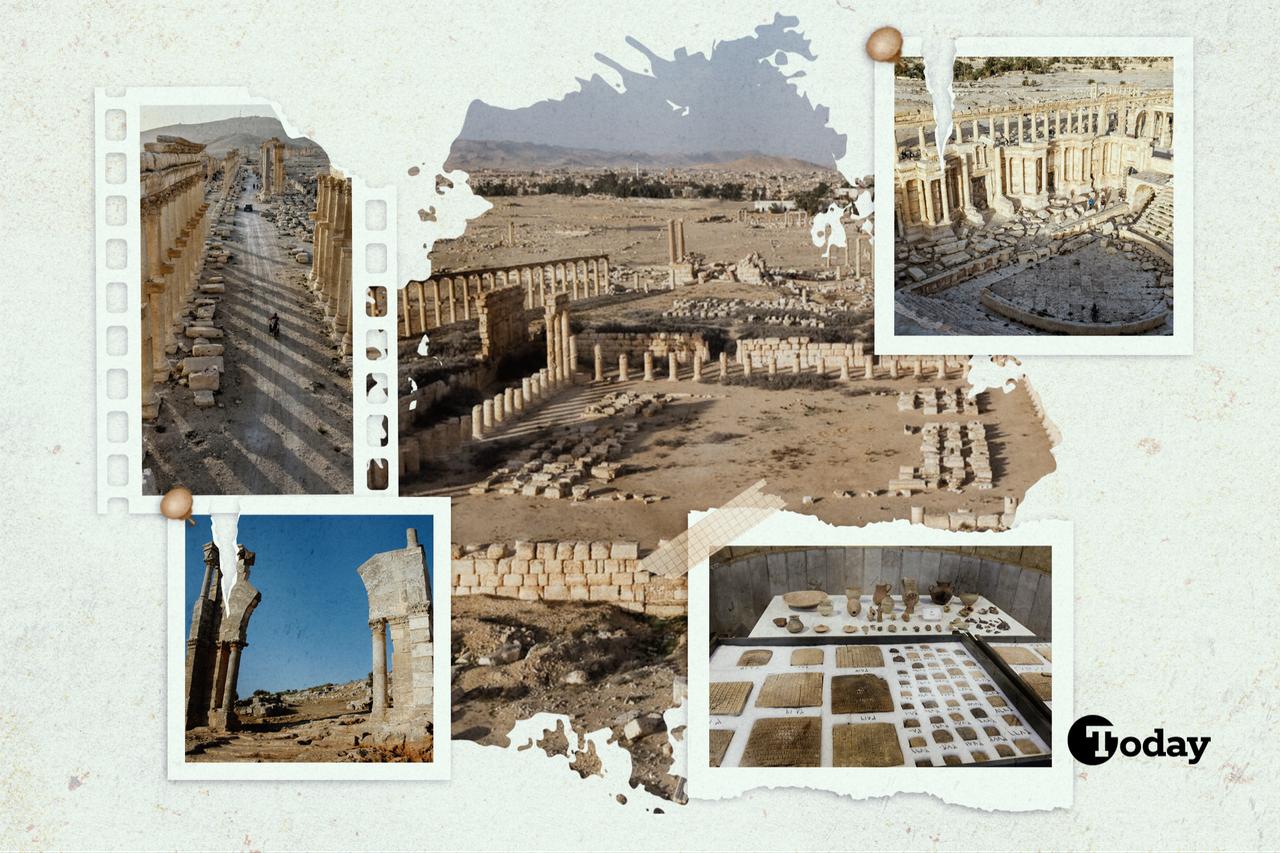


Syria’s cultural heritage, long shaped by war, looting, and political control, is now entering a fragile recovery phase marked by returning artifacts, local engagement, and renewed institutional efforts.
Since the outbreak of the civil war in 2011, Syria has faced not only a political crisis but also a deep cultural loss, as archaeological sites, museums, and historical cities were damaged, looted, or repurposed during the conflict.
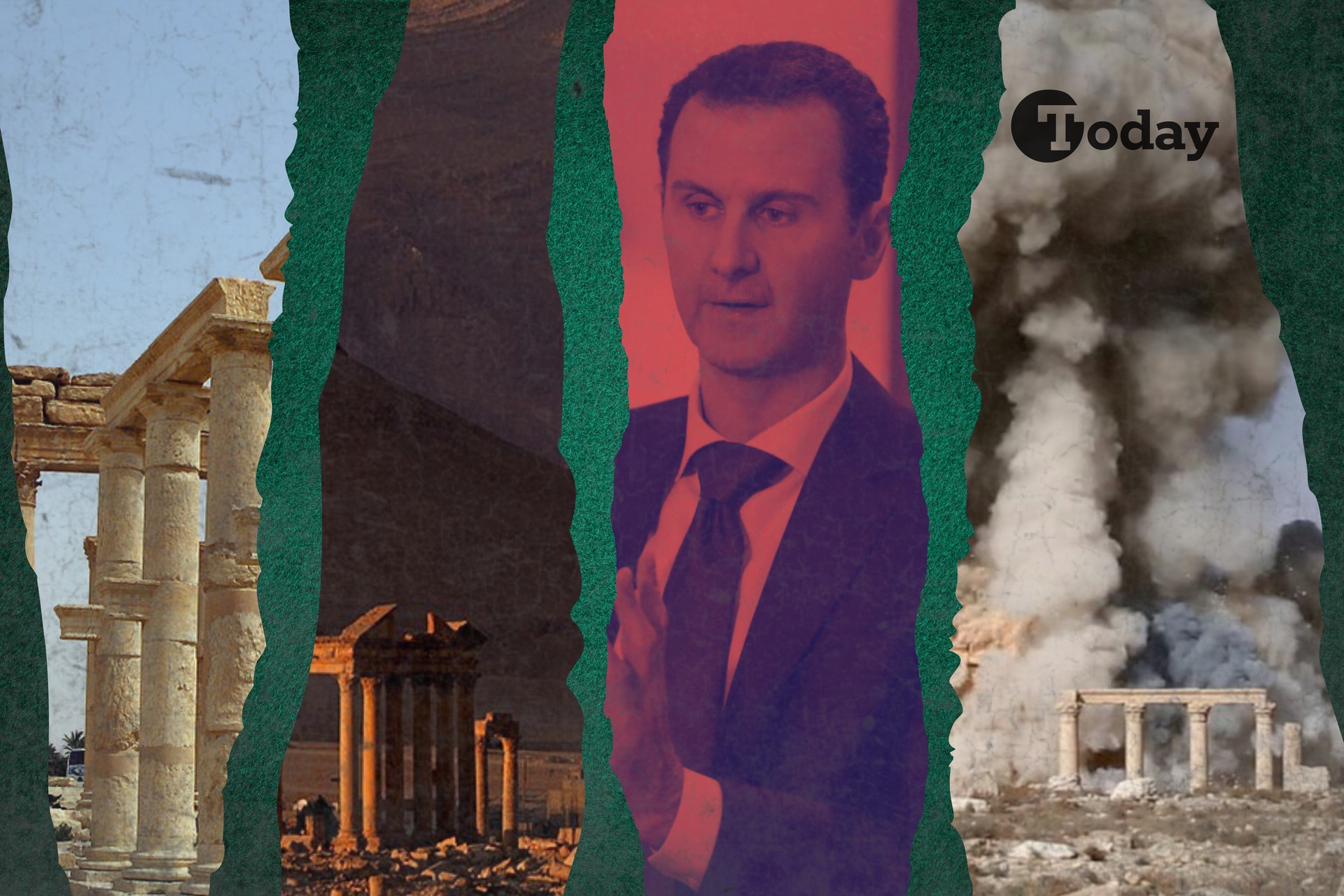
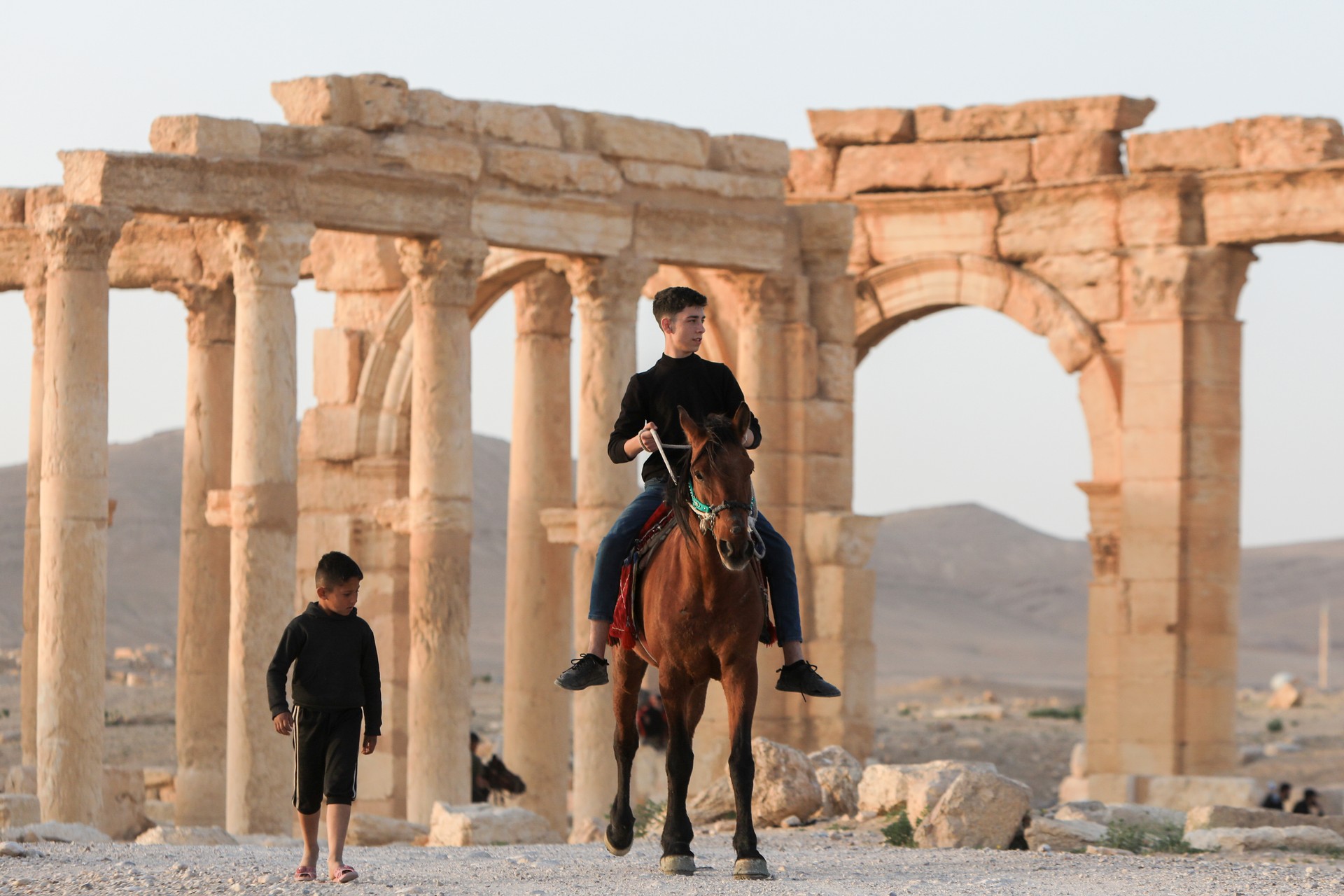
My interviews conducted with heritage experts outlined how this destruction unfolded across major sites such as Palmyra, Ebla, and Mari, where parts of archaeological zones were used as military bases or exposed to looting networks.
At the same time, the war revealed structural weaknesses in heritage protection, including outdated museum records, limited emergency planning, and restricted institutional capacity, particularly in areas outside government control.
While the losses were described as irreversible in many cases, experts stressed that large parts of Syria’s heritage remain intact and continue to offer a basis for recovery.
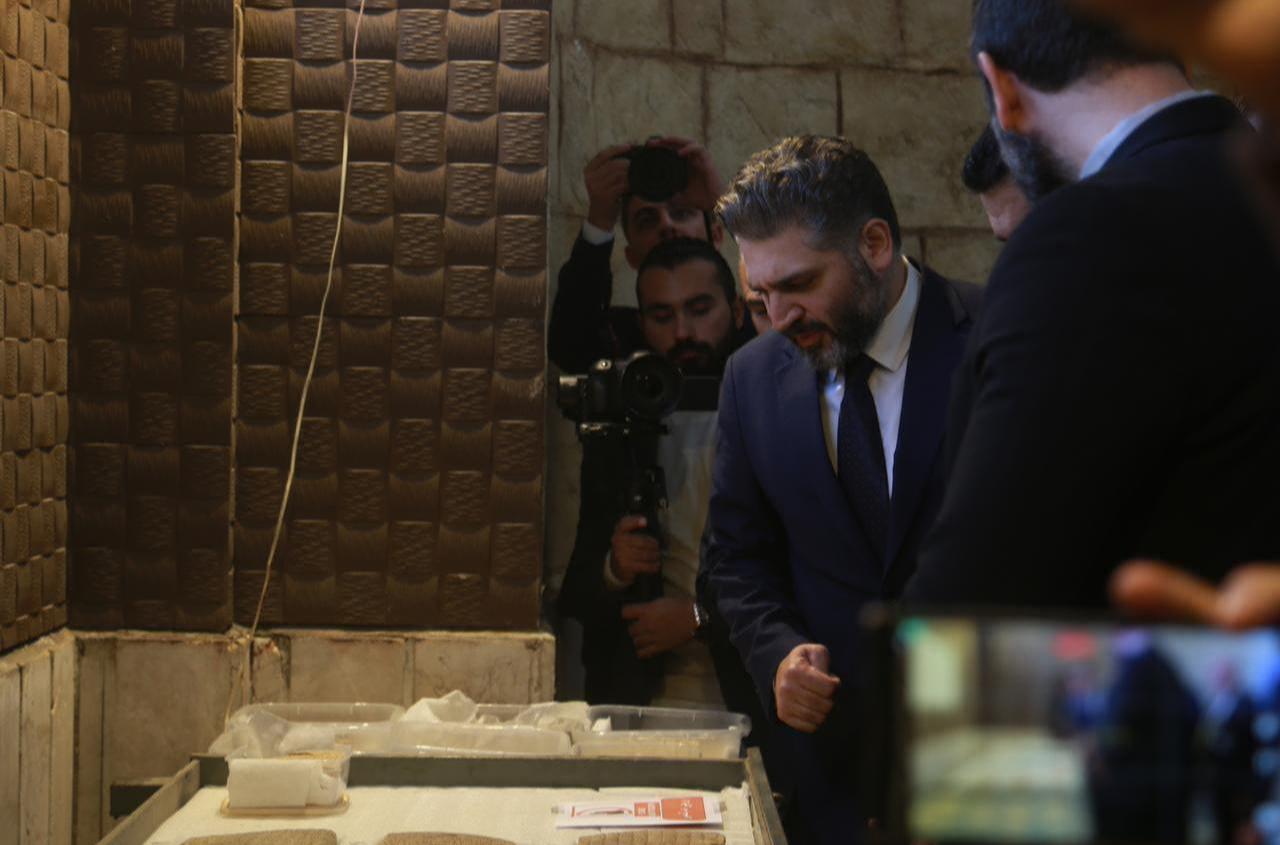
The return of 1,234 cuneiform tablets from ancient Ebla to the Idlib Museum after years in hiding stands out as a turning point in this transition.
According to Ahmed Zeidan, who spoke to Türkiye Today, the recovery represents more than the physical return of artifacts, as it reflects the restoration of collective memory and cultural identity. He described it as a symbol of hope at a time when Syria continues to face economic and social challenges.
At the same time, authorities confirmed that a significant portion of the Ebla archive remains missing, with efforts underway to document losses, track artifacts and cooperate with international bodies, including Interpol.
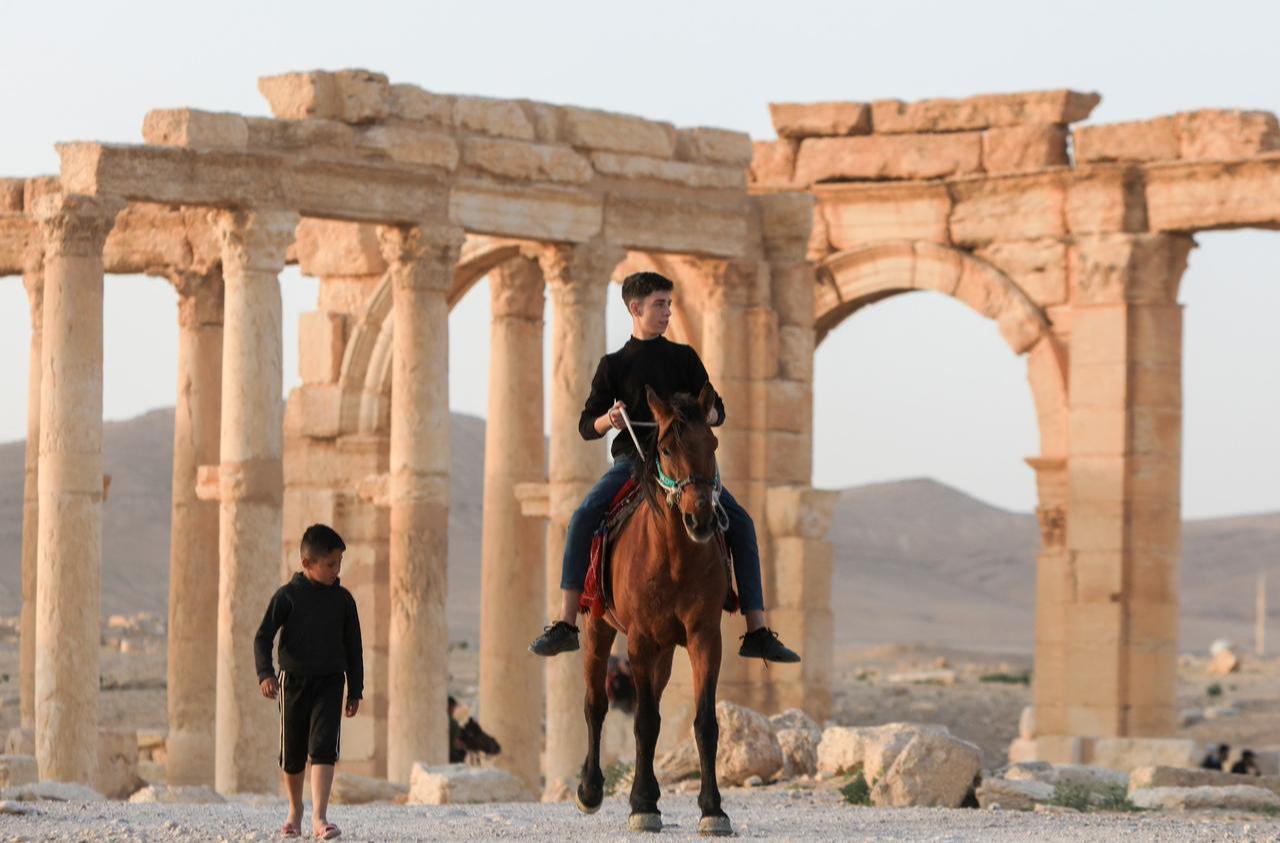

One of the clearest shifts highlighted across interviews is the growing role of local communities in heritage protection.
During the conflict, much of the responsibility for safeguarding sites fell on local actors, nongovernmental networks, and individual citizens, who developed practical solutions to prevent looting and raise awareness.
This role is now being formalized through workshops, local committees, and educational programs designed to embed heritage protection within communities.
Experts emphasized that this transition is essential, as cultural heritage is increasingly seen not as a state-controlled asset but as a shared resource belonging to all Syrians.
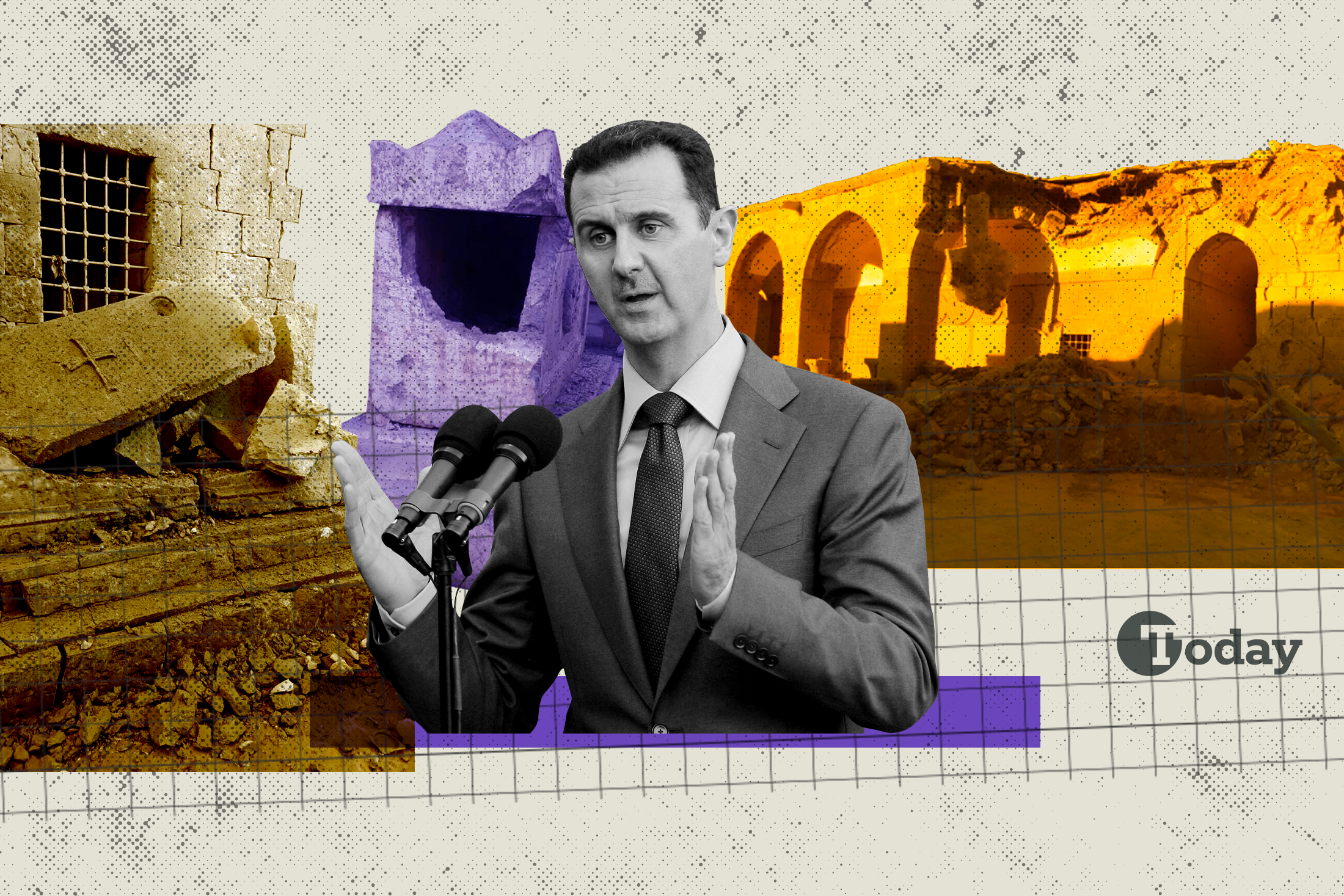
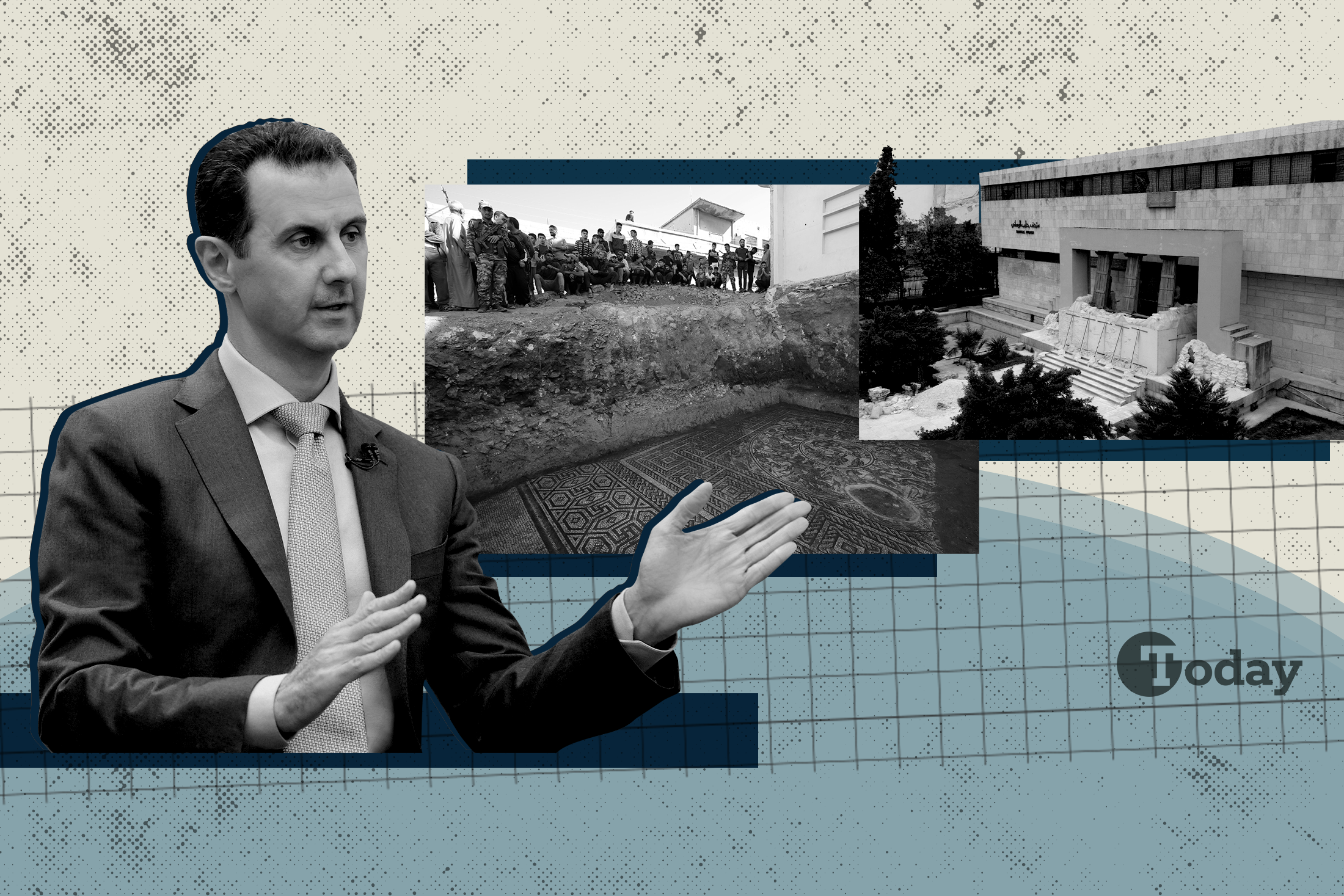
Interviews with former museum officials pointed to a broader institutional shift, particularly following the decline of the Assad-era system.
Museums had previously operated under political influence, with limited resources and staffing shaped by loyalty rather than expertise.
Looking ahead, there is an expectation that museums will become more inclusive and professionally managed, serving the wider public rather than political agendas.
Importantly, despite years of conflict, many museum collections were preserved, and there have been no widespread reports of systematic looting in recent periods, reflecting strong public attachment to cultural institutions.
Although recovery efforts are underway, significant challenges remain.
Restoration of institutions such as the Idlib Museum is still in progress, with damage assessments, phased planning, and funding searches continuing. External support has begun to play a role, including limited restoration funding from international partners.
However, experts underline three main constraints shaping the next phase:
The return of displaced archaeologists and specialists is therefore seen as a key step in rebuilding the sector.
As part of institutional restructuring, digital documentation has emerged as a strategic priority.
Authorities are rolling out training programs, building databases of damaged and missing artifacts, and coordinating with neighboring countries to strengthen technical capacity.
At the same time, international cooperation is being expanded through exhibitions, training programs, and cultural initiatives aimed at reintroducing Syrian heritage to global audiences.
These efforts also tie into broader attempts to recover looted artifacts and improve legal mechanisms for their return.
Across all interviews, a consistent theme emerges: cultural heritage is no longer viewed only as something to preserve, but as a tool for rebuilding society.
Experts stress that archaeological sites and museums can help restore social cohesion by offering shared symbols that cut across political and religious divisions.
They also highlight the economic dimension, as reviving heritage sites can support tourism, create jobs, and contribute to local recovery.
While Syria’s cultural heritage has suffered extensive damage, the combination of local engagement, institutional restructuring, and international cooperation is beginning to reshape the landscape.


 Set as preferred source
 Set as preferred source


 1 min read
 1 min read


