Newsletters


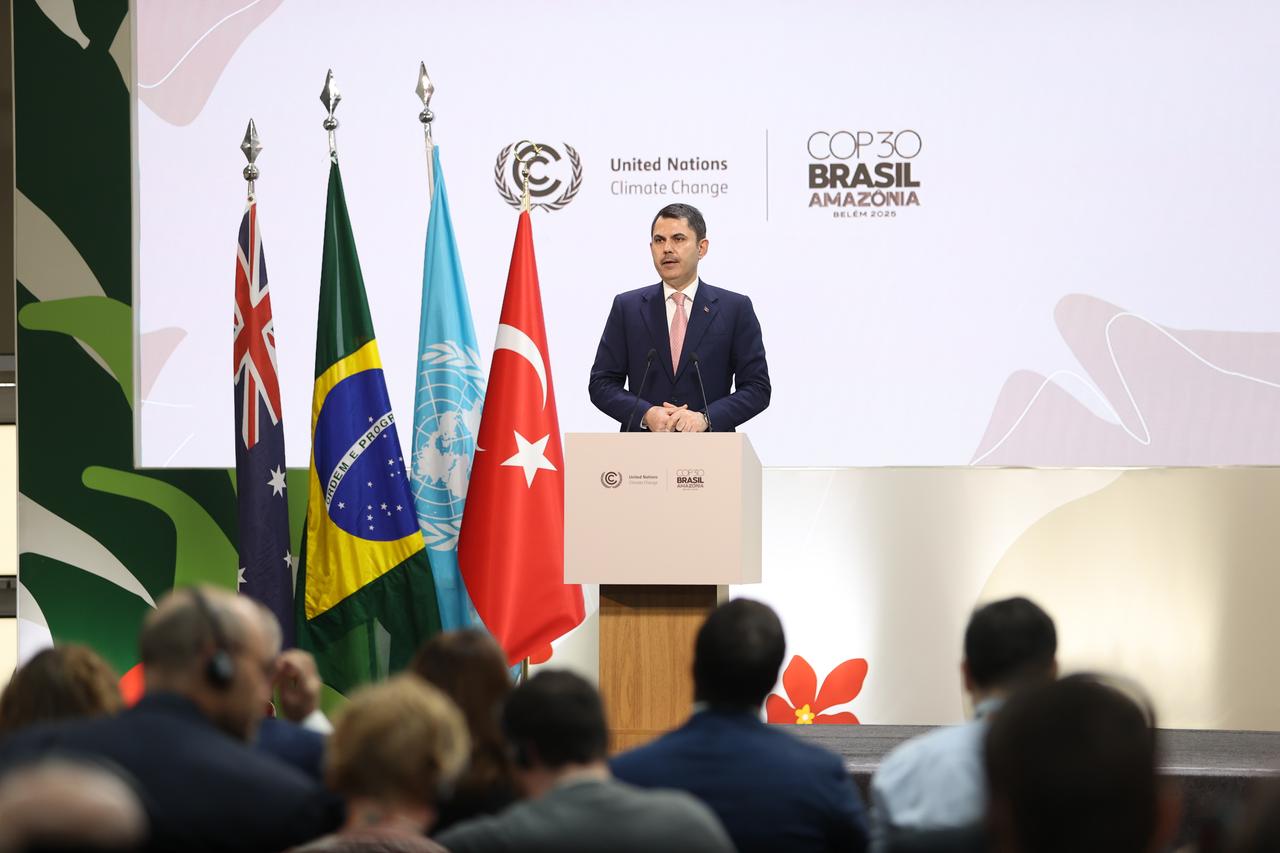
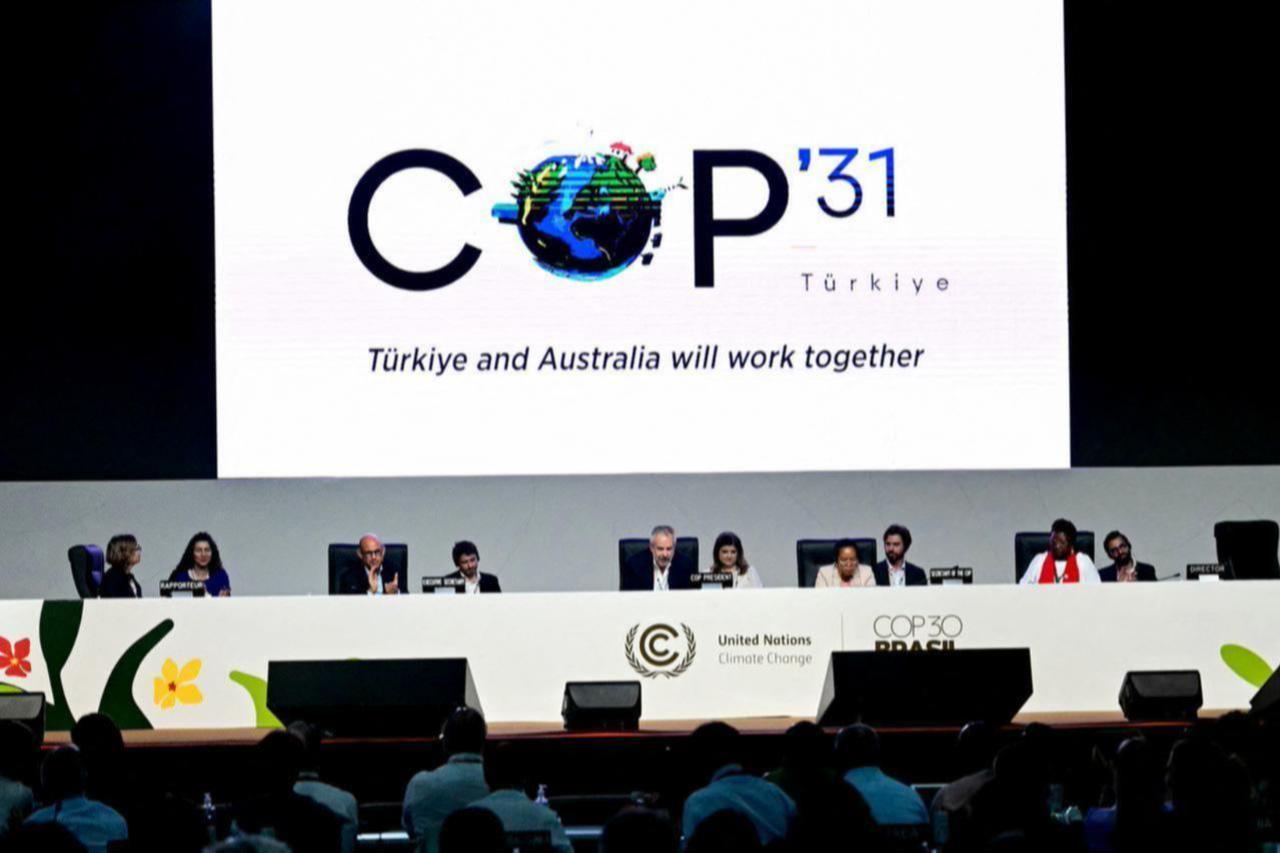
Türkiye is set to host COP31 in November 2026 in Antalya, undertaking significant responsibilities that will place the country at the center of global climate diplomacy.
During COP30, which accelerated multilateral dialogue in an effort to bridge the Global South and the Global North, the closing remarks articulated a vision that sought to empower not only the parties but also the citizens of the signatory states.
The Parties agreed on a framework calling for the mobilization of $1.3 trillion annually by 2035 to support a more equitable approach to mitigation; this commitment now forms part of the legacy Türkiye inherits, helping to set the stage for what could become one of the most consequential climate summits yet.
As countries ramp up their climate pledges, a new opportunity is emerging for Türkiye to deepen and intensify its mitigation and adaptation policies while broadening its environmental ambitions.
Within this scope, serving as a COP host brings a new range of tangible benefits, including a boost to the economy and tourism, enhanced diplomatic leverage, infrastructure investment and a perceptible acceleration in domestic climate policy-making.
That said, these powerful ripple effects should shape how COP31 is viewed, as the summit opens the door to advantages Türkiye can ill afford to overlook.
Experts note that hosting a COP summit can provide a meaningful lift to local small and midsize enterprises (SMEs) by drawing high-spending visitors from around the world.
During COP21, France reported a tourism surge tied to the arrival of roughly 50,000 additional visitors, and at COP26, Airbnb similarly noted that guests staying in Glasgow during the summit generated more than £2 million for the national economy.
In terms of infrastructure, the recently concluded COP30 spurred much-needed investment in Belem, with the government allocating about $772 million for structural investments that benefit both visitors and residents while also stimulating job growth across multiple sectors.
During the bidding process for co-hosting, economists estimated that the host city could see an economic boost of roughly $210 million, underscoring the sweeping commercial momentum and subsidiary business activity that tend to follow a COP summit.
By bolstering tourism and generating a notable economic impact, COP summits also enhance the host country’s international standing, both diplomatically and in terms of its climate agenda leadership.

Beyond the expected boost in economic activity, tourism, and investment in national infrastructure, hosting COP offers a meaningful chance to deepen participation in the green and digital transition and an opportunity worth seizing with care and intention.
Türkiye is now approaching a decisive moment in meeting its net-zero commitments and advancing its integration into the European Green Deal (EGD), with deadlines rapidly nearing.
Hosting next year’s COP will help create the policy environment and international momentum needed to advance that green transition, an effort Turkish officials have been steadily reinforcing since 2022 as part of a more rigorous climate agenda pursued in support of the country’s bid.
This surge in climate ambitions can also push for the necessary instruments to be applied within the scope of the EGD, such as the Carbon Border Adjustment Mechanism (CBAM), facilitating the alignment of domestic policy with the evolving regulatory landscape in Türkiye’s largest export market.
CBAM is expected to raise production costs both within Türkiye and across the EU market, triggering a shift that could reshape the competitive position of exporters selling into the EU.
Aligning with these mechanisms is essential to shield non-EU industries from CBAM-related costs (particularly given that about 40% of Türkiye’s exports went to the EU in 2022) since delays in industrial decarbonization could erode both market share and overall value.
A Türkiye-focused study further finds that, with effective alignment to CBAM, the Turkish economy could realize GDP gains of roughly 5.6% to 6.6%.
With the newly launched Zero Waste Project, an updated nationally determined contribution (NDC 3.0), and the adoption of Türkiye’s first climate act (establishing a national Emissions Trading System), the country’s climate agenda has entered a period of real acceleration, one that is poised to reshape its broader economy.
As Türkiye prepares to welcome the world to COP31, it now has an opportunity to translate this progress into a durable, forward-looking framework that supports both sustainable growth and long-term national prosperity, creating a moment not to be missed for improving and enforcing its Green Deal commitments.


 Set as preferred source
 Set as preferred source


 1 min read

 1 min read