

 Newsletters


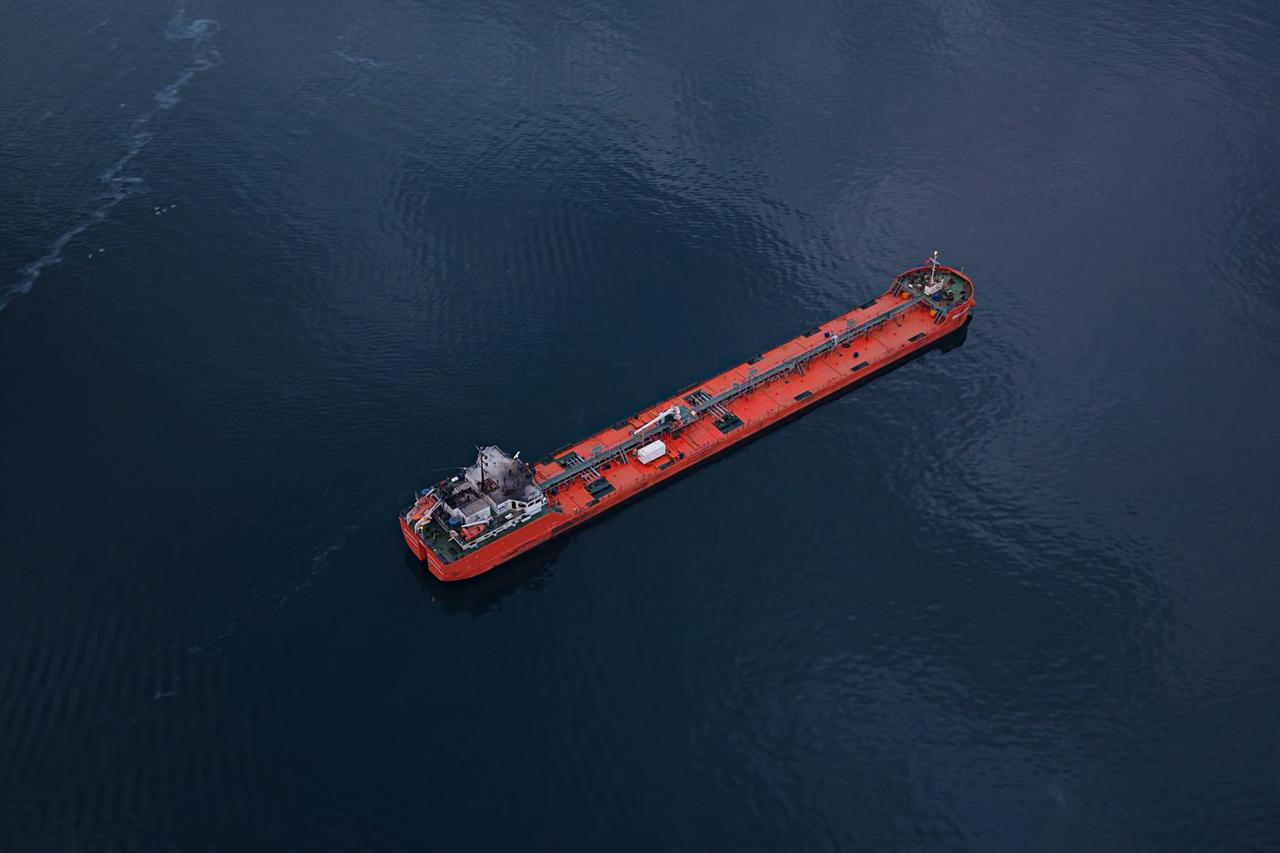


Tensions between Türkiye and Russia are rising in the Black Sea. Since late November, Turkish vessels docked at Ukrainian ports have been damaged by Russian attacks. Although such incidents have become more visible in recent weeks, this is not an entirely new phenomenon. In cases where the vessels involved were not sailing under the Turkish flag, they rarely attracted media attention. Yet more than 40% of ships entering the ports of Odesa and Kherson are Turkish-owned, meaning Turkish vessels were already affected by attacks on these ports. These incidents, however, largely went unreported.
Since November, Ukrainian authorities have also begun briefing the media more actively on these attacks. On Nov. 17, a Turkish-flagged tanker reportedly carrying LNG to Ukraine was struck in the port of Odesa. Russian attacks on two ports on Dec. 12 damaged three more Turkish vessels—just hours after President Recep Tayyip Erdogan proposed a “limited ceasefire” to Russian President Vladimir Putin in Turkmenistan—one that would cover energy facilities and ports in the Black Sea. The following day, Dec. 13, yet another Russian strike hit another civilian Turkish vessel.
The fact that Turkish-flagged ships are now being targeted, and that these attacks have continued despite Türkiye’s call for a limited ceasefire, points to a clear element of intent. It suggests that Russia is attempting to send a warning to Ankara. Türkiye will most likely continue to pursue the delicate diplomatic balancing act it has maintained throughout the war. But at the same time, even if only within a limited scope, Türkiye should leverage its superiority and military capabilities in the Black Sea to the maximum extent in coordination with its littoral allies. These recent attacks on Turkish vessels are likely to make it easier for Ankara to view Ukraine’s attacks on Russia’s so-called shadow fleet within Türkiye’s own exclusive economic zone as more acceptable.
Since late November, Ukraine has adopted a new element in its war strategy, launching a series of sea-drone attacks against Russia’s shadow fleet of oil tankers in the Black Sea. This shift signals a tactical adjustment, likely coordinated with, or at least aligned with, its NATO allies, at a moment when the war is approaching its fourth year and in the face of a U.S. administration rewarding Russia’s aggression. In response to cyberattacks, sabotage, and airspace violations that form part of Russia’s hybrid warfare, Ukraine now seems to have adopted what could be described as “pre-emptive strikes —a notably more aggressive posture aiming to inflict damage on the adversary’s wartime economy.
Since late November, several Russian vessels have been hit at varying distances from the Turkish coast in the Black Sea: first, on the same day, the Kairos (52 kilometers offshore) and the Virat (65 kilometers offshore) within Türkiye’s exclusive economic zone; a few days later, the Midvolga-2 (130 kilometers offshore); and finally, last week, the Dashan within Ukraine’s exclusive economic zone. All of these vessels were struck by Ukrainian sea drones.
Russia’s shadow fleet, estimated to consist of between 900 and 1,400 vessels, largely comprises aging oil tankers used to evade sanctions imposed on Russia to curb its oil revenues. Fleet’s ownership structures are deliberately obscured, with frequent changes of flag and vessel names, and the temporary shutdown of automatic identification systems (AIS) to avoid tracking.
These shadow fleet vessels have also been linked to acts of sabotage. Last year, they were suspected of involvement in a series of incidents targeting subsea cables. Hundreds of these ships are already on EU and U.K. sanctions lists, yet they face little in the way of practical enforcement as long as they avoid European ports. For this reason, EU member states have recently been working on a joint interpretation of the U.N. Convention on the Law of the Sea to allow for the boarding of vessels suspected of threatening underwater cables and pipelines.
As a result of these attacks, in November, Russia recorded its lowest oil and fuel export revenues since the February 2022 invasion.
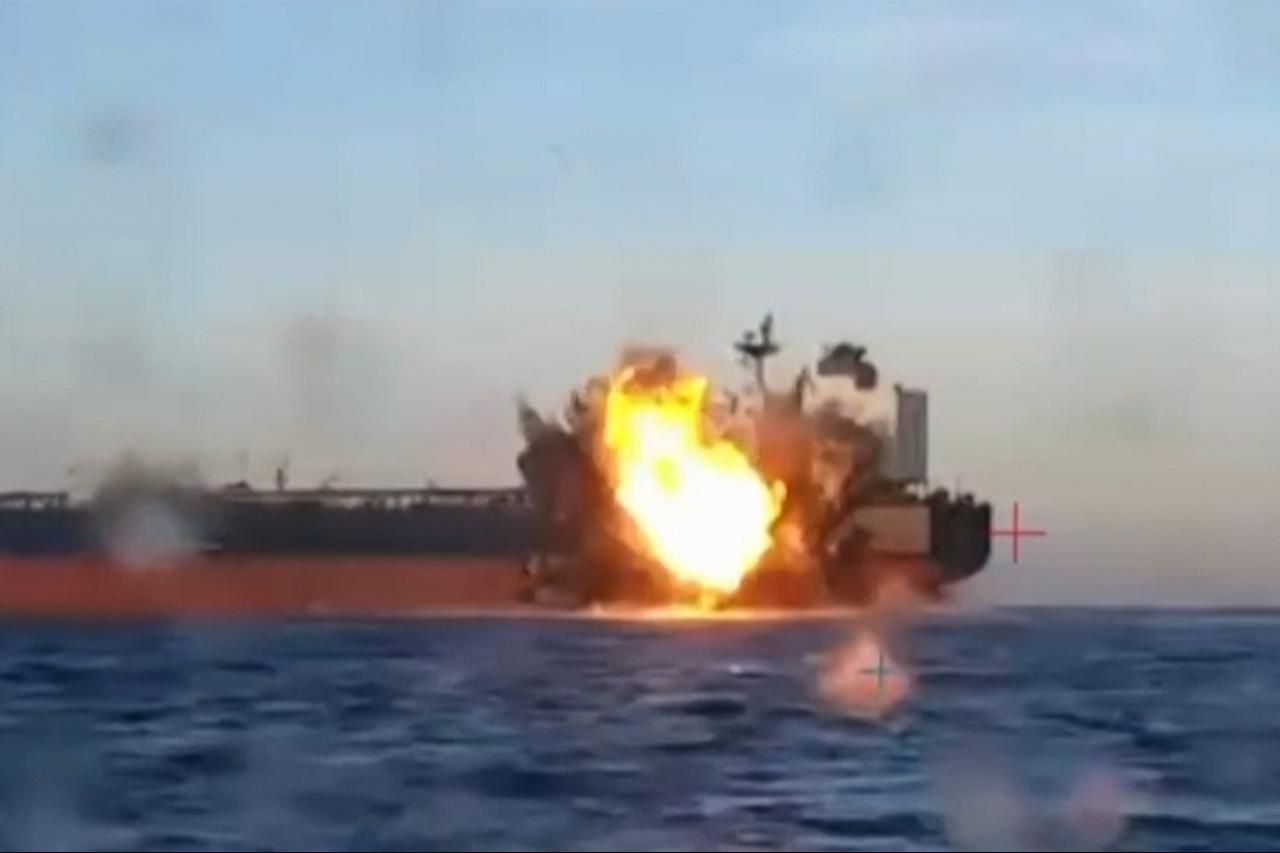

As for Türkiye’s response to the attacks taking place in the Black Sea and in close proximity to its shores, Turkish officials, including President Erdogan, have emphasized maritime security and stated that warnings have been conveyed to all parties. Still, it is fair to say that Ankara’s reaction has been relatively “soft.” One reason may be that Russia has been striking Turkish-flagged vessels in Ukrainian ports. Another, however, may lie in the strategic shift currently under discussion within NATO.
Ahead of the NATO Foreign Ministers’ meeting of Dec. 3, the Chair of NATO’s Military Committee, Admiral Giuseppe Cavo Dragone, stated in an interview that NATO’s response to Russia’s hybrid warfare, until now largely reactive, could become far more proactive and “more aggressive” in the period ahead. He went so far as to argue that a “pre-emptive strike” could be considered a form of “defensive action.” While the specific decisions taken at the meeting are not public, it is known that hybrid threats were discussed and that a NATO-Ukraine Council session was held in Brussels on the margins of the ministerial as well. Against this backdrop, it is plausible to conclude that Ukraine’s new tactics in the Black Sea and Türkiye’s relatively “soft” response are likely linked to NATO’s emerging “pre-emptive” approach.
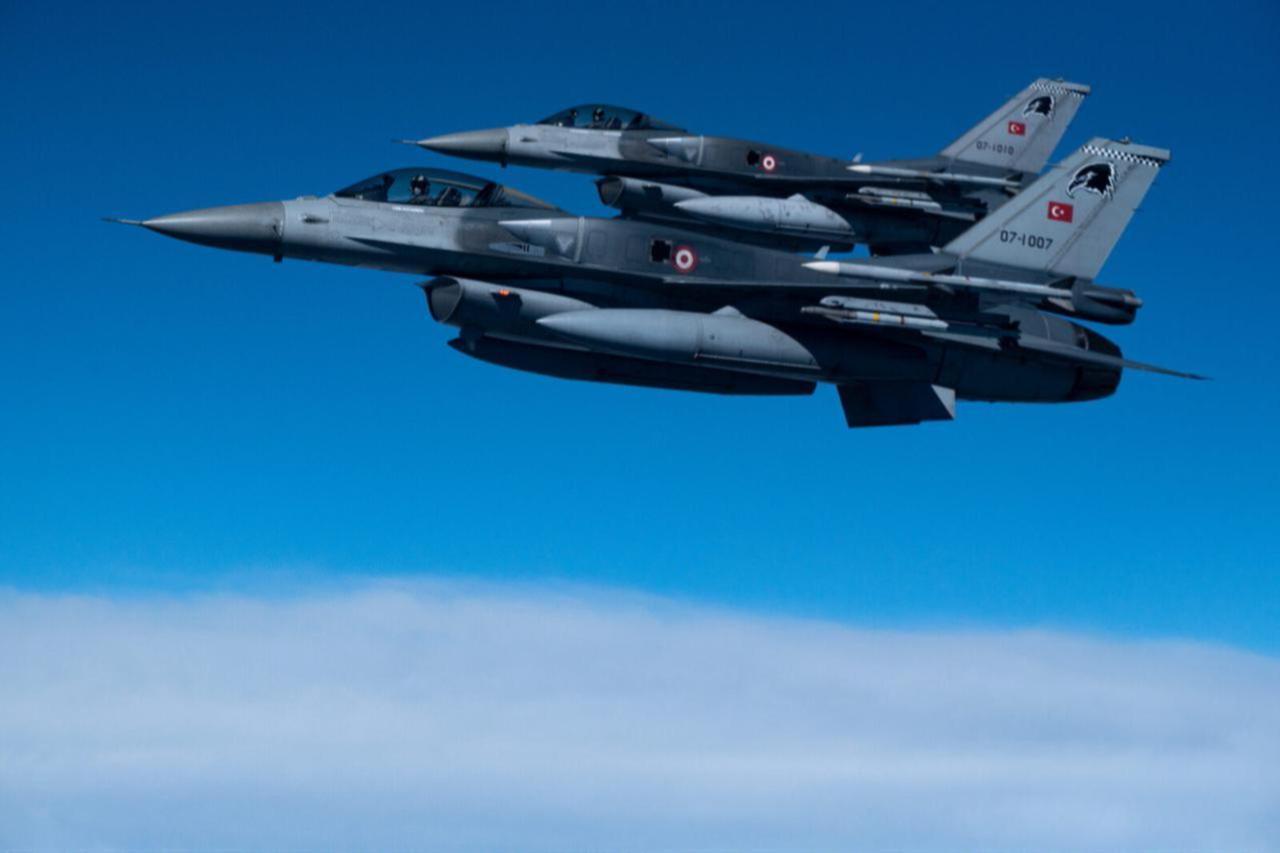
The targeting of oil tankers in Türkiye’s exclusive economic zone, the repeated strikes on Turkish-owned vessels in Ukrainian ports, and most recently, the interception and neutralization of a drone originating from the Black Sea by a Turkish F-16 have together laid bare a serious and escalating security crisis in the Black Sea. In this volatile environment, Türkiye must act with extreme caution to avoid being drawn into a direct confrontation with Russia. But at the same time, Türkiye should fully leverage its naval capabilities in the Black Sea in close coordination with Bulgaria and Romania.
On the sidelines of the latest NATO Foreign Ministers’ Meeting on Dec. 3, Foreign Minister Hakan Fidan discussed these risks with his littoral allies. The three countries agreed to establish a working group aimed at coordinating their naval forces to secure critical infrastructure and maritime activities, including shipping routes and energy exploration. Within this framework, cooperation on sea patrols and maritime domain awareness could be significantly enhanced. Türkiye could strengthen air patrols over the Black Sea by leveraging both its own AWACS aircraft and NATO’s AWACS assets deployed in Romania, thereby improving protection against Russian drones.
By adopting a broader interpretation of maritime law, Türkiye could also stop and inspect illegal “shadow fleet” vessels, particularly those on sanctions lists or deemed suspicious, operating in the Black Sea.
Since the beginning of the war, Türkiye has been reluctant to allow NATO warships into the Black Sea. Instead, many experts have argued that a more prudent approach would be to strengthen the naval capabilities of NATO allies already present in the region, such as Romania and Bulgaria. Against this backdrop, a significant step was taken on Dec. 5, when Türkiye sold the TCG Akhisar, completed in 2024, to Romania.
This marked the first time in its history that Türkiye exported a combat vessel to a NATO and European Union member state. Türkiye could also lead naval operations in the international waters in the Black Sea with its TCG Anadolu Multi-Purpose Amphibious assault ship, arguably without a NATO mandate.
 2 min read
In recent months, discussions with Washington about lifting CAATSA sanctions on Türkiye have included a proposal to sell Türkiye’s S-400 air defense systems to the EU for onward transfer to Ukraine.
The Patriot systems currently deployed in Ukraine remain far from sufficient to meet the country’s air defense needs. The deteriorating security situation in the Black Sea presents a timely opportunity to put this idea into action. Türkiye could sell its S-400 systems to the EU on the condition that they be used to enhance the security of the Port of Odessa, thereby achieving two strategic objectives with a single move.


 Set as preferred source
 Set as preferred source




 1 min read


