

 Newsletters


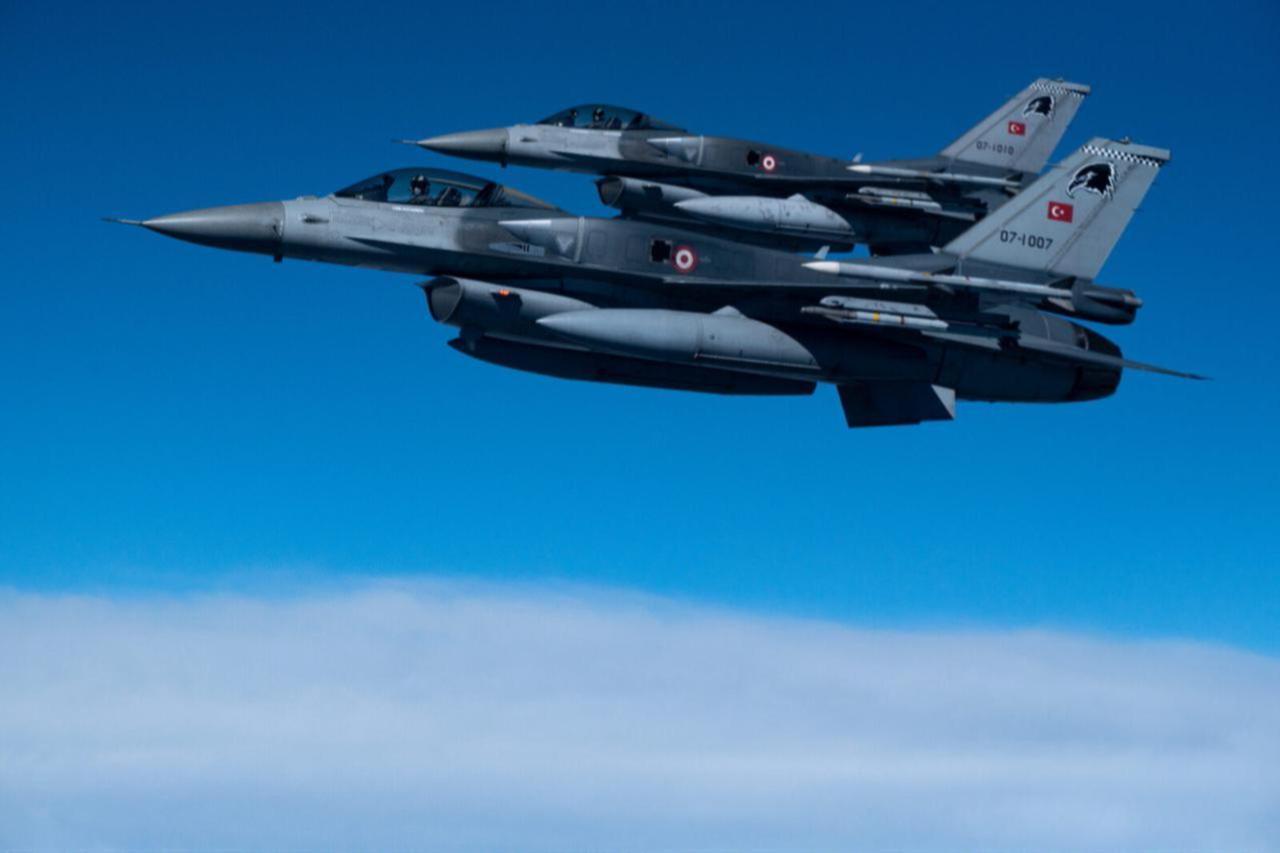


Türkiye's military shot down an unmanned aerial vehicle that approached its airspace from the Black Sea after the drone appeared to lose control, the country's Ministry of Defense announced on Monday.
The aircraft was detected and tracked under routine procedures as it approached Turkish airspace from over the Black Sea, according to a ministry press release. Authorities scrambled F-16 fighter jets under both NATO and national command to maintain airspace security, assigning them to alarm reaction duty.
Military officials determined the unidentified aircraft was a drone that had apparently lost control. To prevent any potential incident, the military shot down the unmanned vehicle in a safe area away from residential zones, the ministry said.
"It was struck and downed in a safe area outside of residential areas," the statement said, adding that the action was taken "in order not to give rise to any negativity."
The interception followed standard Turkish air defense procedures for monitoring and responding to unauthorized aircraft approaching the country's borders. The Black Sea region, bordered by six countries including Türkiye, Russia, and Ukraine, has become an increasingly sensitive airspace zone in recent years.
Turkish F-16s regularly patrol the country's extensive airspace, which spans both European and Asian territory. The NATO member nation maintains robust air defense systems to monitor its borders, particularly along the Black Sea coast where unidentified aircraft can pose security concerns.
The Ministry of Defense did not specify the drone's country of origin, size, or what type of unmanned aerial vehicle it was. The statement also did not indicate whether the aircraft was military or civilian in nature, or how far into Turkish airspace it had traveled before being downed.
 1 min read

The drone interception comes amid heightened security concerns in the Black Sea region following a series of attacks on Russian-flagged vessels in Turkish search-and-rescue waters in late November and early December.
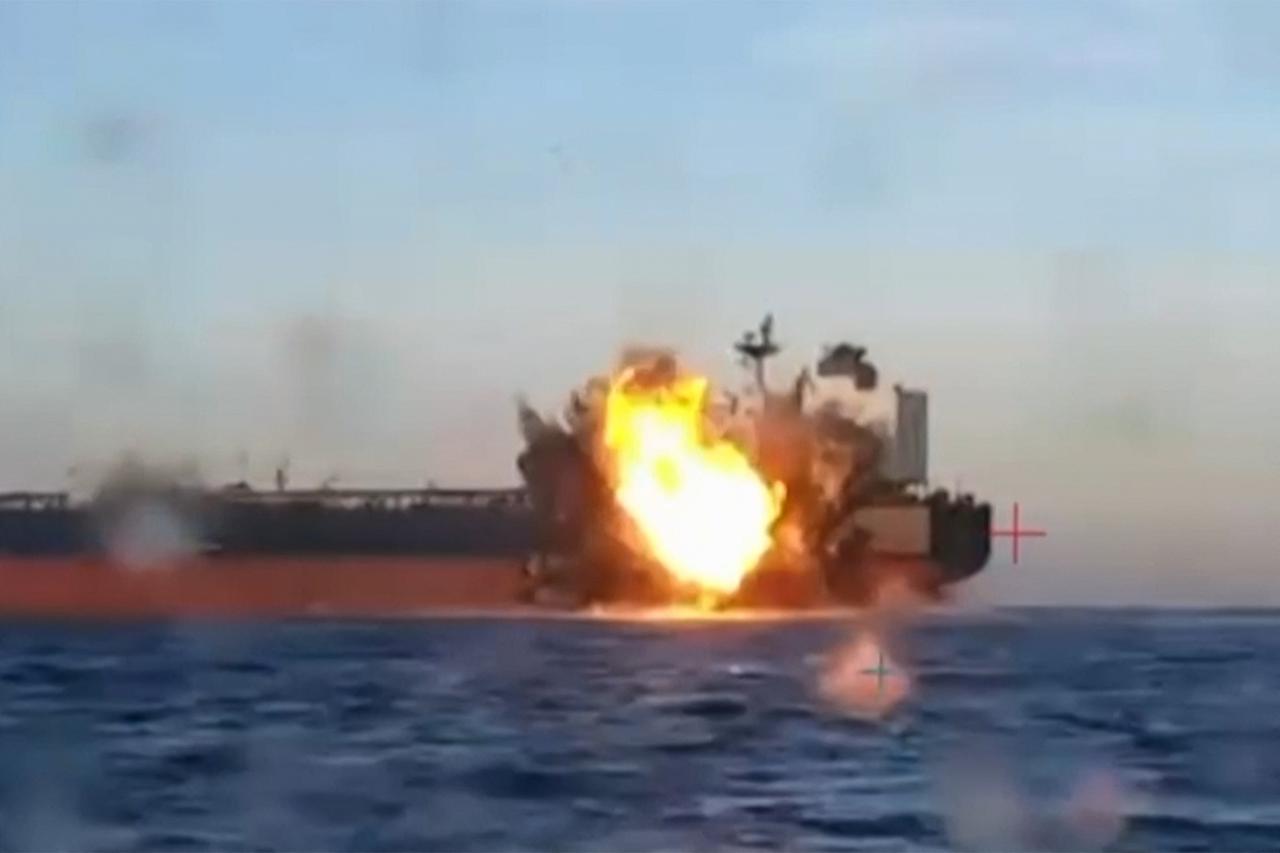
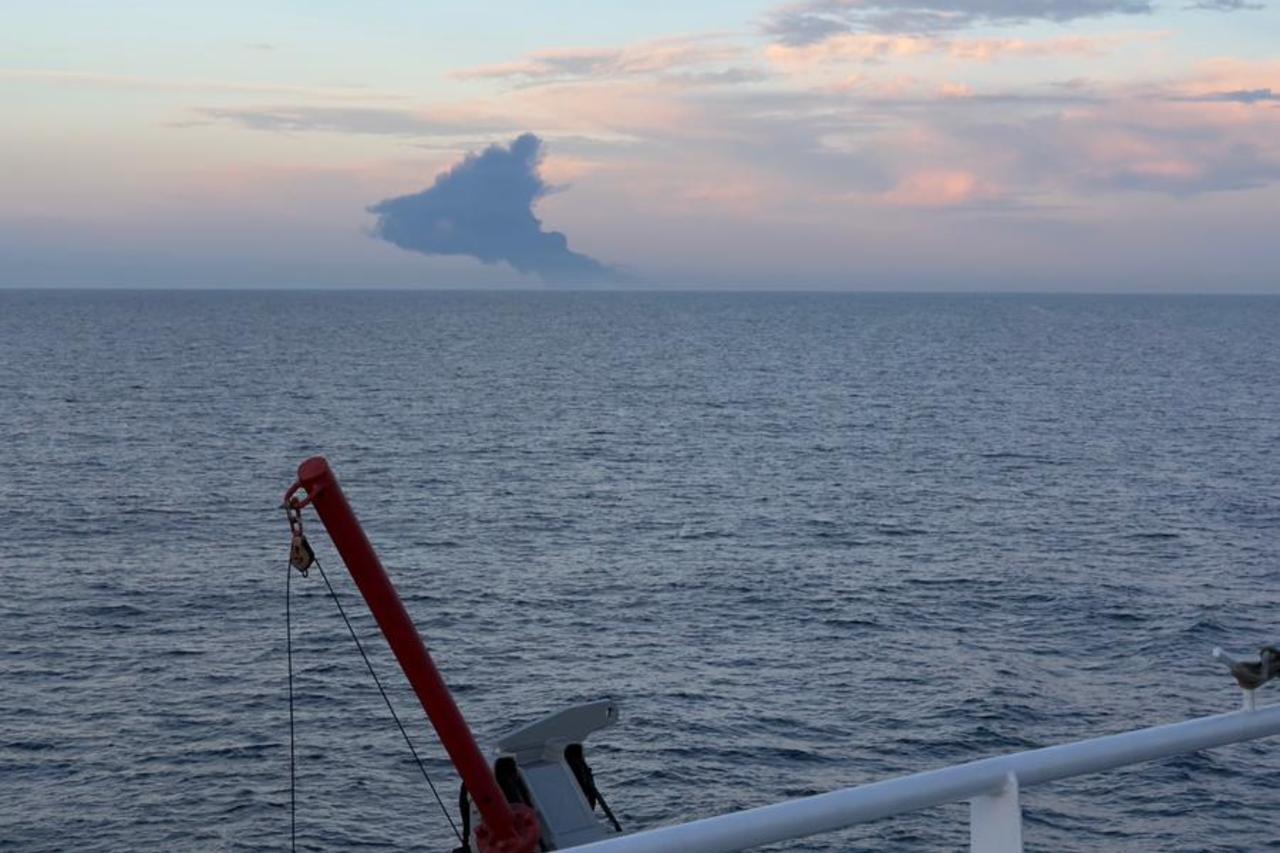
Three Russian tankers were targeted in coordinated strikes between November 28 and December 2, raising alarms over maritime security. The Gambian-flagged Russian tanker KAIROS caught fire after an explosion 28 miles off the Turkish coast on November 28, followed 1.5 hours later by a distress call from the tanker VIRAT, which reported being hit 35 miles offshore.
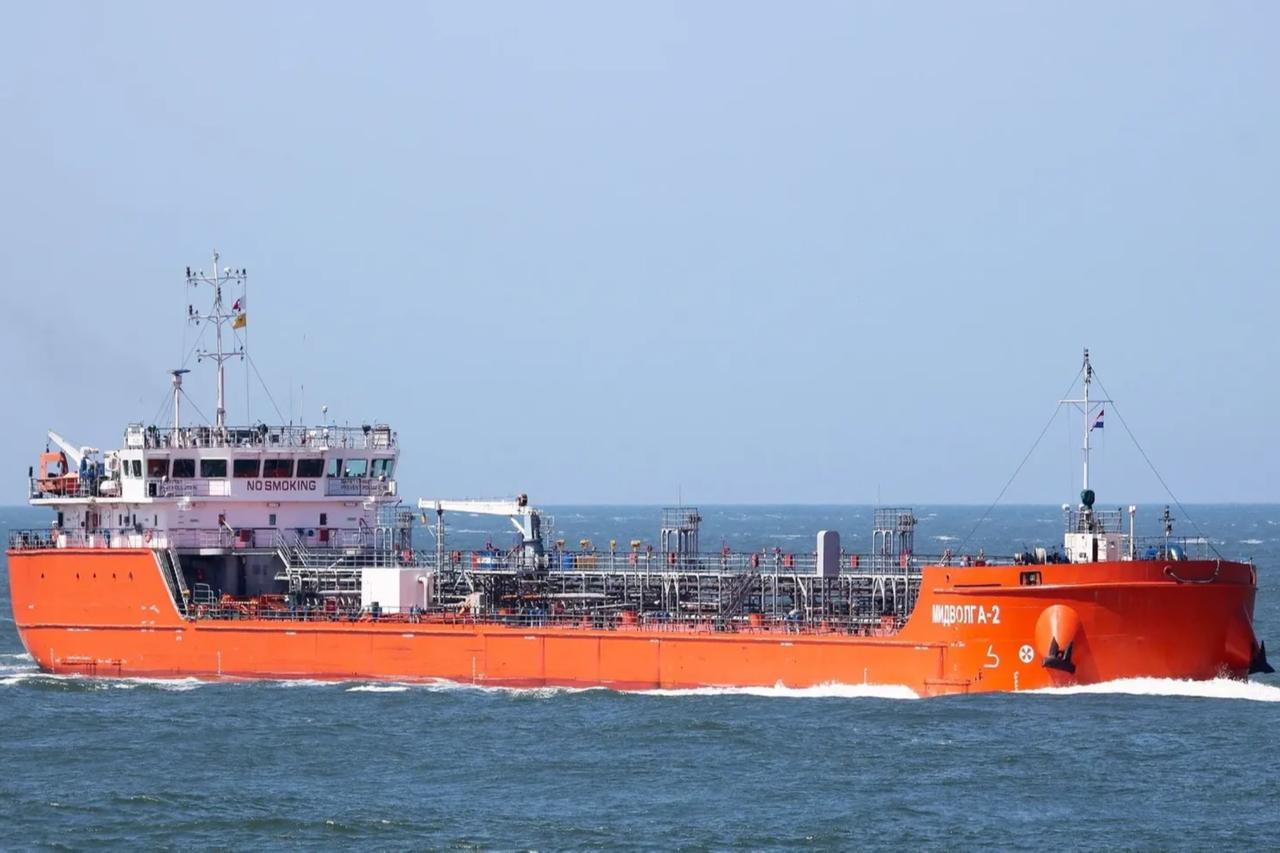
On December 2, a third vessel, the MIDVOLGA-2, was attacked while transporting sunflower oil from Russia to Georgia, approximately 80 miles off Türkiye's coast. The tanker diverted to the northern Turkish city of Sinop with all 13 crew members reported safe and the vessel's engines operational.
Ukrainian media reported that the Security Service of Ukraine and the Ukrainian Navy carried out the operations using "Seababy" unmanned surface vessels, alleging the targeted ships belonged to Russia's "shadow fleet" used to evade international sanctions.
President Recep Tayyip Erdogan condemned the attacks in a December 2 statement, warning that the Russia-Ukraine war is threatening navigation safety. "We cannot in any way excuse the targeting of ships in our exclusive economic zone on Friday," Erdogan said.
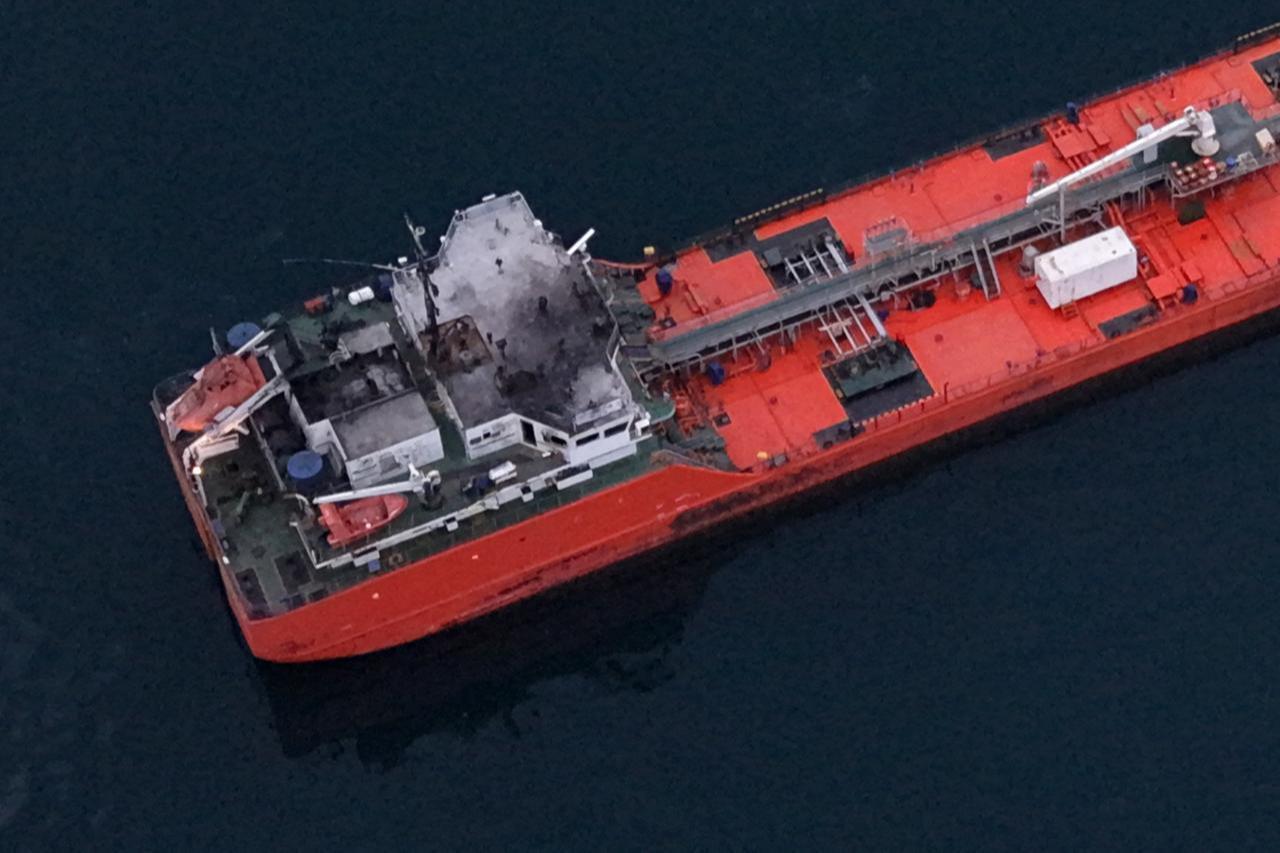

Türkiye daily newspaper quoted Turkish security sources saying on December 8 that the tanker attacks were planned operations designed to send a message to Russia about blocking shadow fleet oil transport operations, not random incidents.
The sources explained that Russia has been breaking international embargoes by transporting oil using ships owned by other countries flying different flags, with nearly 60% of these vessels owned by Greek shipowners. "The two ships that were hit were attacked at one-and-a-half-hour intervals. This was a planned attack," the sources said.
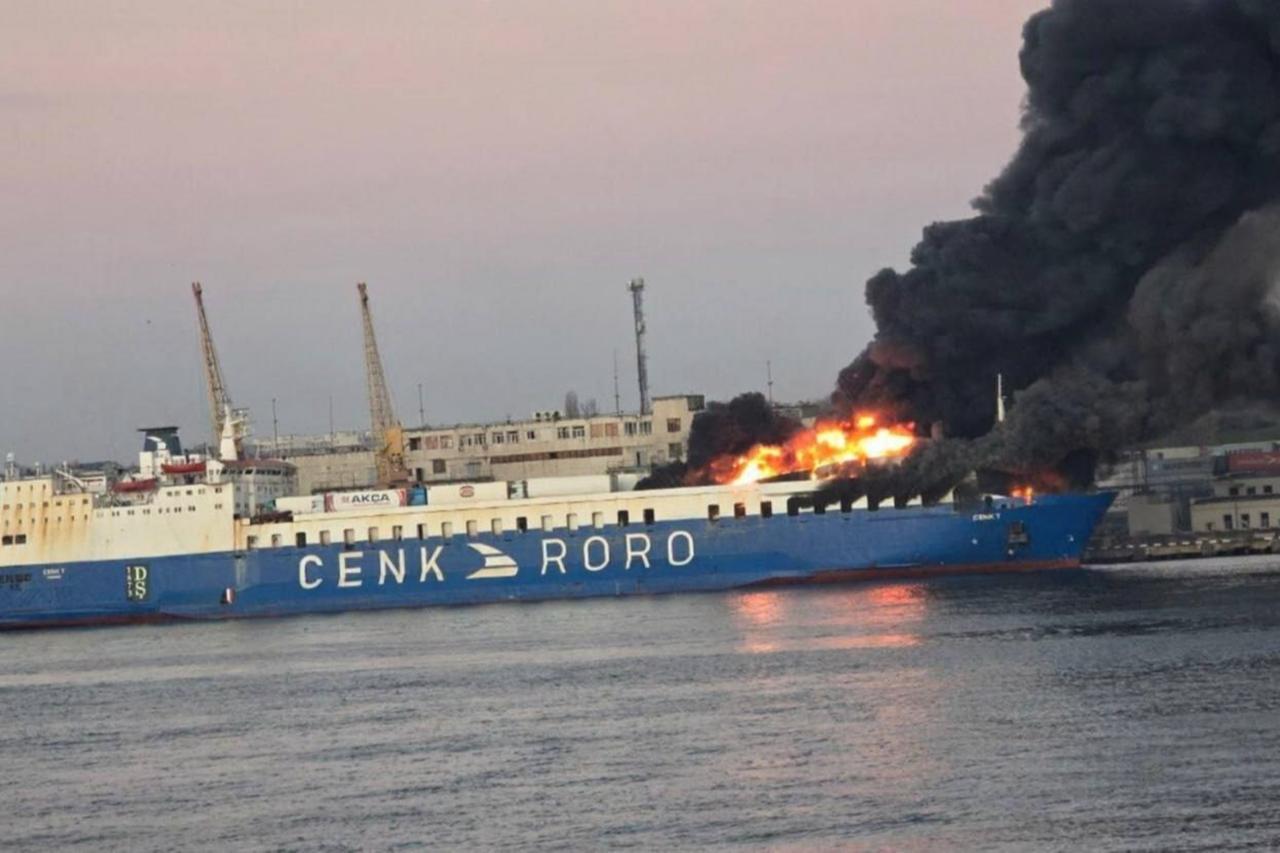
Security analysts noted the timing coincided with U.S. President Donald Trump's peace plan proposals, which Russia has resisted. "With these attacks, a message was sent to Russia: 'Look, if we want, we can strike the products you transport with your shadow fleet and block this system,'" the sources stated. Russia bombed Odesa the same day as the attacks.
The sources emphasized that the strikes occurred just outside Turkish territorial waters in the search-and-rescue region to ensure visibility while remaining in international waters. "The reason these ships were attacked right outside our territorial waters, in our search and rescue zone, stems from the fact that they know we will go and rescue them," they explained.
1 min read
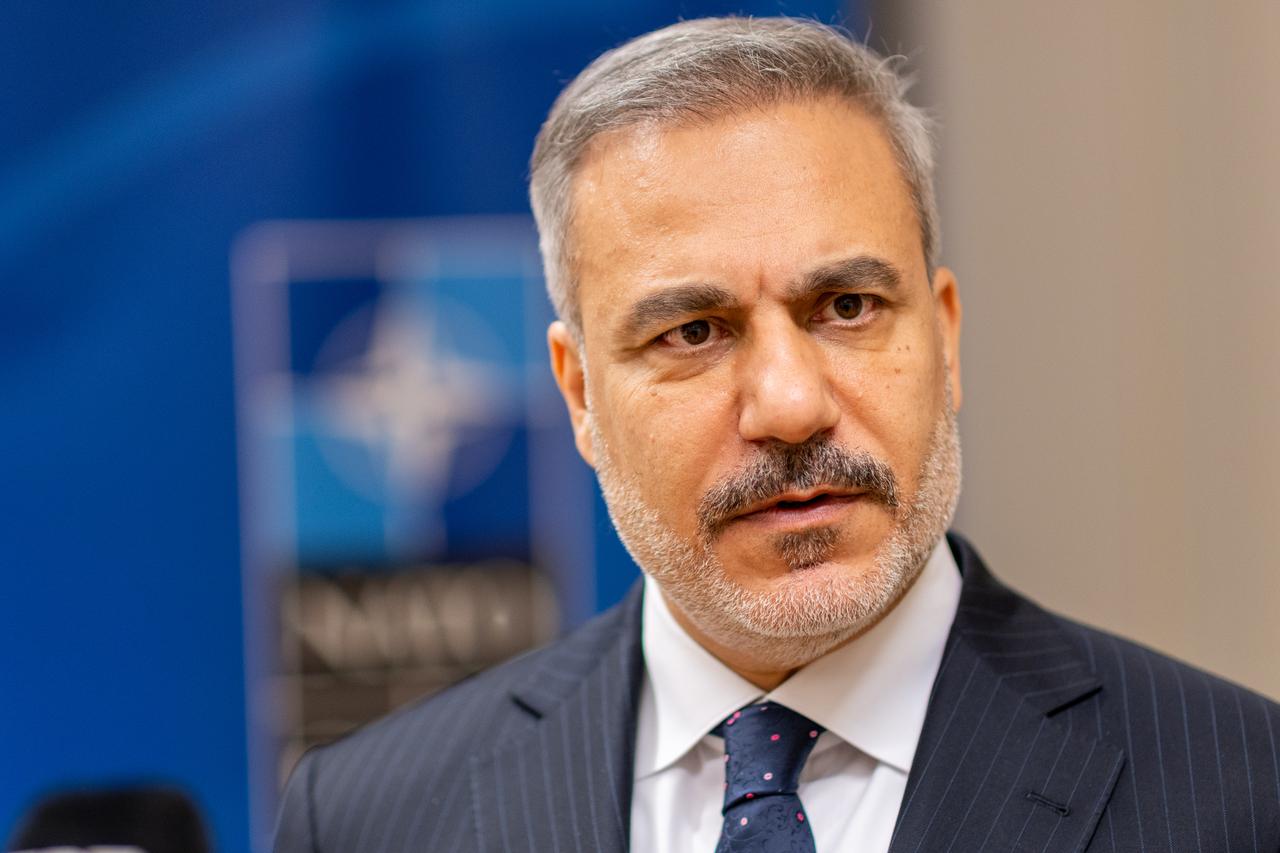
Foreign Minister Hakan Fidan warned on December 3 that the attacks are transforming the Black Sea into a closed zone for trade and human transportation, validating Ankara's longstanding warnings about the conflict's potential spread.
"The attacks on these two ships sailing in Türkiye's exclusive economic zone not only endanger navigation safety in the Black Sea, but also turn the Black Sea into an area closed to trade and human transportation," Fidan said following a NATO Foreign Ministers meeting in Brussels.
Türkiye, Bulgaria and Romania established a working group to address the security crisis, with naval forces beginning coordination to protect critical maritime activities including shipping, pipelines, energy exploration and fishing operations. Fidan noted that while Türkiye has access to international waters through the Aegean and Mediterranean, countries like Romania and Bulgaria depend entirely on the Black Sea for maritime access.
The working group is also addressing the challenge of mines drifting toward coastlines from the war zone. Fidan emphasized that the Black Sea hosts important economic activities including navigation routes, pipelines, energy lines, fiber optic cables and fisheries that are now at risk due to war conditions.
"As the country with the longest coastline on the Black Sea, we also need to take great responsibility. We are doing our part in this regard," Fidan said.

Beyond maritime security concerns, Fidan expressed optimism about potential peace negotiations to end the Russia-Ukraine conflict, saying Türkiye is being consulted as a key actor in the process and has renewed its offer to host direct talks in Istanbul.
"There is no more suitable place than Türkiye for negotiations," Fidan said, pointing to three rounds of talks Türkiye hosted in Istanbul in summer 2025 as evidence of the country's capability to facilitate productive discussions. He noted that Russia has responded positively to the proposal and expressed confidence that Ukraine would adopt a favorable position.
The minister emphasized that negotiations involve multiple interconnected issues including Ukraine's territorial integrity, Russia's strategic objectives and Europe's security architecture. He said any potential agreement would establish not only an end to the war but also a new post-war system for Europe.
Turkish security sources also provided broader geopolitical context, noting that the world is moving from unipolarity toward multipolarity, with the United States focused on strategic competition with China. "In the current operational environment, countries are forced to develop new technologies and tactics to counter emerging threats," the sources concluded.


 Set as preferred source
 Set as preferred source


 1 min read


