

 Newsletters


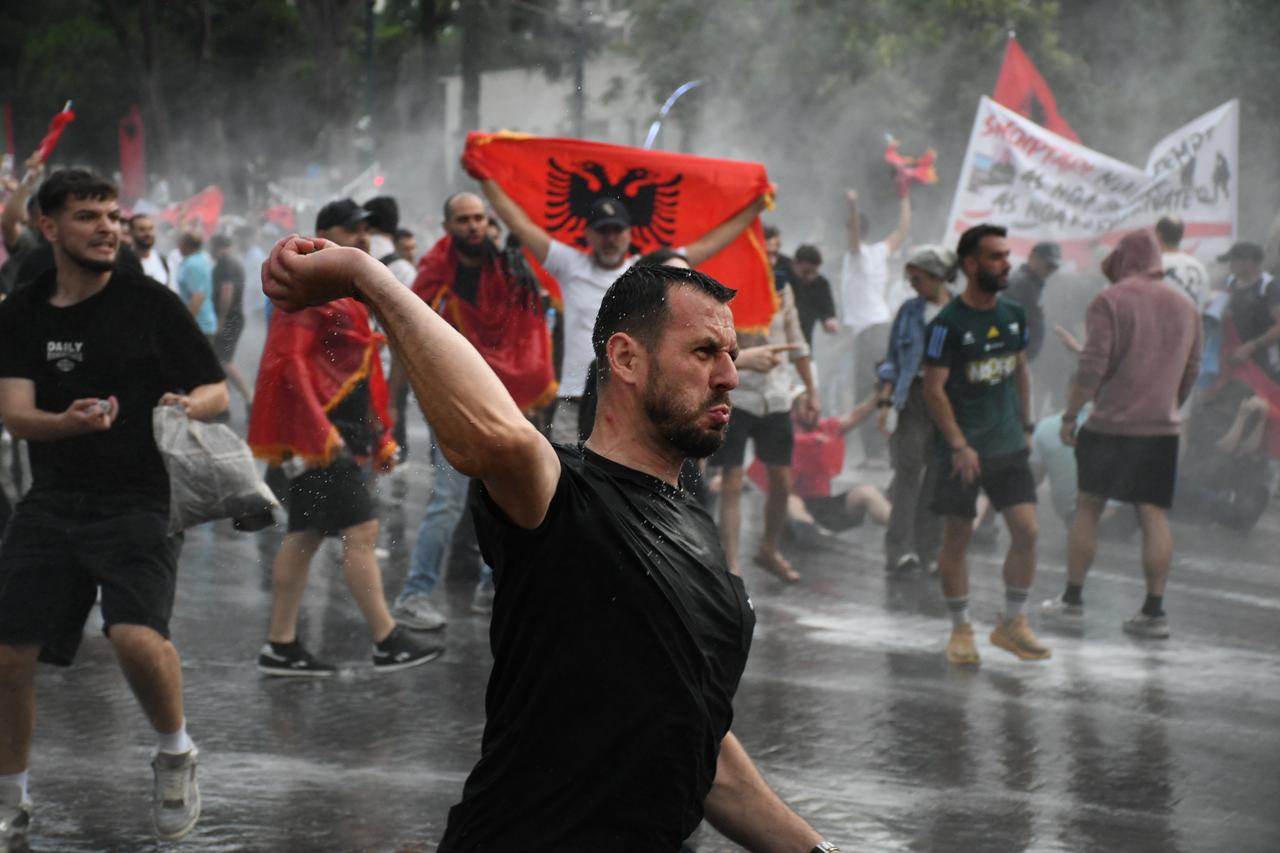


Things are not going according to plan for U.S. President Donald Trump's family business ambitions in the Balkans.
When his daughter Ivanka Trump recently visited Albania, she told a story that sounded almost cinematic. She and her husband, Jared Kushner, were sailing along the Albanian coast on a friend's boat when they stopped for a swim. They swam ashore on Sazan Island, walked barefoot across its rugged terrain, and immediately fell in love with what they saw.
The island, she later said, became the inspiration for the "project of a lifetime."
To Ivanka, Sazan was an extraordinary investment opportunity. To many Albanians, it was something entirely different.
What the Trump family saw as a luxury destination waiting to be developed, many Albanians see as one of the most valuable pieces of natural heritage their country still possesses.
The disagreement has since evolved into one of the most politically explosive debates Albania has witnessed in years.
At first glance, the appeal is easy to understand.
Sazan is stunning.
Located where the Adriatic Sea meets the Ionian, the island sits within one of the Mediterranean's most unique ecological zones. Species from two marine ecosystems coexist in its waters. Together with the surrounding coastline, it forms part of the Karaburun-Sazan Marine National Park, Albania's first marine protected area.
Its waters contain Posidonia oceanica seagrass meadows, often described as the lungs of the Mediterranean because of their ability to absorb carbon and produce oxygen.
Endangered species inhabit the surrounding waters, while the island itself is home to over 400 plant species, including several found nowhere else in this part of Europe.
Despite covering only 5.7 square kilometers, Sazan is widely regarded as one of Albania's ecological treasures.


Yet what began as a debate over one island is rapidly becoming something much larger.
Anyone familiar with the Balkans knows that bureaucracy is rarely fast. Permits can take years to obtain, property disputes often drag through courts, infrastructure projects move slowly, and governments routinely explain delays by pointing to legal procedures and administrative obstacles.
Citizens are constantly told that regulations must be respected, institutions cannot simply bypass established procedures, and change inevitably takes time.
The story of Sazan appears to challenge that logic.
Suddenly, a protected area became available for development. Legislation was amended. Administrative obstacles that often slow projects elsewhere appeared far less formidable. Strategic investor status was granted.
What decades of environmental protection had preserved suddenly became open to negotiation.
Of course, governments have every right to argue that attracting major investment sometimes requires legal adjustments. Prime Minister Edi Rama has made precisely that case. He insists Albania has not sold the island, that ownership remains with the Albanian state, and that economic development can coexist with environmental protection.
Perhaps he is right.
But the questions raised by the controversy are proving difficult to dismiss.
If laws protecting a marine national park can be amended in the name of development, what does that say about the permanence of those protections?
If bureaucracy can suddenly become efficient when billions of euros are involved, was bureaucracy ever really the problem?
Or is the real lesson that, in the Balkans, rules are often far more flexible than governments are willing to admit?
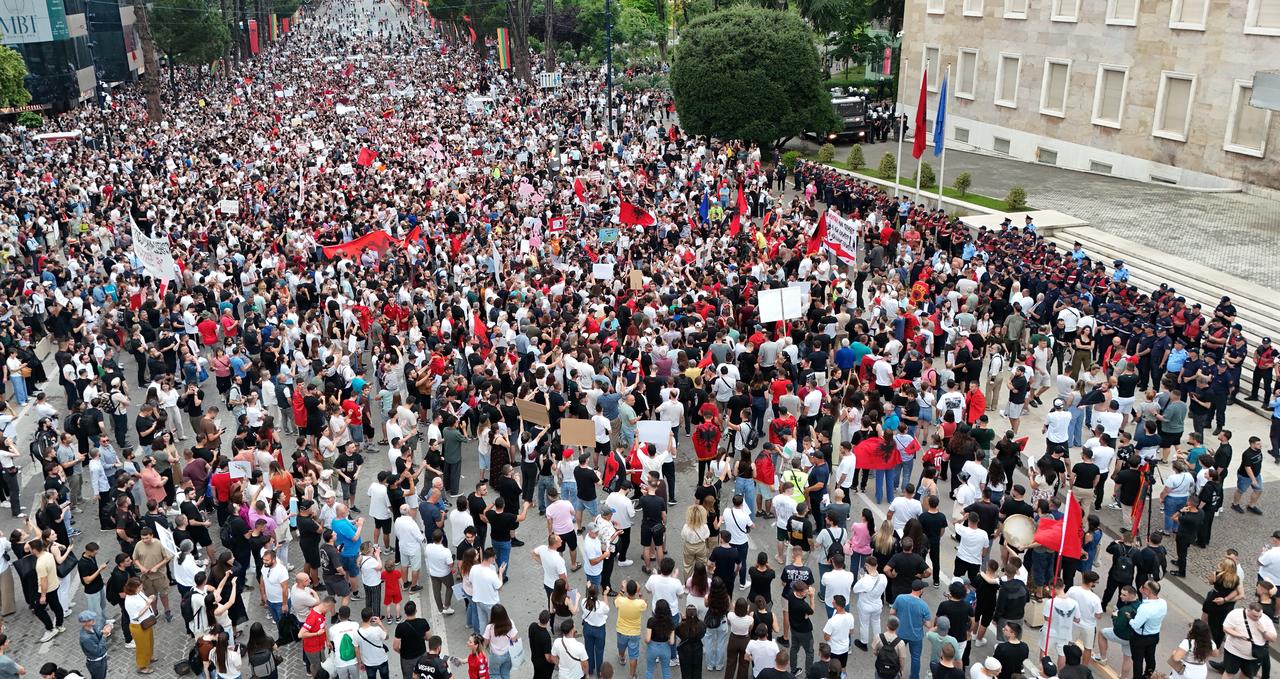
Perhaps that is why the protests have resonated so strongly.
This is no longer simply a debate about tourism or foreign investment.
It has become a debate about power. About who gets access and who receives exceptions. About whether laws exist because governments genuinely believe in them, or only until someone arrives with enough money to make changing them worthwhile.
The controversy has tapped into a broader regional frustration.
Across the Balkans, ordinary citizens frequently encounter institutions that move slowly, regulations that seem inflexible, and bureaucracies that insist procedures cannot be accelerated.
Yet when politically connected investors arrive, barriers often appear far less permanent.
That perception, fair or unfair, is at the heart of the Sazan debate.
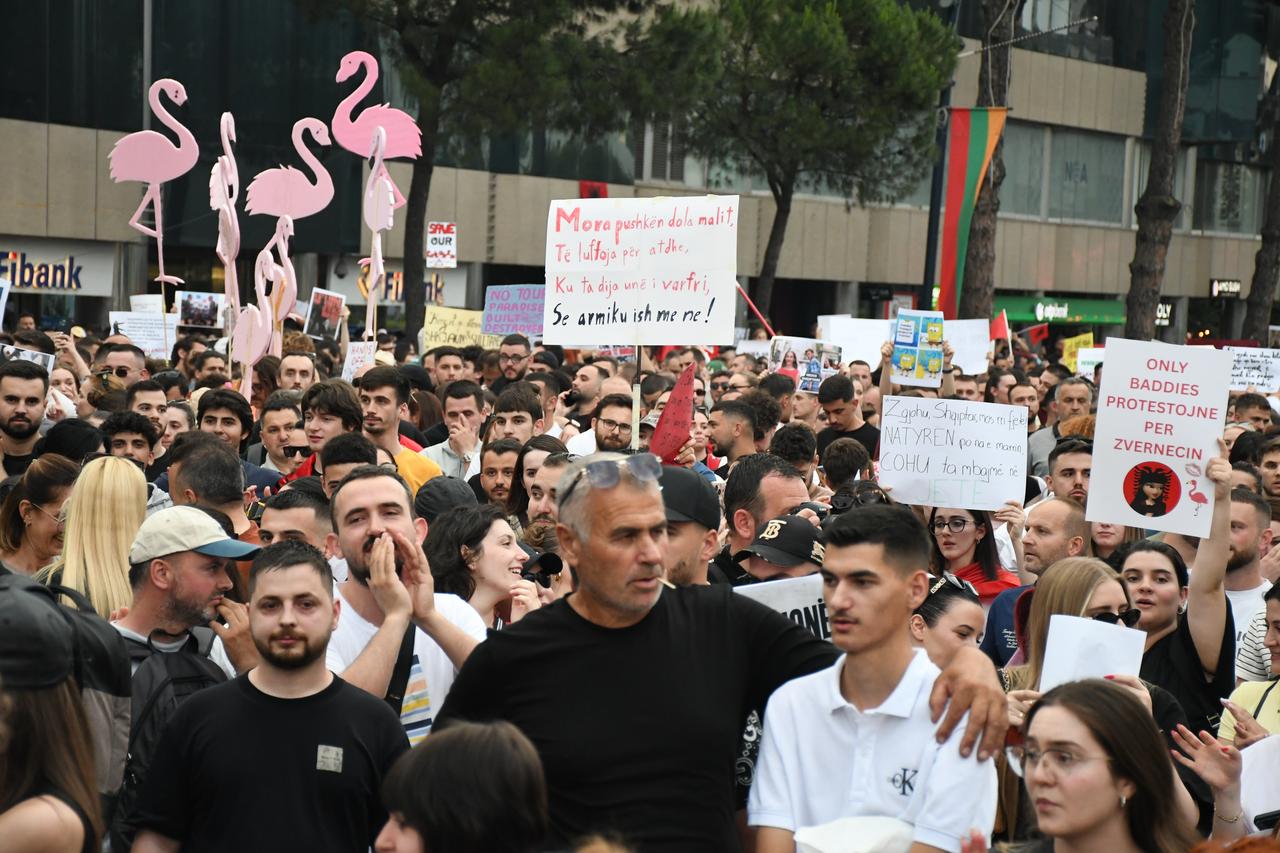
The irony is that this is not the first time Kushner's Balkan ambitions have encountered resistance.
In neighboring Serbia, plans for a luxury development on the site of Belgrade's former General Staff headquarters also generated fierce opposition. What investors viewed as prime real estate, many Serbians viewed as a historical landmark and a symbol of collective memory.
That project ultimately collapsed under mounting pressure.
Across the region, major investment, infrastructure and energy projects are increasingly becoming intertwined with business networks connected to the Trump orbit.
In Bosnia and Herzegovina, debates surrounding the Southern Gas Interconnection project have increasingly focused on the role of American companies and politically connected investors entering strategic sectors.
Taken together, these developments point toward a broader trend.
The Balkans increasingly appear to be a testing ground for a more transactional model of engagement—one built around investment deals, strategic projects and private capital rather than the language of democratic reform that traditionally dominated Western policy toward the region.
 2 min read

The problem is that people in the Balkans rarely separate business from politics.
Nor do they automatically accept the argument that economic development should outweigh environmental protection, historical memory, or public ownership.
That is the lesson emerging from Sazan.
The Trump family saw an island.
Many Albanians saw a national symbol.
The Trump family saw a luxury resort.
Many Albanians saw one of the Mediterranean's most valuable ecosystems.
And while money can secure land leases, consultants, permits, and political support, it cannot always secure public consent.
That is why the battle over Sazan matters far beyond one island.
At its core, it raises a question that resonates across the Balkans:
If governments can move this quickly when billionaires arrive, why can they not move this quickly for everyone else?
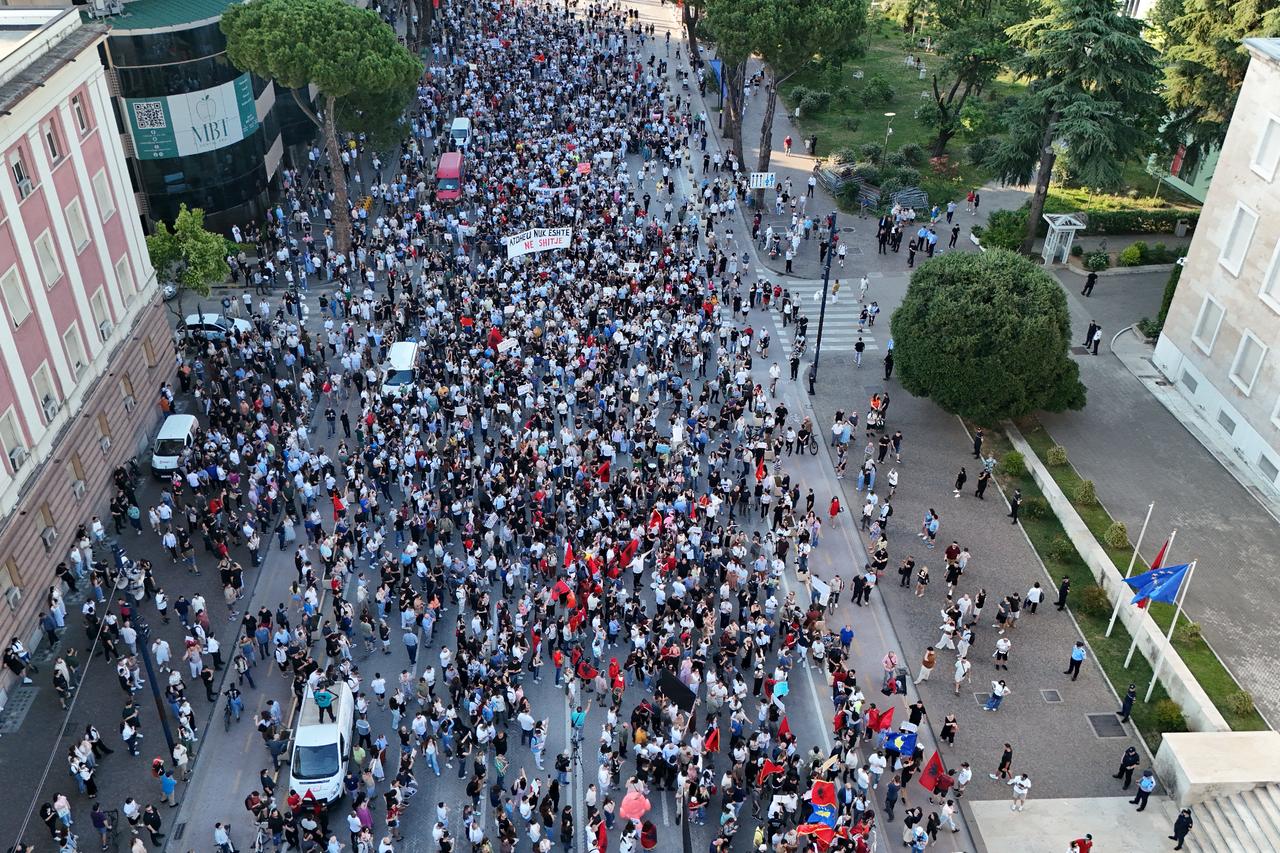
For now, at least, thousands of Albanians believe they already know the answer.


 Set as preferred source
 Set as preferred source




 1 min read


