

 Newsletters


Donald Trump is once again speaking through maps. From Canada to Greenland, from Panama to the North Atlantic, the statements keep coming. We already looked at Greenland once. The real question now is this: what does Trump actually see when he looks at Greenland?
Before getting into geopolitics and history, a brief detour into context.
When Trump first floated the idea of Greenland, Washington treated it as another offhand remark. There were jokes, raised eyebrows and polite dismissals from Copenhagen.
Denmark chose not to take it seriously. Yet behind the scenes, the picture looked very different. Throughout his presidency, Trump approached foreign policy less like a diplomat and more like a real estate negotiator. He looked for assets, future value and leverage. Greenland entered the conversation for that reason.
After this short public service announcement, it is worth stepping back.
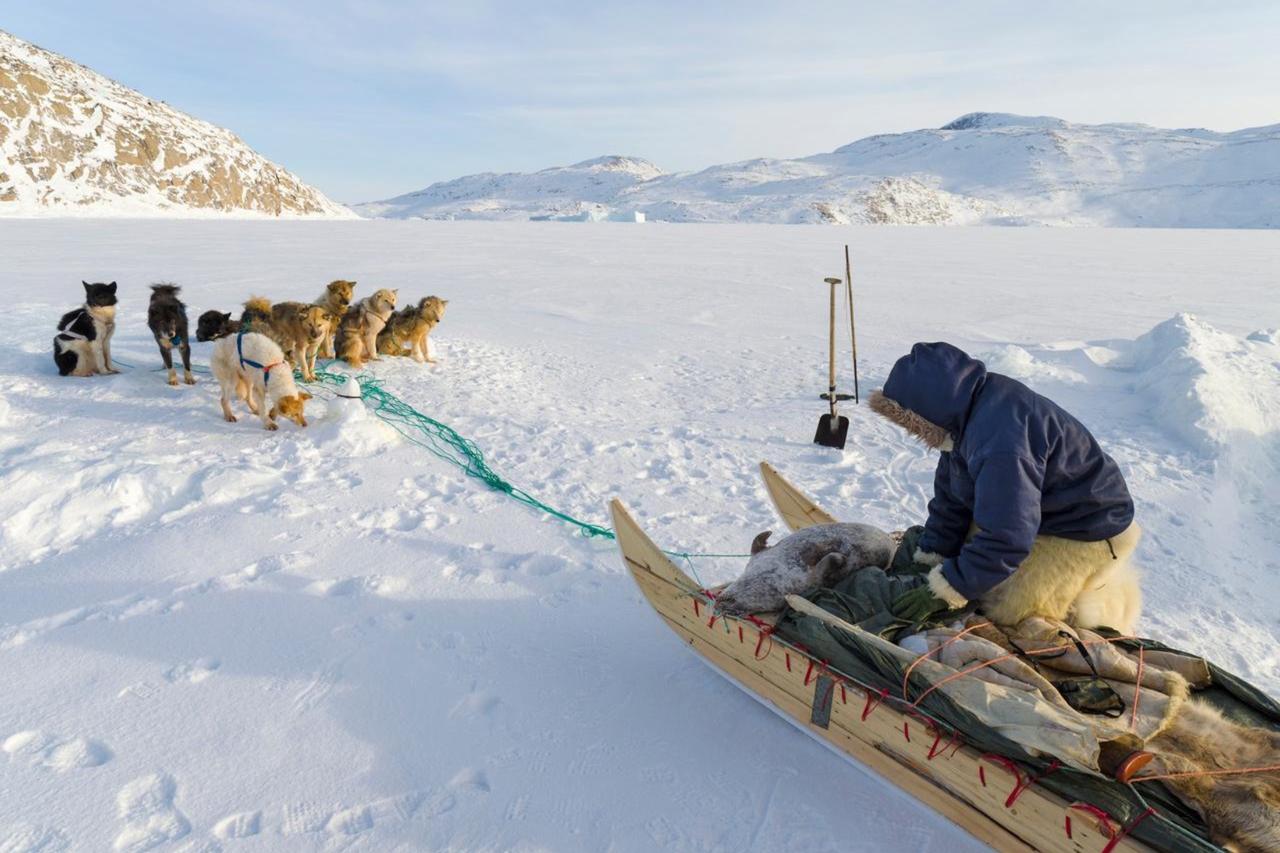
Greenland looks like a space on the map. Ice, wind, silence. Yet for decades, major powers treated the island as a quiet strategic key. During World War II, the United States moved into Greenland after Denmark fell under Nazi occupation.
During the Cold War, the Thule Air Base became a core element of early warning systems against Soviet missiles. The Arctic served as a hidden front in a bipolar world.
Once the Cold War ended, Greenland faded from view. Strategic attention froze even as the ice slowly melted. That changed under Trump. Washington reopened the Arctic file. This shift had little to do with environmental concern. Energy access, shipping routes, and military reach drove the reassessment.
Melting ice sounds like an environmental alarm. In Trump’s world, it signals shorter trade routes and faster military mobility. The Northern Sea Route significantly cuts the distance between the Atlantic and the Pacific. Greenland sits at the choke point of that transformation.
Publicly, the Greenland episode became shorthand for “buying an island.” The underlying message was far sharper: this territory should not become a strategic advantage for others. Denmark was never the real target. Russia and China were.
Russia continues expanding military infrastructure across the Arctic, growing its icebreaker fleet and treating the region as de facto internal waters. China frames its presence through the language of science and logistics, branding the Arctic as part of a “Polar Silk Road.” Port investments, mining projects, and research missions all fit into that approach.
Trump’s worldview does not accommodate passive observation. When rivals move, counter-moves follow. The Greenland proposal reflected that instinct.
Europe’s position matters here. Denmark defended sovereignty. Brussels issued carefully worded statements. The European Union never produced a firm Arctic strategy with teeth.
In the Greenland debate, Europe appeared more like a normative observer than a geopolitical actor. In Trump’s world, such hesitation creates openings. Power fills the vacuum left by caution.
Alliance politics follows the same logic. The North Atlantic has long been a security backbone. The Iceland–Scotland corridor once tracked Soviet submarines. Today, it matters again for energy transport and maritime control. Greenland anchors the northern end of that chain.
In Trump’s calculus, alliances revolve around contribution, cost, and payoff. Historical ties matter less than strategic return. Danish sensitivities rank low against the control of critical geography. The question remains simple: what does this territory balance, and who does it constrain?
 1 min read
History supports this thinking. The purchase of Alaska in 1867 drew ridicule at the time. Critics called it a frozen wasteland. Today, Alaska stands as a cornerstone of U.S. energy and military capacity. Greenland fits that same pattern.
This is where the ideological core of Trump’s worldview becomes clear. MAGA does not seek to repair the global order. It seeks to renegotiate it. International law remains present, yet flexible. Rules serve power rather than restrain it. Diplomacy works through pressure and incentives rather than prolonged negotiation.
That approach transforms the Arctic. Insurance markets, classification bodies, and transit permissions turn into quiet tools of leverage. Northern routes grow more expensive. Neutral space shrinks.
One detail matters. Trump regularly argues that military action carries inherent legitimacy. Still, the American system places limits on presidential authority when U.S. troops face direct risk. Yet the pattern of a second Trump term points toward a familiar sequence: action first, legal debate later.
Greenland illustrates this clearly. The island was not sold. Yet U.S. presence in the Arctic expanded. Icebreaker capacity reentered policy discussions. Pressure on Denmark increased. Strategic ground shifted.
Greenland is far more than ice. In Trump’s world, it represents shipping lanes, energy access, and the rebalancing of global power. This order does not produce stability. It produces sustained pressure. Large powers manage it. Smaller states must choose.
The real question is this: will the Arctic become a quiet bargaining table or the next cold front of global rivalry? In Trump’s world, answers rarely come from treaties.
They come from moves on the board. Maps stay the same. Power does not. The new normal is already rising from beneath the ice.


 Set as preferred source
 Set as preferred source



 1 min read


