Newsletters


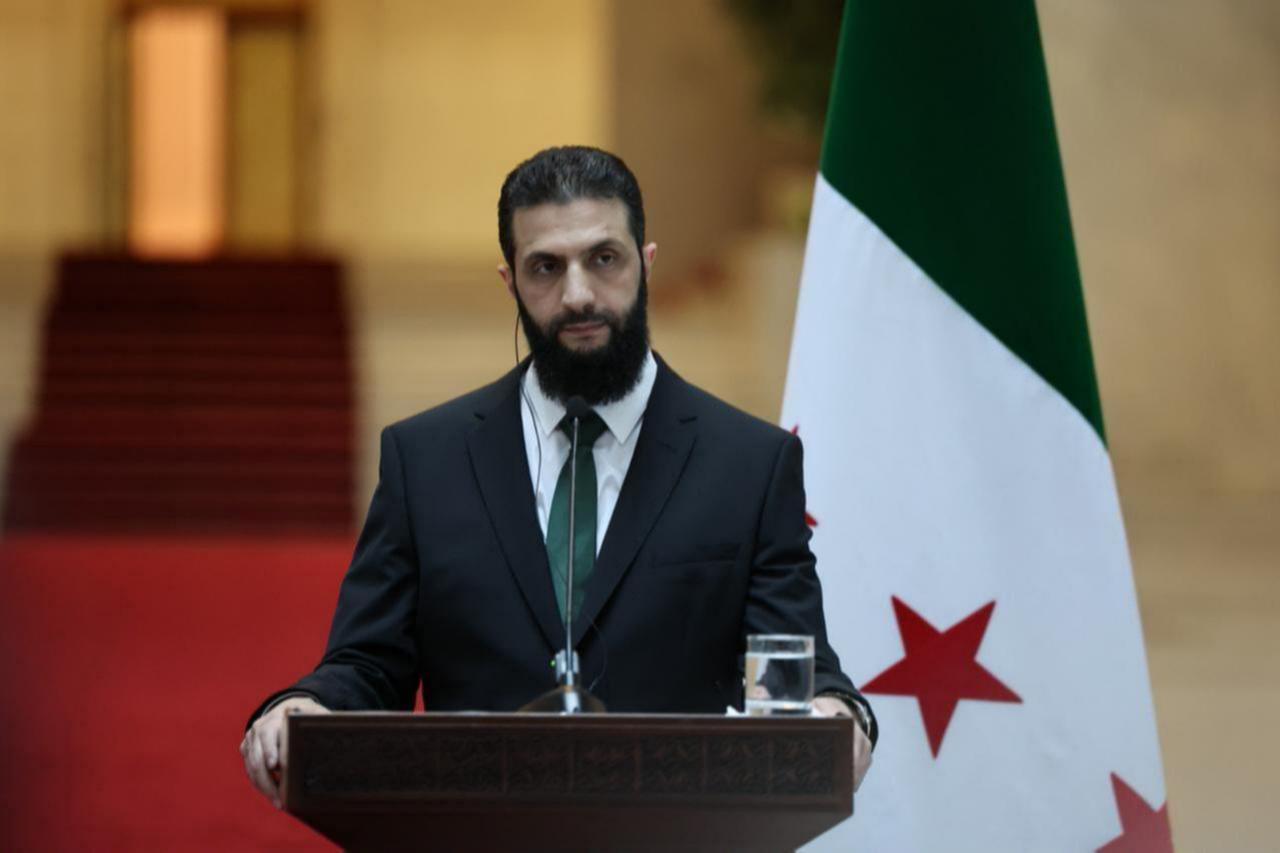


In a recent government reshuffle, Syrian President Ahmad al-Sharaa replaced several members of his cabinet.
The most prominent decision in this overhaul was the dismissal of two of his brothers from influential positions in Syria.
While many observers are focused on the political maneuvering and the reconfiguration of power centers within the administration, it is crucial to highlight what this reshuffle signifies for the broader Syrian society.
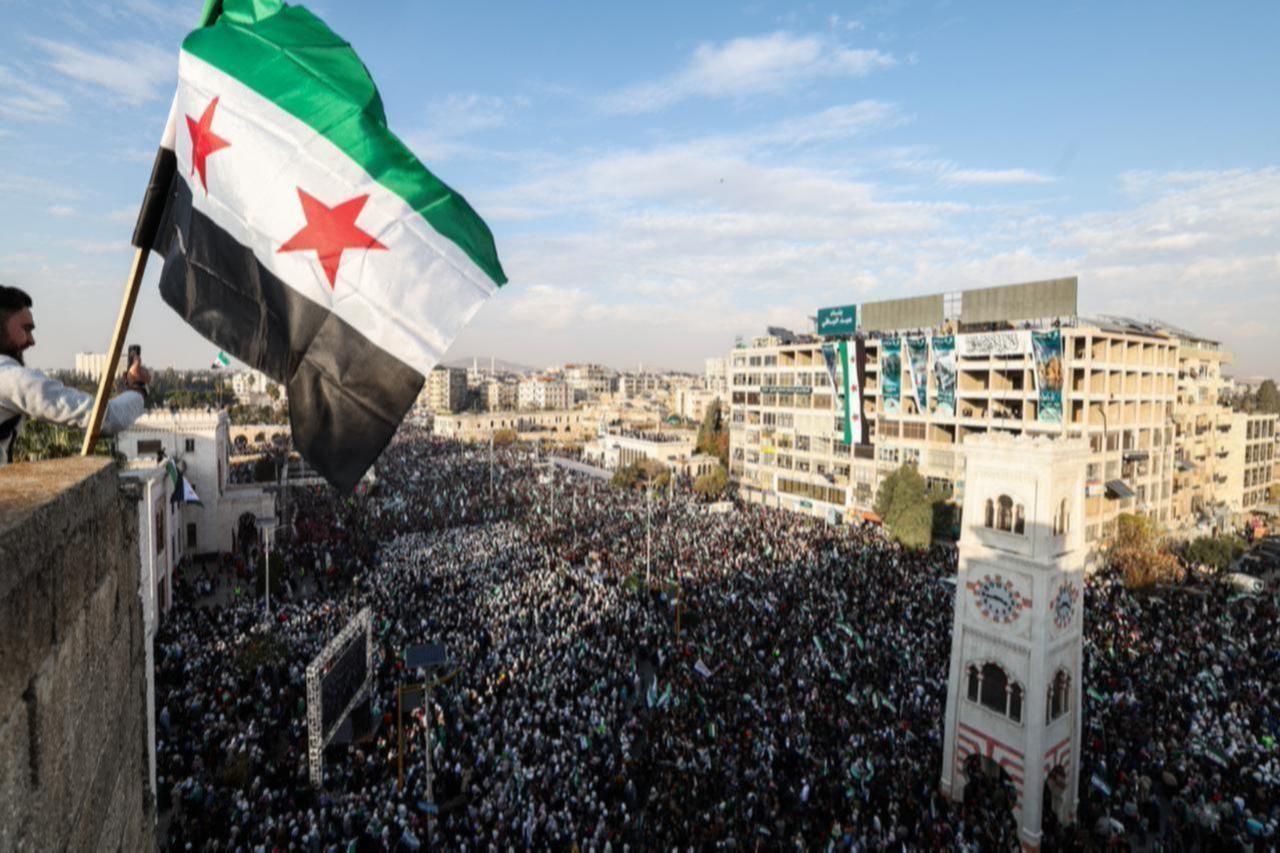

Many foreign experts, journalists, and politicians continue to overlook the Syrian majority and the weight of their long-standing demands.
For over 50 years, the Assad regime maintained a system of brutal oppression against the country's Sunni majority; now, in the wake of this reshuffle, there is a profound sense among many Syrians that they are finally reclaiming a seat at the table that was always rightfully theirs.
For many in the country, Sharaa and his government have come to represent the "real Syria"—a nation that is fundamentally Sunni in its majority but also comprises other societal segments and minorities.
This demographic group serves as the main powerhouse in Syria. In the past, they were simply a suppressed majority; today, however, they control the Syrian army, security apparatus, and bureaucracy, while wielding significant economic strength.
Antagonizing this Sunni majority is now akin to a guarantee of uprising and regime change—a reality President Sharaa clearly understands as he moves to accommodate their demands.
While Sunnis are present in every corner of Syria, this Sunni demographic bloc that supports Sharaa is concentrated in Hama and Homs.
While Sharaa’s top men are mostly from Idlib, the popular masses and the human capital are the strongest in Hama and Homs. It is no coincidence that the anniversary of the Syrian revolution was celebrated the strongest in Hama and Homs.
To draw a comparison, what Los Angeles is for the Democratic Party in the United States, or what Konya and Erzurum represent for the AK Party in Türkiye, Hama and Homs are for Sharaa. These cities are not merely urban centers; they are his political heartland and the bedrock of his popular mandate.
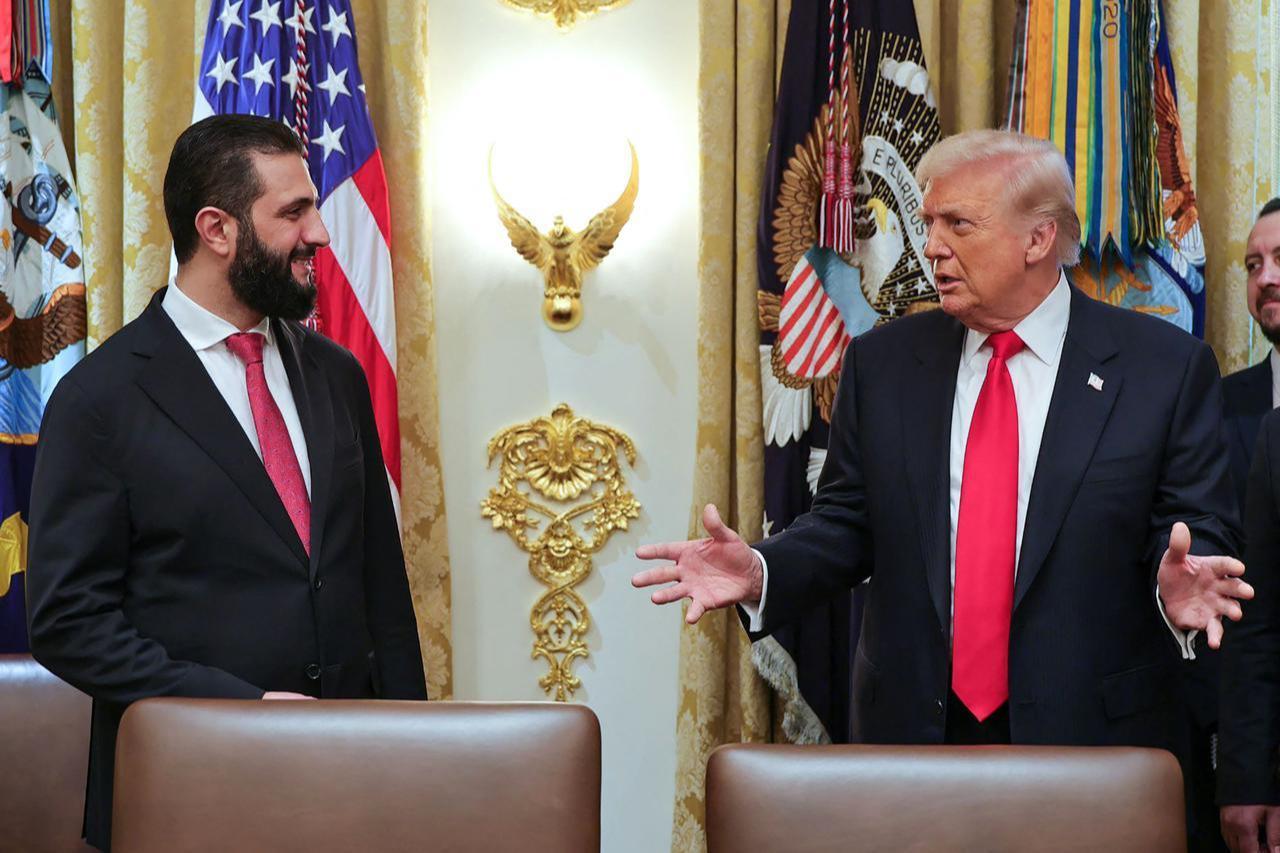
The Sunni segments of Syria are not fully satisfied with Sharaa. They trust him, they believe in him, but think that he is too soft and doesn’t appreciate the support of the Sunnis enough.
Driven by this new reality, the majority placed two demands on Sharaa. The first was a reckoning with nepotism; the presence of Sharaa’s brothers in high-ranking positions served as a bitter reminder of the Assad family’s grip on power. The second demand was for a fundamental shift in communication.
The Sunni majority generally rejects retaliatory messages of inclusivity and diplomatic gestures of "open-mindedness" aimed at the international community.
Every time a step is taken to push for national reconciliation, it triggers a deep-seated reaction within this demographic.
Directly accusing Sharaa remained a red line for many; instead, public frustration was largely channeled toward the minister of Information.
However, recognizing the intensifying sentiment within the Sunni majority, Sharaa moved to accommodate their demands.
While he may have required his brothers as trusted aides during the initial, fragile stages of the transition, he eventually reached a point where he could no longer risk antagonizing the Sunni majority.


 Set as preferred source
 Set as preferred source


 1 min read
 1 min read