Newsletters


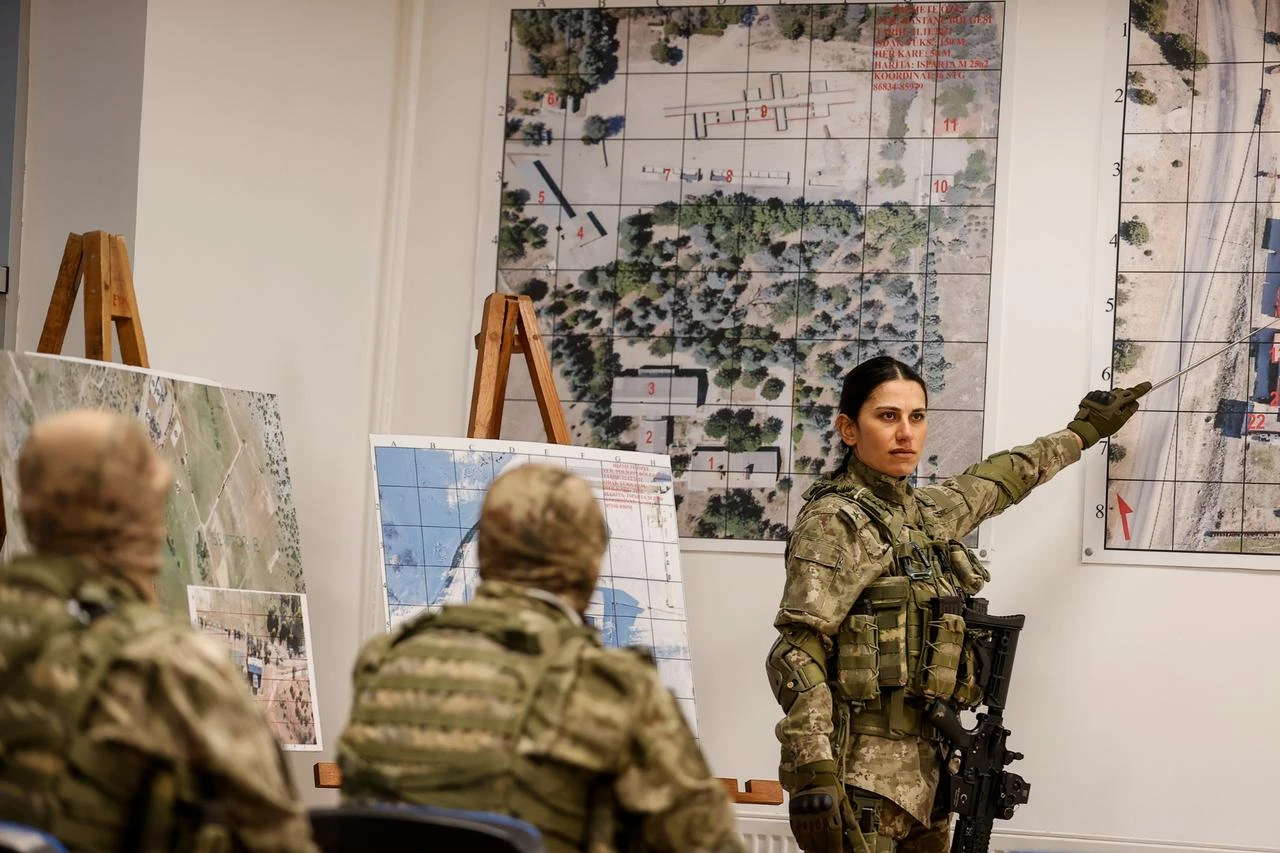


When Türkiye promoted Colonel Ozlem Karapinar to brigadier general this week, the headlines rightly focused on history. Karapinar became the first woman to attain a general-officer rank in the history of the Turkish Air Force. Her promotion, approved by the Supreme Military Council, marks more than a personal achievement. It is a milestone for one of NATO’s largest militaries and a reminder that institutions often perceived as slow to change can, eventually, break long-standing barriers.
It also made me wonder about the Balkans.
How many women have reached the rank of brigadier general or higher across the region? It sounds like a straightforward question. It wasn’t.
Using artificial intelligence as a research assistant, I reviewed official defense ministry records, NATO publications and other publicly available sources covering Slovenia, Bosnia and Herzegovina, Croatia, Bulgaria, Greece, Romania, Kosovo, Serbia, Montenegro and Albania. AI helped compare and organize the information, but every finding was cross-checked against official or publicly available records wherever possible.
The search did not produce a definitive answer. Military personnel records are not equally transparent across the region, and not every defense ministry publishes comprehensive lists of senior officers. Even so, the publicly available record tells its own story.
Among the names that consistently appear are Croatia’s Brigadier General Gordana Garasic, Slovenia’s former Chief of the General Staff Alenka Ermenc, Kosovo’s Major General Irfete Spahiu, Albania’s Major General Manushaqe Shehu and several Romanian women who have also reached general-officer rank. Beyond these pioneers, however, examples become surprisingly difficult to find.
Across much of the Balkans, women remain largely absent from the highest visible levels of military leadership, at least according to official and publicly available information.
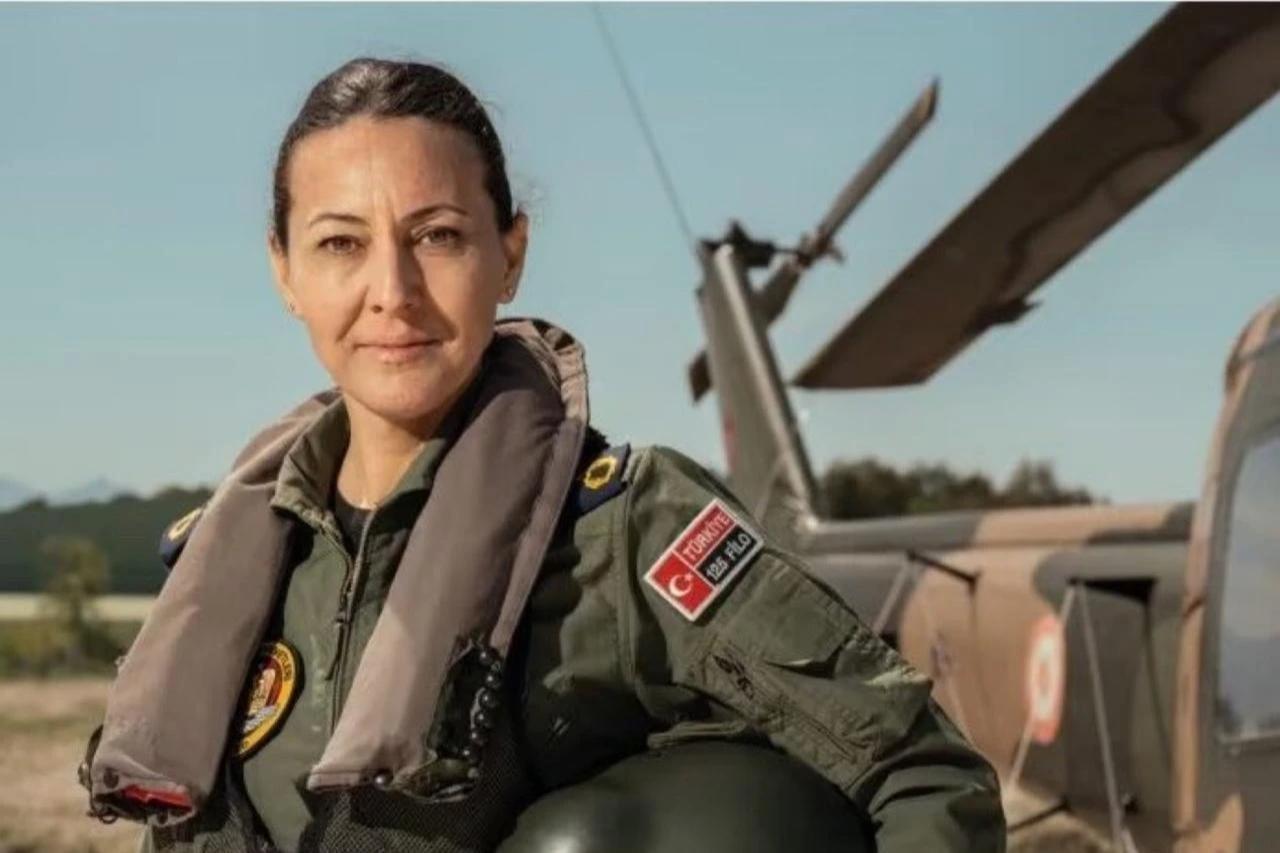

That matters because defense spending across the region is rising rapidly.
According to NATO’s latest defense expenditure estimates, the seven NATO members included in this comparison, Albania, Bulgaria, Croatia, Greece, Montenegro, Romania and Slovenia, are expected to spend nearly $23 billion on defense in 2026. Greece alone is projected to spend more than $9 billion, while Romania is expected to exceed $7 billion. Croatia, Bulgaria and Slovenia have all significantly increased military investment in recent years as Europe responds to a dramatically altered security environment.
Bosnia and Herzegovina, Serbia and Kosovo are also investing more in defense, although their spending is measured through different national reporting systems.
The region is purchasing fighter aircraft, drones, armored vehicles and air defense systems. Military infrastructure is expanding. NATO allies are moving toward, or beyond, the alliance’s defense spending targets.
But modernizing an army is not only about acquiring new equipment.
It is also about who leads it.
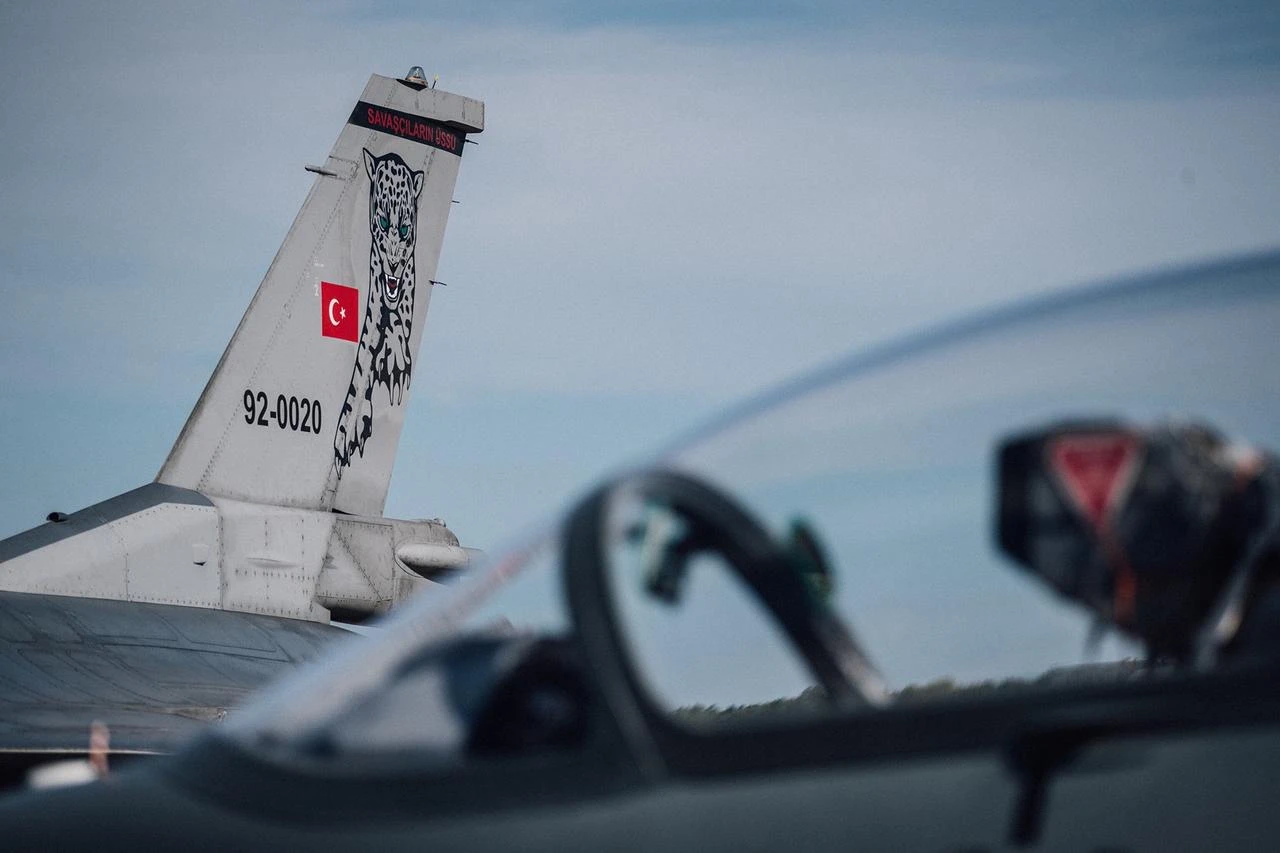
This is not because the region has ignored women in uniform.
Over the past decade, NATO, the United Nations and regional organizations have supported programs aimed at increasing the recruitment, retention and promotion of women across the Western Balkans’ armed forces. More women are enrolling in military academies, serving in international missions and pursuing professional military careers than ever before.
Yet recruitment has advanced faster than promotion.
The lack of women in senior military leadership is often described as a pipeline problem, and there is truth to that argument. Becoming a general typically requires three decades of service, operational command, advanced military education and a series of increasingly demanding leadership assignments.
For much of that period, women were either excluded from military academies, restricted from combat roles or discouraged from pursuing the career paths that traditionally produced future generals.
Today’s imbalance partly reflects yesterday’s opportunities.
History alone, however, cannot explain today’s numbers.
Women now graduate from military academies across Southeast Europe. They command units, participate in NATO operations and increasingly serve in roles that were once closed to them. The pathway exists far more than it did a generation ago, yet the highest ranks remain overwhelmingly male.
Part of the explanation lies in institutional culture.
Promotion systems often reward career paths that historically favored men. Operational command experience, influential staff postings and informal mentoring networks continue to shape advancement. Military careers also coincide with the years when many officers are raising families, while institutional support has not always evolved at the same pace as recruitment policies.
None of this suggests that standards should be lowered or that generals should be appointed to satisfy quotas. The credibility of any military depends on merit.
But merit can operate fairly only when talented officers have equal access to the assignments, education and command opportunities through which merit is demonstrated.
 1 min read
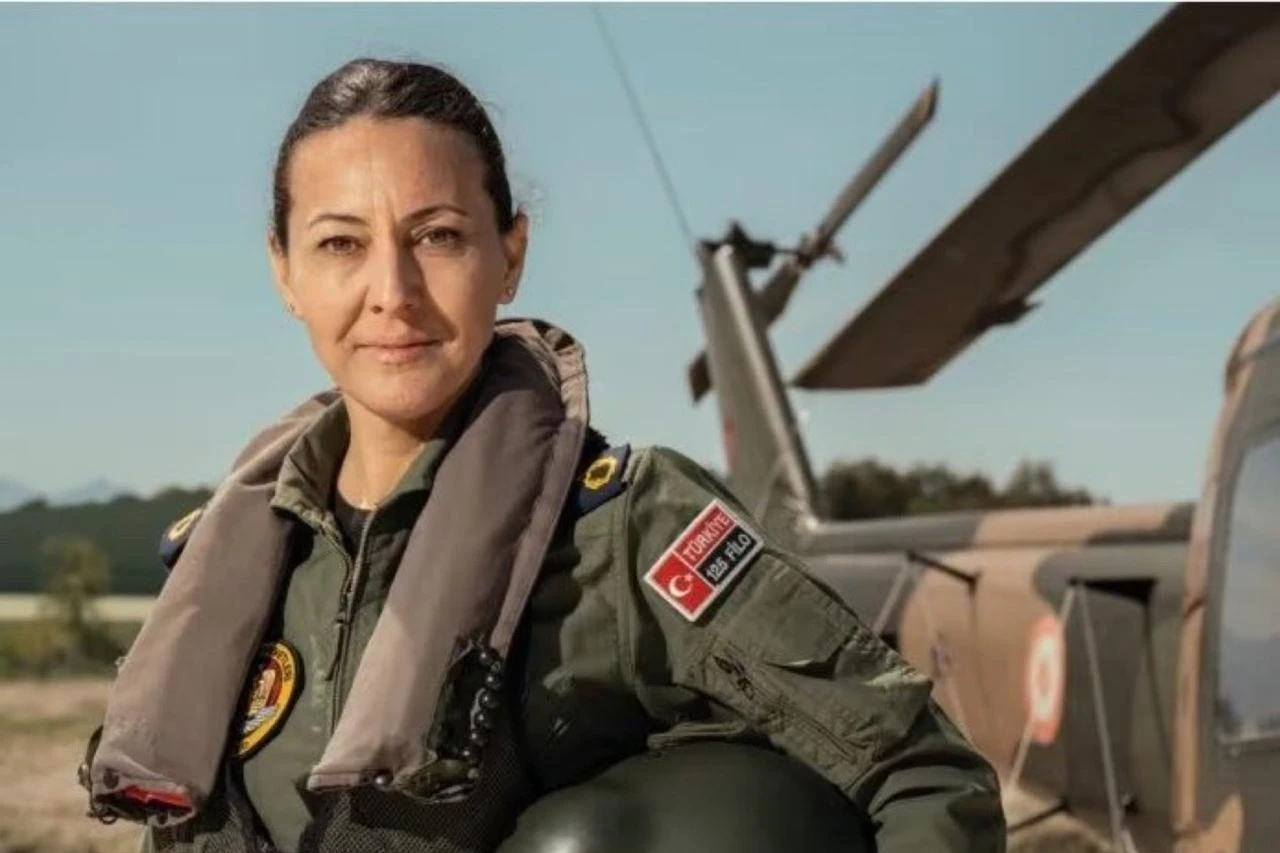
Karapinar’s promotion is more than a Turkish milestone.
It should serve as a reminder that military excellence and broader representation are not competing goals. Increasingly, they are part of the same conversation about what a modern armed force should look like.
The question is no longer whether women can reach the highest military ranks.
They already have.
The real question is why, in a region spending billions to strengthen its armed forces, they remain such a rare exception.


 Set as preferred source
 Set as preferred source


 1 min read