Newsletters


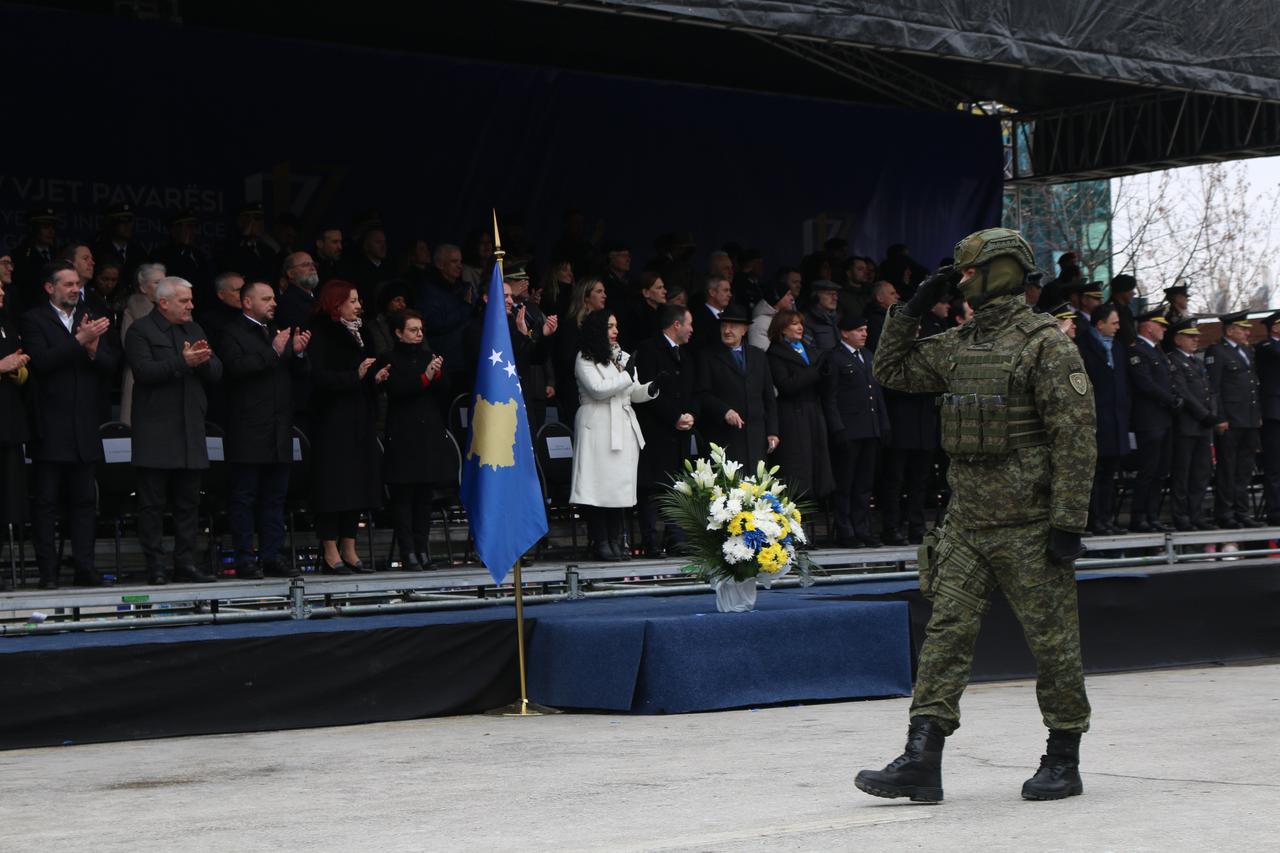


I have spent much of my life around security institutions, war’s aftermath, and the long shadows violence leaves on individuals and states. Because of that, I am careful with words like militarization, threat, and offensive intent. They are not rhetorical toys. They describe real human costs.
This is why Milovan Drecun’s recent claim—that Kosovo is engaging in “offensive militarization” and preparing a military threat—deserves to be examined seriously, calmly, and factually.

In a recent interview for Serbia’s public broadcaster RTS, Drecun, chairman of the Serbian parliament’s committee on defense and internal affairs, argued that Kosovo is undergoing “intensive militarization,” that this process violates U.N. Security Council Resolution 1244, and that it represents a direct threat to the security and survival of the Serbian population in Kosovo, including what he described as preparation for offensive military action.
And when examined, the claim collapses.
What Drecun articulates is not a military assessment. It is something deeper and more revealing: Serbia’s unresolved demand for an absolute monopoly on force over Kosovo—a demand that persists regardless of Kosovo’s actual capabilities.
Since 1999, Serbia has opposed every form of organized security in Kosovo: when there was no force, when it had a civil protection corps and a lightly armed security unit, or now, as modest defensive capabilities are developed under NATO oversight.
The intensity of Belgrade’s objections has remained constant, even as Kosovo’s capabilities have changed little in substance. That alone tells us something essential: the objection is not about how much force Kosovo has, but about the fact that it has any at all.
In Serbian strategic thinking, Kosovo is not supposed to possess autonomous coercive power—not light weapons, not training institutions, not defensive doctrine. Anything short of total dependency is framed as provocation.
This is not a security concern. It is a sovereignty reflex.
Offensive military action is not a feeling. It is a structure.
It requires air superiority, long-range fires, maneuver formations, logistics depth, and freedom of command. Kosovo has none of these.
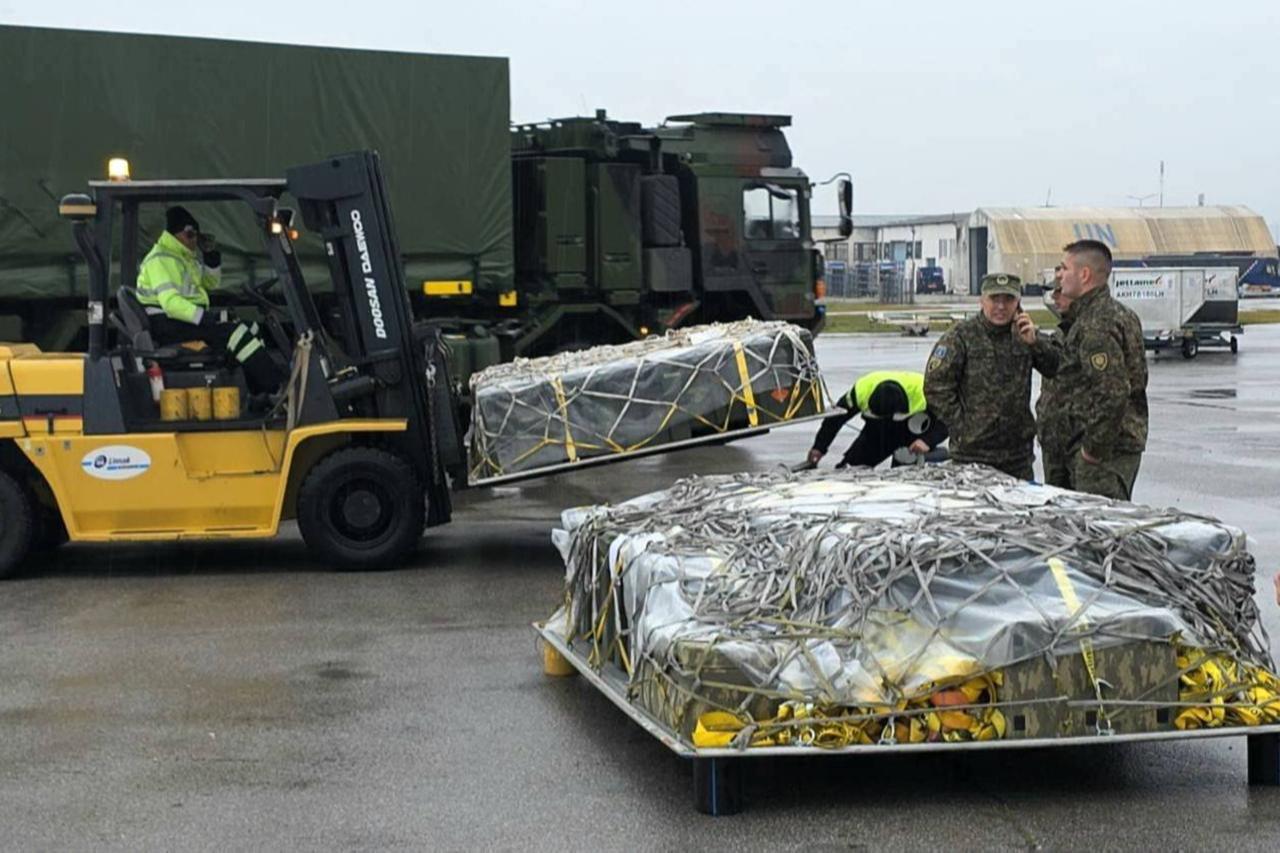
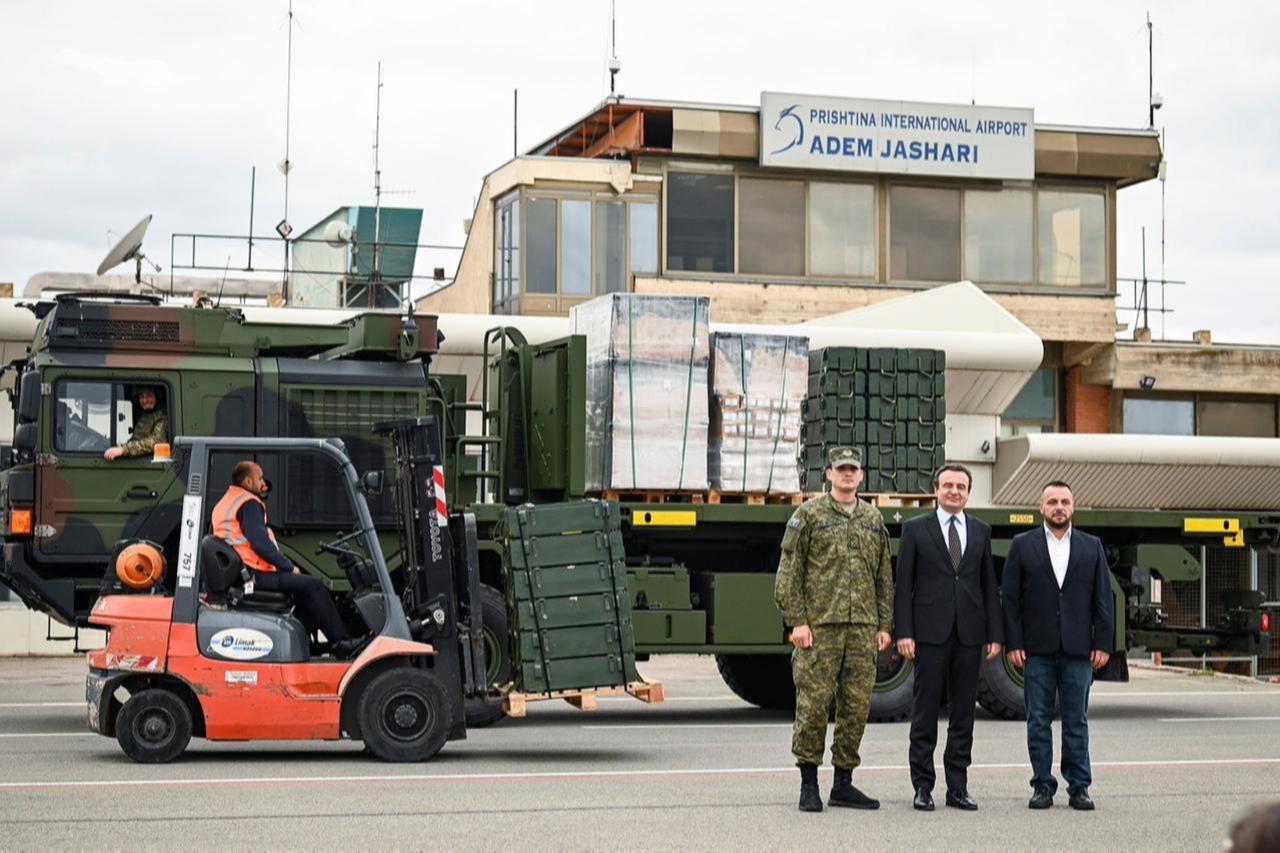
The Kosovo Security Force has no combat aviation, no long-range artillery, no armored maneuver units, no independent air-defense network, and no strategic logistics chain capable of sustaining offensive operations. It operates within a NATO-shaped security envelope, where KFOR retains ultimate responsibility for escalation control.
Even Kosovo’s recent acquisitions—often cited alarmistically—are defensive by design: territorial protection, anti-armor deterrence, crisis response. These are the tools of prevention, not conquest.
To call this “offensive” is not analysis. It is inversion.
What is striking in Drecun’s argument is not what he says, but what he omits.
Over the past decade, Serbia has:
These are strategic capabilities—the kind that alter regional military balance.
Yet Serbia describes this buildup as defensive, preventive, even stabilizing.
Kosovo’s far more limited, NATO-aligned development is labeled aggressive.
This asymmetry is not analytical. It is political.
The repeated invocation of U.N. Security Council Resolution 1244 follows the same pattern. The resolution was designed to manage the end of a war, not to freeze a society in permanent institutional paralysis.
It does not grant Serbia eternal authority over Kosovo’s security future, nor does it prohibit Kosovo from developing institutions under international supervision—especially in a context where Kosovo is recognized by most Western democracies and protected by NATO forces.
Turning a conflict-management instrument into a permanent veto is a political choice, not a legal necessity.
Perhaps the most troubling aspect of Drecun’s rhetoric is the claim that Kosovo’s defense development threatens the survival of Kosovo Serbs.
The safety of Kosovo Serbs is guaranteed primarily by KFOR, a mission Serbia itself acknowledges when it seeks stability. Suggesting that NATO-aligned professionalization endangers them instrumentalizes a civilian community for political ends.
As someone who understands what insecurity does to the human psyche, I find this deeply irresponsible.
Kosovo is not preparing for war.
What unsettles Belgrade is something quieter and more decisive: Kosovo’s normalization as a security actor embedded in Western structures.
Each training cycle, each interoperability exercise, each institutional upgrade reduces Serbia’s leverage and narrows the ambiguity it has relied on since the war ended. Kosovo’s defense development does not threaten Serbia militarily. It threatens a narrative.
And narratives, for some, are harder to relinquish than territory.
This is not a debate between peace and militarization. It is a debate about who is allowed dignity, agency, and responsibility.
Kosovo’s partners have chosen a disciplined, transparent model of defense development under international oversight. Calling that model “offensive” does not make it so. It merely reveals the political premise behind the accusation.
Those of us who have lived with war—and with its psychological residue—know the difference between preparation and provocation.
Words matter. Truth matters more.
This article was first published on the Kosovo Dispatch website.
DISCLAIMER: The views and opinions expressed in this article are those of the author and may not necessarily reflect the editorial policy of Türkiye Today.


 Set as preferred source
 Set as preferred source


 1 min read
 1 min read