Newsletters


Russian energy giant Gazprom disclosed on Wednesday that it has fended off a dozen attacks on gas pipeline facilities in southern Russia over the past two weeks, raising fresh concerns about the security of energy infrastructure that supplies Türkiye and parts of Europe with natural gas.
The company said in a statement posted to Telegram that its Russkaya pumping station was targeted again by an aerial attack, with strikes on the Beregovaya and Kazachya stations recorded the day before.
All 12 attacks, beginning Feb. 24, were directed at facilities Gazprom described as "critically important energy infrastructure" that underpins export deliveries through the TurkStream and Blue Stream pipelines.
Russia's Defense Ministry confirmed the strikes in a separate statement, asserting that the attacks were aimed at cutting off gas supplies to European consumers.
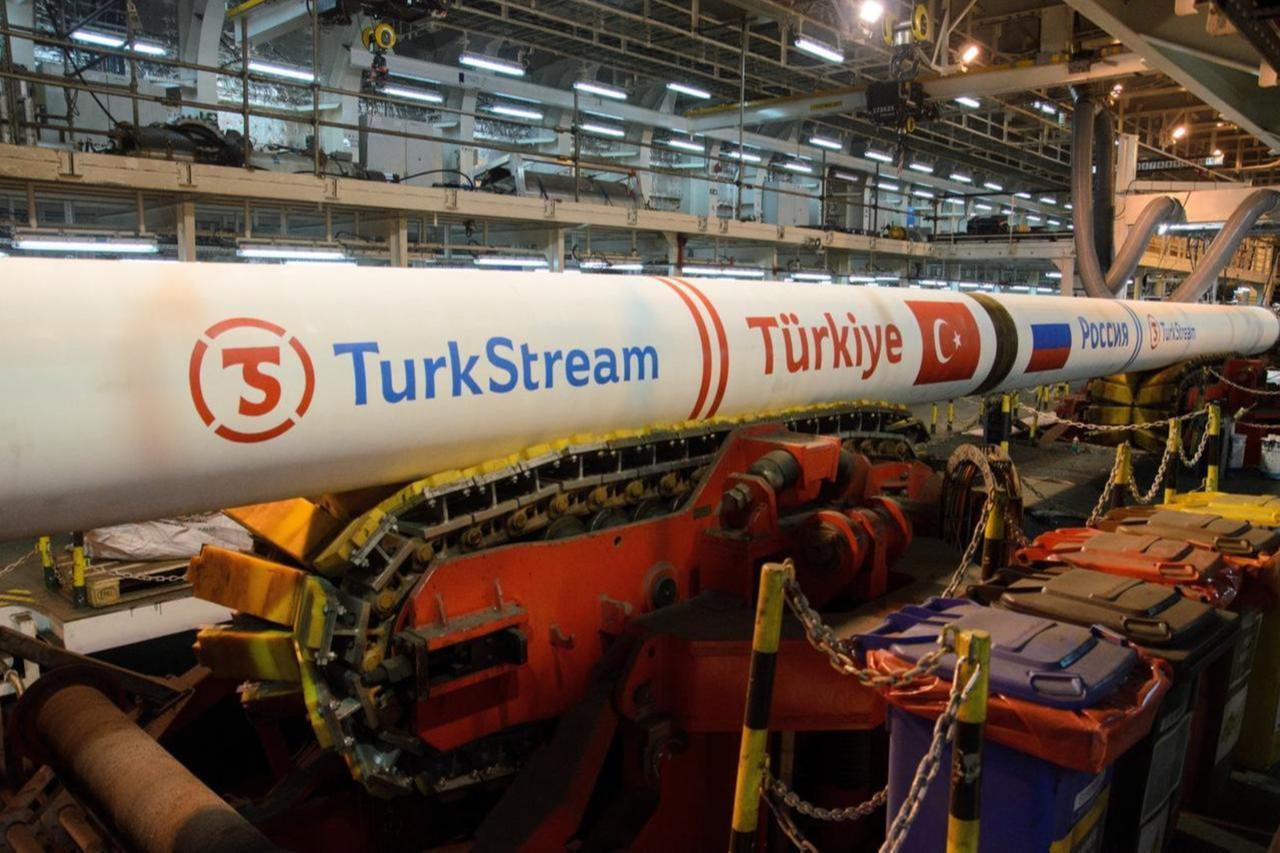

The attacks target infrastructure that has grown dramatically more important since Ukraine's gas transit contract with Russia expired at the end of 2024.
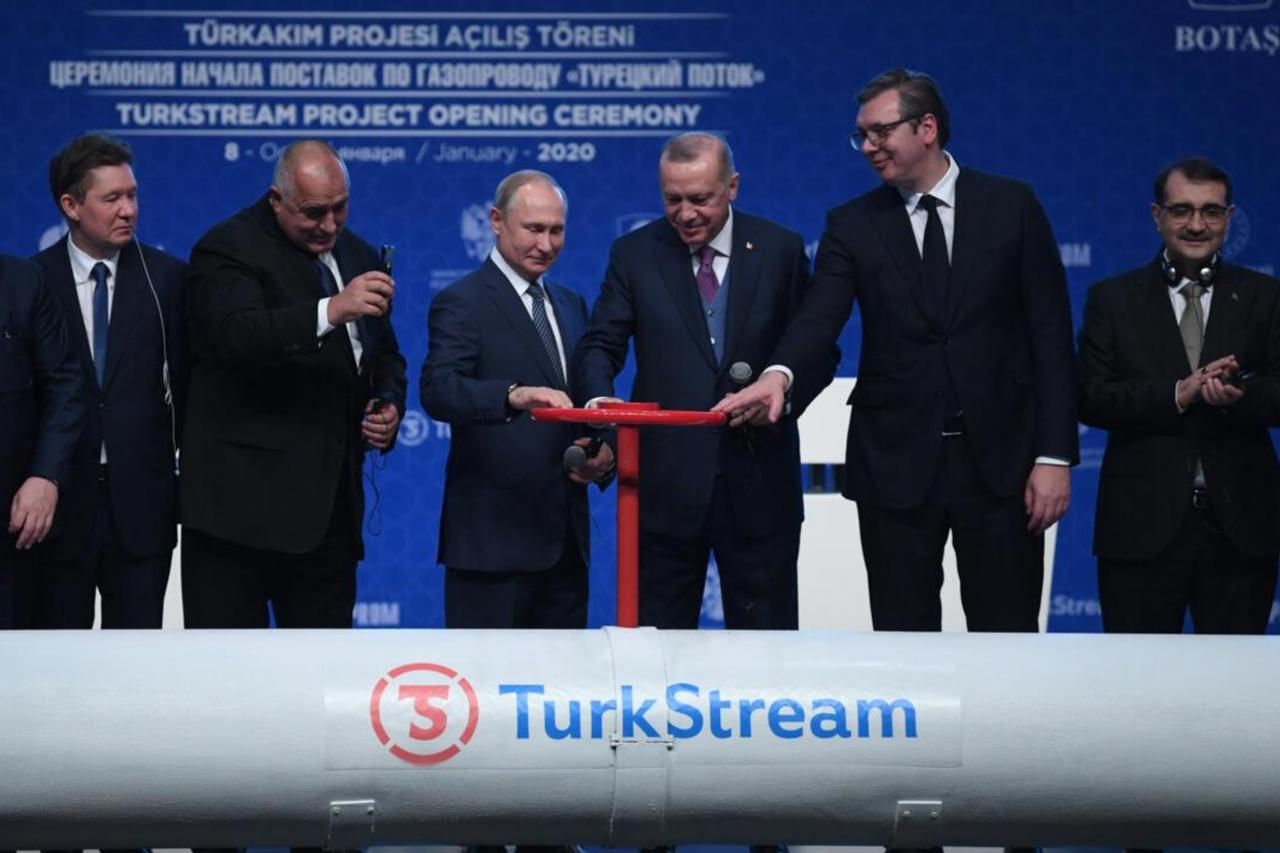
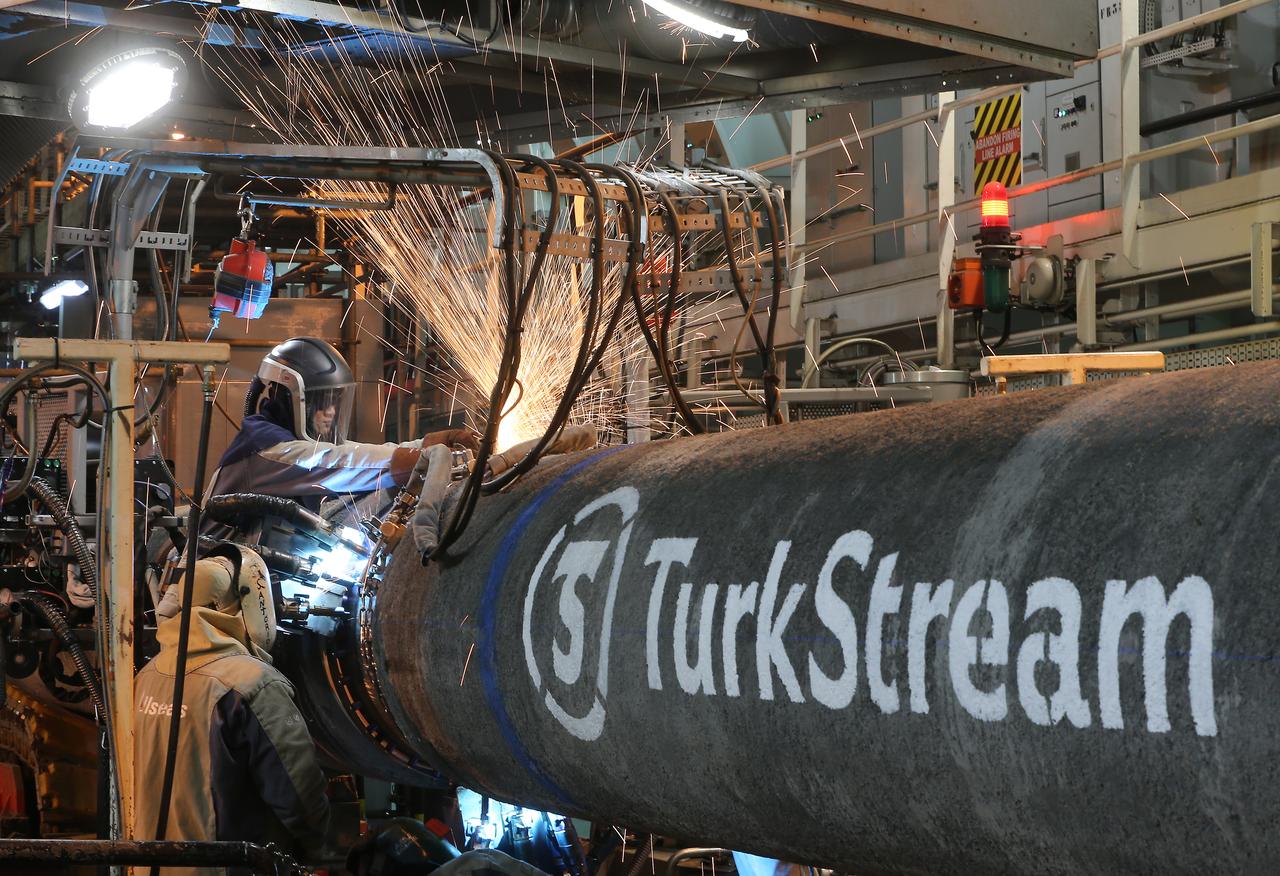
TurkStream runs roughly 930 kilometers across the Black Sea from Russia's Krasnodar region to Türkiye's Thrace coast, carrying a combined capacity of 31.5 billion cubic meters per year across two parallel lines, one serving Türkiye's domestic market and the other feeding southeastern and central Europe via Bulgaria.
Blue Stream, operational since 2003, is a 1,213-kilometer pipeline with a capacity of 16 billion cubic meters annually, jointly owned by Gazprom and Italy's Eni, running from Russia to Türkiye's Black Sea port of Samsun and onward to Ankara.
Together, the two pipelines form the backbone of Russian gas deliveries to Türkiye, which consumes roughly 54 billion cubic meters of natural gas per year. The Russkaya compressor station near Anapa serves as the starting point for TurkStream, while the Beregovaya station near Arkhipo-Osipovka is a critical compression hub for Blue Stream, both of which were among the facilities targeted.
The escalation around these facilities comes at a particularly volatile moment for global energy markets. Iran's blockade of the Strait of Hormuz, now in its tenth day in response to US and Israeli strikes on Iranian territory, has disrupted a waterway responsible for approximately 20 percent of global oil transit from the Persian Gulf.
The convergence of these two pressure points, one on a major gas corridor and the other on a critical oil chokepoint, compounds the risk for energy-importing nations across Europe and beyond.
Disruptions to Russian gas flows to Europe are not new but have intensified in recent months. On Jan. 27, Ukraine halted energy deliveries through the Druzhba pipeline to Hungary and Slovakia.
Budapest responded by blocking a 90-million-euro credit line to Ukraine. Hungary continues to receive Russian gas via TurkStream and routes it onward to Slovakia, making the security of the pipeline network a direct concern for Central European energy supplies.
TurkStream has become the sole remaining pipeline route through which Russian gas reaches European Union markets following the expiration of the Ukraine transit deal, a development that has significantly elevated the geopolitical stakes surrounding its infrastructure.
Data from the first seven months of 2025 showed Russian pipeline gas exports to Türkiye had risen more than a quarter compared to the same period the previous year, reaching roughly 12.7 billion cubic meters.


 Set as preferred source
 Set as preferred source


 1 min read
 1 min read