Newsletters


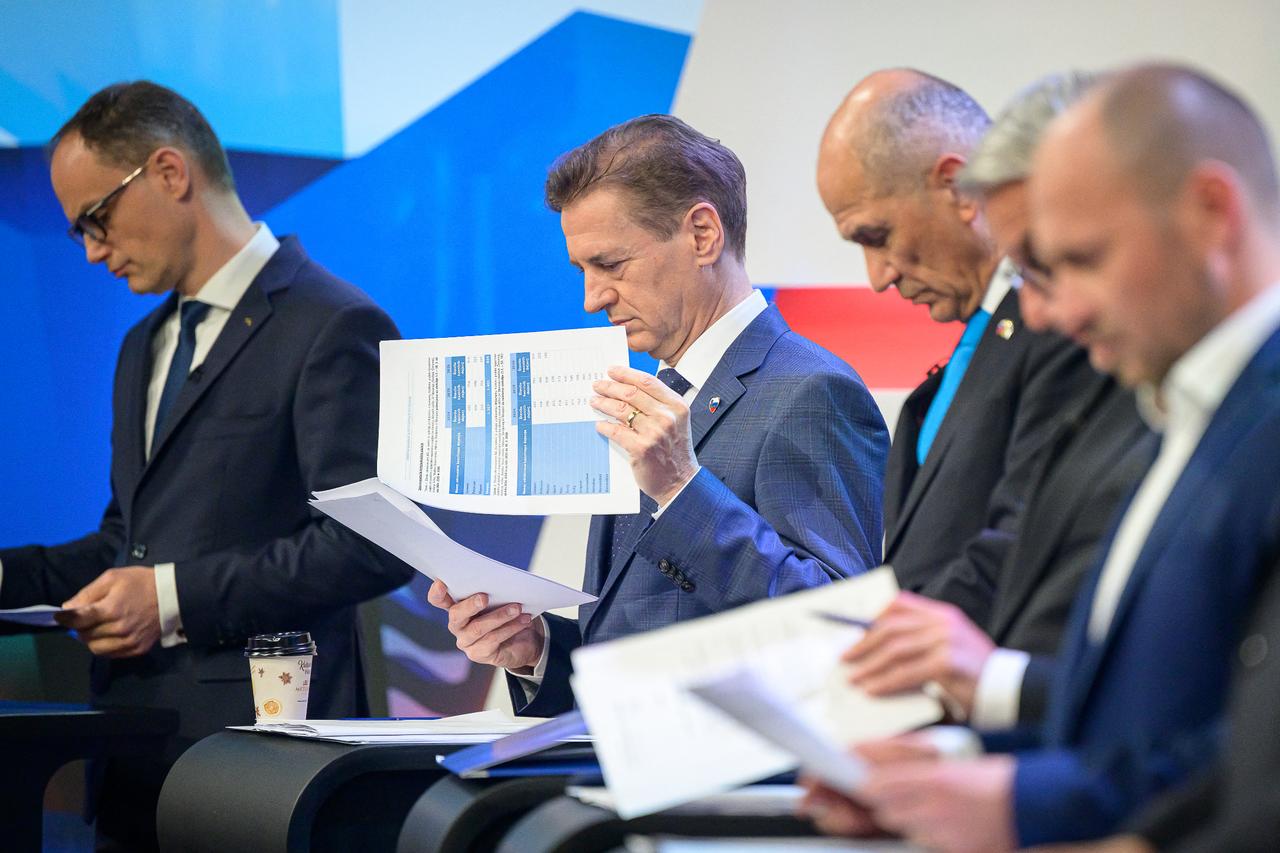


Slovenian Prime Minister Robert Golob on Monday began a difficult search for coalition partners to form a new government after his liberal party narrowly defeated conservatives in weekend parliamentary elections.
Slovenia’s ruling liberal party secured a narrow victory over conservatives in Sunday’s parliamentary elections, according to local media, with nearly all votes counted.
Golob’s center-left Freedom Movement won 28.62% of the vote, narrowly ahead of former right-wing populist leader Janez Jansa’s Slovenian Democratic Party, which received 27.95%, broadcaster RTV reported.
With 99.85% of ballots counted, the Freedom Movement is set to win 29 seats, while the Slovenian Democratic Party is expected to secure 28 seats in the 90-seat parliament. Voter turnout was reported at nearly 70%.
Golob claimed victory late Sunday after parliamentary election results put the liberals on 29 seats compared with 28 seats for the conservatives in the parliament.
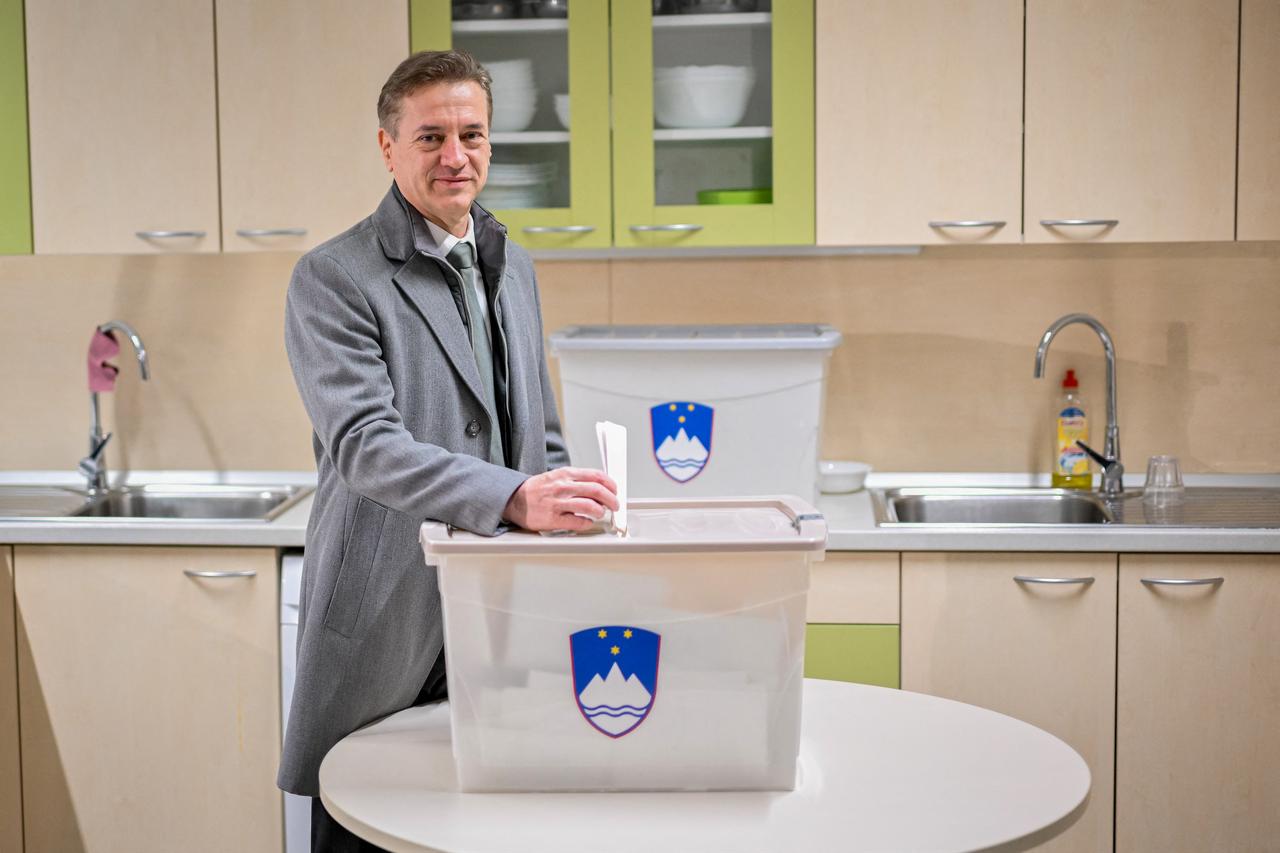

The remaining seats are expected to be distributed among several smaller parties, with analysts predicting it will be difficult to form a stable government in the European Union member state of about two million people.
In a speech on Sunday, Golob, who led a three-party center-left coalition during his last mandate, said he would invite all parties on Monday for coalition talks.
"We face tough negotiations," the 59-year-old said, describing his victory as a vote for "democracy."
Slovenian President Natasa Pirc Musar congratulated Golob on his victory on the U.S. social media platform X.
“Heartfelt congratulations to the Freedom Movement, the relative winner of the elections. I have already called the party president, Dr. Robert Golob, and personally congratulated him,” Musar wrote.
Postal votes within Slovenia were scheduled to be counted on Monday, while ballots from abroad are expected to be counted on March 30, finalizing the results.
The final days of campaigning were overshadowed by claims of foreign interference, with authorities investigating whether an Israeli company was behind secretly recorded videos alleging corruption in Golob's government.
A civil society group, together with an investigative journalist and two researchers, accused Israeli intelligence firm Black Cube of being behind the videos, linking it to Jansa's party.
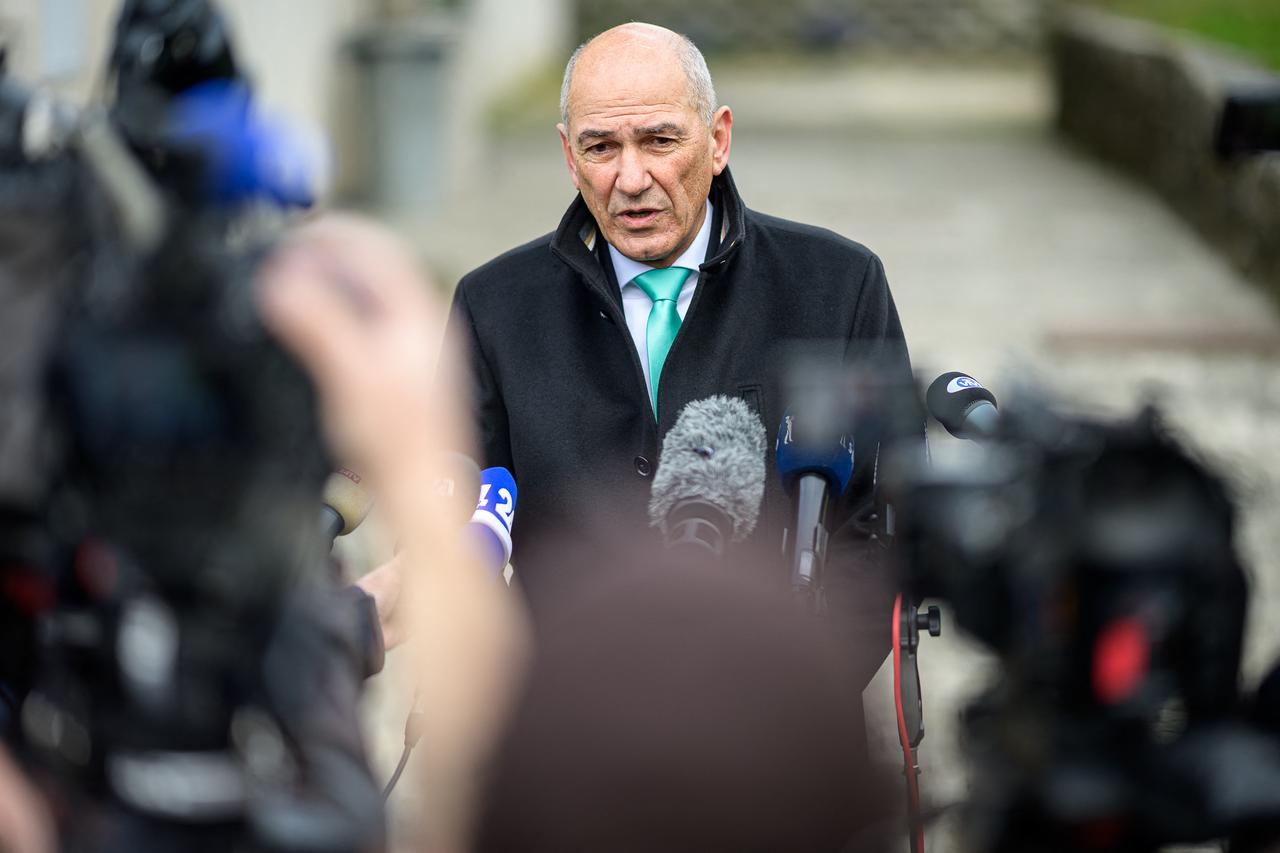
Three-time prime minister Jansa—an ally of Hungarian Prime Minister Viktor Orban — admitted meeting a Black Cube official but denied involvement in the videos.
His team would "count every vote from all polling stations," Jansa, 67, said late Sunday, but also said he would not form a "weak government."

President Musar also called on political parties to begin coalition negotiations as soon as possible.
"Whoever brings me 46 votes, he will be given the mandate" to form a new government, she told public RTV radio on Monday.
An anti-establishment party and a conservative party formed by former Jansa ally Anze Logar also entered parliament, further fragmenting the political landscape.
The Daily Dnevnik newspaper reported that Golob would likely need to negotiate with Logar in addition to the two parties that governed with him in his previous term.
Golob, a former power company manager, was a political newcomer in 2022 when he replaced Jansa, whose last government saw mass protests and European Union criticism over rule-of-law concerns.
Under Golob, Slovenia legalized same-sex marriage and became one of the few EU countries to describe Israel's war in Gaza as "genocide."
Turnout in Sunday’s vote stood at around 70%, similar to the 2022 election.
On Monday in the capital Ljubljana, a 62-year-old voter who gave his name only as Vlado told AFP he expected a government "to be formed as soon as possible and to get down to work."
But he added that "there will be quite a few problems in forming a new government, because the results are very tight."
"The elections in Slovenia were very intense," he said.


 Set as preferred source
 Set as preferred source


 1 min read

 1 min read